Table of Contents >> Show >> Hide
- The Short Answer: Usually No, But “Usually” Is Doing a Lot of Work
- What Counts as an Artificial Sweetener?
- Why Your Blood Sugar Monitor Might Still Show a Change
- Do Different Sweeteners Behave Differently?
- So, Are Artificial Sweeteners Helpful for People With Diabetes or Prediabetes?
- How to Use Artificial Sweeteners Without Getting Tricked by Marketing
- When to Be Cautious
- Bottom Line
- Common Real-World Experiences With Artificial Sweeteners and Blood Sugar
Note: This article is for informational purposes only and is not medical advice.
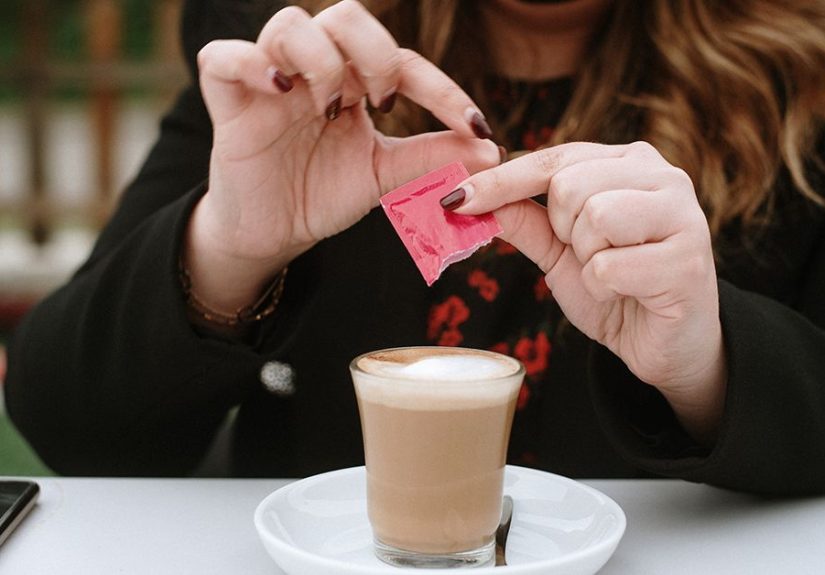
If you’ve ever stared suspiciously at a pink packet, a blue packet, or a can of diet soda and wondered, “Are you secretly plotting against my blood sugar?”, welcome. You are not overthinking it. This is one of those nutrition questions that sounds simple, then immediately turns into a maze of labels, marketing, and people on the internet yelling in all caps.
Here’s the short version: most artificial sweeteners do not directly spike blood sugar the way regular sugar does. That’s the main reason they’re commonly used by people with diabetes, prediabetes, or anyone trying to cut back on sugar. But that doesn’t mean every “sugar-free” food is automatically blood-sugar-friendly, and it definitely doesn’t mean every sweetener works the same way in your body.
Some products contain other carbohydrates that can raise glucose. Some sugar substitutes are actually sugar alcohols, which may have a small effect instead of a dramatic one. And some research suggests that certain sweeteners may influence insulin, appetite, or gut bacteria in ways that make the long-term picture more complicated than a tidy yes-or-no answer.
So, does the sweet stuff without the calories send your glucose on a roller coaster? Usually no. But context matters, labels matter, and that “sugar-free” cookie can still be a tiny accountant of chaos.
The Short Answer: Usually No, But “Usually” Is Doing a Lot of Work
When people say “artificial sweeteners,” they often mean high-intensity sweeteners like aspartame, sucralose, saccharin, acesulfame potassium, or stevia-based sweeteners. These are used in very small amounts because they taste much sweeter than table sugar. Since they add little to no carbohydrate, they generally do not raise blood glucose the way sugar does.
That is the part most experts agree on. If you swap a regular soda for a diet soda, the diet version typically won’t create the same blood sugar surge because it doesn’t deliver the same sugar load. If you sweeten coffee with a zero-calorie sweetener instead of spoonfuls of sugar, your glucose meter is generally going to have a much quieter day.
But nutrition loves loopholes. A food can contain artificial sweeteners and still raise blood sugar because of the other ingredients in it. Sugar-free ice cream may still contain milk sugars, starches, or flour-based thickeners. A protein bar may be sweetened with sucralose but still packed with carbs. A “diabetic-friendly” muffin may still be, in fact, a muffin. Your pancreas is not fooled by branding.
What Counts as an Artificial Sweetener?
High-Intensity Sweeteners
These include familiar names such as aspartame, sucralose, saccharin, acesulfame potassium, and newer FDA-approved sweeteners. Stevia-derived sweeteners are often grouped into the same conversation, even though they come from a plant source. They are all used because they provide sweetness with few or no calories and little or no effect on blood sugar in the short term.
Sugar Alcohols
This is where people get tripped up. Sugar alcohols like xylitol, sorbitol, erythritol, and maltitol are not exactly the same as zero-calorie artificial sweeteners. They contain fewer calories than sugar and are absorbed more slowly, so they usually cause a smaller rise in blood sugar, not necessarily zero rise. Some are gentler on glucose than others, and some are notorious for causing bloating, gas, or a full gastrointestinal rebellion if you overdo it.
Alternative Sugars Like Allulose
Allulose lives in its own weird little category. It is technically a sugar, but it is metabolized differently from regular sugar and is often discussed alongside sugar substitutes. It tends to have little effect on blood glucose, which is why it has become popular in low-carb and reduced-sugar products.
Why Your Blood Sugar Monitor Might Still Show a Change
1. The Sweetener Isn’t the Only Ingredient
This is the biggest reason for confusion. A sweetener may be innocent while the rest of the snack is guilty as charged. Yogurt sweetened with sucralose can still contain lactose. Sugar-free cookies can still contain refined flour. Protein drinks can still have starches, fruit concentrates, or added carbs. The label may whisper “no sugar,” while the nutrition panel quietly mutters, “But yes, carbohydrates.”
If you’re watching your blood glucose, don’t just scan the front of the package like it’s a movie trailer. Read the full nutrition label. Total carbohydrates still matter.
2. Individual Responses Are Real
Some people notice little to nothing after using artificial sweeteners. Others report that certain sweeteners seem to affect appetite, cravings, or even glucose patterns. Researchers are still trying to sort out why. Proposed explanations include changes in gut bacteria, altered insulin signaling, cephalic-phase responses to sweetness, and the fact that humans are gloriously inconsistent biological experiments.
In plain English: a sweetener may not directly contain glucose, but your body is not always a vending machine where input A produces output B on schedule.
3. Caffeine, Stress, Sleep, and Timing Also Matter
Sometimes the sweetener gets blamed for a blood sugar bump that came from something else. Caffeine can affect glucose in some people. Stress hormones can push blood sugar higher. Poor sleep can make insulin sensitivity worse. A late-night meal can hit differently than the same meal at lunch. If you drink a diet energy drink after a bad night’s sleep during a stressful morning and your glucose acts dramatic, the sweetener may not be the only actor on stage.
Do Different Sweeteners Behave Differently?
Aspartame
Aspartame is one of the most studied sweeteners out there. For most people, it does not directly raise blood sugar because it contributes very little carbohydrate. It is commonly found in diet sodas, drink packets, yogurt, and tabletop sweeteners. It is not suitable for people with phenylketonuria, a rare genetic condition, because it contains phenylalanine.
Sucralose
Sucralose is widely used in beverages, baked products, and packet sweeteners. In general, it has little direct effect on blood glucose when used on its own. That said, some studies have raised questions about whether certain people may have altered insulin responses under specific conditions. This does not mean sucralose equals sugar in terms of glucose spikes, but it does mean the research is not finished.
Saccharin and Acesulfame Potassium
These are older workhorses of the sweetener world. They are also considered to have little to no direct effect on blood sugar in normal use. They show up in beverages, light foods, gum, and tabletop products. Whether you like the taste is a separate and occasionally dramatic issue.
Stevia
Stevia-based sweeteners are popular among people who prefer a plant-derived option. They generally do not spike blood sugar and are often used in drinks, yogurt, and home cooking. But “natural” does not automatically mean “health halo.” A stevia-sweetened product can still be ultra-processed, low in fiber, and very easy to overeat.
Sugar Alcohols
Sugar alcohols deserve special attention. They usually have a smaller effect on blood sugar than regular sugar, but not always a zero effect. They can be useful for people trying to reduce sugar intake, yet they are also famous for digestive side effects. Some people tolerate them well. Others learn the hard way that “sugar-free candy” is less a treat and more a life lesson.
Allulose
Allulose has gained attention because it tastes like sugar and tends to have minimal effect on blood glucose. It appears in syrups, bars, sauces, and lower-sugar desserts. It may be a useful option for people looking to reduce sugar without the same glycemic impact, though moderation still matters and “better” does not mean “eat a bathtub full of it.”
So, Are Artificial Sweeteners Helpful for People With Diabetes or Prediabetes?
They can be. Used strategically, artificial sweeteners may help reduce total sugar intake and make it easier to move away from sweetened beverages and desserts loaded with added sugar. That can be helpful for blood sugar management, calorie control, and sometimes weight goals.
But they work best as a tool, not as a personality. Replacing a daily regular soda with a zero-sugar drink is one thing. Building an entire diet around processed “light,” “diet,” and “sugar-free” products is another. Most experts still come back to the same boring-but-true advice: build meals around whole foods, fiber, protein, minimally processed carbs, and realistic portions.
Artificial sweeteners can make that transition easier. They are not a substitute for the basics.
How to Use Artificial Sweeteners Without Getting Tricked by Marketing
Read Beyond the Front Label
“No sugar added,” “keto,” “diabetic-friendly,” and “net zero guilt” are not medical categories. Check the total carbohydrates, serving size, fiber, and ingredient list. A product can be sugar-free and still very easy to overconsume.
Use Them as a Bridge, Not a Forever Crutch
For many people, sweeteners work best as a step-down strategy. Maybe you switch from sweet coffee to artificially sweetened coffee, then later use less sweetener overall. Maybe diet soda helps you break a regular soda habit while you gradually move toward sparkling water or unsweetened tea. That is a win.
Watch Your Own Data
If you wear a continuous glucose monitor or regularly check your blood sugar, pay attention to patterns. Test the sweetener by itself, then test the whole product on a different day. That helps you separate “this sweetener bothers me” from “this supposedly healthy snack was basically dessert in business casual.”
When to Be Cautious
You may want to be more careful if you notice strong cravings after sweetened foods, frequent stomach issues from sugar alcohols, or a habit of using “sugar-free” as permission to eat unlimited portions. Also, if you have diabetes and your glucose is harder to control than expected, it can help to review your food labels with a registered dietitian or clinician. Sometimes the problem is not the packet in the coffee; it is the hidden carbs everywhere else.
Bottom Line
Do artificial sweeteners spike your blood sugar? In most cases, no, not directly and not in the same way regular sugar does. That is why they remain a common sugar-reduction tool for people managing diabetes or trying to cut back on added sugar.
But the useful answer is more nuanced than the catchy one. The sweetener itself may be blood-sugar-neutral, while the food carrying it is not. Sugar alcohols may cause a slight rise rather than a sharp spike. Some people may respond differently based on metabolism, gut health, caffeine intake, sleep, or the rest of the meal. And long-term health questions are still being studied.
So yes, artificial sweeteners can help. No, they are not magic. And if a “sugar-free” brownie still tastes like a brownie, your body has probably noticed that too.
Common Real-World Experiences With Artificial Sweeteners and Blood Sugar
One of the most common experiences people describe is switching from regular soda to diet soda and seeing an immediate difference in their blood sugar readings. That makes sense. The regular soda delivers a fast dose of sugar, while the diet version usually does not. For someone used to seeing a big post-drink glucose rise, the flatter response from a zero-sugar beverage can feel almost suspiciously calm, like a toddler being quiet in the next room. But in this case, calm is usually the point.
Another common experience happens with coffee. A person replaces two teaspoons of sugar with a packet of sucralose or stevia and notices their morning glucose stays steadier. Then one day their blood sugar is still higher than expected, and they blame the sweetener. Sometimes the real culprit is the fancy creamer, the flavored syrup, the oversized pastry on the side, or the fact that they slept four hours and ran on stress and caffeine. Blood sugar rarely reads one ingredient in isolation the way we wish it would.
People who use continuous glucose monitors often report something even more interesting: the same sweetener may seem fine in one context and questionable in another. A diet soda by itself may barely move the graph, while a “sugar-free” protein bar causes a noticeable rise. That is usually because the bar contains other carbohydrates, not because the sweetener suddenly turned evil. This is why so many clinicians recommend looking at the whole food, not just the sweetening agent.
Sugar alcohols create another very recognizable pattern. Many people say they appreciate that products made with xylitol or erythritol don’t hit their blood sugar like regular candy. But they also report bloating, gas, cramping, or the sudden realization that portion control was not just a suggestion. In other words, the glucose may stay calm while the digestive system files a formal complaint. This is especially common when someone eats several servings because the label said “sugar-free” and their brain translated that into “consequence-free.”
There is also the cravings experience. Some people feel perfectly satisfied using artificial sweeteners in tea, yogurt, or sparkling drinks. Others say sweet-tasting products make them want more sweet foods later, even if their glucose stays steady in the moment. That does not prove the sweetener is harmful, but it does matter in real life. A blood-sugar-friendly habit that leads to all-day snacking may not feel so friendly by evening.
And then there are people who genuinely do well with these products. They use them in moderation, reduce added sugar, improve beverage choices, and feel less deprived while adjusting their diet. That may be the most useful takeaway of all: artificial sweeteners are not miracle ingredients, but they can be practical tools. The best real-world results usually come from using them intentionally, reading labels carefully, and paying attention to your own body rather than treating every “sugar-free” product like a nutritional cheat code.