Table of Contents >> Show >> Hide
Every time stocks start sliding, somebody eventually says the same thing with the confidence of a person who just discovered black coffee: “Maybe we need a long bear market.” The argument sounds tough-minded, almost virtuous. Pain cleanses. Excess gets punished. Silly valuations go to timeout. Investors learn humility. Financial gravity returns. Wall Street gets a lecture. Main Street gets a headache.
But do we actually need a long bear market? Not necessarily. Markets do need resets from time to time. They need bad pricing to get corrected, weak business models to get exposed, and wild optimism to be brought back down to Earth. What they do not need is a prolonged economic mud bath just for the sake of moral instruction. A useful reset and a long bear market are not the same thing.
This is where the conversation gets more interesting. A bear market can serve a purpose. It can force discipline back into investing and business. Yet a long bear market carries serious collateral damage: weaker confidence, tighter credit, lower household wealth, reduced business investment, and sometimes broader economic pain. In other words, the market may need a haircut, but it does not always need to shave its head and join a monastery.
What a Bear Market Actually Does
A bear market is usually defined as a drop of roughly 20% or more from recent highs in a major index. That definition is simple. The reality is not. Bear markets are not just about red numbers on a brokerage app. They change behavior.
When stocks fall hard, investors become more cautious. Consumers often feel less wealthy and may pull back on spending. Companies face a higher cost of capital, which can cool hiring, expansion, and risk-taking. Lenders get pickier. Executives suddenly stop using the phrase “growth at all costs” and rediscover the magical charm of cash flow. Everyone becomes a lot more interested in balance sheets, which is finance’s version of eating vegetables.
That is why market declines can be healthy in one sense: they reprice risk. They separate strong businesses from weak ones. They remind investors that a great story is not the same thing as a great investment. If an asset was priced as though perfection would continue forever, a downturn can reintroduce the radical concept of limits.
The Good Side of Market Pain
There is a real argument for market discomfort. Long stretches of easy money and rising prices can create sloppy habits. Investors chase hype. Companies raise cheap capital for ideas that are half product, half slide deck. Debt piles up because it looks manageable in good times. Speculation starts dressing like innovation. At that point, a decline can do the market some good.
History offers a few obvious examples. The dot-com bust deflated absurd technology valuations and forced investors to remember that earnings matter. The global financial crisis exposed how dangerous leverage and fragile credit structures can be. Even shorter, sharper downturns have reminded markets that risk never truly goes on vacation.
So yes, sometimes a bear market acts like a reset button. It squeezes out fantasy pricing. It restores selectivity. It cools the kinds of manias that make everyone sound like a genius right before they are not.
The Case for a Long Bear Market
Supporters of the “we need a long bear market” idea usually mean one of three things.
1. Valuations Need Time to Normalize
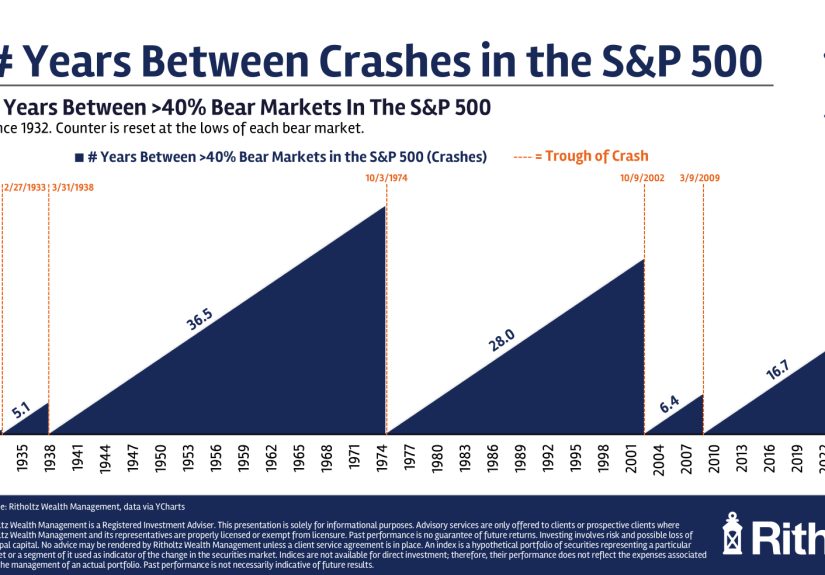
When markets become expensive relative to earnings, cash flows, or realistic growth expectations, a long period of weak returns can bring prices back in line with fundamentals. Sometimes that reset happens quickly through a crash. Other times it happens more slowly through years of sideways action, disappointing returns, and repeated false dawns. That slower adjustment can be especially common after long booms or major valuation bubbles.
In that sense, a long bear market can serve as a “time correction.” Prices do not always have to collapse in one dramatic swoon. Sometimes they simply fail to deliver the returns investors had gotten used to. Expectations come down, enthusiasm cools, and markets eventually become more attractive again.
2. Capital Allocation Improves
In frothy markets, money tends to go everywhere. During tougher markets, money becomes picky. That is usually a good thing. Investors start favoring businesses with durable margins, manageable debt, and real demand rather than vibes, buzzwords, and a logo that looks expensive. Companies also become more disciplined about spending, hiring, and acquisitions.
A long bear market can therefore clean up capital allocation. Weak firms struggle to refinance. Overhyped sectors lose the privilege of endless benefit-of-the-doubt. Better-run businesses gain relative advantage. Capital stops behaving like confetti and starts behaving like, well, capital.
3. Investor Psychology Resets
Nothing cures the belief that “stocks only go up” quite like a long period in which they do not. Extended weakness can break speculative fever. It teaches investors that risk exists, cycles matter, and buying any dip is not a divine right guaranteed by the universe.
That lesson may sound harsh, but some humility is useful. Markets function better when participants respect uncertainty. A healthy fear of overpaying is not bearish doom; it is adult supervision.
The Case Against a Long Bear Market
Now for the other half of the story: the part where economic reality walks in and asks everyone to sit down.
1. Long Bear Markets Hurt More Than Speculators
A prolonged downturn does not just punish the loudest voices on financial TV. It hits retirement accounts, college savings, pension funds, employee stock plans, charitable endowments, and household confidence. When market declines last, the wealth effect can run in reverse. Consumers feel poorer. That matters because spending matters.
A long bear market can also tighten financial conditions well beyond Wall Street. Credit gets scarcer. Businesses postpone expansion. Hiring slows. Risk appetite evaporates. Startups struggle. Even healthy firms may become cautious if demand weakens and financing costs rise.
So while a valuation reset may be necessary in some cases, the broader economic costs can be substantial. A long bear market is not a tidy classroom lesson. It can become a drag on the real economy.
2. Markets Often Fix Excess Faster Than People Think
There is a strange habit in market commentary: assuming that only long suffering counts as cleansing. That is not always true. Some bear markets are short and brutal rather than drawn out. Policy responses, improving earnings expectations, falling inflation, easing rates, or simple overshooting to the downside can change the mood quickly.
The point is not that every downturn should be brief. The point is that duration itself is not a virtue. A market does not become healthier just because it remains miserable longer. Sometimes the necessary repricing happens fast. Sometimes it does not. But “longer” is not automatically “better.”
3. Stocks Usually Recover Before the Economy Feels Great
This is the part that confuses people every cycle. Markets are forward-looking. They often bottom before the economy looks good in the headlines. That means investors waiting for emotional closure may miss the turn. By the time the news feels safe, the market may have already moved.
That is one reason long bear market cheerleading can be dangerous. It can lead people to believe the market owes them a dramatic, neatly labeled final cleansing before recovery begins. Markets do not work like that. They turn when expectations shift, not when everyone receives a formal memo.
So, Do We Need a Long Bear Market?
The honest answer is this: we may need a reset, but we do not necessarily need a long bear market.
If valuations are stretched, leverage is excessive, and earnings expectations are detached from reality, then some repricing is healthy. Markets cannot live on hype alone. They need discipline, selectivity, and a better relationship with fundamentals. But there is a major difference between a useful reset and prolonged destruction.
What the economy really needs is not “pain for pain’s sake.” It needs prices that reflect reality, capital that flows toward productive uses, and financial conditions that do not encourage either mania or paralysis. In some cycles, that may come with a drawn-out market slump. In others, it may come through a sharp drop followed by a recovery. The necessary ingredient is adjustment, not endurance theater.
Think of it this way: if a house is overheating, opening a window helps. Burning the house down is a different strategy.
What Investors Should Learn Instead
Focus on Process, Not Drama
If you are a long-term investor, the real lesson is not to root for or fear a long bear market like it is a movie genre. The lesson is to build a process that can survive one. Diversification, appropriate risk, cash for near-term needs, and realistic expectations matter more than market chest-thumping.
Separate the Market From the Economy
A falling market can signal economic trouble, but it is not the economy itself. Likewise, a rising market does not mean everything is fine for every household or business. Good investing requires holding both truths at once. The market is a powerful indicator, but it is not a complete portrait.
Remember That Recovery Rarely Feels Obvious
The hardest part of a bear market is not the decline. It is the uncertainty. People can handle bad news better than they can handle fog. Yet history shows that recoveries often begin while sentiment is still sour. That is why discipline tends to outperform drama over time.
No, that does not mean every dip should be bought blindly. It means serious investors should resist the temptation to turn every downturn into a morality play. Markets are not trying to teach us life lessons. They are repricing assets under changing expectations.
Experience: What a Long Bear Market Feels Like in Real Life
On paper, a long bear market looks like a chart with dates on the bottom and disappointment on the side. In real life, it feels much messier. It is a slow change in conversation. At first, people say the pullback is healthy. Then they say bargains are everywhere. Then they stop checking their accounts quite so often. Then, one day, they start asking whether “long term” actually means “longer than I emotionally budgeted for.”
For individual investors, the experience is rarely cinematic. It is usually mundane and annoying. A retirement account that looked unstoppable starts moving sideways for months. The dip that seemed “temporary” grows a second dip, then a third, and suddenly the market is doing an impression of a staircase to the basement. People who felt brilliant during the bull run become cautious, and cautious people become frozen. The emotional shift is not dramatic at first. It is repetitive. That is what wears people down.
For workers, a long bear market often shows up before it is officially named. Overtime disappears. Hiring plans get delayed. Bonuses get smaller. Internal meetings contain more phrases like “efficiency,” “discipline,” and “headcount optimization,” which is corporate for “please do more with less and smile politely.” Even people with secure jobs begin acting more defensively. Large purchases get postponed. Vacations shrink. Side hustles suddenly become very attractive.
For founders and business owners, the mood change can be even sharper. In easy markets, capital is available, optimism is abundant, and growth stories get rewarded. In prolonged weak markets, the questions change. Investors want profit visibility, not just potential. Lenders want stronger collateral. Customers delay decisions. Everything takes longer. The same pitch deck that once earned nods now earns a squint. A long bear market has a way of turning “vision” into “show me.”
Even experienced investors describe these periods less as moments of panic and more as exercises in patience. The first year feels survivable. The second feels personal. A short bear market is a storm. A long one is weather. It begins to affect assumptions. Younger investors start questioning whether the market is worth the trouble. Older investors become more sensitive to sequence-of-returns risk. Everyone becomes a little more interested in income, resilience, and whether cash might actually have a personality after all.
And yet, this is also where some of the most valuable experience is formed. Long bear markets teach the difference between conviction and stubbornness. They reveal whether your portfolio matches your stated risk tolerance or just your bull-market personality. They push investors to ask better questions: How much volatility can I really handle? Do I own quality assets or just popular ones? Am I investing with a plan or just participating in a trend with excellent branding?
The strangest part is that, while living through a long downturn feels endless, people often look back on it later as the period that clarified everything. Expensive illusions got cheaper. Weak ideas got exposed. Strong habits got built. Investors who kept saving, kept rebalancing, and kept their time horizon intact often discovered that the most uncomfortable periods were also the ones that most improved their discipline.
So the experience of a long bear market is not just about loss. It is about compression. Expectations compress. Valuations compress. Confidence compresses. But so does nonsense. The noise fades. The difference between fragile and durable becomes easier to see. It is unpleasant, yes. Sometimes deeply so. But it also strips the market down to first principles. And when the cycle finally turns, the investors, companies, and households that stayed thoughtful rather than theatrical are usually in far better shape than the people who treated every headline like prophecy.
Conclusion
Do we need a long bear market? Sometimes markets need correction, repricing, and a serious attitude adjustment. But a prolonged downturn is not automatically healthy just because it hurts. It can restore discipline, yes, but it can also impose real economic costs that spread far beyond speculative excess.
The better question is not whether we need a long bear market. It is whether prices, expectations, and capital allocation need to return to reality. Sometimes that process takes time. Sometimes it happens violently and ends faster than expected. Either way, the goal is not suffering. The goal is a healthier foundation for the next cycle.
Markets do not need punishment. They need balance. Investors do not need drama. They need discipline. And the economy does not need a heroic amount of pain just to prove a point.