Table of Contents >> Show >> Hide
- Why Blueberries Keep Showing Up in Health Videos
- What Makes Blueberries Nutritious?
- Blueberry Health Benefits Worth Talking About
- Fresh, Frozen, Wild, or Cultivated: Does It Matter?
- Best Ways to Eat Blueberries for Health Benefits
- What a Blueberry Health Video Should Not Overpromise
- Who Should Be a Little Careful?
- Conclusion
- Everyday Experiences Related to Blueberry Health Benefits
- SEO Tags
If there were an awards show for tiny foods with very good publicists, blueberries would absolutely arrive in a tailored navy tux and leave with at least three trophies. They are small, sweet, easy to toss into oatmeal, and somehow always described with words like “superfood,” “antioxidants,” and “brain-friendly.” That sounds impressive, but what do those claims really mean?
This article breaks down the real story behind a video on blueberry health benefits in plain American English. No magic-bean nonsense. No pretending one handful of berries will suddenly turn your life into a wellness documentary with soft lighting and excellent posture. Instead, we will look at what blueberries contain, why nutrition experts keep bringing them up, and how they may support heart health, brain health, digestion, blood sugar balance, and more when they are part of an overall balanced eating pattern.
The short version: blueberries are nutrient-dense, low in calories, rich in fiber and helpful plant compounds, and flexible enough to fit into breakfast, snacks, smoothies, salads, and desserts. That is a pretty good résumé for a fruit the size of a shirt button.
Why Blueberries Keep Showing Up in Health Videos
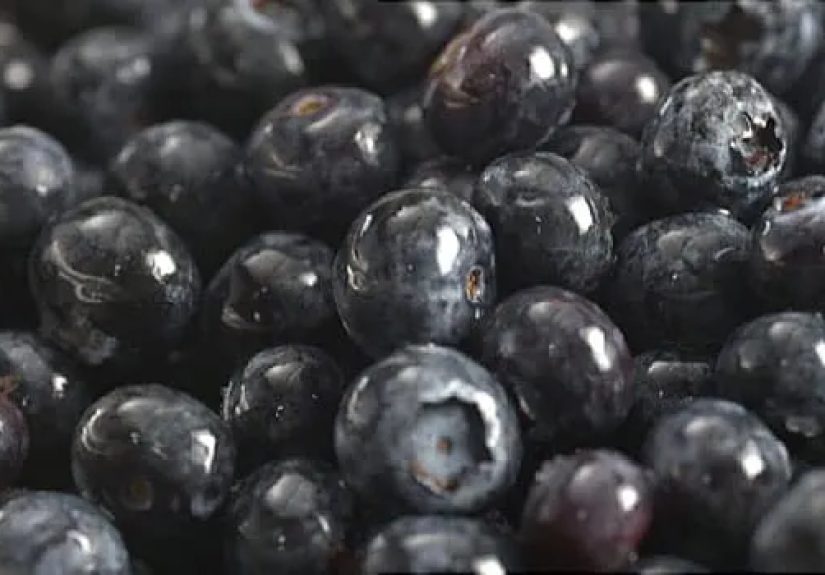
A good video on blueberry health benefits usually focuses on one big idea: blueberries deliver a lot of nutrition for not many calories. A cup of blueberries is relatively low in calories and gives you fiber, vitamin C, vitamin K, manganese, and naturally occurring plant compounds called polyphenols. The best-known polyphenols in blueberries are anthocyanins, which are the pigments that give the berries their deep blue-purple color.
Translation: that dramatic blueberry color is not just for show. It signals the presence of compounds researchers continue to study for their antioxidant and anti-inflammatory effects. These compounds do not make blueberries a cure-all, but they do help explain why the fruit is often associated with benefits for cardiovascular health, cognition, and metabolic health.
Blueberries also score points for convenience. They require no peeling, no slicing, and no emotional commitment. You rinse them, eat them, and carry on with your day feeling oddly accomplished.
What Makes Blueberries Nutritious?
1. Anthocyanins and Other Polyphenols
Anthocyanins are the star compounds in blueberries. These flavonoids help protect the plant, and in humans they are being studied for potential roles in supporting blood vessel function, reducing oxidative stress, and helping the body manage inflammation. This is one reason blueberries are regularly linked with heart and brain health in both nutrition media and scientific reviews.
Important reality check: antioxidants are helpful, but they are not fairy dust. The biggest benefits appear when anthocyanin-rich foods are eaten consistently as part of a diet that also includes vegetables, whole grains, beans, nuts, and other fruit.
2. Fiber
Blueberries contain dietary fiber, which helps support digestion, fullness, and overall metabolic health. Fiber slows digestion, which can help with satiety after meals. It also supports a healthy gut environment and may help with cholesterol management as part of a fiber-rich diet.
This matters because many people want foods that are sweet but not nutritionally empty. Blueberries fit that role nicely. They bring sweetness, but they also bring substance.
3. Vitamin C, Vitamin K, and Manganese
Blueberries are a source of vitamin C, which supports immune function and collagen production. They also provide vitamin K, which plays a role in bone health and normal blood clotting, and manganese, a mineral involved in metabolism and other normal body processes. In other words, blueberries are not just a pretty topping for pancakes. They actually contribute useful nutrients.
Blueberry Health Benefits Worth Talking About
Heart Health Support
One of the most talked-about blueberry health benefits is cardiovascular support. Research on berries and anthocyanin-rich foods suggests they may help support heart health by improving blood vessel function and helping the body manage inflammation and oxidative stress. Some studies have also linked regular berry intake with better blood pressure patterns and lower cardiovascular risk.
Now for the part the internet sometimes forgets to mention: blueberries are not a replacement for exercise, blood pressure treatment, or a generally heart-healthy diet. They are more like a smart supporting actor than the entire cast. Add them to a diet rich in fruits, vegetables, lean proteins, beans, nuts, and whole grains, and they start to make more sense.
Brain and Memory Benefits
If your brain had a wish list, colorful berries would probably be on it. Research highlighted by major health organizations has associated berry intake with better cognitive aging and memory support. Scientists are especially interested in how flavonoids may help brain cell signaling and protect against damage linked with aging.
That does not mean eating blueberries once will make you remember every password you have forgotten since 2014. It does mean that regularly eating berries may be one practical habit that supports brain health over time, especially when combined with sleep, movement, stress management, and not trying to survive on energy drinks alone.
Blood Sugar and Metabolic Health
Because blueberries contain fiber and plant compounds, they may fit well into eating patterns designed to support metabolic health. Research reviews have linked blueberry and anthocyanin intake with potential benefits related to insulin sensitivity and glucose control. That said, blueberries still contain natural sugars, so portion awareness matters for people closely managing blood sugar.
The good news is that whole blueberries are very different from blueberry-flavored pastries the size of a hubcap. A bowl of berries with yogurt is one thing. A jumbo blueberry muffin with enough sugar to make your dentist flinch is another thing entirely.
Digestive and Gut Health
Fiber helps keep digestion moving and supports beneficial gut bacteria. Blueberries can contribute to daily fiber intake in a way that feels easy, portable, and snack-friendly. For people trying to eat more whole plant foods, blueberries are a low-drama addition.
They are especially useful for anyone who wants a sweet option that is less processed than candy, cookies, or snack bars pretending to be health food while wearing a halo made of marketing language.
Recovery, Inflammation, and Active Lifestyles
Some research has explored whether blueberries may help support exercise recovery because of their antioxidant and anti-inflammatory compounds. The evidence is still developing, but blueberries are a sensible food for active people because they provide carbohydrates for energy, water, and beneficial plant compounds without being heavy or hard to digest.
That makes them a practical addition to smoothies, post-workout yogurt bowls, or oatmeal after a morning walk, bike ride, or gym session you would like everyone to know you completed.
Skin and Immune Support
Blueberries are not a miracle skin treatment, but their vitamin C content contributes to normal collagen formation, and their polyphenols may help protect cells from oxidative stress. That makes them a useful part of an overall diet that supports healthy skin and immune function.
Again, the keyword is part. Skin health is built from hydration, sleep, overall nutrient intake, sun protection, and genetics. Blueberries are helpful teammates, not cosmetic surgeons.
Fresh, Frozen, Wild, or Cultivated: Does It Matter?
One reason blueberries are so useful is that they are available in several forms. Fresh blueberries are great when they are in season. Frozen blueberries are a fantastic option the rest of the year and can be just as nutritious. In fact, frozen fruit can be especially practical because it is picked and processed close to harvest, lasts longer, and is ready whenever your smoothie blender starts making demands.
Wild and cultivated blueberries both bring nutritional value. Wild blueberries are often smaller and can have a different flavor and anthocyanin profile, while cultivated blueberries are larger and easier to find in many grocery stores. For most people, the better option is simply the one they will actually eat consistently.
That is the nutrition truth nobody puts on a billboard: the healthiest blueberry is the one that does not rot in the back of your fridge while you pretend you are definitely going to make a parfait later.
Best Ways to Eat Blueberries for Health Benefits
If your goal is to get the most from blueberry nutrition, aim for simple pairings:
- Sprinkle them over oatmeal or overnight oats.
- Add them to plain or lightly sweetened yogurt.
- Blend them into a smoothie with Greek yogurt, spinach, and a nut butter.
- Toss them into a salad with nuts and a vinaigrette.
- Eat them with cottage cheese for a protein-and-fiber snack.
- Freeze them for a cold treat that feels suspiciously like dessert.
The smartest move is to keep the rest of the meal in mind. Blueberries paired with protein or healthy fat may be more satisfying than blueberries eaten alone. That can help with fullness and make your snack feel less like a brief romantic encounter and more like an actual meal component.
What a Blueberry Health Video Should Not Overpromise
A trustworthy video on blueberry health benefits should avoid exaggerated claims. Blueberries do not detox your body in some mystical sense. Your liver and kidneys already have that job, and frankly they deserve more appreciation. Blueberries also do not prevent all disease, reverse aging, or erase the effects of a diet built on drive-thru meals and wishful thinking.
What they can do is support a healthy eating pattern. They may contribute to better heart health, brain health, digestion, and overall nutrient intake. They are one smart choice among many, which is exactly how real nutrition works. It is usually less dramatic than social media wants and more useful than marketing deserves.
Who Should Be a Little Careful?
Most people can enjoy blueberries regularly. However, anyone managing a medical condition, following a specialized diet, or taking medications affected by vitamin K intake should talk with a healthcare professional about their overall diet. People with fruit allergies, digestive sensitivities, or blood sugar concerns may also want to pay attention to portion size and context.
For everyone else, blueberries are one of the easier healthy habits to adopt. They require far less commitment than training for a marathon and far fewer dishes than homemade cauliflower anything.
Conclusion
Blueberries have earned their healthy reputation, even if the internet occasionally dresses that reputation in sequins and overstatements. They are low in calories, naturally sweet, and rich in fiber, vitamin C, and anthocyanin compounds that may support heart, brain, and metabolic health. Fresh or frozen, wild or cultivated, blueberries are a practical way to add more nutrient-dense plant foods to your routine.
If you are creating or searching for a video on blueberry health benefits, the best message is also the most realistic one: blueberries are not magic, but they are genuinely useful. Add them to meals you already enjoy, pair them with other whole foods, and let consistency do the glamorous work. That is less flashy than a miracle claim, but much more likely to help.
Everyday Experiences Related to Blueberry Health Benefits
One reason blueberry content performs so well online is that people do not just read about the fruit. They recognize it from real life. Blueberries show up in lunch boxes, smoothie cups, breakfast bowls, and grocery carts in a way that makes nutrition advice feel less abstract. Telling someone to “consume more flavonoid-rich produce” sounds like a line from a robot dietitian. Telling them to throw a handful of blueberries on their cereal feels doable before 8 a.m., which is the hour when most people are capable of exactly three decisions.
A common experience is the breakfast upgrade. Someone who usually eats toast or a granola bar starts adding blueberries to oatmeal or yogurt and notices the meal feels more filling, fresher, and just generally more grown-up. Not in a boring way. In a “look at me, making a breakfast with color” way. That tiny visual change often leads to bigger behavior shifts, because colorful, whole foods tend to encourage better choices throughout the day.
Then there is the frozen blueberry crowd, and honestly, they deserve a standing ovation. Frozen blueberries save people from the classic fresh-berry tragedy: buying a beautiful container with excellent intentions, then discovering a fuzzy science experiment four days later. Keeping a bag in the freezer makes healthy eating easier. You can add berries to smoothies, warm them into oatmeal, or stir them into chia pudding without needing perfect timing or a detailed produce strategy.
Parents also talk about blueberries as one of the easier “healthy foods” to win with kids. They are sweet, bite-sized, and fun to eat by the handful. That matters. Not every nutritious food gets to be adorable. Blueberries do. They can turn plain yogurt into something more appealing, make pancakes feel more wholesome, and rescue snack time from becoming a procession of crackers shaped like cartoon animals.
Another familiar experience is the sweet-tooth compromise. A lot of people want dessert after dinner but do not necessarily want the crash that follows giant portions of ultra-processed sweets. Blueberries can help bridge that gap. Paired with dark chocolate, yogurt, cottage cheese, or even a little whipped ricotta, they feel indulgent without turning the evening into a sugar roller coaster wearing sweatpants.
People who exercise regularly often mention blueberries as a low-effort recovery food. They are easy to digest, hydrating, and simple to combine with protein after a workout. No one is saying blueberries replace an entire recovery plan, but they are an easy win. And easy wins matter, especially when your legs are sore and your motivation is being held together by one playlist and sheer stubbornness.
There is also a practical, emotional side to blueberry habits. Healthy eating becomes more sustainable when foods feel enjoyable instead of medicinal. Blueberries bring color, texture, and sweetness without demanding culinary heroics. You do not need a spiralizer, a dehydrator, or a personality built around meal prep. You need a bowl, maybe a spoon, and the willingness to make one decent choice in the middle of a chaotic day.
That may be the most compelling real-world benefit of all. Blueberries make healthy eating feel approachable. They are simple enough for busy mornings, flexible enough for different diets, and pleasant enough that people actually come back to them. In nutrition, that is huge. A food does not need to be trendy, expensive, or wrapped in promises. Sometimes it just needs to be good, easy, and repeatable. Blueberries check all three boxes without making a fuss about it.