Table of Contents >> Show >> Hide
- First, a quick reality check: “Ignore” doesn’t mean “Pretend you’re made of stone”
- The mindset that makes ignoring actually work
- Easy Ways to Ignore Someone Who Hurt You: 11 Steps
- 1) Decide what “ignore” means for you (and write it down)
- 2) Stop feeding the algorithm of your heartbreak
- 3) Replace impulsive replying with a “pause ritual”
- 4) Use the “Grey Rock” vibe when you can’t avoid them
- 5) Prepare “scripts” so you don’t freestyle under stress
- 6) Interrupt rumination with a “pattern break”
- 7) Journal like a detective, not a prosecutor
- 8) Build a “support filter” so you don’t relapse into texting them
- 9) Upgrade your boundaries from “idea” to “system”
- 10) Redefine “closure” (because some people never hand it to you)
- 11) Know when to get extra help (because strength includes support)
- Common obstacles (and how to handle them without losing your mind)
- Conclusion: Ignoring is a skillyour peace is the payoff
- Experiences People Share After They Finally Start Ignoring the Person Who Hurt Them
Ignoring someone who hurt you sounds simple until your brain decides to replay the entire situation like it’s competing for an Emmy.
One minute you’re “fine,” the next you’re crafting a 12-paragraph comeback in your Notes app titled Final_Final2_ACTUALLYFINAL.
Here’s the truth: learning how to ignore someone who hurt you isn’t about winning a cold-war vibe contest.
It’s about protecting your peace, setting boundaries, and moving on without donating free emotional labor to someone who didn’t treat you well.
This guide gives you 11 practical stepsno drama, no keyword-stuffing, no robotic “Dear Reader” energy.
First, a quick reality check: “Ignore” doesn’t mean “Pretend you’re made of stone”
Healthy ignoring is a boundary. It’s choosing not to engage with someone who’s unsafe, disrespectful, manipulative, or simply not good for your mental health.
It’s not the silent treatment used to punish a partner or control someone. If you’re in an ongoing relationship that matters and feels safe,
communication usually beats disappearing acts.
Also: if the person who hurt you is abusive or you feel physically unsafe, the “ignore them” plan may need extra supportsafety planning,
professional help, and trusted people in your corner. Your well-being comes first, always.
The mindset that makes ignoring actually work
Ignoring doesn’t work when it’s fueled by revenge. Revenge has terrible battery lifeit burns hot, drains fast, and leaves you staring at your emotional
“low power mode” screen at 2 a.m.
Ignoring works when your goal is peace. Peace means:
- Less rumination (the mental hamster wheel).
- Clearer boundaries (what you will and won’t accept).
- More self-respect (you don’t chase closure from people who caused the wound).
With that, let’s get into the 11 steps.
Easy Ways to Ignore Someone Who Hurt You: 11 Steps
1) Decide what “ignore” means for you (and write it down)
“Ignore” can be no contact, low contact, or business-only contact. If you don’t define it,
your emotions will define it for you… and your emotions are currently running on espresso and betrayal.
Try this mini-contract:
“For the next 30 days, I will not initiate contact. If contact is unavoidable, I’ll keep it brief and neutral.”
Writing it down makes it real. Your brain loves loopholes; ink closes loopholes.
2) Stop feeding the algorithm of your heartbreak
If you keep watching their Stories, re-reading old texts, or “accidentally” checking their profile (for research, obviously),
you’re basically training your attention to orbit them. That’s not ignoringthat’s unpaid subscription content.
Practical moves:
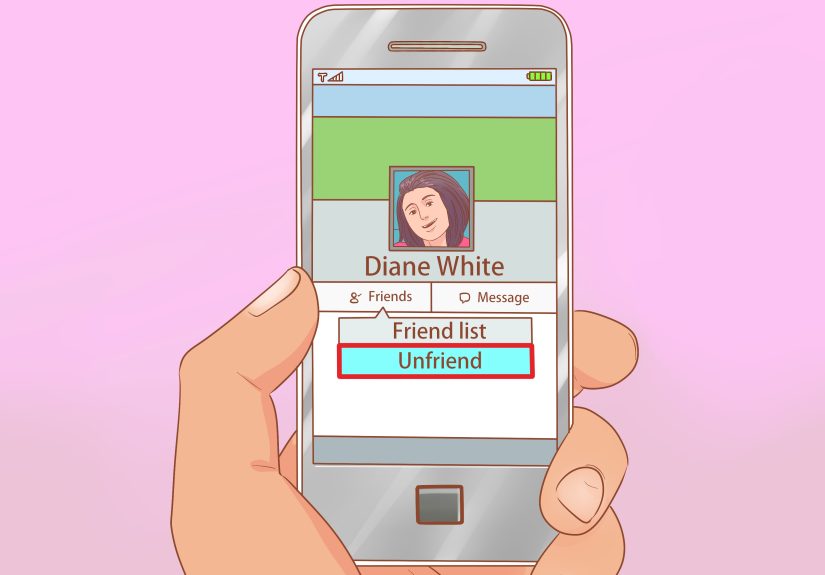
- Mute/unfollow/block as needed (yes, even temporarily).
- Archive photos and chats instead of deleting if you’re not readyout of sight still helps.
- Remove them from “close friends” lists and shared albums.
Ignoring someone who hurt you often starts with ignoring the digital breadcrumbs that pull you back in.
3) Replace impulsive replying with a “pause ritual”
The fastest way to undo your progress is responding while you’re activatedangry, sad, triggered, or fueled by the audacity.
So create a short ritual that buys you time.
Example “pause ritual” (30–90 seconds):
- Put the phone down.
- Take three slow breaths.
- Say: “Responding is optional.”
- Do one tiny physical action (stand up, stretch, drink water).
You’re not ignoring because you’re weak. You’re ignoring because you’re wise enough not to light yourself on fire to prove you’re warm.
4) Use the “Grey Rock” vibe when you can’t avoid them
If you share a workplace, friend group, or family events, complete no contact may be unrealistic.
That’s where a “be boring on purpose” strategy helps. Think: calm tone, minimal detail, no emotional hooks.
What it looks like:
- Short responses: “Got it.” “Thanks.” “I’ll follow up.”
- No personal updates: you’re not giving them a backstage pass to your life.
- No debate: you don’t argue with a storm cloud; you bring an umbrella and keep walking.
This protects you from getting pulled into old dynamics while still functioning like an adult in shared spaces.
5) Prepare “scripts” so you don’t freestyle under stress
When you’re caught off guard, your mouth may choose chaos. Scripts keep you steady.
Three scripts you can steal:
- Polite exit: “I’ve got to runtake care.”
- Boundary reset: “I’m not available for that conversation.”
- Redirect: “Let’s keep this focused on what we need to decide.”
Say it once, repeat if needed, then disengage. Boundaries don’t require a courtroom-level closing argument.
6) Interrupt rumination with a “pattern break”
If you’re trying to ignore someone who hurt you but your brain keeps re-litigating the case, you’re not brokenyou’re ruminating.
Rumination feels productive (“I’m processing!”) but often turns into a mental treadmill (“I’m spiraling!”).
Pattern breaks that work in real life:
- Change location: move rooms, step outside, take a short walk.
- Hands busy: dishes, laundry, a puzzle, a workoutanything concrete.
- Timer technique: give yourself 10 minutes to journal it, then stop.
You’re teaching your mind: “We can feel this… and still move forward.”
7) Journal like a detective, not a prosecutor
Journaling isn’t for crafting the perfect villain monologue. It’s for clarity.
Try prompts that produce insight instead of more rage:
- “What boundary did they cross?”
- “What did I tolerate that I won’t tolerate again?”
- “What am I afraid will happen if I fully let go?”
- “What would ‘moving on’ look like in one tiny action today?”
This turns pain into information. And information is powerquiet, steady power.
8) Build a “support filter” so you don’t relapse into texting them
Most people don’t break no contact because they suddenly think, “I love chaos.”
They break it because they feel lonely, nostalgic, guilty, or tempted to seek closure.
Create a support filter:
- Pick 1–2 friends you can text when you feel the urge.
- Ask them to respond with a simple reality check: “Do you want peace or more pain?”
- Plan one weekly thing that anchors yougym class, coffee with a friend, hobby night.
You’re replacing the habit of reaching for them with the habit of reaching for you.
9) Upgrade your boundaries from “idea” to “system”
Boundaries aren’t just emotional. They’re logistical.
A system makes ignoring easier because it reduces decision fatigue.
Examples:
- Don’t sit near them at group events (choose a different seat before they arrive).
- Don’t talk about them with mutual friends (one polite line: “I’m not discussing it.”).
- Set phone rules (no texting after 9 p.m. when your willpower is asleep).
You’re not being dramatic. You’re being strategic.
10) Redefine “closure” (because some people never hand it to you)
Closure is often sold like a fancy spa package: “Just talk it out and you’ll feel amazing!”
In reality, sometimes the person who hurt you won’t apologize, won’t understand, and won’t suddenly become emotionally fluent.
So you create closure:
- Accept: “This happened. I didn’t deserve it.”
- Decide: “This is what I do next.”
- Release the fantasy: “They may never become the person I hoped they were.”
Ignoring becomes easier when you stop waiting for them to make it make sense.
11) Know when to get extra help (because strength includes support)
If the hurt keeps hijacking your sleep, appetite, focus, or daily functioningor if there’s trauma, abuse, or persistent anxietysupport can help a lot.
Therapy, counseling, or a support group can give you tools for emotional regulation, boundary setting, and rebuilding trust in yourself.
Ignoring someone who hurt you is sometimes less about willpower and more about healing the wound they touched.
Common obstacles (and how to handle them without losing your mind)
“But what if they think I’m rude?”
You can be polite and still be unavailable. Rudeness is hostility; boundaries are clarity.
A brief, neutral responseor no response at allcan be completely appropriate when someone hurt you.
“We have mutual friends. It’s awkward.”
Yes. Adults call this “Tuesday.”
Keep it simple: don’t recruit friends into the conflict, don’t ask for updates, and don’t vent in group chats.
If needed, step back from shared spaces for a season. Healing loves a little breathing room.
“I keep imagining what I should’ve said.”
That’s your brain trying to regain control after feeling powerless.
Give it one structured outlet (journal, voice note, therapy session), then redirect.
Remember: you don’t need the perfect line to move onyou need the next right step.
Conclusion: Ignoring is a skillyour peace is the payoff
Learning how to ignore someone who hurt you is less about acting unbothered and more about becoming unbotherable.
You’re choosing boundaries over chaos, self-respect over chasing, and healing over re-opening the same wound.
Start with one step todaymute, script, pause ritual, or a clean boundaryand let the momentum build.
Experiences People Share After They Finally Start Ignoring the Person Who Hurt Them
To make this extra practical, here are a few real-world patterns people commonly describe when they practice “healthy ignoring.”
These are composite-style experiences (meaning: no single person’s story, just the themes that show up again and again).
Experience #1: The “I blocked them and felt guilty… then I slept.”
A lot of people say the first boundary feels like a moral crisis. They’ll mute or block an ex and immediately think,
“Am I being mean?” What usually happens next is surprising: their nervous system calms down.
No more jump-scare notifications. No more micro-dose stress from checking the phone. Within a few days,
they notice their sleep improves or their stomach unclenches. The guilt doesn’t vanish instantly, but it gets replaced by something steadier:
relief. The lesson they learn is simpleyour body often knows the truth before your brain writes an essay about it.
Experience #2: The coworker who pokes for a reaction… and gets bored.
In workplaces, “hurt” doesn’t always look like betrayalit can look like snide comments, passive-aggressive emails,
or someone constantly trying to pull you into drama. People who try the grey rock style often report an awkward first week:
they feel robotic, like they’re playing a character named “Neutral Brenda.” But then something shifts.
When they stop providing emotional energyno defending, no explaining, no reactingthe instigator has less to work with.
Not every difficult person disappears, but the dynamic changes. The person practicing neutrality feels more in control,
and that control is addictive in a healthy way.
Experience #3: The “I miss them” wave that hits at 10:47 p.m.
Many people don’t miss the personthey miss the habit. Nighttime is when loneliness gets a microphone.
They describe lying in bed, remembering the good moments, and feeling tempted to text “Hey.”
The people who succeed long-term usually build a replacement routine: a late-night walk, a comfort show,
journaling for ten minutes, texting a friend, or even putting the phone across the room like it owes them money.
Over time, the urge still visits, but it doesn’t move in.
Experience #4: Family situations where “ignoring” means “changing access.”
When the hurt comes from family, ignoring can’t always be a full exit. People often describe shifting from deep, emotional conversations
to lighter, safer topics. They stop volunteering personal information. They shorten visits.
They learn that boundaries with family can look like: “I love you, and I’m not discussing that,” then changing the subject.
At first, this feels unnaturallike you’re breaking a rule. Later, it feels like adulthood.
Experience #5: The moment they realize they’re not thinking about the person… at all.
This one sneaks up. Someone will be driving, laughing at a podcast, making dinner, or having a genuinely good day
and suddenly realize: “Wait. I haven’t thought about them in hours.” That realization can be emotionalsometimes joyful,
sometimes bittersweet. But it proves something important: ignoring isn’t a switch; it’s a practice.
The brain rewires through repetition. Each time they choose a boundary, choose a pause, choose a pattern break,
they’re voting for a life that isn’t centered around the person who hurt them.
If you’re early in the process, don’t measure progress by “Do I feel nothing?”
Measure it by: “Did I protect my peace today?” That’s the skill. That’s the win.