Table of Contents >> Show >> Hide
- What Are Eco-friendly Cleaning Products?
- Why Eco-friendly Cleaning Products Matter
- How to Choose Truly Eco-friendly Cleaning Products
- Best Types of Eco-friendly Cleaning Products for the Home
- DIY Eco-friendly Cleaning: Helpful, But Know the Limits
- Ingredients to Approach With Caution
- How to Build an Eco-friendly Cleaning Kit
- Eco-friendly Cleaning Habits That Make Products Work Better
- Common Greenwashing Claims to Watch
- Are Eco-friendly Cleaning Products More Expensive?
- Real-life Experiences With Eco-friendly Cleaning Products
- Conclusion
Eco-friendly cleaning products used to feel like the “sensible shoes” of the cleaning aisle: responsible, slightly boring, and maybe not quite ready to fight the mysterious sauce fossilized on your stovetop. Not anymore. Today’s greener cleaners can scrub, degrease, deodorize, polish, and rescue your bathroom from looking like a science experimentwithout relying on harsh formulas, vague marketing claims, or enough synthetic fragrance to make your laundry room smell like a tropical thunderstorm.
But here is the catch: not every bottle with a leaf on the label deserves a standing ovation. “Green,” “natural,” “plant-based,” and “eco-friendly” are popular phrases, but they do not automatically prove a cleaner is safer, more sustainable, or better for your home. A truly eco-conscious cleaning product should combine effective performance, safer ingredients, transparent labeling, responsible packaging, and clear third-party verification when possible. In other words, the best green cleaner is not just kind to the planetit also has to clean your counters after taco night.
This guide breaks down what eco-friendly cleaning products really are, how to choose them, which ingredients and labels matter, and how to build a greener cleaning routine that works in real life.
What Are Eco-friendly Cleaning Products?
Eco-friendly cleaning products are household cleaners designed to reduce harm to human health and the environment throughout their life cycle. That includes what goes into the formula, how the ingredients behave after use, how the product is packaged, how concentrated it is, and whether the company backs up its claims with evidence.
A good eco-friendly cleaner may use biodegradable surfactants, plant-derived solvents, mineral-based ingredients, fragrance-free formulas, refillable packaging, or concentrated tablets that cut down on shipping weight. However, the word “natural” should not be treated like a magic safety spell. Poison ivy is natural. So is a skunk’s defensive strategy. Nature has range.
The smarter approach is to look for products that explain their environmental benefits clearly. Does the label say the bottle uses 75% less plastic? Does it identify biodegradable ingredients? Does it carry a recognized certification? Does the brand publish a full ingredient list? Specific claims are much more useful than fluffy promises like “earth-loving,” “pure,” or “green clean vibes.”
Why Eco-friendly Cleaning Products Matter
They Can Reduce Exposure to Harsher Chemicals
Many conventional cleaning products are safe when used exactly as directed, but some formulas may contain ingredients that irritate the skin, eyes, throat, or lungsespecially in small rooms with poor airflow. Fragranced sprays, strong degreasers, ammonia-based glass cleaners, bleach products, and certain solvent-heavy cleaners can contribute to indoor air concerns when overused or mixed improperly.
Eco-friendly cleaning products are often designed to avoid ingredients of higher concern, reduce volatile organic compound emissions, and make ingredient choices easier to understand. Fragrance-free green cleaners can be especially helpful for households with asthma, allergies, pets, babies, or anyone whose nose files a complaint every time “Ocean Breeze Explosion” enters the room.
They Help Protect Waterways
What goes down the drain does not vanish into a cleaning-product fairyland. After rinsing, residues may enter wastewater systems. Ingredients that are slow to biodegrade or toxic to aquatic life can create environmental concerns. Greener formulas typically aim to use biodegradable surfactants and lower-impact ingredients that break down more responsibly after use.
They Can Cut Plastic Waste
Eco-friendly cleaning is not only about the liquid inside the bottle. Packaging matters too. Refill pouches, concentrates, dissolvable tablets, powder cleaners, reusable spray bottles, and bulk refill systems can reduce single-use plastic. A tiny cleaning tablet shipped in a paper sleeve is not perfect, but it usually avoids transporting a full bottle of mostly water across the countrywhich is basically mailing a puddle with branding.
How to Choose Truly Eco-friendly Cleaning Products
1. Look for Recognized Certifications
Third-party certifications are helpful because they reduce the guesswork. The EPA Safer Choice label identifies products that meet criteria for safer chemical ingredients and performance. The EPA Design for the Environment label applies to certain antimicrobial products, such as disinfectants and sanitizers. Green Seal and UL ECOLOGO evaluate products using environmental and health-related standards. USDA Certified Biobased labeling helps identify products made with a verified amount of renewable biological ingredients.
These labels are not identical, but they are more meaningful than a random green leaf icon created by the packaging designer five minutes before lunch.
2. Read the Ingredient List
Ingredient transparency is one of the clearest signs of a trustworthy cleaner. A strong label tells you what is in the product and often explains what those ingredients do. For example, surfactants help lift grease and dirt, enzymes break down stains, acids such as citric acid can help remove mineral buildup, and solvents help dissolve oily messes.
Be cautious with products that hide behind vague terms. “Fragrance” may include many undisclosed components. “Plant-based” may describe only part of the formula. “Non-toxic” is appealing but should be supported by testing, certification, or detailed ingredient disclosure.
3. Decide Whether You Need Cleaning or Disinfecting
Cleaning and disinfecting are not the same thing. Cleaning removes dirt, grease, crumbs, and many germs from surfaces. Disinfecting uses an antimicrobial product to kill specific germs listed on the label. Most daily household messes need cleaning, not a disinfectant foghorn.
For routine counters, sinks, tables, and floors, a good all-purpose cleaner or soap-based solution is usually enough. Disinfectants are better reserved for situations such as illness in the home, raw meat contamination, bathroom germ hotspots, or other high-risk messes. When disinfecting is necessary, follow the label’s contact time. Spraying and instantly wiping is like inviting the disinfectant to a job interview and then not letting it speak.
4. Avoid Mixing Cleaning Products
Eco-friendly or not, cleaning products should not be mixed unless a label specifically says it is safe. Bleach should never be mixed with ammonia, vinegar, acids, or other cleaners. Combining products can release dangerous vapors. The same warning applies to DIY experiments that look clever online but belong in the “please do not turn your bathroom into a chemistry lab” category.
5. Choose Concentrates and Refills When Practical
Concentrated cleaners are one of the easiest upgrades. They reduce packaging, shipping weight, and storage clutter. A refill tablet or concentrate added to water in a reusable spray bottle can replace multiple single-use bottles over time. This is especially useful for all-purpose spray, glass cleaner, bathroom cleaner, hand soap, laundry detergent, and dish soap.
Best Types of Eco-friendly Cleaning Products for the Home
Eco-friendly All-purpose Cleaners
An all-purpose cleaner is the everyday hero of green cleaning. Use it on sealed counters, tables, appliance exteriors, painted surfaces, and general spills. Look for biodegradable surfactants, clear ingredients, and fragrance-free or naturally scented options. Concentrated versions are excellent for households that clean often and do not want a plastic bottle graveyard under the sink.
Green Dish Soaps
Dish soap should cut grease without leaving a heavy scent or harsh residue. Plant-derived surfactants, dye-free formulas, and refill options are common in eco-friendly dish soaps. A strong dish soap also doubles as a simple cleaner for many surfaces when diluted with water. That little bottle near the sink is basically the utility player of the kitchen.
Eco-friendly Laundry Detergents
Laundry detergent is a major opportunity for greener choices because many households use it several times a week. Look for concentrated formulas, powder detergents, detergent sheets, or refill systems. Fragrance-free laundry detergent is often the safer bet for sensitive skin. Cold-water performance is another plus because washing in cold water can help reduce household energy use.
Bathroom Cleaners
Bathrooms need products that handle soap scum, hard-water spots, toothpaste blobs, and whatever happens behind the faucet. Citric acid and lactic acid are common in lower-impact bathroom cleaners because they help dissolve mineral deposits. For mold or heavy mildew, read labels carefully and use proper ventilation. A greener bathroom cleaner still needs time to work, so spray, wait, scrub, and resist the urge to panic-clean at lightning speed.
Glass and Window Cleaners
Eco-friendly glass cleaners often use plant-based alcohols, vinegar, or mild surfactants. The goal is a streak-free finish without overpowering fumes. For best results, use a washable microfiber cloth, lint-free cotton cloth, or reusable Swedish dishcloth. Spraying less product also helps; windows need a light mist, not a monsoon.
Floor Cleaners
The right floor cleaner depends on your surface. Sealed hardwood, tile, laminate, stone, and vinyl do not all want the same treatment. Choose pH-appropriate cleaners and avoid over-wetting floors. Concentrated floor cleaners can be budget-friendly and reduce plastic waste, but always measure properly. More cleaner does not mean more clean; sometimes it just means sticky socks.
DIY Eco-friendly Cleaning: Helpful, But Know the Limits
DIY cleaning can be affordable and effective for simple tasks. White vinegar can help with mineral deposits and soap scum. Baking soda is useful as a gentle abrasive. Castile soap can clean many surfaces. Lemon juice can freshen cutting boards and help with mild stains. Hydrogen peroxide can be useful for some stain and sanitizing tasks when used correctly.
But DIY is not automatically safer or better. Vinegar can damage natural stone, rubber seals, and some finishes. Baking soda can scratch delicate surfaces. Essential oils can irritate skin, trigger sensitivities, and may be unsafe for some pets. Most DIY mixtures are cleaners, not registered disinfectants. If someone in the house is sick or you need to disinfect after raw poultry prep, use an appropriate disinfectant and follow the label.
Ingredients to Approach With Caution
You do not need a chemistry degree to shop smarter, but a little label awareness helps. Consider avoiding or minimizing cleaners with vague fragrance blends, unnecessary dyes, high levels of harsh solvents, chlorine bleach for routine everyday cleaning, ammonia in poorly ventilated spaces, and antibacterial ingredients when plain cleaning is enough.
Also be careful with “miracle” products that promise to clean, disinfect, deodorize, polish, protect, repel dust, save your marriage, and make your toaster respect you. Multi-benefit claims can be useful, but the broader the promise, the more carefully you should read the label.
How to Build an Eco-friendly Cleaning Kit
You do not need thirty-seven bottles to have a clean home. A smart green cleaning kit can be simple:
- One eco-friendly all-purpose cleaner or concentrate
- One dish soap with transparent ingredients
- One bathroom cleaner for soap scum and mineral buildup
- One glass cleaner or vinegar-based glass solution for appropriate surfaces
- One fragrance-free laundry detergent
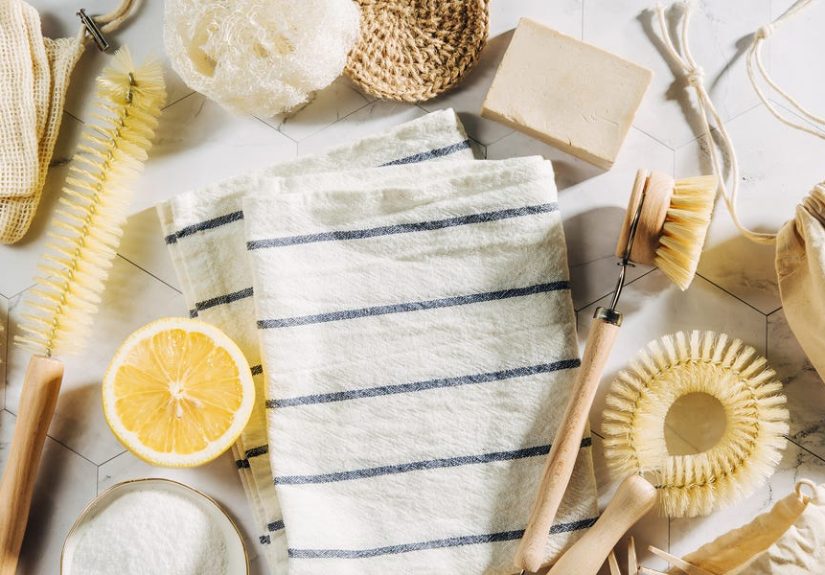
- Reusable cloths, scrub brushes, and washable mop pads
- One disinfectant for situations that truly require germ-killing
This smaller kit saves money, reduces clutter, and makes cleaning less dramatic. The cabinet under the sink should not look like a villain’s laboratory.
Eco-friendly Cleaning Habits That Make Products Work Better
Ventilate While Cleaning
Open a window, run a fan, or turn on the bathroom vent when cleaning. Even safer products can create mist or scent that some people find irritating. Fresh air is one of the cheapest cleaning upgrades available.
Use the Right Tool
A mild cleaner plus a good scrub brush often beats a harsh cleaner plus wishful thinking. Reusable cloths, cellulose sponges, Swedish dishcloths, and washable mop heads reduce paper towel use and improve cleaning performance.
Let Products Sit
Dwell time matters. Grease, soap scum, and grime loosen when the product has a minute to work. Spray the cleaner, tidy something nearby, then come back and wipe. Congratulations: you have discovered patience, the lost cleaning ingredient.
Buy Less, Use What You Have
The most sustainable product is often the one already in your cabinetassuming it is still safe and appropriate to use. Finish usable products before replacing them. Dispose of unwanted hazardous cleaners through local household hazardous waste programs instead of pouring them down drains or tossing questionable containers into the trash.
Common Greenwashing Claims to Watch
Greenwashing happens when environmental claims sound better than the reality behind them. Watch for broad claims without details, such as “eco-safe,” “planet-friendly,” or “chemical-free.” Everything made of matter is made of chemicals, including water, oxygen, and the coffee currently helping many adults behave professionally.
Better claims are specific: “bottle made with 100% post-consumer recycled plastic,” “EPA Safer Choice certified,” “fragrance-free,” “readily biodegradable surfactants,” or “concentrated refill reduces plastic by 80%.” Specific claims give shoppers something to verify.
Are Eco-friendly Cleaning Products More Expensive?
Sometimes yes, but not always. A single bottle may cost more upfront, especially if it carries third-party certification or uses refillable packaging. However, concentrates, tablets, powders, and bulk refills can lower the cost per use. Reusable cloths also reduce spending on paper towels.
The trick is to compare cost per ounce, cost per refill, and how much product you actually need. A cheap cleaner that requires five sprays, repeat scrubbing, and emotional support may not be cheaper in the long run.
Real-life Experiences With Eco-friendly Cleaning Products
The first time many people switch to eco-friendly cleaning products, they expect one of two things: either a magical forest fairy will sparkle the kitchen clean, or the product will perform like lightly scented water wearing a motivational quote. The truth is more practical. Green cleaning works very well when you match the right product to the right mess and give it enough time to do its job.
In the kitchen, the biggest surprise is usually dish soap. A good eco-friendly dish soap can handle oily pans, lunch containers, and coffee mugs without leaving behind an aggressive perfume cloud. The adjustment is that some plant-based formulas create fewer bubbles than conventional soaps. Fewer bubbles do not mean less cleaning power. Foam is satisfying, but it is not the official scoreboard of cleanliness. Once you stop judging the soap by its bubble party, you may notice your dishes rinse cleaner and your hands feel less dry.
For countertops, refillable all-purpose cleaners are often the easiest win. Tablets and concentrates are convenient, especially in small apartments or homes where storage space is precious. Drop a tablet into a reusable bottle, add water, wait, and suddenly you have a cleaner without buying another plastic spray bottle. The experience feels oddly satisfying, like making a tiny science project that is actually approved for adulthood.
Bathrooms are where expectations need a little realism. Eco-friendly bathroom cleaners can remove soap scum and hard-water marks, but they often work best with dwell time. Spray the tub, let it sit for several minutes, then scrub with a brush or textured sponge. If you spray and wipe immediately, you may blame the product when the real culprit is impatience. Heavy mineral buildup may need repeated applications or a stronger acid-based cleaner that is still responsibly formulated.
Laundry is another area where small changes matter. Fragrance-free detergent can feel underwhelming at first because clean clothes no longer smell like “Mountain Waterfall Sunset Deluxe.” They just smell cleanor like nothing at all. That is usually a good thing. Strong fragrance can mask odors instead of removing them, and fragrance-free detergent is often better for sensitive skin. Washing in cold water with a concentrated detergent can also simplify the routine while reducing energy use.
One practical lesson from switching to greener cleaning is that tools matter as much as formulas. A washable microfiber cloth, cellulose sponge, scrub brush, or Swedish dishcloth can make a mild cleaner perform much better. Paper towels are convenient, but reusable cloths usually clean glass, stainless steel, and counters more effectively. Keep separate cloths for bathrooms and kitchens, wash them often, and let them dry fully between uses.
Another experience many households report is less scent fatigue. When every surface cleaner, dish soap, detergent, and trash bag has a different fragrance, the home can start to smell like a candle store lost a wrestling match. Switching to unscented or lightly scented eco-friendly products can make indoor air feel fresher, not because the house smells like lavender, but because it finally stops shouting.
The biggest challenge is resisting the urge to buy every green product at once. A better method is to replace products one category at a time. Start with the item you use most, such as dish soap or all-purpose cleaner. Then move to laundry detergent, bathroom cleaner, and floor cleaner. This keeps the switch affordable and helps you discover what actually works in your home.
Eco-friendly cleaning is not about perfection. It is about better choices repeated over time: safer ingredients, less waste, smarter packaging, better ventilation, and fewer unnecessary chemicals. Your home does not need to smell like a pine forest wearing cologne to be clean. Sometimes the best kind of clean is quiet, simple, and responsible.
Conclusion
Eco-friendly cleaning products are no longer niche alternatives for people who compost with a spreadsheet. They are practical, effective, and increasingly easy to find. The best options combine ingredient transparency, proven performance, reduced environmental impact, and packaging that does not create a mountain of plastic guilt.
To choose wisely, look beyond pretty labels. Favor recognized certifications, read ingredients, avoid vague green claims, use disinfectants only when needed, and never mix cleaning chemicals. Add reusable tools and refill systems, and your home can be cleaner, healthier, and less wastefulwithout turning cleaning day into a full-time research project.
In the end, eco-friendly cleaning is not about buying the fanciest bottle. It is about building habits that protect your home, your budget, your indoor air, and the planet one wipe, scrub, rinse, and refill at a time.