Table of Contents >> Show >> Hide
- First, let’s clear up what eczema and pimples actually are
- Why some people end up with both eczema and acne
- How to tell whether a spot is eczema, acne, or both causing chaos nearby
- The biggest mistake: treating everything like acne
- A skin care routine that makes room for both eczema and acne
- Ingredients and habits that often help
- What to avoid when you have eczema and pimples
- When it is time to see a dermatologist
- The bottom line
- Experiences people often have when living with both eczema and pimples
- SEO Tags
Note: This article is for educational purposes only and is not a diagnosis. If your skin is painful, infected, rapidly worsening, or reacting badly to treatment, it is smart to check in with a dermatologist instead of launching an all-out bathroom-counter experiment.
Having eczema and pimples at the same time can feel like your skin has joined two rival clubs and invited them both to your face. One side wants rich moisture and gentle handling. The other side wants unclogged pores, acne treatments, and a little less oil, thank you very much. If you are stuck in the middle, you are not imagining things, and you are definitely not alone.
Eczema and acne are different skin conditions, but they can absolutely show up on the same person and sometimes on the same general area. That overlap can make skin care confusing. Use a thick cream and your breakouts may complain. Use a strong acne product and your eczema may stage a dramatic protest. The trick is not choosing one condition over the other. It is learning how to calm inflammation, protect your skin barrier, and treat breakouts without turning your face into a dry, flaky rebellion.
First, let’s clear up what eczema and pimples actually are
What eczema looks and feels like
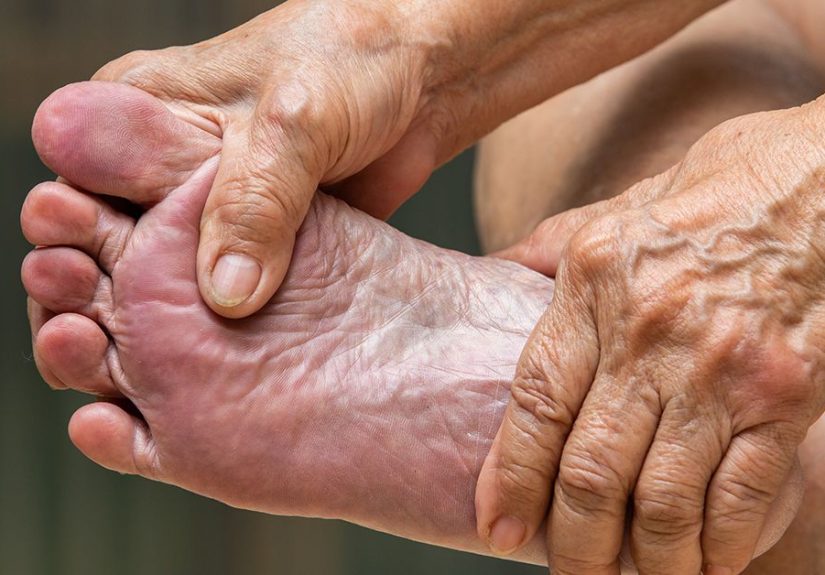
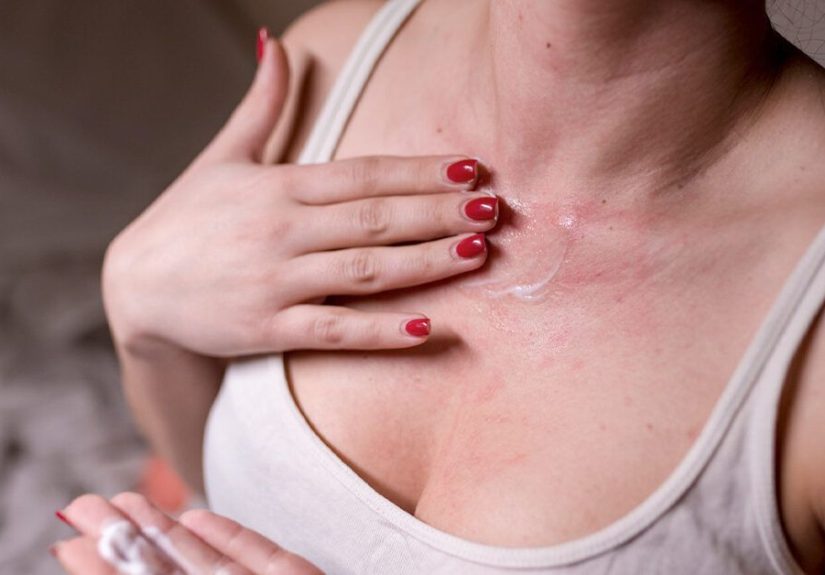
Eczema, especially atopic dermatitis, usually causes dry, itchy, inflamed skin. It often shows up as patches rather than individual blemishes. The skin may look red, darker than the surrounding area, rough, scaly, cracked, or even a little oozy during a flare. The itch is a major clue. Acne can be annoying, but eczema often feels like your skin has become personally offended by air, weather, fabric, stress, and possibly the moon.
What pimples look and feel like
Pimples are part of acne. Acne forms when pores get clogged with oil, dead skin cells, and debris. That can lead to blackheads, whiteheads, inflamed red bumps, pus-filled pimples, or deeper painful nodules. Acne tends to show up where oil glands are more active, such as the face, chest, shoulders, and back. Unlike eczema, acne is usually more about clogged pores and localized inflammation than broad itchy patches.
Can they happen together?
Yes. You can have eczema-prone skin and still get acne. In fact, the combination is especially frustrating because sensitive skin is more likely to react to harsh acne products, while heavy or greasy products used for dryness may worsen breakouts in acne-prone areas. In plain English: your skin may need moisture, but it may also be picky about how it gets it.
Why some people end up with both eczema and acne
There is not one single reason this happens. Usually, it is a mix of skin biology, triggers, and product choices.
Your skin barrier is already on the fragile side
People with eczema often have a weakened skin barrier. That means skin loses moisture easily and gets irritated faster. If you add a drying acne treatment on top of that, the barrier can get even more upset. Suddenly, what started as “just a little breakout treatment” turns into burning, flaking, stinging, and the kind of regret usually reserved for bad bangs.
Acne treatments can be irritating
Many common acne ingredients are effective, but they can also be drying or irritating, especially when overused. Benzoyl peroxide, retinoids such as adapalene, and some exfoliating acids can be helpful for pimples, but they may aggravate eczema-prone skin if used too often, applied to the wrong areas, or layered with too many other actives at once.
Rich products may help eczema but not every pore
Eczema usually responds well to gentle, fragrance-free moisturizers. But not every heavy product is a match for acne-prone skin, especially on the face. Some people do better with creams or lotions labeled non-comedogenic, oil-free, or won’t clog pores. That label is not magic, but it is a useful place to start.
Stress, hormones, and irritation can all pile on
Stress can worsen eczema flares and may also play a role in acne for some people. Hormonal changes can drive breakouts. Fragrance, rough scrubs, hot water, over-cleansing, and picking at the skin can make everything worse. If your routine feels like a punishment program, your skin has probably noticed.
How to tell whether a spot is eczema, acne, or both causing chaos nearby
Sometimes the difference is obvious. Sometimes it is less obvious and your mirror offers no useful commentary.
- Likely eczema: itchy patches, roughness, flaking, burning, cracked skin, rash-like areas
- Likely acne: blackheads, whiteheads, tender red bumps, pustules, cystic lesions
- Possibly both: dry, irritated skin with breakout clusters nearby, or acne products causing eczema-like irritation
One important detail: not every red bump is acne. Irritant dermatitis, allergic reactions, folliculitis, perioral dermatitis, rosacea, and other skin conditions can mimic pimples. If your “acne” burns more than it breaks out, or your rash is suddenly spreading, a professional evaluation is worth it.
The biggest mistake: treating everything like acne
When people see bumps, they often reach for the strongest acne products they own and go full speed ahead. That can backfire fast if eczema is part of the picture. Scrubs, toners, alcohol-heavy products, harsh cleansers, and too many active ingredients can worsen dryness and inflammation. And irritated skin can sometimes look even more broken out than before.
Another common mistake is going in the opposite direction and smothering the entire face with very occlusive products because the skin feels dry. That may soothe eczema in some areas but can leave acne-prone zones feeling congested. When you have both conditions, the answer is usually not “more products.” It is “smarter placement, gentler formulas, and less drama.”
A skin care routine that makes room for both eczema and acne
1. Cleanse gently, not aggressively
Use a mild, fragrance-free cleanser once or twice a day. Lukewarm water is better than hot water. Avoid scrubbing brushes, gritty exfoliants, and the urge to “deep clean” your face into another dimension. Gentle cleansing helps remove oil and sweat without wrecking the skin barrier.
2. Moisturize every day
This surprises some people with acne, but moisturizer is still important. Dry, irritated skin can make treatment harder to tolerate. A lightweight, fragrance-free, non-comedogenic moisturizer is often a good middle ground for the face. Apply it after washing, ideally while the skin is still slightly damp.
3. Treat acne strategically
If you use an acne treatment, start slowly. A small amount on acne-prone areas a few nights a week may be easier to tolerate than coating your entire face right away. Avoid putting acne medications on cracked, raw, or actively eczematous patches unless a clinician specifically tells you to do so. Spot treating or zoning products can work better than blanket application.
4. Treat eczema where eczema lives
Eczema treatment usually focuses on calming inflammation and restoring the barrier. That may include thick moisturizers and, when needed, prescription medications such as topical corticosteroids or other anti-inflammatory treatments. These should be used as directed, and not casually borrowed from an old tube buried in a drawer next to expired lip balm and mystery hair ties.
5. Use sunscreen that plays nicely with sensitive skin
Daily sunscreen matters, especially if you use acne treatments that make skin more sun-sensitive. Look for broad-spectrum SPF 30 or higher that is fragrance-free and non-comedogenic. The best sunscreen is the one your skin tolerates well enough that you will actually wear it.
6. Patch test new products
If your skin reacts to everything like a suspicious detective, patch testing is your friend. Try a new product on a small area first for several days before using it more widely. That simple step can save you from a full-face plot twist.
Ingredients and habits that often help
- Helpful for eczema-prone skin: fragrance-free moisturizers, gentle cleansers, short lukewarm showers, soft fabrics, simple routines
- Helpful for acne-prone skin: non-comedogenic moisturizer, non-comedogenic sunscreen, gentle cleansing, slow introduction of acne actives
- Helpful for both: not picking, not scrubbing, not over-washing, not layering five “miracle” products because the internet got excited
What to avoid when you have eczema and pimples
- Harsh physical scrubs
- Highly fragranced skin care
- Alcohol-heavy toners that leave your face squeaking with fear
- Using several acne actives at once without easing in
- Applying acne medication over irritated or broken skin
- Picking at pimples or scratching eczema patches
- Assuming “natural” means gentle or safe for sensitive skin
It is also worth remembering that some acne products can bleach towels, pillowcases, and clothing. That is not your laundry suddenly developing eczema. That is chemistry doing what chemistry does.
When it is time to see a dermatologist
Home care is useful, but there are times when expert help is the best move. Make an appointment if:
- Your eczema is oozing, crusting, or looks infected
- Your acne is painful, deep, scarring, or not improving
- Your skin burns or stings with most products
- You are not sure whether you have acne, eczema, dermatitis, rosacea, or something else
- You are pregnant, trying to become pregnant, or breastfeeding and need treatment guidance
- You develop swelling, hives, or trouble breathing after using a product
A dermatologist can help you build a routine that treats the acne without feeding the eczema, and calms the eczema without making your pores throw a tantrum. That balance is possible. It just may take a little customization.
The bottom line
If you have eczema and pimples at the same time, your skin does not need more force. It needs more finesse. Think gentle cleansing, daily moisturizer, careful use of acne products, fragrance-free formulas, and targeted treatment instead of all-over warfare. The goal is to keep the skin barrier happy while still reducing clogged pores and inflammation.
In other words, you do not have to choose between dry and broken out. With the right routine, you can work toward skin that is calmer, more comfortable, and a lot less likely to make you stare at the mirror like it owes you an explanation.
Experiences people often have when living with both eczema and pimples
For many people, the hardest part is not just the symptoms. It is the mixed signals. Someone might wake up with flaky, itchy skin around the nose and cheeks, then notice a few inflamed pimples on the chin by lunch. By evening, they are standing in front of the mirror holding two products that seem to belong to opposite universes: a rich cream for the dryness and an acne gel for the breakouts. The confusion is real, and it can make people feel like their skin never gives the same answer twice.
A common experience is becoming afraid of moisturizer because of past breakouts. Some people spend weeks trying to “dry out” their pimples, only to end up with tighter, angrier skin and more obvious irritation. Then they switch to a heavy balm, feel immediate relief, and a few days later wonder why new clogged pores are showing up. This back-and-forth can be exhausting, and it often leads to product hopping, which usually makes sensitive skin even more reactive.
Another pattern is the emotional side of visible skin issues. Eczema can itch enough to disrupt sleep, while acne can affect confidence during work, school, social plans, or even video calls. When both are present, people often say they feel trapped between looking irritated and feeling uncomfortable. Makeup can help some people feel more polished, but others find that certain products sting, pill, or worsen their breakouts. Even getting ready in the morning can start to feel like a strategy meeting instead of a routine.
People also describe a very particular kind of frustration with advice from others. One person says, “Just exfoliate.” Another says, “You need a thicker cream.” Someone online swears by an acid toner, while another promises that all you need is to stop using everything except tallow, rainwater, and optimism. The problem is that skin with both eczema and acne usually does best with moderation, not extremes. Real improvement often comes from slowing down, simplifying the routine, and sticking with a plan long enough to see whether it actually works.
Many adults with both conditions eventually discover that placement matters. They may use richer moisture only on eczema-prone patches, lighter moisturizer on the rest of the face, and acne treatment only on breakout-prone zones. That kind of zoning can feel less dramatic than a full-routine overhaul, but it is often more practical. It respects the fact that one part of the face may be dry and reactive while another is oily and clogged. Skin does not always behave like a single category, so your routine does not have to either.
Perhaps the most encouraging experience people report is that their skin can improve once they stop treating it like an enemy. Gentle care sounds boring, but boring often works. A mild cleanser, a well-tolerated moisturizer, careful sun protection, fewer random actives, and professional help when needed can make a huge difference over time. Progress is not always fast, and it is rarely perfect, but calmer skin is possible. And when that happens, the biggest relief is often not just how the skin looks. It is how much less time, stress, and mental energy it demands every day.