Table of Contents >> Show >> Hide
- What Is Eight Treasure Rice Pudding?
- Why This Dessert Belongs on a Lunar New Year Table
- Ingredients for the Best Eight Treasure Rice Pudding
- Ingredient Notes That Actually Help
- How to Make Eight Treasure Rice Pudding Step by Step
- Common Mistakes and How to Avoid Them
- Easy Variations for American Home Cooks
- How to Serve and Store This Lunar New Year Dessert
- Why This Recipe Works
- Experience and Memories Around Eight Treasure Rice Pudding
- Conclusion
- SEO Tags
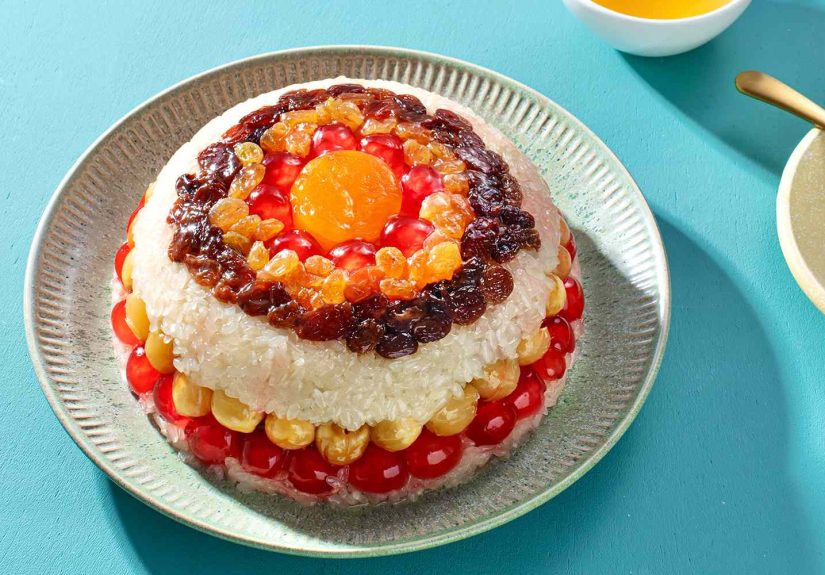
If your Lunar New Year table needs one dessert that looks like it dressed up for the occasion, Eight Treasure Rice Pudding is the overachiever you want. Known as ba bao fan, this classic sweet sticky rice dessert is glossy, festive, and just dramatic enough to make relatives think you have your life together. It is built from glutinous rice, a sweet filling, and a jewel-box arrangement of dried fruits, nuts, and seeds. Then it gets steamed, unmolded, and served like the grand finale to a holiday meal.
The name sounds fancy because it is fancy, but the method is surprisingly manageable. Better yet, the recipe is flexible. You can use traditional toppings such as lotus seeds, red dates, raisins, and candied winter melon, or make it more pantry-friendly with dried apricots, cranberries, walnuts, pumpkin seeds, and cherries. The spirit of the dessert matters as much as the exact lineup: abundance, luck, sweetness, and a hopeful start to the year.
In this guide, you will learn what Eight Treasure Rice Pudding is, why it matters during Lunar New Year, how to make it step by step, and how to avoid the classic sticky-rice mistakes that turn a celebratory dessert into a workout. You will also get make-ahead tips, ingredient swaps, serving ideas, and a longer reflection section at the end for readers who want the full cultural-and-kitchen experience.
What Is Eight Treasure Rice Pudding?
Eight Treasure Rice Pudding is a traditional Lunar New Year dessert made with glutinous rice, sweet red bean paste, and a decorative topping of dried fruits, nuts, seeds, or preserved ingredients. The “eight treasures” refer to the assortment of toppings and fillings, though modern home cooks do not always use exactly eight items. The number eight is considered especially lucky, so the dessert carries an extra layer of good fortune beyond its naturally cheerful appearance.
Texture is the whole game here. The rice should be sticky but still distinct, the bean paste soft and smooth, and the toppings bright, chewy, or lightly crunchy depending on what you use. Properly made, it is sweet but not cloying. Think dessert with dignity. It does not scream sugar; it gives a confident, festive nod and lets the texture do the flirting.
This pudding is popular at Lunar New Year, but it also shows up at weddings and other celebrations. That makes sense. Very few desserts say “best wishes for prosperity and happiness” as clearly as a molded dome of gleaming sticky rice studded with jewel-like toppings. It is basically edible confetti with better manners.
Why This Dessert Belongs on a Lunar New Year Table
Lunar New Year foods often carry symbolic meaning, and Eight Treasure Rice Pudding fits that tradition beautifully. Sticky rice desserts are associated with celebration, togetherness, and sweetness in the coming year. The visual abundance of the toppings suggests prosperity, while the lucky number eight adds another auspicious layer.
There is also a practical reason this recipe endures: it is built for sharing. You make it in one mold or bowl, steam it, turn it out, and bring it to the table whole. The reveal matters. When the bowl lifts cleanly and the pattern shines back at everyone, the room gets a tiny moment of theater. No one claps, but emotionally, they should.
For many families, this dish also bridges old and new kitchens. Traditional ingredients remain welcome, but the recipe adapts easily to American supermarkets, rice cookers, and mixed holiday menus. That makes it a strong choice for home cooks who want an authentic-feeling Lunar New Year dessert recipe without needing a treasure hunt across three neighborhoods and a mysterious pantry aisle.
Ingredients for the Best Eight Treasure Rice Pudding
For the rice
- 2 cups glutinous rice
- Water for soaking
- 3 tablespoons unsalted butter, lard, or coconut oil
- 1/4 cup granulated sugar
- 1/4 teaspoon fine salt
For the filling
- 3/4 to 1 cup sweet red bean paste
For the “eight treasures” topping
- 4 to 6 red dates or pitted jujubes, sliced
- 2 tablespoons golden raisins
- 2 tablespoons dried cranberries or regular raisins
- 4 dried apricot halves, thinly sliced
- 2 tablespoons walnuts, pecans, or peanuts
- 2 tablespoons pumpkin seeds or sunflower seeds
- 8 lotus seeds, cooked if dried
- 2 tablespoons candied winter melon, candied citrus peel, or glace cherries, chopped
For the optional syrup glaze
- 1/4 cup water
- 2 tablespoons sugar
- 1 teaspoon honey or corn syrup
One of the joys of this Lunar New Year dessert recipe is that the toppings are flexible. You want color, contrast, and a mix of chewy and nutty pieces. The final arrangement should look intentional, even if you built it while standing in the kitchen muttering, “That looks symmetrical enough.”
Ingredient Notes That Actually Help
Glutinous rice: This is also called sweet rice or sticky rice. Despite the name, it does not contain gluten. It is prized for its sticky, chewy texture, which is exactly what gives this pudding its signature structure.
Red bean paste: Store-bought sweet red bean paste works well and keeps this recipe realistic for busy cooks. If you want to make your own, adzuki beans cooked until soft and then blended and cooked down with sugar and oil create the classic flavor and smooth texture.
Lotus seeds and jujubes: These ingredients make the dessert look especially traditional, but they are not mandatory. Use what is available and attractive. Eight Treasure Rice Pudding is festive, not tyrannical.
Fat in the rice: A little butter, lard, or coconut oil gives the rice shine and helps keep it tender after steaming. Lard is very traditional in some versions, but butter or coconut oil works beautifully in an American home kitchen.
How to Make Eight Treasure Rice Pudding Step by Step
1. Soak the rice
Rinse the glutinous rice several times until the water is less cloudy. Cover it with fresh water and soak for at least 4 hours, or overnight if that works better for your schedule. This step matters. Sticky rice needs time to hydrate so it cooks evenly and develops the right chew instead of a stubborn center.
2. Cook the rice
Drain the soaked rice. Steam it in a lined steamer for 30 to 40 minutes, or until the grains are translucent and tender. You can also cook it in a rice cooker if you are more likely to use a rice cooker than a bamboo steamer because, frankly, that is how modern kitchens survive. Once cooked, transfer the hot rice to a bowl and mix with the butter, sugar, and salt while the rice is still warm.
3. Prepare the mold
Lightly grease a heatproof bowl, about 6 to 7 inches across. Arrange the toppings decoratively on the bottom of the bowl. Remember: whatever you place first will be visible on top after you unmold the pudding. This is your chance to make it look elegant, geometric, floral, or joyfully chaotic in a way that still somehow works.
4. Build the layers
Spoon about two-thirds of the sweetened rice into the bowl. Press it gently up the sides to form a shallow well in the center. Add the red bean paste and spread it evenly, leaving a little margin around the edge. Cover with the remaining rice and press gently so the pudding holds together without becoming dense.
5. Steam again
Cover the bowl loosely with foil or a plate and steam it for 25 to 30 minutes. This second steam helps the rice settle into the shape, warms the filling through, and gives the whole dessert that unified, sliceable texture.
6. Unmold and glaze
Let the pudding rest for 5 minutes. Run a thin knife around the edge if needed, place a serving plate over the bowl, and carefully invert. Lift the bowl slowly. If you want extra shine, simmer the water, sugar, and honey for a minute or two, then brush the syrup lightly over the top.
7. Serve warm
Eight Treasure Rice Pudding is best served warm, when the rice is soft and glossy and the filling is creamy. Slice it like a cake or spoon it into bowls. Either approach is valid. The only wrong move is pretending you were not hoping for seconds.
Common Mistakes and How to Avoid Them
Using the wrong rice
Do not substitute regular long-grain rice. This dessert needs glutinous rice for its classic sticky texture. Regular rice will not hold the shape or provide the same satisfying chew.
Skipping the soak
Could you rush it? Maybe. Should you? Absolutely not. Soaking improves texture and helps the rice cook evenly from edge to center.
Overpacking the bowl
Press the rice firmly enough to hold together, but do not compact it like you are laying patio stone. A lighter hand keeps the pudding tender.
Overloading the toppings
A beautiful mosaic is great. A landslide of dried fruit is less great. Keep the arrangement balanced so the rice can still bond into one neat mold.
Serving it cold straight from the refrigerator
Cold sticky rice becomes firm and less fragrant. Reheat gently by steaming or microwaving covered portions with a tiny splash of water before serving.
Easy Variations for American Home Cooks
Shortcut version
Use a rice cooker for the glutinous rice, canned or ready-made sweet red bean paste, and supermarket dried fruit. You still get the spirit of the dish with half the hassle.
Nut-free version
Swap nuts for extra seeds, dried fruit, or cooked lotus seeds. Pumpkin seeds, sunflower seeds, cranberries, and chopped apricots all work well.
Less sweet version
Reduce the sugar in the rice slightly and skip the syrup glaze. This dessert is traditionally not aggressively sweet, so a lighter hand still feels authentic.
Black rice blend
Some cooks mix a little black glutinous rice with white glutinous rice for extra color and a slightly deeper flavor. It looks gorgeous when sliced.
Coconut accent
A touch of coconut oil in place of butter gives the pudding a subtle aroma that works especially well if your toppings lean fruity and bright.
How to Serve and Store This Lunar New Year Dessert
Serve Eight Treasure Rice Pudding warm after a savory holiday meal, alongside tea, or as part of a larger Lunar New Year dessert spread. Because it is shaped and decorative, it also makes a strong centerpiece for a buffet table. It looks special without requiring pastry-chef levels of stress.
To store, cover leftovers and refrigerate for up to 3 days. Reheat by steaming for 10 to 15 minutes or microwaving individual portions covered with a damp paper towel. The pudding can also be assembled ahead, refrigerated in the bowl, and steamed just before serving. That is an excellent move when you want a fresh, warm dessert without doing all the work in party clothes.
Why This Recipe Works
This version works because it respects the dessert’s traditional structure while making smart choices for a modern kitchen. The soaked glutinous rice gives the correct chew. The sweetened fat adds gloss and tenderness. The red bean paste adds creamy contrast. The decorative topping makes the dessert instantly celebratory. And the second steam melds everything into one sliceable, spoonable, glossy whole.
It also leaves room for personality. Some families love more lotus seeds. Others want cherries, cranberries, or extra jujubes. Some serve syrup on the side for people who want a sweeter finish. There is freedom here, and that is part of what makes Eight Treasure Rice Pudding such an enduring holiday recipe. It feels ceremonial, but it still belongs to the cook.
Experience and Memories Around Eight Treasure Rice Pudding
There is something unusually comforting about a dessert that asks you to slow down before it asks you to eat. Eight Treasure Rice Pudding is not a random Tuesday brownie. It does not crash into the room with melted chocolate and loud confidence. It arrives with ceremony. You soak the rice. You choose the toppings. You think about color, shape, and balance. You build it with the awareness that someone will turn the bowl over later and reveal everything you did. It is dessert with suspense.
That is part of why this dish feels so connected to Lunar New Year. The holiday itself is full of gestures that carry meaning: cleaning the house, gathering family, choosing symbolic foods, setting the table with intention, saying the right words, wearing colors that feel bright and hopeful. Eight Treasure Rice Pudding fits naturally into that atmosphere. It asks for care, and in return it creates a small moment of beauty that everyone can share.
For many home cooks, the experience begins before the cooking does. It starts when you look at the toppings and decide what kind of pudding you want this one to be. Maybe you go classic with lotus seeds and jujubes. Maybe you lean practical and grab dried apricots, raisins, pumpkin seeds, and walnuts from the pantry. Either way, there is a quiet pleasure in laying out the design on the bottom of the bowl. You know that what looks upside down now will become the glossy top later. It feels a little like making edible stained glass, except you are allowed to snack on the scraps.
The unmolding is always the big emotional payoff. Even experienced cooks get a tiny rush when they invert the bowl. Will it slide out cleanly? Will the pattern hold? Will the rice cling dramatically for one extra second just to test your character? When it works, the result feels deeply satisfying. The top glistens, the fruit shines, and the dessert looks far more elaborate than the ingredient list would suggest. That reveal is one reason this recipe remains such a strong holiday favorite.
There is also nostalgia built into the flavor. Sticky rice desserts tend to land in memory differently from frosted cakes or bakery cookies. They are softer, gentler, and more tied to festivals, grandparents, and shared tables. The aroma of warm glutinous rice and sweet bean paste can instantly make a kitchen feel fuller, calmer, and more connected. Even people trying the dish for the first time often recognize that it tastes like celebration.
In an American kitchen, this recipe can become a lovely bridge between tradition and everyday practicality. Maybe you use a rice cooker. Maybe you buy the red bean paste instead of making it. Maybe your eight treasures include dried cranberries because that is what the store had and your family likes them anyway. None of that ruins the dish. In fact, that flexibility is part of its charm. The dessert remains rooted in tradition while still making room for modern life, busy schedules, and grocery-store reality.
And that may be the best part of Eight Treasure Rice Pudding: it feels meaningful without being fussy for the sake of being fussy. It rewards attention, but it does not require perfection. If the pattern is slightly crooked, it is still beautiful. If the syrup is optional, the pudding is still festive. If one child picks out the raisins and another asks for extra bean paste, congratulations, you have achieved the timeless family-holiday experience. In the end, this dessert is not just about luck, prosperity, or tradition on paper. It is about the lived experience of making something warm, symbolic, and generous enough to place in the middle of the table and share.
Conclusion
Eight Treasure Rice Pudding is one of those rare desserts that manages to be meaningful, delicious, and visually impressive all at once. It celebrates Lunar New Year with sticky rice, symbolic ingredients, and a festive presentation that feels special from the first soak to the final slice. Whether you make it with classic lotus seeds and jujubes or a more accessible mix of dried fruit and nuts, the result is a dessert that honors tradition while fitting beautifully into a modern American kitchen.
If you want a Lunar New Year recipe that looks celebratory, tastes comforting, and tells a story with every bite, this is it. Warm, glossy, gently sweet, and full of texture, Eight Treasure Rice Pudding earns its place on the holiday table without needing flashy tricks. Just a bowl, some sticky rice, and a little patience. Honestly, that is a pretty great way to begin a new year.