Table of Contents >> Show >> Hide
- What Is Epilepsy?
- Why Epilepsy Diagnosis Requires More Than One Test
- Blood Tests in Epilepsy Diagnosis
- EEG: Recording the Brain’s Electrical Activity
- Brain Imaging for Epilepsy Diagnosis
- Neuropsychology in Epilepsy Diagnosis
- When Doctors Suspect a Seizure Mimic
- How Doctors Put the Pieces Together
- Questions Patients Can Ask During the Diagnostic Process
- When to Seek Urgent Medical Help
- Experiences Related to Epilepsy Diagnosis: What the Journey Often Feels Like
- Conclusion
Getting an epilepsy diagnosis is not as simple as walking into a clinic, saying “my brain did something weird,” and walking out with a neat label and a prescription. If only the human brain came with a warning light like a car dashboard. Instead, epilepsy diagnosis usually involves detective work: a careful medical history, witness descriptions, neurological exams, blood tests, EEG monitoring, brain imaging, and sometimes neuropsychological testing.
The goal is not just to decide whether someone has epilepsy. Doctors also need to understand what type of seizures are happening, where they may begin in the brain, what might be causing them, and which treatment path is safest. That is why the diagnostic process can feel layered. Each test adds a clue. Some clues are loud and obvious. Others whisper from the corner like a shy witness in a courtroom drama.
This guide explains how epilepsy is diagnosed, why blood tests matter, how imaging helps reveal structural brain changes, and what neuropsychology can show about memory, attention, language, mood, and seizure location.
What Is Epilepsy?
Epilepsy is a neurological condition marked by a tendency to have recurrent, unprovoked seizures. A seizure happens when abnormal electrical activity in the brain temporarily disrupts normal function. Depending on where that activity starts and how it spreads, a seizure may cause staring spells, jerking movements, confusion, strange sensations, loss of awareness, or full-body convulsions.
One seizure does not always mean epilepsy. Fever, low blood sugar, alcohol withdrawal, certain medications, infections, head injuries, or electrolyte problems can also trigger seizures. Doctors usually consider epilepsy when a person has two or more unprovoked seizures, or when one seizure occurs with a high risk of future seizures based on test results and clinical history.
Why Epilepsy Diagnosis Requires More Than One Test
There is no single “epilepsy blood test” or one perfect scan that confirms every case. Diagnosis begins with the story: what happened before, during, and after the event. A neurologist may ask about warning signs, body movements, eye position, breathing changes, confusion afterward, sleep patterns, medications, alcohol use, family history, and past brain injuries.
Witness accounts are extremely valuable because many people do not remember the seizure itself. A phone video can also help, even if it feels awkward to record. In epilepsy care, a clear video can be more useful than a dramatic verbal description like, “He looked possessed by bad Wi-Fi.”
The Initial Neurological Exam
A neurological exam checks brain and nervous system function. The clinician may test reflexes, coordination, walking, strength, sensation, speech, vision, memory, and mental status. The exam can reveal signs of a focal brain problem, developmental condition, injury, infection, or another neurological disorder that may be linked to seizures.
Blood Tests in Epilepsy Diagnosis
Blood tests do not usually diagnose epilepsy directly. Instead, they help doctors identify conditions that can cause or contribute to seizures. Think of blood work as the medical version of checking whether the house power is stable before blaming the fancy chandelier.
Common Blood Tests Doctors May Order
Common blood tests during a seizure evaluation may include a complete blood count, blood glucose, electrolyte levels, calcium, magnesium, kidney function, liver function, toxicology screening, infection markers, and sometimes pregnancy testing when relevant. These tests may help detect low blood sugar, sodium imbalance, infection, organ problems, or medication-related concerns.
For example, very low sodium can provoke a seizure. Severe infection can irritate the brain or trigger systemic stress. Liver or kidney dysfunction may affect how the body processes medications. Blood tests can also help guide safe treatment choices once antiseizure medication is being considered.
Genetic Testing and Epilepsy
Genetic testing may be recommended when seizures begin early in life, when epilepsy is difficult to control, when there are developmental delays, or when a specific epilepsy syndrome is suspected. Many genetic tests use DNA from a blood sample, saliva sample, or cheek swab. Results may help explain the cause of epilepsy, guide medication choices, inform family counseling, and identify conditions that need extra monitoring.
Genetic results are not always simple. A test may find a clear disease-related variant, no useful finding, or a variant of uncertain significance. That last one is basically the genetic version of “we found something, but it is wearing sunglasses indoors and refusing to explain itself.” Genetic counseling can help families understand what the result does and does not mean.
EEG: Recording the Brain’s Electrical Activity
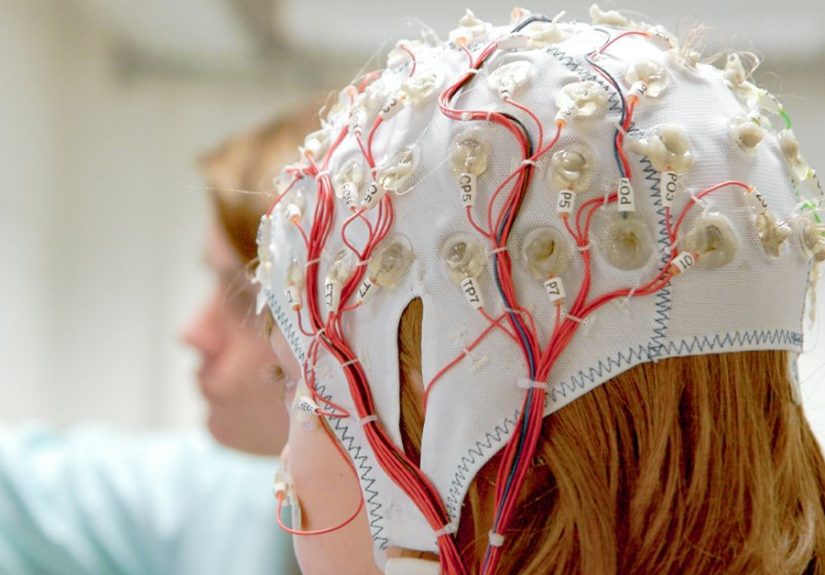
An electroencephalogram, or EEG, is one of the most important tools in epilepsy diagnosis. Small electrodes are placed on the scalp to record electrical patterns in the brain. EEG can show abnormal spikes, sharp waves, slowing, or seizure activity that supports a diagnosis of epilepsy and may help classify the seizure type.
Routine EEG
A routine EEG is usually painless and may take less than an hour, although appointment times vary. The patient may be asked to breathe deeply, look at flashing lights, relax, or sleep if possible. These activation methods can sometimes reveal abnormal patterns that are not visible during ordinary wakefulness.
Normal EEG Does Not Always Rule Out Epilepsy
A normal EEG does not prove that a person does not have epilepsy. Abnormal electrical activity may not occur during the test window. Some people need repeat EEGs, sleep-deprived EEGs, ambulatory EEG monitoring, or inpatient video EEG monitoring to capture events more clearly.
Video EEG Monitoring
Video EEG combines continuous brain-wave recording with video. It helps doctors match what the body does during an event with what the brain is doing electrically. This is especially useful when seizures are frequent, unclear, or not responding to treatment. It can also help distinguish epileptic seizures from fainting, sleep disorders, movement disorders, panic attacks, migraine events, or psychogenic nonepileptic seizures.
Brain Imaging for Epilepsy Diagnosis
Brain imaging looks for structural or functional clues. Imaging can reveal tumors, strokes, scars, malformations of cortical development, hippocampal sclerosis, vascular abnormalities, traumatic injury, or other changes that may be associated with seizures.
MRI for Epilepsy
Magnetic resonance imaging, or MRI, is often the preferred imaging test for epilepsy because it gives detailed pictures of brain structure without using ionizing radiation. An epilepsy-protocol MRI uses specialized sequences and thin slices to look carefully at brain regions commonly involved in seizures, especially the temporal lobes.
MRI may show a lesion that explains focal seizures. In other cases, MRI is normal even when epilepsy is real. This is sometimes called MRI-negative epilepsy, and it may require additional testing if seizures remain difficult to control.
CT Scan
A computed tomography, or CT, scan is faster than MRI and is commonly used in emergency settings. It can help detect bleeding, large masses, skull fractures, or major structural problems. CT is useful when urgent decisions are needed, but MRI is usually more sensitive for many epilepsy-related abnormalities.
PET and SPECT Scans
Positron emission tomography, or PET, evaluates brain metabolism. Areas involved in seizure networks may show reduced metabolism between seizures. Single-photon emission computed tomography, or SPECT, evaluates blood flow. When performed during or near a seizure, SPECT may show increased blood flow in the seizure-onset region.
These tests are most often used in specialized epilepsy centers, especially when surgery is being considered. They are not first-line tests for every person with a first seizure, but they can be powerful tools when standard testing does not tell the whole story.
Functional MRI, MEG, and Electrical Source Imaging
Functional MRI, or fMRI, can help map brain functions such as language or movement before surgery. Magnetoencephalography, or MEG, records magnetic fields produced by brain activity and can help localize abnormal electrical discharges. Electrical source imaging combines EEG data with MRI to estimate where epileptic activity may arise.
These advanced tools are usually reserved for complex cases, drug-resistant epilepsy, or presurgical planning. They help doctors reduce risk by understanding not only where seizures start, but also where important brain functions live. The brain, unfortunately, is not organized like a tidy office drawer. It is more like a busy city with shortcuts, traffic jams, and one mysterious alley called “why did I walk into this room?”
Neuropsychology in Epilepsy Diagnosis
Neuropsychological testing measures how the brain handles thinking skills. It may assess memory, attention, language, processing speed, problem-solving, visual-spatial skills, mood, learning, and executive function. In epilepsy care, this information can be surprisingly important.
What Neuropsychological Testing Can Reveal
Different brain regions support different functions. For example, the left temporal lobe is often important for verbal memory and language in many people, while the right temporal lobe may play a larger role in visual memory and spatial processing. Testing patterns can sometimes support the suspected seizure focus suggested by EEG and MRI.
Neuropsychology also identifies cognitive strengths and weaknesses that may affect school, work, driving, medication management, relationships, and daily life. If a person reports memory problems, testing can show whether the issue is related to seizures, medication side effects, sleep disruption, mood, attention, or another factor.
Neuropsychology Before Epilepsy Surgery
For people with drug-resistant focal epilepsy, surgery may be considered if seizures appear to start in a specific brain area that can be safely treated. Neuropsychological testing helps establish a baseline before surgery, estimate possible risks to memory or language, and compare results after treatment.
In some cases, a Wada test or fMRI may be used to determine which side of the brain controls language and memory. This information helps the epilepsy team plan treatment while protecting essential functions. The goal is not just fewer seizures; it is fewer seizures with the person’s thinking, communication, and identity carefully protected.
When Doctors Suspect a Seizure Mimic
Not every event that looks like a seizure is epilepsy. Fainting can cause brief jerking movements. Panic attacks can cause shaking, chest tightness, and altered awareness. Sleep disorders can produce unusual movements. Heart rhythm problems can cause sudden collapse. Migraine can cause visual symptoms, numbness, or confusion. Psychogenic nonepileptic seizures can look very similar to epileptic seizures but do not come from abnormal electrical discharges in the brain.
This is why diagnosis should be careful rather than rushed. Misdiagnosis can lead to unnecessary medication, missed heart problems, untreated mental health needs, or continued seizures without the right treatment. A good epilepsy evaluation respects uncertainty and follows the evidence.
How Doctors Put the Pieces Together
Doctors combine history, exam findings, EEG results, imaging, blood work, and sometimes neuropsychology. A typical pathway may look like this:
- A person has a first seizure or seizure-like event.
- The clinician takes a detailed history and performs a neurological exam.
- Blood tests check for metabolic, infectious, toxic, or medication-related causes.
- EEG looks for abnormal electrical activity.
- MRI or CT checks for structural brain causes.
- Specialized testing is added if seizures continue, remain unclear, or surgery is being considered.
The final diagnosis may include seizure type, epilepsy syndrome, suspected cause, and treatment plan. This classification matters because different seizure types respond to different medications and therapies. The wrong medication for the wrong seizure type can be ineffective or, in some cases, make seizures worse.
Questions Patients Can Ask During the Diagnostic Process
Patients and families can make appointments more useful by asking focused questions. Helpful questions include:
- Do my symptoms sound like epileptic seizures or another condition?
- What type of EEG do I need?
- Should I have an epilepsy-protocol MRI?
- Could blood sugar, electrolytes, infection, medication, or sleep be contributing?
- Do I need genetic testing?
- Should I keep a seizure diary?
- When should I be referred to a comprehensive epilepsy center?
- What activities should I avoid until the diagnosis is clearer?
A seizure diary can include date, time, duration, triggers, warning symptoms, movements, awareness, recovery time, sleep, missed medications, menstrual cycle timing, alcohol use, stress, and illness. Patterns are valuable. The diary may not win a literary award, but it can absolutely help a neurologist.
When to Seek Urgent Medical Help
Emergency care is important if a seizure lasts longer than five minutes, repeated seizures occur without full recovery, breathing is difficult, a seizure happens in water, the person is injured, the person is pregnant, the seizure occurs with diabetes, or it is the person’s first known seizure. Any new neurological symptoms, severe headache, high fever, stiff neck, or prolonged confusion should also be taken seriously.
Experiences Related to Epilepsy Diagnosis: What the Journey Often Feels Like
The experience of being evaluated for epilepsy can be emotionally complicated. Many people expect medicine to work like a vending machine: insert symptom, receive answer. Epilepsy diagnosis rarely behaves that politely. A person may have a dramatic event, spend hours in the emergency department, undergo blood tests and a CT scan, and still leave with the phrase “follow up with neurology.” That can feel frustrating, especially when family members want certainty immediately.
One common experience is the “normal test, real symptoms” problem. A patient may have a normal EEG and feel dismissed, even though normal EEG results can happen in people who truly have epilepsy. The test records a limited period of brain activity. If abnormal discharges do not appear during that window, the EEG may not capture them. This is why neurologists often rely on the full pattern: the event description, recovery period, triggers, imaging, and sometimes longer monitoring.
Another experience is the anxiety of imaging. Waiting for an MRI result can make time move at the speed of a sleepy turtle. Patients may worry about tumors, scars, strokes, or “something wrong with my brain.” Sometimes MRI finds a clear cause. Sometimes it finds an incidental finding unrelated to seizures. Sometimes it is completely normal. Each result requires careful explanation, because the emotional impact of brain imaging can be larger than the scan report itself.
Families often become unofficial investigators. They track events, notice sleep deprivation, record videos, time seizures, and learn first aid. This role can be empowering, but it can also be exhausting. Caregivers may feel guilty if they did not notice early signs or if they panicked during a seizure. It helps to remember that seizures are scary by nature. Nobody is born knowing how to calmly manage abnormal brain electricity at 2:00 a.m. on a Tuesday.
Neuropsychological testing can also be surprising. Some patients expect it to be like a school exam and worry about “failing.” In reality, the goal is not to judge intelligence. The goal is to understand how the brain is working. A person may discover that memory problems are real and measurable, or that attention, sleep, mood, medication effects, or seizure frequency are influencing performance. For students and workers, these results can support accommodations, treatment adjustments, and practical strategies.
For people being evaluated for epilepsy surgery, the process can feel both hopeful and intimidating. Video EEG monitoring, PET scans, neuropsychology, fMRI, or Wada testing may sound like a parade of alphabet soup. But each test helps answer a serious question: Can doctors identify the seizure source, and can treatment reduce seizures without harming essential functions? When the team explains the purpose of each test, the journey becomes less mysterious and more collaborative.
The best experiences often happen when patients feel heard. A good diagnostic process validates symptoms without jumping to conclusions. It explains uncertainty without making the patient feel abandoned. It uses technology wisely, but it also respects the human story. Epilepsy diagnosis is not just about finding abnormal brain waves; it is about helping a person regain safety, confidence, and a plan for the future.
Conclusion
Epilepsy diagnosis is a careful process that combines medical history, neurological examination, blood tests, EEG, imaging, and sometimes neuropsychological testing. Blood work can identify seizure triggers or underlying conditions. EEG can detect abnormal electrical activity. MRI and other imaging tests can reveal structural or functional brain clues. Neuropsychology helps measure thinking skills, support seizure localization, and guide treatment decisions, especially before surgery.
The most accurate diagnosis usually comes from putting all the evidence together rather than relying on one test alone. For patients and families, the process can feel slow, but every step has a purpose: to understand the seizures, reduce risk, choose the right treatment, and protect quality of life.
Note: This article is for educational purposes only and does not replace medical advice. Anyone with new, worsening, prolonged, or unexplained seizure-like events should seek evaluation from a qualified healthcare professional.