Table of Contents >> Show >> Hide
- Why Exercise Matters After a Knee Replacement
- When Can You Start Exercising After Knee Replacement?
- Best Exercises After Knee Replacement
- Low-Impact Activities That Are Usually Knee-Friendly
- Exercises and Activities to Avoid After Knee Replacement
- How Much Exercise Is Enough?
- Pain, Swelling, and When to Slow Down
- Common Mistakes People Make With Knee Replacement Exercise
- A Simple Example of a Knee Replacement Exercise Day
- Experience-Based Tips: What Exercising After Knee Replacement Really Feels Like
- Conclusion: Move Smart, Heal Strong, and Respect the New Knee
Note: This article is for general educational purposes and should not replace medical advice from your orthopedic surgeon, physical therapist, or healthcare team. Every knee replacement recovery is personal, and your exercise plan should match your surgery, health history, pain level, and progress.
Exercising after a knee replacement is a little like teaching a brand-new employee how the office works. Your new knee has the hardware, the job title, and the potentialbut it still needs training, patience, and a very clear “please do not run down the stairs yet” memo.
Total knee replacement, also called total knee arthroplasty, is designed to reduce pain, improve movement, and help people return to daily life with more confidence. But surgery is only the opening chapter. The real comeback story happens in the weeks and months afterward, when gentle movement, physical therapy, walking, strengthening, and smart activity choices help the knee regain motion and function.
The good news? Most people are encouraged to move early after surgery, often with help from a walker, crutches, or a cane. The better news? With the right plan, low-impact activities such as walking, cycling, swimming, and golf often become part of life again. The important catch is that “right plan” part. Your knee is healing, your muscles are rebuilding, and your body is relearning movement patterns that may have changed during years of arthritis or knee pain.
This guide covers what to expect, which exercises are commonly recommended, what to avoid, how to manage pain and swelling, and what real-world recovery often feels like when you are not reading a glossy brochure written by someone who has never tried to put on socks after knee surgery.
Why Exercise Matters After a Knee Replacement
Exercise after knee replacement is not just about getting back to the gym. It is about restoring the basic skills that make daily life easier: standing up from a chair, walking across a parking lot, climbing stairs, getting in and out of a car, and sleeping without feeling like your knee has filed a formal complaint.
After surgery, the knee and surrounding tissues can be swollen, sore, and stiff. The quadriceps, hamstrings, calves, hips, and glutes may be weak from months or years of altered movement before surgery. That weakness does not magically disappear when the damaged joint surfaces are replaced. Exercise helps rebuild strength, improve range of motion, encourage circulation, reduce stiffness, and support safer walking.
The Main Goals of Post-Surgery Exercise
A well-designed knee replacement exercise program usually focuses on five goals:
- Improving range of motion: Helping the knee bend and straighten more comfortably.
- Restoring muscle strength: Especially in the quadriceps, hips, glutes, hamstrings, and calves.
- Improving circulation: Gentle movement can help reduce the risk of blood clots and swelling.
- Rebuilding walking confidence: Proper gait training helps reduce limping and compensation.
- Returning to daily activities: The final goal is not winning a medal. It is living your life with less pain and more freedom.
When Can You Start Exercising After Knee Replacement?
Many patients begin gentle movement very soon after surgery, sometimes the same day or the next day, depending on the hospital, surgeon, anesthesia, pain control, and overall health. Early movements are usually simple: ankle pumps, tightening the thigh muscle, bending the knee with support, standing, and walking short distances with assistance.
That does not mean you should launch into a heroic workout routine while still wearing hospital socks. Early exercise is controlled, supervised, and purposeful. Your care team will tell you how much weight you can place on the operated leg, how often to walk, how to use assistive devices, and which exercises are safe.
A General Recovery Timeline
Recovery timelines vary, but many people follow a pattern similar to this:
- First few days: Short walks, ankle pumps, gentle knee bends, quad sets, and learning safe transfers.
- Weeks 1 to 3: Home exercises, walking several short sessions per day, swelling control, and improving knee bend and straightening.
- Weeks 4 to 6: More structured strengthening, stationary bike work if cleared, improved walking endurance, and possibly transitioning from walker to cane.
- Weeks 6 to 12: More balance, endurance, step training, and low-impact conditioning.
- Months 3 to 6: Many people gradually return to low-impact recreational activities such as cycling, swimming, longer walks, and golf, depending on surgeon approval.
- Up to 12 months or longer: Strength, comfort, confidence, and endurance can continue improving for a long time after surgery.
Think of recovery as a marathon with ice packs, not a sprint with dramatic music.
Best Exercises After Knee Replacement
The best exercises after knee replacement are usually simple, consistent, and progressive. They are not flashy. Nobody is going viral for ankle pumps. But these exercises build the foundation for safer movement and better function.
1. Ankle Pumps
Ankle pumps are often introduced immediately after surgery. While lying down or sitting, move your foot up and down at the ankle, as if pressing and releasing a gas pedal. This helps activate the calf muscles and promotes circulation in the lower leg.
They look almost too easy, which is their charm. Do them regularly as instructed, especially during early recovery when you are spending more time resting.
2. Quadriceps Sets
Quadriceps sets help wake up the thigh muscle on the front of the leg. Lie down or sit with your leg straight. Tighten the muscle on top of your thigh and try to press the back of your knee toward the bed or floor. Hold for a few seconds, then relax.
This exercise is important because the quadriceps often become weak before and after surgery. A stronger quad helps support the knee, improves walking, and makes standing from a chair less dramatic.
3. Straight Leg Raises
Once your therapist says it is safe, straight leg raises can help strengthen the quadriceps and hip flexors. While lying down, tighten your thigh muscle, keep the knee straight, lift the leg a few inches, pause, and slowly lower it.
The key word is slowly. If your leg drops like a garage door with a broken spring, the exercise is too difficult or your muscle is fatigued. Quality matters more than speed.
4. Heel Slides
Heel slides help restore knee bending. Lie on your back with your legs straight. Slide the heel of the operated leg toward your buttocks, bending the knee as far as comfortable. Hold briefly, then slide the leg back out straight.
This exercise may feel stiff at first. Mild discomfort is common, but sharp pain is a stop sign. Your physical therapist can show you how to use a strap, towel, or other support if needed.
5. Knee Straightening Exercises
Regaining full knee extension is just as important as bending. If the knee does not straighten well, walking can become less efficient and more tiring. Your therapist may teach you exercises that gently encourage the knee to straighten while keeping pressure off the wrong areas.
One common rule: avoid placing a pillow directly under the knee for long periods. It may feel cozy, but it can encourage the knee to stay bent. Your care team may recommend supporting the heel or ankle instead, depending on your situation.
6. Walking
Walking is one of the most important activities after knee replacement. Early on, it is usually done with a walker, crutches, or a cane. The goal is not distance bragging rights. The goal is smooth, safe, balanced walking.
Short, frequent walks are usually better than one long heroic expedition that ends with you and your ice pack becoming emotionally attached. Focus on an even step pattern, upright posture, and using your assistive device correctly.
7. Stationary Cycling
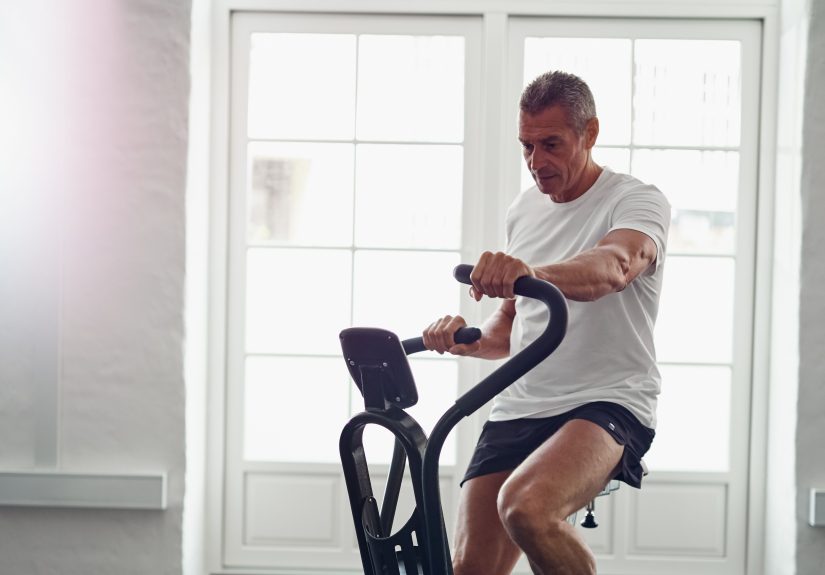
A stationary bike is often used during knee replacement rehabilitation because it encourages knee motion without the pounding of running. At first, many people rock the pedals back and forth before they can make a full revolution. That is normal.
Your therapist may adjust the seat height so your knee can move comfortably. Resistance should be low in the beginning. The goal is mobility first, strength later.
8. Stair Practice
Stair climbing helps build strength and confidence, but it should be done carefully. Early in recovery, many people use the phrase “up with the good, down with the bad.” That means when going upstairs, lead with the non-operated leg. When going downstairs, lead with the operated leg. Use the handrail and follow your therapist’s instructions.
Eventually, many people return to a more normal stair pattern, but rushing stairs is a fantastic way to make your knee, your therapist, and gravity unhappy.
9. Balance and Functional Exercises
As healing progresses, your therapist may add balance work, sit-to-stand practice, step-ups, side steps, and other functional exercises. These movements train the body for real life, where floors are not always flat and chairs are not always the perfect height.
Low-Impact Activities That Are Usually Knee-Friendly
After your surgeon clears you, low-impact exercise can help maintain long-term fitness and protect the new joint. Common options include:
- Walking: Easy to adjust, practical, and excellent for endurance.
- Swimming: Often a great choice once the incision is fully healed and your doctor approves water activity.
- Water aerobics: Buoyancy reduces stress on the joint while allowing movement.
- Stationary biking: Helpful for range of motion and low-impact conditioning.
- Outdoor cycling: Usually considered later, once strength, balance, and reaction time improve.
- Golf: Often possible after recovery, though twisting forces should be discussed with your surgeon.
- Light strength training: Useful when progressed safely and supervised at first.
The best long-term exercise is one you will actually do. If you hate swimming, your new knee will not magically turn you into a cheerful dolphin. Choose activities that fit your personality, schedule, and medical clearance.
Exercises and Activities to Avoid After Knee Replacement
Not every workout is a good match for a replaced knee. Some activities create heavy impact, sudden twisting, or high fall risk. In general, many orthopedic teams recommend avoiding or being cautious with:
- Running or jogging, unless specifically cleared by your surgeon
- Jumping exercises
- High-impact aerobics
- Contact sports
- Deep squats with heavy loads
- Sudden pivoting movements
- Downhill skiing or aggressive sports without medical clearance
- Ladder climbing during early recovery
- Kneeling before your surgeon says it is safe
This does not mean life becomes boring. It means your new knee prefers smart adventure over chaos. The goal is to protect the implant, reduce fall risk, and avoid movements that could irritate healing tissues.
How Much Exercise Is Enough?
Your surgeon or physical therapist may recommend several short exercise sessions per day during early recovery, along with regular walking. Some programs include 20 to 30 minutes of exercise at a time, sometimes multiple times daily, plus walking as tolerated. But this should be personalized.
More is not always better. The right amount of exercise should challenge you without causing a major flare-up. If your knee becomes much more swollen, hot, painful, or stiff after activity, you may have done too much. Recovery requires effort, but it also requires listening. Your knee may not speak English, but swelling is a very clear language.
Pain, Swelling, and When to Slow Down
Some soreness after exercise is common, especially in the early stages. Mild swelling can also happen as activity increases. Many people use ice, elevation, compression if recommended, and rest breaks to manage symptoms.
A helpful rule is to watch how your knee responds over the next 24 hours. If discomfort settles with rest and ice, you may simply be adjusting. If pain increases sharply, swelling becomes worse, or movement becomes more difficult, contact your healthcare team.
Warning Signs to Report
Call your doctor or seek medical help if you notice symptoms such as:
- Sudden calf pain, warmth, redness, or swelling
- Chest pain or shortness of breath
- Fever or chills
- Drainage, worsening redness, or increasing warmth around the incision
- Severe pain that does not improve with medication or rest
- A fall or injury involving the operated knee
- New inability to bear weight or move the knee as instructed
Do not try to “tough it out” with symptoms that could signal infection, blood clot, or implant-related problems. This is not the time for cowboy medicine.
Common Mistakes People Make With Knee Replacement Exercise
Mistake 1: Doing Too Little
Rest is important, but too much rest can slow progress. Skipping exercises can lead to stiffness, weakness, and slower return to function. Your home exercise plan matters, even on days when the couch is making persuasive arguments.
Mistake 2: Doing Too Much
On the other hand, overtraining can increase swelling and pain. A long shopping trip, extra stairs, and a full exercise routine on the same day may be too much early on. Build gradually.
Mistake 3: Ignoring Knee Extension
Many patients focus on bending the knee, but straightening is equally important. Poor knee extension can affect walking mechanics and long-term comfort.
Mistake 4: Limping Without Correction
A limp may feel normal after years of knee pain, but after surgery, the goal is to retrain a smoother walking pattern. Use your walker or cane until your therapist says you can walk safely without it.
Mistake 5: Comparing Your Recovery to Someone Else’s
Your neighbor may have been walking a mile at four weeks. Your cousin may have needed months to feel confident. Both stories can be true. Age, pre-surgery fitness, pain tolerance, surgical details, other health conditions, and consistency all affect recovery.
A Simple Example of a Knee Replacement Exercise Day
Your exact routine should come from your therapist, but a typical early recovery day might include:
- Morning: ankle pumps, quad sets, heel slides, knee straightening work, and a short walk
- Midday: rest, elevation, ice if recommended, then another short walk
- Afternoon: therapy session or home exercise routine
- Evening: gentle mobility work, walking around the house, and swelling management
As you improve, the routine may include stationary biking, step-ups, balance exercises, light resistance work, and longer walking sessions. The secret is progression. You do not need to win recovery in one day. You need to keep showing up.
Experience-Based Tips: What Exercising After Knee Replacement Really Feels Like
Many people expect knee replacement recovery to feel like a straight road: surgery, exercises, progress, victory. In reality, it often feels more like a staircase. You climb a few steps, pause, get annoyed, ice your knee, wonder whether your leg has been replaced by a stubborn loaf of bread, and then climb again.
One common experience is that the first exercises feel surprisingly difficult. An ankle pump may seem simple, but after surgery, even small movements can feel like major negotiations. A heel slide may move only a few inches at first. A straight leg raise may feel impossible until the quadriceps “turns back on.” This does not mean you are failing. It means your body is recovering from a major procedure.
Another real-world lesson is that swelling controls the conversation. You may feel great in the morning, do a little extra walking, sit too long, and suddenly your knee looks puffier by evening. This is why experienced patients often learn to pace themselves. They spread activity throughout the day, elevate the leg when needed, and use ice as part of recovery rather than as a punishment after overdoing it.
Walking confidence also takes time. Many people are eager to ditch the walker or cane because they feel awkward using it. But assistive devices are not a sign of weakness; they are temporary tools that help you walk correctly while your strength and balance return. Walking badly without a cane is usually less impressive than walking well with one.
Sleep can be another surprise. Even when daytime movement improves, nighttime stiffness or discomfort may linger. Some patients find that gentle evening exercises, careful positioning, and following the medication and icing plan from their healthcare team make nights easier. Others simply need patience. Healing tissues do not always respect bedtime.
The emotional side matters, too. Recovery can feel boring, frustrating, and repetitive. Doing the same exercises every day is not glamorous. Nobody throws confetti because you completed another set of quad contractions. But those small repetitions add up. One week you may struggle to bend the knee enough for a bike pedal. Later, you may complete a full backward revolution. Eventually, forward pedaling becomes possible. These small wins are worth noticing.
Many people also discover that pre-surgery habits affect post-surgery progress. If you limped for years, your body may still try to protect the old painful knee even after the joint is replaced. Physical therapy helps retrain those patterns. The new knee may be ready for better movement, but your brain and muscles need practice trusting it.
Perhaps the biggest experience-based tip is this: consistency beats intensity. The patients who tend to do well are not always the ones who push the hardest. They are often the ones who follow instructions, manage swelling, ask questions, walk regularly, do their home program, and avoid turning every good day into an Olympic trial.
By three to six months, many people feel much more independent, but full recovery can continue for a year or more. That long timeline is not bad news. It means you still have room to improve. Strength, endurance, balance, and confidence can keep getting better long after the incision has healed.
Conclusion: Move Smart, Heal Strong, and Respect the New Knee
Exercising after a knee replacement is one of the most important parts of recovery. The right movements help restore strength, improve flexibility, reduce stiffness, support circulation, and make everyday activities easier. But the best plan is not the hardest plan; it is the safest plan you can follow consistently.
Start with the exercises your surgeon and physical therapist recommend. Walk regularly, progress gradually, manage swelling, and choose low-impact activities that support long-term joint health. Avoid rushing into high-impact sports, heavy loads, twisting movements, or anything that causes sharp pain. Most importantly, remember that recovery is not a personality test. Some days will feel strong, some days will feel stiff, and some days your knee will act like it has read the weather forecast and disapproved.
With patience, smart exercise, and professional guidance, many people return to walking, cycling, swimming, golfing, traveling, gardening, and living with less knee pain than they had before surgery. Treat the new knee like a long-term investment: train it, protect it, and give it time to become part of your life.