Table of Contents >> Show >> Hide
- Why the 130 Chair Series Matters
- Thonet’s Legacy Is the Quiet Backdrop
- Naoto Fukasawa’s Design Philosophy in Action
- Materials, Construction, and Variations
- How the 130 Chair Series Fits into Contemporary Interiors
- The Real Luxury: Longevity
- What the Experience of Living with the 130 Chair Series Feels Like
- Conclusion
Note: Clean HTML body only for direct web publishing. Source links have been intentionally left out.
Some chairs kick down the door and demand applause. The Naoto Fukasawa 130 Chair Series for Thonet does the opposite. It walks in quietly, sits down politely, and somehow ends up being the most interesting thing in the room. That calm confidence is exactly what makes the series so compelling. Designed for Thonet in 2010, the 130 program takes the idea of a classic wooden chair and refines it until it feels inevitable, as if it has always existed and merely decided to introduce itself properly.
That “always been there” quality is no accident. Fukasawa has long been associated with a design philosophy that favors intuitive use, visual calm, and a deep respect for everyday life. Thonet, meanwhile, is one of the foundational names in furniture history, a company whose legacy includes the revolution of bentwood furniture and the famous No. 14 café chair. Put those two forces together and you do not get a gimmick. You get a chair series that understands history without cosplaying as history.
The 130 Chair Series is not loud, trendy, or desperate to become an Instagram celebrity. Frankly, that is part of its charm. In a furniture culture that occasionally behaves like it has consumed three espressos and a mood board, the 130 feels wonderfully composed. It offers a lesson that the best furniture often whispers. And when it whispers, good designers lean in.
Why the 130 Chair Series Matters
The significance of the 130 Chair Series starts with its balance. It is rooted in tradition but does not feel nostalgic. It is clearly contemporary but does not chase novelty for novelty’s sake. Fukasawa designed the series as a solid-wood program for Thonet, pairing it with the 1130 tables and giving the collection a unified language for dining and living spaces. The result is a family of chairs and armchairs that feels coherent, practical, and quietly elegant.
At a glance, the design seems almost simple enough to explain in a sentence: a wooden chair with a thoughtfully shaped seat, a comfortable backrest, and proportions that feel immediately familiar. But like many deceptively simple objects, the 130 series becomes more interesting the longer you look at it. The contours are subtle. The transitions are resolved with real discipline. The comfort is built into the form rather than announced with bulky padding and visual drama.
This is furniture that respects the user. It does not ask to be decoded. It does not try to impress you with acrobatics. It just works. That sounds easy. It is not easy. In fact, achieving this level of restraint is one of the hardest things in furniture design. Anyone can add flourishes. Removing them without draining the object of warmth, usefulness, and identity is where the real skill lives.
Thonet’s Legacy Is the Quiet Backdrop
To understand why the 130 Chair Series feels so assured, it helps to understand the company behind it. Thonet is not just another furniture brand with a nice logo and a fondness for adjectives like “timeless.” It is one of the key names in the history of modern furniture. Founded in the early 19th century, Thonet became internationally important through innovations in wood processing, especially the bending of solid wood with steam. That breakthrough helped transform furniture from a craft object into something that could be produced with consistency, shipped efficiently, and used widely.
The iconic No. 14 chair, introduced in 1859, remains one of the most famous examples of industrial furniture design. Its clarity, efficiency, and durability changed the way the world sat. Museums have treated Thonet not merely as a manufacturer but as a major force in design history. That legacy matters because any new wooden chair produced by Thonet automatically enters a conversation with generations of furniture that shaped cafés, dining rooms, public spaces, and modern interiors.
What makes the 130 series smart is that it does not imitate the old bentwood classics. There is no forced retro wink here, no theatrical revival costume. Instead, Fukasawa seems to ask a better question: what would a Thonet wooden chair look like if it were distilled through contemporary life, modern comfort, and a highly disciplined sense of form? The answer is the 130: archetypal, useful, and strangely serene.
A Chair with History in Its Bones, Not on Its Sleeve
Many heritage collaborations fall into one of two traps. Either they become museum replicas dressed up as “new,” or they reject the archive so aggressively that the brand DNA disappears. The 130 Chair Series avoids both mistakes. It feels related to Thonet’s long history because it values clarity, craft, and long-term use. Yet it also feels unmistakably current because the design language is stripped of fuss.
That restraint gives the chair an unusual flexibility. It can live in a pared-down apartment, a warm dining room, a refined restaurant, or a creative office without seeming out of place. In other words, it acts the way a truly successful chair should act: adaptable, dependable, and not in need of a personal spotlight operator.
Naoto Fukasawa’s Design Philosophy in Action
Naoto Fukasawa is often associated with “super normal” design, a way of thinking that values objects that fit so naturally into life that they almost disappear into use. His best work tends to avoid ego. It does not scream “designer!” from across the room. Instead, it invites an unconscious sense of rightness. You recognize the intelligence of the object not because it is over-expressive, but because it feels like it belongs.
The 130 Chair Series is a textbook example of that approach. The chair does not attempt to reinvent sitting, thank goodness. Humanity has enough problems without experimental dinner seating. Instead, Fukasawa refines the relationship between the body and the chair through proportion, ergonomic shaping, and a visual softness that comes from careful detailing rather than decorative excess.
His philosophy also helps explain why the chair appears so familiar on first encounter. Familiarity, in this case, is not a lack of imagination. It is a sign that the design is tapping into deeply understood patterns of use. The chair feels readable. You know how to sit in it. You know where it belongs. You know it will probably get along with your table, your floor, your lighting, and your favorite slightly dramatic dinner guest.
Materials, Construction, and Variations
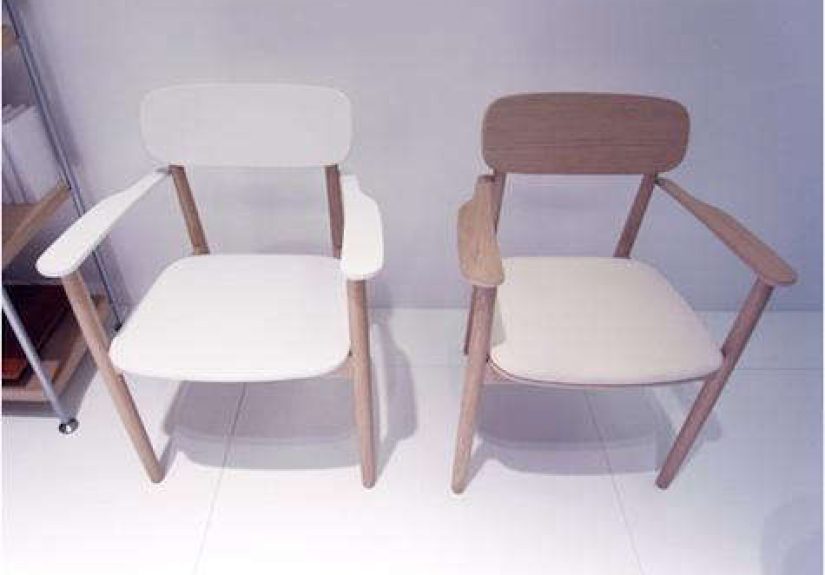
The 130 series uses solid wood as its defining material, a meaningful choice for a company so strongly associated with wood innovation. Versions are available in beech or oak, giving the chairs a range of visual warmth depending on finish and setting. The frame is solid wood, while the seat and backrest are shaped for ergonomic comfort. This shaping is important because it allows the chair to remain visually lean without feeling punishing. A chair can be beautiful, but if it makes every dinner feel like a negotiation with your spine, beauty loses the argument.
One of the strengths of the series is its variety. The collection includes chairs and armchairs, and depending on the model, users can choose plain wood, padded seats, or more fully upholstered seat-and-back combinations. That flexibility expands the chair’s usefulness. A plain wood version can feel crisp and architectural. A padded option softens the presence and increases comfort for longer sitting. A fully upholstered version moves even further toward hospitality or residential coziness.
Because the base form is so controlled, these variations do not dilute the design. They simply adjust its personality. Think of it as the same character wearing different jackets: one in crisp cotton, one in brushed wool, one in something a bit more dressed for dinner.
Comfort Without Visual Clutter
There is a small but meaningful victory in the way the 130 handles comfort. Many contemporary chairs try to announce comfort through bulk. Thick cushions, oversized shells, and puffy silhouettes become shorthand for hospitality. The 130 takes a subtler route. Its comfort is embedded in the shaping of the seat and the calm support of the backrest. The chair looks composed because the ergonomic work has been done with discipline.
This matters aesthetically and practically. A visually lighter chair keeps a dining room from feeling crowded. It allows air and architecture to remain part of the composition. That is especially valuable in smaller interiors, where one oversized chair can make the whole room feel like it is wearing a winter coat indoors.
How the 130 Chair Series Fits into Contemporary Interiors
One reason the 130 Chair Series remains appealing is that it speaks fluently to the way people decorate now. Contemporary interiors often mix natural materials, cleaner lines, and a desire for spaces that feel collected rather than overdesigned. The 130 slips neatly into that world. It has enough character to hold its own, but not so much attitude that it hijacks the room.
In Scandinavian-inspired spaces, the chair’s wood tones and reduced silhouette feel perfectly at home. In more traditional interiors, its archetypal form prevents it from looking alien. In minimal interiors, it adds warmth. In layered interiors, it provides visual rest. That ability to move across styles is what separates durable design from fashionable design. Fashion has a season. Good chairs have a passport.
The chair also works well in hospitality settings because it offers a blend of calm formality and ease. Restaurants, boutique hotels, and design-led cafés often need seating that looks refined but does not intimidate users. The 130 meets that challenge nicely. It feels premium without being precious. It is polished without acting superior. In furniture terms, it has excellent manners.
The Real Luxury: Longevity
Perhaps the smartest thing about the 130 Chair Series is that it is designed for a long relationship. Thonet’s heritage has always been connected to durability and broad use, and Fukasawa’s design instincts naturally lean toward products that remain relevant through everyday life rather than short-lived trends. Together, those values produce furniture that feels durable not only physically, but visually.
That is an underrated kind of luxury. Real luxury in furniture is not always exotic material or theatrical form. Sometimes it is the ability to live with an object for years without growing tired of it. Sometimes it is a chair that still makes sense after a move, a renovation, a changing taste, or a new table. Sometimes it is the relief of owning something that does not age like a bizarre haircut from a regrettable decade.
The 130 series has that staying power. Its lines are calm enough to survive trends, and its construction is grounded enough to earn trust. In a market crowded with chairs designed to be photographed more than used, that is not just refreshing. It is rare.
What the Experience of Living with the 130 Chair Series Feels Like
Spend real time with a chair like the Naoto Fukasawa 130 series, and its strengths reveal themselves gradually rather than all at once. This is not a piece that depends on a dramatic first impression. Instead, it rewards repetition. The experience begins visually: the chair sits with quiet composure in a room, never looking flimsy, never looking heavy, and never begging for attention. It simply settles into the architecture. That can sound modest, but in everyday life it is a huge advantage. Furniture that behaves well in space allows the whole room to feel better.
Then there is the physical experience. The ergonomic shaping of the seat and the measured support of the backrest create a kind of comfort that feels integrated rather than added on. You do not get the sensation of being swallowed by upholstery or propped up by gimmicks. Instead, the chair supports the body in a straightforward, stable way. It is the kind of comfort that encourages conversation, meals that run long, and work sessions that accidentally become brainstorming marathons. In that sense, the 130 does what all great seating should do: it disappears just enough to let life take center stage.
Materially, the wood brings warmth that many modern chairs struggle to achieve. Metal can be crisp. Plastic can be playful. Upholstery can be soft. But wood has a unique ability to make a space feel grounded and lived in. In the 130 series, that warmth is paired with precision, so the effect is neither rustic nor cold. It feels balanced. In natural light, the beech or oak versions can read as calm and almost architectural. In evening light, especially around a dining table, they take on a more intimate mood. A good wooden chair ages with dignity, and this series seems designed with that future in mind.
The different versions also change the experience in useful ways. A plain wooden model feels direct, honest, and almost monastic in its clarity. A padded seat introduces a little softness without compromising the overall restraint. A more upholstered version shifts the chair toward a hospitality feel, making it ideal for spaces where people are meant to linger. Yet all of them retain the same underlying character: composed, human, and quietly intelligent.
Perhaps the most satisfying part of the experience is how easily the chair participates in different routines. It can sit around a dining table without feeling formal. It can work in a study corner without feeling office-like. It can join a mixed set of chairs without looking lonely or bossy. In homes, that flexibility matters because real interiors are rarely perfect showroom stages. They are full of books, cables, half-finished plans, grocery lists, coffee cups, and the occasional decorative object that seemed like a brilliant idea in the store and a confusing one by Tuesday. The 130 holds its dignity through all of it.
Emotionally, the chair offers something even more valuable: calm. It does not generate visual noise. It does not date the room. It does not make the owner work too hard. Over time, that ease becomes part of its appeal. The chair becomes less of a “design purchase” and more of a trusted part of daily life. That transformation is a hallmark of successful furniture. The best pieces stop being acquisitions and start being companions.
In the end, the experience of the 130 Chair Series is less about spectacle and more about trust. You trust it to be comfortable enough, beautiful enough, adaptable enough, and durable enough. That repeated reliability is what turns good design into beloved design. And that, more than any flashy launch or fashionable label, is why the series continues to matter.
Conclusion
The Naoto Fukasawa 130 Chair Series for Thonet is a strong example of how contemporary furniture can honor tradition without becoming trapped by it. It draws from Thonet’s remarkable history in wood furniture while expressing Fukasawa’s own belief in intuitive, background-friendly, deeply usable design. The result is a chair series with archetypal clarity, gentle ergonomics, and a versatility that suits both private and public interiors.
Its real achievement lies in what it refuses to do. It refuses to overstate itself. It refuses trend-driven theatrics. It refuses unnecessary complication. In a design landscape that often confuses novelty with value, the 130 Chair Series reminds us that intelligence can be calm, elegance can be subtle, and a chair does not have to shout to leave a lasting impression.
If you are drawn to furniture that grows better with time, adapts to different settings, and respects both body and eye, the 130 series is worth serious attention. It proves that the future of classic furniture is not imitation. It is thoughtful continuation. And in that regard, Fukasawa and Thonet make a remarkably convincing pair.