Table of Contents >> Show >> Hide
- Why Shampoo Burns Your Eyes
- What to Do Immediately: The Fastest Safe Method
- What Not to Do After Getting Shampoo in Your Eye
- When to Seek Medical Help
- How Long Does Shampoo Eye Irritation Last?
- Why Baby Shampoo Still Can Sting
- What If You Got Dandruff Shampoo in Your Eye?
- What If Shampoo Gets in a Child’s Eyes?
- How to Prevent Shampoo From Getting in Your Eyes
- Common Mistakes People Make
- Can Shampoo Cause an Eye Infection?
- Quick Checklist: Shampoo in Eye First Aid
- Real-Life Experiences: What Shampoo-in-Eye Moments Teach Us
- Conclusion
One second you are having a perfectly normal shower. The next, your eyeballs feel like they have joined a tiny soap operadramatic, watery, and deeply offended. Getting shampoo in your eyes is common, uncomfortable, and usually not dangerous when handled quickly. The key is simple: rinse, do not rub, and pay attention to symptoms that do not calm down.
This guide explains how to get shampoo out of your eyes safely, what not to do, when to call a doctor, and how to prevent future bathroom-based eye emergencies. Think of it as your calm, practical rescue plan for the moment your shampoo decides to explore new territory.
Why Shampoo Burns Your Eyes
Shampoo is made to remove oil, dirt, sweat, and product buildup from hair. To do that, it often contains cleansing ingredients called surfactants. These ingredients help shampoo mix with oil and water, which is great for your scalp but not exactly a spa day for your eyes.
The surface of the eye is delicate. Your tear film, cornea, and conjunctiva are sensitive to changes in pH, fragrance, preservatives, and detergents. When shampoo gets in the eye, it can disturb the tear film and irritate the surface, causing burning, stinging, redness, watering, and temporary blurry vision.
Most regular shampoos cause temporary irritation rather than serious injury. However, stronger productssuch as medicated shampoos, dandruff shampoos, clarifying formulas, color-treatment products, or anything with harsh chemicalsmay cause more intense symptoms. That is why rinsing right away matters.
What to Do Immediately: The Fastest Safe Method
Step 1: Stay Calm and Keep the Eye Open
Your first instinct may be to squeeze your eyes shut and question every life choice that led to this shower. Try not to panic. The faster you rinse, the faster the shampoo gets diluted and washed away.
Gently hold the affected eyelid open if you can. Blink while rinsing so water reaches more of the eye surface. If both eyes are affected, rinse both eyes.
Step 2: Rinse With Clean, Lukewarm Water
Use clean, lukewarm tap water, sterile saline, or an eyewash solution if available. Lukewarm water is usually best because very hot water can irritate the eye further, while very cold water may make it harder to keep rinsing comfortably.
The easiest options include:
- Standing under a gentle shower stream and letting water flow over the affected eye
- Leaning over a sink and splashing clean water into the eye
- Using a clean cup to pour water gently across the eye
- Using sterile saline if you have it nearby
Let the water flow from the inner corner of the eye outward when possible. This helps move the shampoo away from the other eye and away from the nose.
Step 3: Rinse for Several Minutes
For ordinary shampoo irritation, rinsing for several minutes may be enough. If the burning is intense, the product is medicated, or you are not sure what got into your eye, rinse for 15 to 20 minutes. When in doubt, rinse longer rather than shorter.
Do not stop after two quick splashes if the eye still feels soapy. Shampoo can hide under the eyelid and continue irritating the eye surface. Keep blinking, keep rinsing, and give your eye a chance to recover.
Step 4: Remove Contact Lenses
If you wear contact lenses, start rinsing right away. If the lenses do not come out on their own during rinsing, remove them as soon as you can do so safely with clean hands. Shampoo can get trapped under a lens, making irritation worse.
Do not put the same lenses back in immediately. If your eyes remain red, irritated, painful, or blurry, avoid contact lenses until your eye feels normal again or an eye care professional says it is safe.
What Not to Do After Getting Shampoo in Your Eye
Do Not Rub Your Eye
Rubbing may feel tempting, but it can make irritation worse. Your fingers may also carry more shampoo, bacteria, or dirt into the eye. If the eye feels itchy or gritty, rinse again instead of rubbing.
Do Not Use Random Eye Drops
Do not reach for medicated eye drops, redness-relief drops, or anything not meant for your situation. Some drops can sting or make irritation worse. If your eye feels dry after rinsing, preservative-free artificial tears may be soothing, but avoid medicated products unless a healthcare professional recommends them.
Do Not Use Milk, Oils, Vinegar, or Home Remedies
Your eye does not need a kitchen experiment. Milk, vinegar, oils, herbal rinses, or “neutralizing” tricks can increase irritation or introduce germs. Clean water or sterile saline is the safest first response.
Do Not Ignore Severe Symptoms
Most shampoo-in-eye moments improve quickly after rinsing. But if pain, swelling, vision changes, light sensitivity, or redness continues, the problem may be more than simple irritation.
When to Seek Medical Help
Call an eye doctor, urgent care, Poison Control, or emergency services if symptoms are severe or do not improve after thorough rinsing. In the United States, Poison Control can be reached at 1-800-222-1222 for guidance after product exposure.
Seek medical care quickly if you notice:
- Persistent eye pain after rinsing
- Blurred vision that does not clear
- Extreme redness or swelling
- Light sensitivity
- A feeling that something is stuck in the eye
- Discharge from the eye
- Symptoms lasting more than an hour after rinsing
- Exposure to medicated shampoo, chemical treatment, hair dye, bleach, or other strong products
Children may need extra attention because they may not describe symptoms clearly. If a child gets shampoo in their eyes and continues crying, rubbing, squinting, or refusing to open the eye after rinsing, contact a healthcare professional.
How Long Does Shampoo Eye Irritation Last?
In many cases, the burning starts to fade within a few minutes of proper rinsing. Mild redness or watering may last a little longer, especially if you rubbed the eye before rinsing. Temporary blurry vision can happen because tears and water disrupt the surface of the eye, but it should improve as the eye clears.
If your eye still feels painful, gritty, or blurry after a full rinse and rest period, do not simply “sleep it off” and hope for the best. Eye irritation is usually minor, but the eye is too important to treat like a mystery drawer in the kitchen.
Why Baby Shampoo Still Can Sting
Many people assume baby shampoo is completely tear-free. “Tear-free” usually means the formula is designed to be gentler and less irritating, not that it is magical unicorn water. Even gentle shampoo can cause burning if enough gets into the eye.
Baby shampoo may be less harsh than some adult formulas, but it can still disturb the tear film. If it gets in your eye, rinse the same way: clean water, gentle flow, no rubbing.
What If You Got Dandruff Shampoo in Your Eye?
Dandruff shampoos may contain active ingredients such as selenium sulfide, zinc pyrithione, ketoconazole, coal tar, or salicylic acid. These products can be more irritating than regular shampoo, especially if they sit on the eye surface for more than a moment.
If dandruff shampoo gets in your eye, rinse immediately and thoroughly. If symptoms are intense or continue after rinsing, call Poison Control or an eye care professional. Bring the bottle or take a photo of the label if you need medical advice, because the ingredients matter.
What If Shampoo Gets in a Child’s Eyes?
Children often react loudly when shampoo gets in their eyes, and honestly, fair enough. The most important thing is to rinse gently without making the situation more frightening.
Tips for Helping a Child Rinse
- Use a calm voice and explain that water will help the sting go away.
- Have the child tilt their head so water runs away from the unaffected eye.
- Use a cup, showerhead on low pressure, or clean damp washcloth to guide water gently.
- Encourage blinking rather than squeezing the eye shut.
- Do not force the eye open aggressively.
If the child continues to complain of pain, cannot open the eye, has swelling, or says they cannot see clearly, seek medical advice.
How to Prevent Shampoo From Getting in Your Eyes
Prevention is less dramatic than emergency rinsing, but it is also much nicer. A few shower habits can reduce the chances of shampoo making a surprise entrance.
Tilt Your Head Back
When rinsing shampoo, tilt your head slightly backward so suds run away from your face. This is the classic salon move for a reason. Your hair gets clean, and your eyes do not have to file a complaint.
Use Less Shampoo
More shampoo does not always mean cleaner hair. Using too much product creates more foam, more runoff, and more opportunities for eye contact. Start with a small amount and add more only if needed.
Rinse Slowly Around the Hairline
The hairline is where shampoo often escapes. Use your fingers to guide water backward and away from your forehead. Keep your eyes closed while rinsing, but avoid squeezing them so tightly that shampoo gets trapped around the lids.
Try a Tear-Free Formula for Kids
For children, a tear-free shampoo may reduce irritation. It is not a guarantee, but it can make bath time easier. Still, teach children to look up or tilt back while rinsing.
Use a Visor or Washcloth
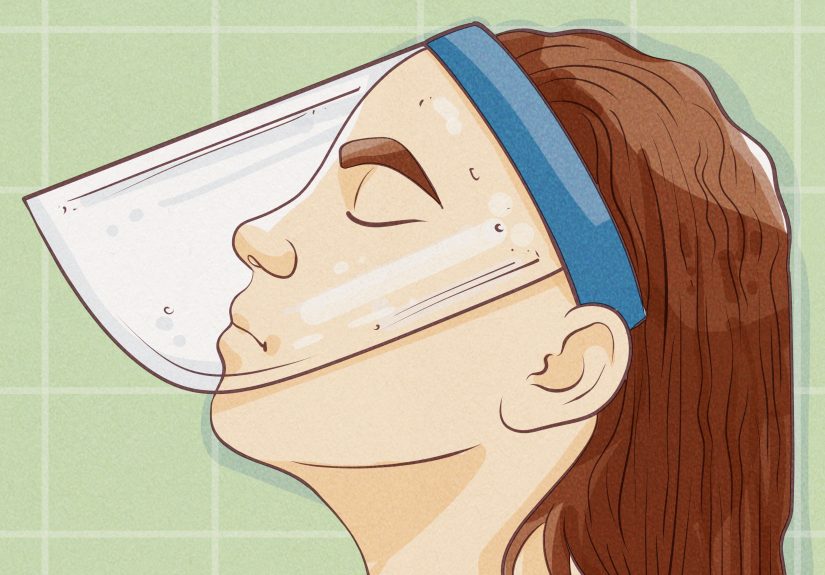
For toddlers or anyone who hates water near the face, a bath visor or folded washcloth across the forehead can help direct water away from the eyes.
Common Mistakes People Make
The biggest mistake is rubbing the eye. The second biggest mistake is rinsing for five seconds and declaring the job done while the eye is still burning like it just read a rude email. Proper rinsing takes a little patience.
Another mistake is using redness-relief drops too soon. These drops may reduce redness temporarily, but they do not remove shampoo. Water does the real work. Drops are not a substitute for flushing the eye.
Some people also forget to wash their hands before touching contact lenses or eyelids. If your hands still have shampoo on them, you can accidentally restart the whole problem. Wash and rinse your hands thoroughly first.
Can Shampoo Cause an Eye Infection?
Shampoo itself usually causes irritation, not infection. However, rubbing your eye with dirty hands or continuing to wear contaminated contact lenses can increase the risk of additional irritation or infection. That is why clean hands, careful rinsing, and contact lens caution are important.
If you develop worsening redness, discharge, swelling, pain, or light sensitivity later, contact an eye care professional. These symptoms may signal a problem that needs treatment.
Quick Checklist: Shampoo in Eye First Aid
- Stop what you are doing and rinse immediately.
- Use clean, lukewarm water or sterile saline.
- Keep the eyelid open gently and blink while rinsing.
- Remove contact lenses after or during rinsing when safe.
- Do not rub the eye.
- Do not use home remedies.
- Seek help if pain, redness, swelling, or vision changes continue.
Real-Life Experiences: What Shampoo-in-Eye Moments Teach Us
Anyone who has ever gotten shampoo in their eyes knows the experience has a very specific timeline. First comes confidence. You are washing your hair like a responsible adult. Then a single rebellious stream of foam slides down your forehead. You sense danger. You close your eyes. Somehow, against all laws of physics and fairness, the shampoo still gets in.
The first lesson from real life is that panic makes everything messier. Many people instinctively start wiping their face with shampoo-covered hands, which spreads the suds around. A better move is to stop, rinse your hands quickly, and then focus on flushing the eye. It sounds simple, but in the moment, your brain may act like it has never met water before.
Another common experience is the “I rinsed once, why does it still burn?” problem. Shampoo can cling to lashes, eyelids, and the corners of the eye. A quick splash may remove some product, but not all of it. People often feel better only after several minutes of steady rinsing. The difference between a short splash and a real rinse can be huge.
Parents learn this lesson quickly during bath time. A child with shampoo in their eyes is not interested in a calm lecture about surfactants. They want the sting gone immediately. The most helpful approach is to stay calm, use gentle water pressure, and turn rinsing into a simple instruction: “Blink, blink, blink.” A playful distraction, such as counting together or pretending the water is a tiny eye waterfall, can help younger kids cooperate.
Contact lens wearers have their own version of the story. Shampoo under a contact lens can feel especially irritating because the lens may hold the product against the eye. Many contact lens users say the eye feels better only after the lens is removed and the eye is rinsed again. The practical takeaway is clear: do not rush to put contacts back in after an eye irritation episode. Glasses may not be your fashion plan for the day, but they are often the kinder choice for your eyes.
People with sensitive eyes also notice that not all shampoos behave the same way. A heavily fragranced shampoo, clarifying formula, or dandruff shampoo may sting more than a mild formula. If your eyes burn often during showers, it may be worth switching to a gentler shampoo, using less product, or changing your rinsing angle. Your scalp may not care about your shower technique, but your eyes definitely do.
There is also the classic gym-shower experience: tiny stall, questionable water pressure, shampoo bottle balanced like a circus performer, and suddenly one eye is out of commission. In that setting, the best strategy is still the same. Find clean running water, rinse thoroughly, and avoid rubbing with a towel. Towels can carry detergent residue, sweat, or bacteria, so gentle rinsing beats aggressive wiping every time.
The final experience worth mentioning is the “it felt fine, then irritated later” situation. Sometimes the eye seems better after rinsing, but dryness or mild redness returns later in the day. This may happen because the tear film was disrupted. Resting the eyes, avoiding contacts, and using preservative-free artificial tears may help mild dryness. But if symptoms worsen or vision changes appear, it is time to get professional advice.
The big lesson is that shampoo in the eye is usually a small problem that feels enormous for a few minutes. Handle it quickly, rinse generously, avoid the folk remedies, and watch for warning signs. Your eyes are dramatic because they are sensitive, not because they are trying to ruin your morning.
Conclusion
Getting shampoo out of your eyes starts with one reliable action: rinse immediately with clean, lukewarm water or sterile saline. Keep the eye open gently, blink often, and continue rinsing until the burning improves. Avoid rubbing, random drops, and home remedies. If pain, redness, swelling, light sensitivity, or blurry vision continues, contact an eye care professional or Poison Control for guidance.
Most shampoo eye irritation clears with proper rinsing, but taking it seriously protects your comfort and your vision. The next time shampoo takes a wrong turn, you will know exactly what to docalmly, safely, and without turning your bathroom into a medical drama.