Table of Contents >> Show >> Hide
- Why gasoline storage is a bigger deal than people think
- Use the right container (because “whatever bottle is nearby” is not a plan)
- Choose the safest storage location
- How much gasoline should you store?
- Safe filling and pouring (where most accidents happen)
- Gasoline shelf life, stabilizers, and the art of rotation
- What to do with old gasoline (without creating a bigger hazard)
- Spills, fumes, and fire: what to do when something goes wrong
- Quick safety checklist you can screenshot mentally
- FAQs
- Conclusion: store less, store smarter, sleep better
- Experience Notes: real-life gasoline storage lessons people learn the hard way
- SEO Tags
Gasoline is incredibly useful. It’s also the houseguest who shows up uninvited, tracks muddy footprints across the carpet,
and then asks if your garage has “good ventilation.” In other words: treat it with respect.
This guide walks through practical, real-world gasoline storage safetywhat containers to use, where to store fuel, how much
is “reasonable,” how to avoid fumes and spills, and what to do when gasoline gets old. The goal is simple: keep your home,
family, and tools powered without turning your storage area into a fire hazard.
Why gasoline storage is a bigger deal than people think
It’s the vapors that cause most of the trouble
Liquid gasoline doesn’t have to be “on fire” to be dangerous. Gasoline evaporates easily, and those vapors can ignite fast
if they meet a spark, pilot light, or hot surface. Even worse: gasoline vapors are heavier than air, so they can sink and
travel along the floor to an ignition source you didn’t even realize was nearby.
Fumes can be a health problem, too
Breathing gasoline vapors in a poorly ventilated space can cause headaches, dizziness, irritation, and other symptomsespecially
if there’s a spill or a container left unsealed. That’s one reason “don’t store gasoline indoors” is such a common safety rule:
the risk isn’t just a dramatic Hollywood explosion; it’s also the slow, sneaky buildup of fumes.
The real-world garage scenario
Imagine a partly filled gas can sitting near a water heater or furnace in an attached garage. You may never see flamesuntil
the day fumes meet a pilot light, or a spill creeps under an appliance. Safe gasoline storage is basically removing those “until”
moments from the equation.
Use the right container (because “whatever bottle is nearby” is not a plan)
Only use approved portable fuel containers
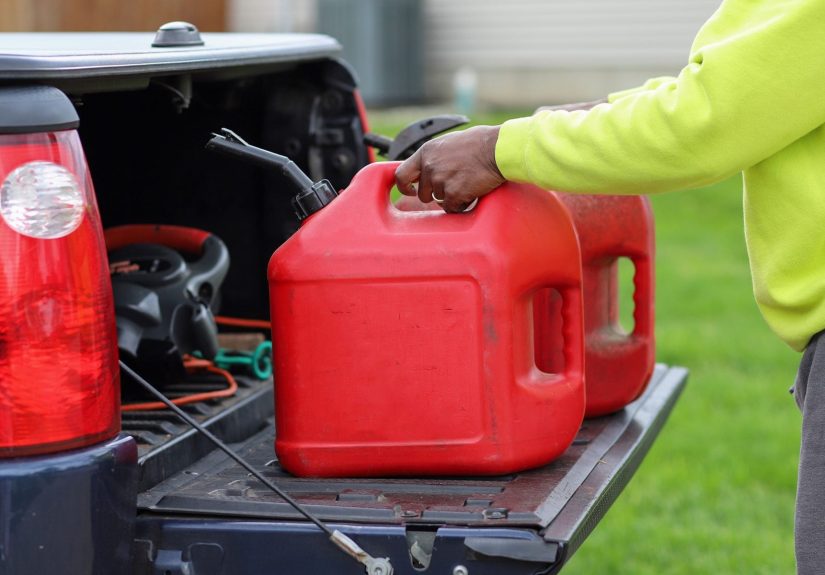
For home use, store gasoline only in containers made and labeled for gasolinetypically a red gas can or a metal safety can.
Modern gas cans sold in the U.S. are designed to reduce fire risk and accidental spills; some standards also require
features like flame mitigation and child-resistant closures. If you’re shopping, look for markings that indicate compliance
with current U.S. safety requirements or recognized standards.
Know what a “safety can” is
A true safety can (often metal) is designed for flammable liquids: it has a spring-closing lid, a protected spout,
and built-in pressure relief so it’s less likely to rupture if exposed to heat. In workplace safety rules, a safety can
is typically limited to 5 gallonsuseful as a sanity check for home storage, too. If you see a container claiming to be a
“gas can” but it looks like flimsy plastic with a questionable cap, keep shopping.
Never use these “containers” for gasoline
- Glass jars (breakage + fuel = instant regret)
- Milk jugs, soda bottles, water bottles, or food containers (not fuel-rated, not sealed properly)
- Open buckets or unsealed cans (vapor city)
- Old, damaged, bulging, or cracked gas cans
Label everything like Future You will be tired
Label your containers with “GASOLINE” and the date purchased. If you use stabilizer, note that too.
This prevents mix-ups with kerosene, diesel, or “mystery fuel” that clogs small engines and ruins Saturdays.
Choose the safest storage location
Best option: a detached, ventilated shed
If you can store gasoline away from your living space, do it. A detached shed that stays cool and ventilated is ideal,
especially compared with basements, utility rooms, or closets inside the home. If your shed can be locked, even bettergasoline
should be kept away from kids and unauthorized access.
If you must use a garage, treat it like a “fuel zone”
Many households store small amounts of gasoline in a garage for lawn equipment, snow blowers, or emergency generators.
If that’s you, focus on these rules:
- Keep fuel far from ignition sources (water heater, furnace, space heater, welding tools, power tools sparking at startup).
- Store containers on a stable surface where they can’t tip.
- Keep containers out of direct sun and away from high heat.
- Don’t store gasoline near paint thinner, propane, or other flammablesgrouping hazards isn’t a hobby.
Never store gasoline inside the home
This includes basements, laundry rooms, kitchens, hall closets, and “just for tonight” by the back door. Homes contain ignition sources
you can’t always see (pilot lights, switches, relays), and they’re built to keep air comfortablenot to vent flammable vapors safely.
A note about storing gasoline in vehicles
Avoid leaving filled gas cans in a car trunk, back seat, or truck cab. Heat causes fuel to expand and increases vapor pressure, and a
small leak can quickly turn your vehicle into a rolling fume chamber. If you transport gasoline, do it for the trip you’re makingnot
as a long-term storage strategy.
How much gasoline should you store?
The safest amount is the amount you’ll actually use soon. Local fire codes vary, and some communities set specific residential limits.
A common theme in many fire-prevention guidelines is: keep quantities small, use approved containers, and consider detached storage when possible.
A practical “homeowner” approach
- For lawn equipment: 1–2 small containers that you rotate regularly is usually plenty.
- For emergency generator readiness: store a modest amount you can refresh on schedule (more on rotation below).
- If you feel tempted to stockpile: pause and check local fire code guidance first.
Also remember: “empty” gas cans aren’t truly empty. Residual fumes still count as a hazard, so treat empty containers with the same care:
keep them sealed and stored properly.
Safe filling and pouring (where most accidents happen)
Fill outdoors, on the ground, away from ignition
When you fill a portable gas can, set it on the grounddon’t fill it while it’s sitting in a vehicle bed or trunk.
This reduces static electricity risk and helps you control spills. Keep the area away from cigarettes, running engines,
or anything that could spark.
Leave expansion room
Gasoline expands as it warms. Overfilling increases the chance of leaks and pressure-related problems. A simple rule of thumb:
stop short of “brimming” the container and leave headspace so the fuel has room to expand.
Pouring without turning it into a slippery science experiment
- Use a spout designed for the container (no DIY funnel inventions made from cut water bottles).
- Pour slowly to prevent splashing.
- Wipe drips and close the cap immediately after use.
- If the container is hard to control, switch to a smaller one. Pride is not spill containment.
Static electricity and “quick transfers”
For typical home use, the biggest static-related wins are simple: fill containers on the ground, keep them closed, and avoid
transferring fuel unnecessarily. If you’re handling larger quantities or specialized setups, follow recognized safety practices
for bonding/grounding and use proper equipmentthis is not the place to improvise.
Gasoline shelf life, stabilizers, and the art of rotation
How long does gasoline last?
Gasoline doesn’t improve with age. Over time it can lose volatility and form gums/varnish that clog carburetors and fuel systems.
Ethanol-blended gasoline can also attract moisture, which may cause performance issues in small engines if fuel sits too long.
For many homeowners, the most reliable strategy is to buy smaller amounts more often and rotate what you store.
When a fuel stabilizer helps
Fuel stabilizer can extend usability for seasonal equipment and emergency preparednessespecially if you won’t burn through your supply quickly.
If you use stabilizer, follow the product directions, label the can, and still rotate regularly. Stabilizer is a helper, not a time machine.
A simple rotation system that actually works
- Write the purchase month/date on each container.
- Use the oldest fuel first in your equipment (or in your vehicle, if appropriate for your situation and manufacturer guidance).
- Refill the container and update the date.
For generators, many people use a “two-can method”: one can marked “current,” one marked “next,” and a calendar reminder to rotate.
The key is consistency, not perfection.
What to do with old gasoline (without creating a bigger hazard)
Signs your gas is past its prime
- Stronger-than-normal sour smell
- Engine runs rough, won’t start, or gums up after storage
- Fuel looks unusually dark or cloudy
What not to do
- Don’t pour gasoline down drains, onto soil, or into storm gutters.
- Don’t burn it off in a fire pit (seriouslyno).
- Don’t store “maybe I’ll use it someday” fuel indefinitely.
The safer options
Many communities offer household hazardous waste drop-offs or collection events. That’s typically the best route for stale fuel.
If you’re unsure what your area allows, check local government guidance for hazardous waste disposal and fire safety.
Spills, fumes, and fire: what to do when something goes wrong
If you spill gasoline
- Stop the source (upright the can, close the cap).
- Eliminate ignition sources (no switches, no tools, no “I’ll just start the car real quick”).
- Ventilate the area (open doors, increase airflow).
- Absorb the spill with appropriate absorbent material (kitty litter-style absorbents are commonly used).
- Dispose of cleanup materials according to local hazardous waste rules.
If fumes are making people feel sick
Get to fresh air immediately. If symptoms are severe or someone is confused, very drowsy, or having trouble breathing,
seek medical help right away. Gasoline is not a “walk it off” situation when vapors are involved.
If there’s a fire
Your first job is to get people out and call emergency services. A fire extinguisher rated for flammable liquids (Class B)
can be useful for very small, contained firesbut only if you know how to use it and have a clear escape route. If the fire is growing,
back out and let professionals handle it.
Quick safety checklist you can screenshot mentally
- Container: approved gas can or safety can, in good condition, tightly sealed.
- Location: detached shed preferred; otherwise a ventilated garage area away from ignition sources.
- Quantity: store only what you’ll use soon; follow local fire code guidance.
- Filling: outdoors, on the ground, no smoking, no running engines.
- Headspace: don’t overfill; allow room for expansion.
- Labeling: fuel type + date purchased (and stabilizer if used).
- Rotation: use oldest first; don’t let fuel age into “mystery liquid.”
- Security: keep away from kids; consider locking storage.
FAQs
Can I store gasoline in my attached garage?
Many people do, but it’s higher risk than detached storage. If you store gasoline in an attached garage, keep the quantity small,
use approved containers, store it far from ignition sources, and maintain ventilation. Always follow local fire code guidance.
Is plastic or metal better?
Both can be safe if the container is approved and in good condition. Metal safety cans are rugged and often include features
designed for flammable liquids. Approved plastic cans are common for homeowners and can be safe when used correctly. The most important
factor is: use an approved container designed for gasoline, not a random substitute.
Do I really need to date my gas cans?
Dating takes five seconds and can save you from an hour of engine troubleshooting later. It also helps prevent the slow creep from
“I’ll use this next week” to “I think this gas remembers the Obama administration.”
Should I store gasoline for emergencies?
If you rely on a generator or live in an area with frequent outages, some fuel storage can make sense. The safest emergency plan is
one you maintain: store a modest amount, stabilize if appropriate, and rotate on a schedule.
Conclusion: store less, store smarter, sleep better
Safe gasoline storage comes down to a handful of consistent habits: use approved containers, keep fuel away from living spaces and ignition sources,
avoid stockpiling, label and rotate your supply, and treat spills and fumes as the serious hazards they are. If you do those things, gasoline becomes
what it’s meant to bea useful toolnot a risk you ignore until it surprises you.
When in doubt, check your local fire department or municipal guidance. Your future self (and your garage) will thank you.
Experience Notes: real-life gasoline storage lessons people learn the hard way
Most gasoline problems don’t start with someone doing something wildly dramatic. They start with “just this once” decisions that stack up.
Here are common, experience-based scenarios that come up again and againso you can learn the lesson without paying the tuition.
1) The “sun-baked can” surprise
Someone leaves a gas can where sunlight hits itnear a garage window, on a porch, or in the back of a truck “for later.”
Later arrives with a strong fuel smell, a container that looks slightly swollen, and a panicked realization that heat changes everything.
The fix is boring but effective: store gasoline in a cool, shaded spot and don’t treat a vehicle as a storage shed.
2) The basement fume mystery
A homeowner stores a small can “out of the way” insideoften in a basement utility area. Nobody spills anything, but over time
the smell shows up, headaches start, and people blame everything except the gas can. The issue is usually vapor: imperfect seals,
temperature swings, and poor ventilation. When gasoline lives indoors, fumes can become everyone’s unwanted roommate.
3) The generator that won’t start when you need it most
This one is classic: the power goes out, the generator is wheeled out, and it refuses to cooperate. The culprit is often old fuel.
Gasoline that sits too long can degrade and cause starting problemsespecially in small engines. People then replace spark plugs,
clean carburetors, and discover (too late) that fuel rotation matters more than wishful thinking. Dating containers and rotating on a schedule
is the unglamorous secret weapon of emergency preparedness.
4) The “mystery can” mix-up
In many garages, red cans are “gas,” yellow cans are “diesel,” and blue cans are “kerosene”until somebody buys a new can in a different color,
or an old can loses its label, or someone borrows one and returns it “helpfully filled.” Mix-ups can damage equipment or create unsafe situations
if the wrong fuel is used. Clear labeling (fuel type + date) prevents a lot of confusion, and it’s one of the cheapest safety upgrades you’ll ever make.
5) The tiny spill that becomes a big problem
A small splash during refueling doesn’t look dramatic. But if it happens in a garage, fumes can linger, and the slick spot can spread.
People step in it, track it, and suddenly you have gasoline smell in places gasoline should never visit. The lesson: refuel outdoors when possible,
pour slowly, keep caps closed, and clean spills immediately using appropriate absorbents and disposal practices.
6) The “I’ll just store it in the car” myth
Some folks keep a filled gas can in the trunk “just in case.” It feels prepareduntil a warm day turns that trunk into a hot box.
Vapors build, the smell leaks into the cabin, and a minor leak becomes a serious exposure and fire risk. Transport gasoline only when needed,
and store it in a proper location instead.
The common thread in all these stories isn’t fearit’s friction. When the safe choice is easy (approved container, good location, clear label,
rotation habit), people do it. Make the safe choice your default, and gasoline becomes a background tool rather than a headline.