Table of Contents >> Show >> Hide
- What Powdery Mildew Looks Like on Roses
- Why Roses Get Powdery Mildew
- How to Get Rid of Powdery Mildew on Roses
- Are Homemade Remedies Worth Trying?
- How to Prevent Powdery Mildew from Coming Back
- Common Mistakes That Make Powdery Mildew Worse
- When It May Be Time to Replace the Rose
- Experience: What Gardeners Learn After a Few Battles With Powdery Mildew on Roses
- Conclusion
Powdery mildew is the clingy ex your rose bush never invited over. One week your plant looks elegant and vaguely British, and the next it looks like someone dusted the leaves with flour and bad intentions. The good news? Powdery mildew on roses is common, recognizable, and very manageable if you act early and fix the conditions that invited it in the first place.
If you want to get rid of powdery mildew on roses, the winning formula is simple: remove the worst infected growth, improve airflow, water correctly, avoid pushing soft new growth with too much nitrogen, and use a labeled treatment before the problem turns your rose into a botanical ghost. In other words, don’t just spray and pray. Roses appreciate a little strategy.
This guide walks through exactly how to identify powdery mildew, what causes it, how to treat it effectively, and how to stop it from staging a comeback next season.
What Powdery Mildew Looks Like on Roses
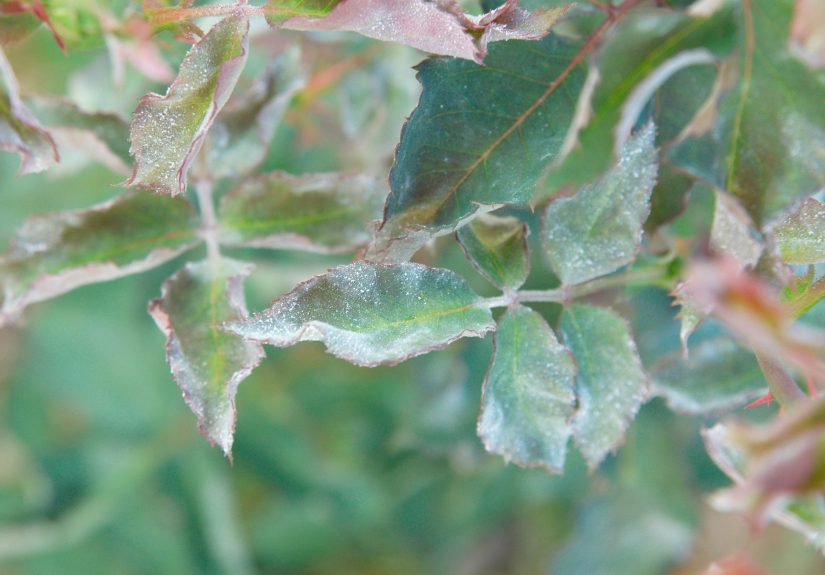
Powdery mildew usually appears as a white or grayish powder on young leaves, stems, and flower buds. It often starts on tender new growth, which is why it can feel extra rude: the rose’s prettiest fresh growth is the first thing to get hit. As the disease progresses, leaves may curl, twist, pucker, or look narrow and distorted. Buds can fail to open properly, and flowers may look misshapen or underwhelming.
In mild cases, the problem is mostly cosmetic. In heavier infections, the plant’s vigor can drop, growth can be stunted, and the rose can look tired long before the season is over. That is why early action matters. Waiting until the whole shrub looks powdered like a donut is not a gardening technique.
Why Roses Get Powdery Mildew
Powdery mildew is caused by a fungal pathogen that loves a very specific kind of garden chaos: moderate temperatures, humid air, limited airflow, crowded growth, and soft succulent foliage. Unlike many plant diseases, powdery mildew does not need a film of water sitting on the leaves to infect. That is why you can see it even when the foliage is not visibly wet.
The conditions that make mildew feel at home
Roses are more likely to develop powdery mildew when they are planted too close together, tucked into shady corners, or surrounded by dense nearby plants that trap humidity. Heavy feeding with high-nitrogen fertilizer can make the problem worse because it pushes lush, tender growth that mildew finds especially delicious. Some rose varieties are also simply more susceptible than others.
Spring and fall are often prime powdery mildew seasons in many regions because temperatures are milder and nights can be humid. That is why a rose can look perfectly fine in midsummer, then suddenly develop mildew when weather patterns shift and airflow is poor.
How to Get Rid of Powdery Mildew on Roses
If your rose already has powdery mildew, focus on treatment in layers. No single fix works as well as a smart combination.
1. Remove the worst infected growth first
Start by pruning off heavily infected leaves, buds, and shoot tips. If only a few leaves are affected, removing those early can slow the spread. If an entire shoot is coated and distorted, cut it back to healthy tissue. Make clean cuts, avoid tearing stems, and throw infected material in the trash rather than composting it if your compost pile does not run hot enough to break down disease material quickly.
Do not go overboard and scalp the plant in a moment of mildew-fueled rage. Roses still need foliage to recover. The goal is to reduce disease pressure, not traumatize the shrub into a second problem.
2. Increase air circulation around the plant
Next, make the area less welcoming to fungal growth. Thin crowded interior stems if the center of the plant is dense. Trim back nearby perennials or shrubs that are boxing the rose in. If the plant is jammed against a fence, wall, or hedge with very little airflow, consider whether that site is part of the problem.
Powdery mildew thrives in stagnant, humid pockets. A rose with room to breathe has a much better chance of staying clean. Think of this as moving your plant from a packed elevator into a breezy porch chair.
3. Water the soil, not the whole performance
Water deeply at the base of the rose rather than misting the entire plant in the evening. Drip irrigation or a hose aimed at the soil is usually better than routine overhead watering. The point is to keep the rose well-watered without creating a persistently humid canopy.
At the same time, do not let the plant go drought-stressed. A stressed rose is not a strong rose, and weak plants are easier for diseases to bully. Consistent soil moisture helps the plant keep growing through the damage and produce stronger new foliage.
4. Stop overfeeding with nitrogen
If you have been applying a lot of high-nitrogen fertilizer, ease up. Fast, sappy, tender growth is prime powdery mildew territory. Feed roses according to their needs and your local growing conditions, but avoid the habit of pushing nonstop flushes of soft new leaves. Balanced feeding is better than a fertilizer frenzy.
This is one of the most overlooked parts of mildew control. Gardeners often assume the answer is “more product,” when sometimes the better answer is “less enthusiastic fertilizing.”
5. Treat early with a product labeled for powdery mildew on roses
Once you have cleaned up the plant and improved conditions, use a treatment that is labeled for powdery mildew on roses. Common options include horticultural oils, neem-based oil products, sulfur, and potassium bicarbonate products. These work best when applied early, while the infection is still limited and before every new leaf is affected.
Always read the label, because the label tells you whether the product is approved for roses, how often to apply it, what temperatures are safe, and what plants or situations could lead to injury. That matters. A product can be effective and still burn foliage if used carelessly.
Two important cautions: first, avoid spraying oils during very hot weather or on drought-stressed plants. Second, do not use oils close to sulfur applications unless the product label specifically allows it. That combination can injure plants. When in doubt, slow down and follow the label instead of improvising like a backyard chemist.
6. Repeat as directed, because one spray is rarely magic
Powdery mildew management usually requires follow-up applications according to label directions, especially during weather that favors continued infection. One treatment may knock the disease back, but it does not rewrite the weather or fix a cramped planting bed. Keep monitoring new growth. If fresh leaves stay clean, you are winning. If new growth starts showing that dusty coating again, act promptly rather than waiting for a garden plot twist.
Are Homemade Remedies Worth Trying?
You will find plenty of homemade powdery mildew recipes online, especially baking soda sprays. Some gardeners swear by them, and some university sources note that bicarbonates can help suppress powdery mildew. The problem is consistency. A homemade mix that is too strong can damage foliage, especially in heat or on stressed plants.
For a rose you care about, a labeled potassium bicarbonate product is usually the safer, more predictable option. It gives you actual directions, safety guidance, and less guesswork. Your rose deserves more than “somebody in a forum said this worked on their phlox once.”
How to Prevent Powdery Mildew from Coming Back
Prevention is where rose growers earn their bragging rights. Once powdery mildew becomes a repeat visitor, prevention matters more than heroic rescue missions.
Give roses more sun and better spacing
Most roses perform best in full sun with enough room for air to move around the plant. If your rose is squeezed between a wall and a hydrangea and shaded until lunch, you have created a mildew spa. Replanting may sound dramatic, but sometimes the easiest long-term cure is simply putting the rose in a better site.
Prune for openness, not just shape
Many gardeners prune roses for size or bloom production but forget disease prevention. An open framework helps light and air reach the center of the plant. That makes it harder for humidity to linger and easier to spot disease early. Good pruning is part beauty routine, part sanitation strategy.
Clean up infected debris
Remove fallen leaves and infected stems during the season and especially at cleanup time. Powdery mildew can persist in buds, shoots, and plant debris, so sanitation lowers the odds of seeing the same mess flare up again when conditions turn favorable.
Choose resistant rose varieties when possible
If you are planting new roses or replacing a chronic problem child, disease resistance should move up your wish list. Resistant does not mean invincible, but it can dramatically reduce how often you have to spray and how ugly the plant gets during mildew season. In many landscapes, modern shrub and landscape roses are easier to keep clean than fussy, highly susceptible varieties.
Common Mistakes That Make Powdery Mildew Worse
- Waiting too long to act: Mild mildew is easier to manage than a full-blown outbreak.
- Overcrowding the plant: Dense growth traps humidity and slows drying.
- Overfertilizing: Extra nitrogen encourages soft, mildew-prone new growth.
- Using treatments in unsafe conditions: Heat, drought stress, or poor product timing can injure the rose.
- Ignoring variety choice: If a rose gets hammered every year, genetics may be part of the problem.
- Thinking “dry weather means no mildew”: Powdery mildew often breaks that rule.
When It May Be Time to Replace the Rose
If a particular rose gets severe powdery mildew every single year despite good spacing, careful watering, cleanup, and timely treatment, it may simply be a poor match for your climate or garden setup. At that point, replacing it with a more resistant variety can save time, money, and frustration.
There is no shame in retiring a diva. Gardening is supposed to be satisfying, not a long-term hostage negotiation with one mildew magnet.
Experience: What Gardeners Learn After a Few Battles With Powdery Mildew on Roses
One of the most common experiences gardeners describe with powdery mildew on roses is how fast it seems to appear. A plant looks healthy on Tuesday, then by Saturday the new leaves look as if they were dusted with confectioners’ sugar. At first, many people assume it is harmless residue, road dust, or pollen. Then the leaves start curling and the buds look oddly twisted, and that is when the penny drops. Powdery mildew is sneaky because it often shows up on the freshest, prettiest growth, exactly where gardeners are already looking with the most affection.
Another common lesson is that spraying alone rarely solves the whole problem. Plenty of gardeners begin with a fungicide, see a little improvement, and then wonder why the mildew keeps returning. The answer is usually hiding in plain sight: the rose is planted too close to a fence, crowded by neighboring shrubs, overfed with nitrogen, or sitting in a spot with morning shade and still air. In real gardens, mildew management often becomes a story about editing the environment rather than just choosing the right bottle.
Many rose growers also learn the hard way that “more” is not the same as “better.” More fertilizer can mean softer growth and more mildew. A stronger homemade spray can mean burned leaves. More frequent random treatments can mean wasted effort if the timing is off. The gardeners who get the best results are often the ones who become a little more patient and a lot more observant. They remove infected shoots early, watch weather patterns, and pay attention to which roses are always in trouble and which ones stay surprisingly clean.
There is also a practical emotional side to the experience. Powdery mildew tends to attack right when a rose is about to shine, so it can feel personal. You have watered, mulched, fed, and admired the plant, and now the buds look like they have stage fright. But most experienced gardeners eventually stop panicking. They realize mildew is common, seasonal, and manageable. A rose with a bit of mildew is not a lost cause. It is just a reminder that gardening is less about perfection and more about adjustment.
Over time, rose growers usually come away with a few strong opinions. Good airflow matters more than people think. Resistant varieties are worth every penny. Early action beats dramatic rescue attempts. And the best-looking rose bed is often not the one with the most fussy plants, but the one where the gardener matched the varieties to the site. That may not sound glamorous, but it is how experienced growers end up with healthier plants and fewer mildew meltdowns. In the end, powdery mildew teaches a very rose-like lesson: beauty loves good conditions, regular attention, and just enough discipline to keep the drama under control.
Conclusion
If you want to get rid of powdery mildew on roses, act early and think beyond the spray bottle. Remove infected growth, open up the plant, water the roots instead of the foliage, avoid excess nitrogen, and use a labeled treatment before the disease gets comfortable. Then make prevention part of your routine with better spacing, pruning, cleanup, and smarter variety selection.
Roses do not need a perfect garden, but they do appreciate a sensible one. Give them sun, airflow, and a little less chaos, and powdery mildew will have a much harder time turning your showpiece shrub into a powdered pastry.