Table of Contents >> Show >> Hide
- What Is a Gold Color Blocked Cement Planter?
- Why Cement and Gold Work So Well Together
- Best Places to Use a Gold Color Blocked Cement Planter
- How to Choose the Right Cement Planter
- Best Plants for a Gold Color Blocked Cement Planter
- How to Make a Gold Color Blocked Cement Planter
- Care Tips for Cement Planters
- Styling Ideas for a Gold Color Blocked Cement Planter
- Common Mistakes to Avoid
- Buying vs. DIY: Which Is Better?
- 500-Word Experience Section: Living With a Gold Color Blocked Cement Planter
- Conclusion
A gold color blocked cement planter is what happens when rugged garden style shakes hands with a little glamour and says, “Let’s make this patio look expensive.” It combines the raw, modern texture of cement with a clean painted section of metallic gold, creating a planter that feels handmade, polished, and just dramatic enough to make a pothos feel like it has an agent.
This decor idea works because it balances opposites. Cement is matte, gray, heavy, and industrial. Gold is warm, reflective, elegant, and slightly bossy in the best way. Together, they create a modern planter that can sit on a coffee table, porch step, balcony shelf, office desk, kitchen windowsill, or entryway console without looking out of place.
Whether you buy one, make one, or rescue an old cement pot from the garage and give it a glow-up, this guide covers what makes the style so appealing, how to choose the right planter, which plants work best, how to style it, and how to care for it so it stays beautiful beyond the first Instagram photo.
What Is a Gold Color Blocked Cement Planter?
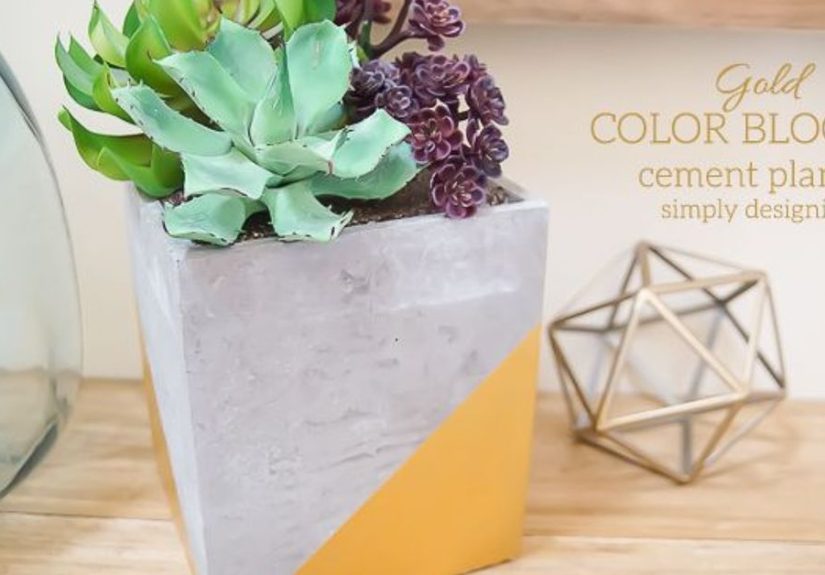
A gold color blocked cement planter is a plant pot made from cement, concrete, or a cement-look material with one section painted or finished in gold. The gold area may appear as a diagonal stripe, dipped base, geometric triangle, painted rim, half-and-half design, or clean horizontal band.
The “color blocked” part means the finish uses strong, intentional sections of color rather than tiny patterns. Think clean lines, painter’s tape, and a satisfying reveal when the tape comes off. It is simple, modern, and surprisingly forgiving. Even if your line is not laser-perfect, the cement texture gives it that charming “artisan studio” feeling instead of “I painted this at midnight and panicked.”
Why Cement and Gold Work So Well Together
Cement Adds Texture and Weight
Cement planters are loved for their sturdy feel, neutral color, and sculptural look. The material has a natural stone-like finish that works with modern, farmhouse, industrial, minimalist, rustic, and boho interiors. A small cement planter can ground a delicate plant, while a larger one can anchor a patio corner or front porch arrangement.
Gold Adds Warmth and Contrast
Gold accents brighten gray cement without overpowering it. Metallic gold pairs especially well with charcoal, beige, olive green, navy blue, white, black, terracotta, and warm wood tones. That makes a gold cement planter easy to match with furniture, plant stands, picture frames, cabinet hardware, brass lamps, woven baskets, and natural textiles.
The Look Feels Custom
One of the best things about a gold color blocked cement planter is that it looks boutique, even when it is made with a basic pot and a small bottle of metallic paint. The clean geometric design gives the piece a high-end feel, while the cement keeps it relaxed and not too precious.
Best Places to Use a Gold Color Blocked Cement Planter
Living Room
Place a small gold-blocked cement planter on a coffee table, bookshelf, media console, or side table. It looks especially good with trailing plants like pothos, string of hearts, or philodendron. The gold detail catches light, while the greenery softens hard furniture lines.
Home Office
A compact cement planter can make a desk feel more intentional without stealing valuable workspace. Choose a low-maintenance plant like a snake plant, ZZ plant, or small succulent. It adds life to the area without demanding daily emotional support.
Kitchen Windowsill
Use a gold color blocked cement planter for herbs such as basil, thyme, mint, or parsley if the container has proper drainage and enough light. The gold detail gives a kitchen windowsill a polished touch, and the cement texture looks great beside wood cutting boards, white tile, and stainless steel appliances.
Entryway
An entry table needs only a few strong pieces: a mirror, a tray, maybe a lamp, and a planter. A gold cement planter offers texture, shine, and greenery in one compact accent. It is basically the overachiever of small decor.
Patio or Balcony
Cement planters work beautifully outdoors because they feel solid and substantial. For balconies and patios, use weather-appropriate paint or a clear outdoor sealer over the gold section. If the planter is heavy, position it before filling it with soil unless you enjoy surprise weightlifting.
How to Choose the Right Cement Planter
Check for Drainage
Drainage is the non-negotiable part of container gardening. A planter should have at least one drainage hole so excess water can escape. Without drainage, roots may sit in soggy soil, and soggy roots are not happy roots. They are dramatic roots with a countdown clock.
If your favorite cement planter does not have a hole, use it as a cachepot. Keep the plant in a plastic nursery pot inside the decorative cement planter, remove it for watering, let it drain fully, and place it back after the dripping stops.
Match Size to the Plant
Choose a planter that gives the roots enough room without going too large. Oversized pots hold extra moisture, which can be risky for succulents and many indoor plants. A good rule is to move up only one pot size when repotting most houseplants.
Consider Weight
Cement is heavier than plastic, resin, or thin metal. That weight can be useful outdoors because the planter is less likely to tip over in wind. Indoors, it gives a premium feel. The downside is that large cement planters are harder to move, especially after soil and water are added.
Look at the Finish
Some cement planters are smooth and modern; others are rough, rustic, speckled, or intentionally imperfect. A smooth planter gives the gold color block a crisp, gallery-like look. A rougher planter feels more handmade and earthy.
Best Plants for a Gold Color Blocked Cement Planter
Succulents
Succulents are a classic choice for cement planters because their sculptural shapes match the modern look. Try echeveria, haworthia, jade plant, sedum, or aloe. Use a fast-draining cactus or succulent mix and avoid overwatering.
Snake Plant
A snake plant looks sharp in a cement planter because its upright leaves echo the clean, geometric color blocking. It also tolerates lower light and irregular watering, making it ideal for busy people, forgetful people, and people who simply believe plants should have some independence.
ZZ Plant
The ZZ plant has glossy leaves that contrast beautifully with matte cement. It is tough, elegant, and happy in many indoor conditions. A gold-blocked cement pot makes it look less like a basic office plant and more like a design choice.
Pothos
Pothos vines soften the hard edge of cement. Place the planter on a shelf and let the vines trail down. The combination of gray cement, gold paint, and green leaves creates a rich but relaxed look.
Herbs
For a sunny kitchen or patio, herbs can work well in cement planters. Basil, thyme, oregano, and parsley are attractive and useful. Just make sure the container drains well and the herbs get enough sunlight.
How to Make a Gold Color Blocked Cement Planter
Materials You Need
To create your own gold color blocked cement planter, gather a cement or concrete planter, painter’s tape, metallic gold paint, a small foam brush or spray paint, clear sealer, a drop cloth, and a clean rag. If the planter is dusty, wipe it down first and let it dry completely.
Step 1: Clean the Planter
Paint sticks best to a clean surface. Remove dirt, dust, loose cement particles, price stickers, and mystery garage debris. If the planter has been outside, wash it gently and allow it to dry fully before painting.
Step 2: Plan the Color Block
Decide where the gold section should go. A diagonal line feels modern and energetic. A gold base creates a dipped effect. A gold rim is subtle and elegant. A half-painted planter makes a stronger statement.
Step 3: Tape the Design
Apply painter’s tape firmly along the line where the gold paint should stop. Press the edge down carefully to reduce paint bleed. On textured cement, perfection is harder, so go slowly and use shorter tape pieces if needed.
Step 4: Paint the Gold Section
Apply thin coats rather than one thick coat. Metallic paint usually looks better with two or three light layers. Let each coat dry according to the paint instructions. If using spray paint, work outdoors or in a well-ventilated space and protect nearby surfaces.
Step 5: Remove the Tape
For many painted projects, removing tape while the paint is still slightly wet can help create a cleaner edge. Pull slowly at an angle. This is the most satisfying part, so please pause for the tiny home-improvement victory moment.
Step 6: Seal the Finish
Use a clear sealer suitable for the planter’s location. Indoor planters may need only light protection, while outdoor planters benefit from a weather-resistant sealer. Sealing can help protect the gold finish from moisture, rubbing, and seasonal wear.
Care Tips for Cement Planters
Use the Right Soil
Use a quality potting mix designed for containers rather than heavy garden soil. Container mixes are lighter and drain better, which helps roots access air and moisture in a healthier balance.
Watch Moisture Levels
Cement can be porous, and watering needs may vary depending on the plant, pot size, temperature, and light. Check the soil with your finger before watering. Many plants prefer the top inch or two of soil to dry before receiving more water.
Protect Sensitive Plants
New cement or concrete may affect soil alkalinity over time. Many common houseplants tolerate normal container conditions, but acid-loving plants may prefer a liner, a sealed interior, or a different pot material. When in doubt, keep the plant in a nursery pot inside the decorative cement planter.
Avoid Standing Water
If the planter sits on a saucer, empty excess water after watering. Standing water can encourage root problems, mineral buildup, and unattractive stains.
Styling Ideas for a Gold Color Blocked Cement Planter
Pair It With Warm Wood
Gold and cement look especially good against oak, walnut, bamboo, and teak. The wood adds warmth, the cement adds texture, and the gold ties everything together like the friend who actually read the group chat.
Use It With Black and White Decor
A black-and-white room can feel crisp but sometimes a little cold. A gold color blocked cement planter adds warmth without disrupting the clean palette. Try it on a white shelf, black console table, or marble countertop.
Group Different Heights
Create a small plant vignette with three planters in different sizes. Use one gold-blocked cement planter, one plain ceramic pot, and one woven basket or terracotta pot. Mixing textures makes the arrangement feel collected rather than staged.
Let the Plant Shape Lead
For a sleek look, choose upright plants. For a relaxed look, choose trailing vines. For a desert-modern look, choose succulents or cacti. For a lush look, use ferns or leafy tropicals in a protected indoor location.
Common Mistakes to Avoid
Skipping Drainage
A pretty planter cannot save a plant from poor drainage. Always plan how water will escape, especially if the plant is directly potted in cement.
Using Too Much Gold
Gold works best as an accent. Covering the entire planter can look flashy, while a color block keeps the effect modern and balanced.
Choosing the Wrong Paint
For outdoor planters, use paint and sealer made for exterior surfaces. Indoor craft paint may fade, peel, or wear quickly outside.
Planting Before Paint Fully Cures
Let paint and sealer dry completely before adding soil and plants. Moisture, soil, and handling can damage a finish that has not cured.
Buying vs. DIY: Which Is Better?
Buying a gold color blocked cement planter is convenient if you want a polished finish and do not want to gather supplies. It is a good choice for gifts, styled shelves, office decor, or fast room updates.
DIY is better if you want a custom size, custom pattern, or budget-friendly project. It is also perfect for updating an old cement pot. The process is simple, creative, and low-risk. If the first attempt looks imperfect, call it “organic modern” and keep going.
500-Word Experience Section: Living With a Gold Color Blocked Cement Planter
The first thing you notice about a gold color blocked cement planter is that it has presence. It does not sit quietly like a plain plastic pot. It announces itself, but politely. On a desk, it makes the workspace feel styled. On a windowsill, it turns a basic plant into a small design moment. On a patio table, it catches sunlight in the late afternoon and makes even a modest balcony feel more considered.
In everyday use, the best part is versatility. I have seen this style work in apartments with white walls, homes with dark cabinets, tiny balconies full of herbs, and living rooms layered with books, baskets, and framed art. Cement is neutral enough to blend in, while gold gives the piece personality. That balance makes it easy to move from room to room when you decide the plant needs a new spot or when you suddenly rearrange furniture at 10:37 p.m. because inspiration attacked.
For practical experience, drainage matters more than anything. A gold stripe will not compensate for trapped water. The most successful setup is often a nursery pot tucked inside the cement planter. This gives you the decorative look while allowing easy watering and drainage. You can lift the plant out, water it in the sink, let it drain, and return it to the planter. This method also protects the inside of the cement and makes plant swaps simple.
Another useful lesson is to choose the plant before choosing the planter size. A tiny succulent looks charming in a small gold-blocked pot, but a thirsty fern may need more root room and steadier moisture. A snake plant, ZZ plant, jade plant, or pothos is usually a safer match for beginners. These plants look stylish and do not collapse emotionally if watering day moves from Tuesday to “whenever you remember.”
Styling also improves when you repeat the gold somewhere else in the room. It does not need to be much. A brass lamp, gold picture frame, warm cabinet pull, candle holder, or gold-rimmed tray can make the planter feel connected to the space. Without repetition, the gold may look random. With repetition, it looks intentional, which is the secret sauce of decorating.
For DIY versions, the biggest experience-based tip is to use light paint coats and patient drying time. Metallic paint can become streaky if applied too heavily. Painter’s tape helps create clean color blocking, but textured cement may still allow tiny bleeds. Do not panic. Small imperfections usually disappear once the plant is inside. Green leaves are excellent at distracting from human error.
Over time, the planter may develop slight marks, mineral residue, or surface changes, especially outdoors. That is not always a flaw. Cement naturally has a lived-in character, and the gold accent can be refreshed with a small touch-up. In fact, this is one reason the style remains appealing: it does not need to look factory-perfect. It can feel handmade, personal, and a little bit artsy without requiring a studio, kiln, or mysterious apron covered in clay.
Conclusion
A gold color blocked cement planter is a small decor piece with big visual impact. It blends the grounded, modern look of cement with the warmth and shine of gold, making it suitable for indoor shelves, desks, kitchens, patios, entryways, and gift projects. Choose a planter with proper drainage, pair it with the right plant, use quality potting mix, and style it with complementary textures like wood, woven materials, glass, or black-and-white accents.
Whether purchased or handmade, this planter style proves that simple design details can transform an ordinary plant pot into a statement piece. It is modern, approachable, budget-friendly, and just fancy enough to make your spider plant feel like it moved into a boutique hotel.