Table of Contents >> Show >> Hide
- First, a quick reality check on “non-invasive” wisteria
- Skip the bullies: which wisterias are commonly considered invasive?
- The non-invasive (or at least more manageable) wisterias to grow on an arbor
- How to buy the right plant (and avoid accidental “invasive vine adoption”)
- Build an arbor your wisteria can’t bully
- Planting your wisteria for long-term success
- Training a wisteria up and over an arbor (without turning it into a monster)
- The bloom secret: prune like you mean it (twice a year)
- Feeding and soil: don’t fertilize your way out of flowers
- Troubleshooting: when your wisteria won’t bloom (or won’t behave)
- Why native-ish wisteria is a win beyond your yard
- Quick pick guide: which non-invasive wisteria should you choose?
- Conclusion: the wisteria arbor you wantwithout the wisteria regret
- Experience Notes: What It’s Really Like to Grow a Wisteria Arbor (The Fun, the Fuss, and the “Aha” Moments)
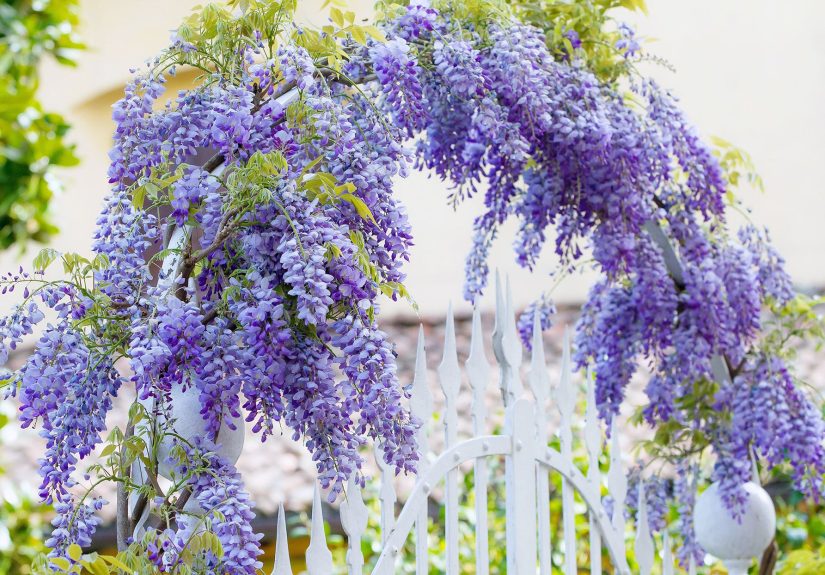
A wisteria arbor is the garden equivalent of showing up to a party in a perfectly tailored suit: dramatic, classic, and guaranteed to get compliments. The only problem? The “classic” wisteria most people picture (those waterfall flower clusters in old Southern photos) is often an Asian species that can behave less like a charming guest and more like a houseguest who moves in, changes the locks, and starts rearranging your trees.
The good news: you can absolutely grow that dreamy, flower-draped arbor without signing up for a lifetime of vine wrestling. The trick is choosing North American wisteriasgenerally better behavedthen training them with a smart structure and a pruning routine that encourages blooms instead of endless green chaos.
First, a quick reality check on “non-invasive” wisteria
“Non-invasive” doesn’t mean “non-energetic.” Even native wisterias are vigorous woody vines, and that’s kind of the pointan arbor is basically a stage for a vine’s big performance. But native species like American wisteria and Kentucky wisteria are typically recommended as more manageable alternatives to invasive Chinese and Japanese wisterias, which have escaped cultivation in many parts of the U.S. and can smother vegetation and damage trees and structures.
One more important note: invasive status can vary by region, and plant labeling can be… optimistic. Always check the scientific name on the plant tag (not just “wisteria” on a cute sign), and take 60 seconds to check your state’s invasive plant guidance or your local Extension office recommendations before you buy.
Skip the bullies: which wisterias are commonly considered invasive?
The species most often flagged for invasive behavior in the U.S. are Chinese wisteria (Wisteria sinensis) and Japanese wisteria (Wisteria floribunda). They grow aggressively, can girdle and overwhelm trees, and may form large infestations after escaping landscape plantings. Hybrids can also occur, which makes relying on “looks” alone a risky guessing game.
The non-invasive (or at least more manageable) wisterias to grow on an arbor
If you want the romance without the regret, start with these two North American species and their popular cultivars.
1) American wisteria (Wisteria frutescens)
American wisteria is native to the eastern and southeastern U.S. and is widely promoted as a non-invasive alternative to Asian wisterias. It still climbs and flowers beautifully, but it’s typically less aggressive than the common invasive species.
- Growth habit: Twining woody vine; can get large over time, but usually easier to keep in bounds with training and pruning.
- Flowers: Fragrant, pea-like blooms in drooping clusters that are generally shorter than the longest Asian wisteria cascadesstill stunning on an arbor.
- Bloom timing: Often blooms later than Asian wisterias, typically after leaves begin emerging, and may continue with sporadic blooms in summer in good conditions.
- Best use: Home gardens where you want fragrance, flowers, and a vine that’s easier to “negotiate with.”
Popular American wisteria cultivars for arbors:
- ‘Amethyst Falls’ (W. frutescens) Often described as less aggressive and somewhat more compact than many wisterias. It typically flowers at a younger age than the old “wait seven years and pray” reputation wisteria sometimes carries.
- ‘Longwood Purple’ (W. frutescens) Known for richly colored blooms and strong ornamental appeal. Great when you want that “purple curtain” effect without inviting an invasive species to the neighborhood.
2) Kentucky wisteria (Wisteria macrostachya)
Kentucky wisteria is another North American native type (sometimes historically treated as a variety of American wisteria). It’s widely grown as a cold-hardy, more manageable alternative to Asian wisterias, and it can be an excellent arbor candidateespecially in colder zones.
- Growth habit: Climbing, twining vine that can cover an arbor beautifully with training.
- Hardiness: Noted for strong cold tolerance compared with many wisterias; certain cultivars are grown successfully well into colder regions.
- Flowers: Fragrant clusters that can be showy and substantial; blooms may appear more “in sync” along the cluster for a dramatic display.
- Best use: Gardeners who want wisteria drama in places where winter normally says, “Nice try.”
Standout Kentucky wisteria cultivars for arbors:
- ‘Blue Moon’ (W. macrostachya) Famous for cold hardiness and for blooming in late spring/early summer, with the possibility of repeat blooms later in the season once established. If you live where winter has a personality, this is a top contender.
- ‘Aunt Dee’ (W. macrostachya) Another Kentucky wisteria cultivar often recommended for ornamental use, also considered more restrained than invasive Asian species when properly trained.
How to buy the right plant (and avoid accidental “invasive vine adoption”)
If you take nothing else from this article, take this: shop by botanical name. “Wisteria” on a label is like “snack” on a menutoo vague to trust with your future happiness.
- Look for: Wisteria frutescens (American) or Wisteria macrostachya (Kentucky).
- Be cautious with: Wisteria sinensis (Chinese), Wisteria floribunda (Japanese), and anything labeled as hybrids.
- Shop smart: Native plant nurseries and reputable garden centers are more likely to label correctly.
- Don’t play detective: ID based on twining direction and leaflets can get confusing because sources may describe “clockwise vs. counterclockwise” differently depending on viewpointand hybrids muddy the waters. Trust the tag, not your eyeballing.
Build an arbor your wisteria can’t bully
A wisteria arbor isn’t a dainty trellis moment. Wisteria becomes woody, heavy, and determined. Plan for a structure that can handle significant weight, wind, and years of growth. If your arbor creaks now, it will absolutely file a complaint later.
Arbor placement
- Sun: Aim for full sunat least 6 hours dailyfor best flowering.
- Clearance: Keep it away from gutters, rooflines, and weak fences. Even “non-invasive” wisteria will explore boundaries.
- Airflow: Good airflow helps reduce disease issues and keeps the vine from becoming a humid jungle canopy.
Arbor strength basics
- Sturdy posts and beams: Think “pergola-level solid,” not “decorative arch you bought because it was cute.”
- Strong connections: Use durable hardware and weather-resistant materials.
- Room to train: You want space to spread the main stems horizontally over the top for better bloom display.
Planting your wisteria for long-term success
Step 1: Prep the site
Wisteria tolerates many soils, but it performs best in reasonably fertile, well-drained soil. Avoid a location that stays soggy. If your soil is extremely poor, work in organic matter. If it’s already rich, don’t overdo ittoo much fertility can mean lush leaves and fewer flowers.
Step 2: Plant with space in mind
Plant your vine so it has a clear path to the arbor and room at the base for maintenance. Mulch lightly to moderate soil moisture, keeping mulch a few inches away from the stem to discourage rot.
Step 3: Water like a reasonable adult
Water deeply and consistently during the first growing season while roots establish. After that, wisteria is fairly tolerant, but prolonged drought can reduce flowering and stress the plant.
Training a wisteria up and over an arbor (without turning it into a monster)
Training is where you turn “random vine” into “architectural masterpiece.” Your goal is to create a simple framework: a couple of strong main leaders that climb up, then spread across the top.
Year 1: Choose leaders, remove chaos
- Select 1–2 main stems to become your permanent framework.
- Tie them loosely to supports as they grow (soft ties; don’t strangle the vine).
- Remove or shorten competing shoots that are heading in the wrong direction.
Year 2–3: Build the roofline
- Encourage horizontal growth once the leaders reach the topthis helps create that flower-draped canopy.
- Keep side shoots controlled so energy goes into structure and flowering spurs, not endless whips.
- Be patient: Some vines flower in a couple years; some take longer depending on cultivar, conditions, and pruning.
The bloom secret: prune like you mean it (twice a year)
Wisteria has a reputation for being “hard to bloom,” but it’s usually just responding to one of these common issues: too much shade, too much nitrogen, too much juvenile growth, or not enough pruning.
Why pruning works
Pruning helps shift the plant from “I must grow 14 feet today” mode into “I should form flowering spurs” mode. Many horticulture guides recommend a two-prune rhythm: one in the growing season after flowering, and another during dormancy.
Simple pruning schedule for arbor-grown wisteria
- After flowering (early/mid-summer): Cut long, whippy shoots back to a handful of leaves to control size and encourage flower bud formation. This is also when you remove growth that’s trying to invade nearby plants, windows, or your personal space.
- Late winter (dormant season): Shorten the previous season’s side shoots again, leaving a small number of buds. This concentrates bloom potential and keeps the vine from becoming a tangled knot of stems.
One nuance: pruning can vary slightly by type and how it flowers. Some guidance notes that certain native cultivars may bloom on newer wood more readily than traditional Asian types, so the goal is still “structured framework + controlled side shoots,” not indiscriminate hacking. If you’re unsure, prune conservatively the first year and observe where blooms form.
Feeding and soil: don’t fertilize your way out of flowers
Wisteria is in the legume family, and in the right conditions legumes can contribute to nitrogen availability. Translation: your wisteria may not need the kind of high-nitrogen fertilizer that makes lawns ecstatic.
- If growth is weak: A light, balanced feeding in early spring can helpgo easy.
- If growth is lush but blooms are scarce: Skip nitrogen-heavy fertilizer. Consider a soil test and focus on overall balance.
- Mulch wisely: Organic mulch improves soil structure and moisture stability over time without forcing runaway leaf growth.
Troubleshooting: when your wisteria won’t bloom (or won’t behave)
Problem: “It’s all leaves, no flowers.”
- Likely causes: Too much shade, too much nitrogen, not enough pruning, or a young plant still maturing.
- Fix: Increase sun exposure if possible, stop high-nitrogen feeding, and follow the two-prune routine consistently.
Problem: “It’s flowering… but the buds got zapped.”
- Likely cause: Late frost can damage flower buds in some climates.
- Fix: Plant in a slightly sheltered spot and avoid pushing tender growth with heavy feeding.
Problem: “It’s trying to eat my house.”
- Likely cause: Wisteria doing wisteria things.
- Fix: Hard boundaries: prune, train, and remove runners or unwanted shoots promptly. Keep it on its structuredon’t let it freeload on trees.
Problem: pests and disease
Wisteria can attract common garden pests like aphids or scale, and dense growth can contribute to fungal issues. The best prevention is good airflow, sane watering, and keeping the canopy thinned enough that sunlight can actually reach the inner stems.
Why native-ish wisteria is a win beyond your yard
Choosing American or Kentucky wisteria can reduce invasive-plant risk while still giving pollinators a fragrant nectar source. Native plant guidance also notes ecological benefits such as supporting certain insects that use native species as host plants. In other words: your arbor can be beautiful and a better neighbor.
Quick pick guide: which non-invasive wisteria should you choose?
- Pick American wisteria (W. frutescens) if you want a generally less aggressive vine, native range compatibility across much of the East/Southeast, and a strong cultivar lineup like ‘Amethyst Falls’ for smaller spaces.
- Pick Kentucky wisteria (W. macrostachya) if you need extra cold hardiness and you love the idea of a cultivar like ‘Blue Moon’ that can rebloom when it’s happy and established.
Conclusion: the wisteria arbor you wantwithout the wisteria regret
A wisteria arbor is one of those garden projects that looks wildly fancy but is totally doable with the right plant choice and a little routine. Choose American wisteria or Kentucky wisteria, give it sun, put it on a structure that won’t flinch, and prune with purpose. Do that, and you’ll get the romanceflower curtains, fragrance, shadewithout waking up one day to find your vine applying for legal ownership of the backyard.
Experience Notes: What It’s Really Like to Grow a Wisteria Arbor (The Fun, the Fuss, and the “Aha” Moments)
Here’s the part people don’t always tell you: growing a wisteria arbor feels less like “planting a vine” and more like “mentoring an ambitious teenager who just discovered espresso.” Even with non-invasive types, the energy is real. The first season, you’ll likely spend a lot of time just watching the plant decide where it wants to goup the arbor like you asked, or sideways toward the nearest innocent shrub like it’s exploring a new hobby. That’s normal. The early win is learning to redirect growth gently (and early) with ties and light pruning, instead of waiting until the vine has turned woody and stubborn.
One of the biggest “aha” moments gardeners tend to have is realizing that training isn’t about forcing the vineit’s about setting up a few permanent main stems so everything else becomes optional. Once you’ve chosen your leaders and guided them to the top, the project starts to feel dramatically more controlled. The vine stops being a random tangle and starts becoming a living structure. It’s also when you begin to notice how satisfying small, consistent decisions are: a tie here, a trim there, a shoot removed before it becomes a problem. You’re basically doing tiny bits of vine management so you don’t have to do an exhausting weekend of vine chaos management later.
Another common experience: the bloom timeline can teach patience. If you’re used to perennials that flower on schedule, wisteria can feel like it’s playing hard to get. But once it’s established and you’re pruning consistently, the plant usually starts rewarding yousometimes with a strong spring show, and in the case of certain cultivars, smaller encore blooms later. The first time your arbor actually “drips” with blossoms, it’s the kind of payoff that makes you forget every moment you spent untangling a whippy shoot from the wrong direction. You’ll also start noticing the way fragrance changes across the day, and how pollinators treat the arbor like a neighborhood café.
Practical reality check: you will learn quickly that fertilizer is not a “more is better” situation. A lot of people accidentally feed wisteria into a leafy, non-blooming superstar. If you’ve ever had a tomato plant that became a gorgeous jungle and forgot to make tomatoes, you understand the vibe. Many gardeners end up shifting their mindset from “feed for growth” to “train for flowers,” focusing on sun and pruning rather than pouring on nutrients. That’s usually the turning point where the vine stops acting like an Olympic sprinter and starts acting like a flowering ornamental.
Finally, there’s the structure lesson. You don’t fully appreciate how heavy a mature vine gets until you see it thicken into a trunk-like base. Gardeners who start with a lightweight arbor often end up upgrading latersometimes the hard way. The experience you want is building strong from the beginning so your arbor becomes a permanent feature, not a seasonal experiment. When everything is set up right, the routine becomes simple: a summer trim after the big show, a winter tidy-up, and occasional guidance during the growing season. The end result feels like you built a “garden room” out of flowersa shady walkway or sitting space that looks like it belongs in a movie, except it’s in your yard, and you didn’t have to unleash an invasive vine to get it.