Table of Contents >> Show >> Hide
- What Is Guar Gum, Exactly?
- Common Uses of Guar Gum
- Potential Benefits of Guar Gum
- Possible Side Effects and Risks
- How to Use Guar Gum Safely (and Comfortably)
- 1) Treat food-level exposure differently from supplement-level dosing
- 2) If using it as a fiber supplement, start low and increase gradually
- 3) Hydration is non-negotiable
- 4) Consider PHGG for gentler mixing and often better tolerance
- 5) Practical baking tips (so your muffins don’t feel like a sponge)
- Guar Gum vs. Other Common Thickeners and Fibers
- Quick FAQ
- Bottom Line
- Real-World Experiences: What People Notice With Guar Gum (and Why It’s So Mixed)
- Experience #1: “My dairy-free creamer finally stopped separating.”
- Experience #2: “Gluten-free cookies… actually held together!”
- Experience #3: “I switched to a smoothie with guar gum… and my stomach started composing protest songs.”
- Experience #4: “PHGG was easier on me than other fiber powders.”
- Experience #5: “I tried a ‘super filling’ supplement years ago and it was a no.”
If you’ve ever stared at an ingredient label and thought, “Guar gum… is that a spell from a fantasy novel?” you’re not alone. Despite the mysterious name, guar gum is one of the most common “behind-the-scenes” helpers in modern food. It thickens soups, smooths ice cream, and helps gluten-free baked goods behave like they’ve had a pep talk.
But guar gum isn’t just a food-tech sidekick. Because it’s a viscous soluble fiber, it’s also been studied for potential benefits involving cholesterol, blood sugar response, and digestion. Like most things that love water and expand, it can be helpful in the right contextand uncomfortable (or even risky) when used the wrong way.
What Is Guar Gum, Exactly?
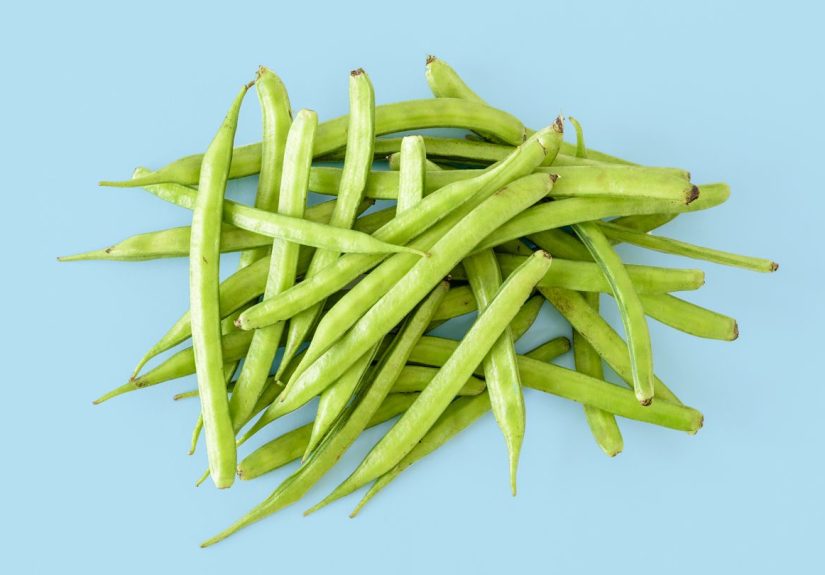
Guar gum comes from the seeds of the guar plant (also called cluster bean). The seed’s endosperm is processed into a pale powder that turns water into a thicker, more stable mixture. In food science terms, it’s a hydrocolloida substance that forms a gel-like network in water. In normal-human terms, it’s basically “nature’s thickener.”
You’ll also see a cousin called partially hydrolyzed guar gum (PHGG). PHGG is broken into smaller chains so it dissolves more easily and is typically less “gel-like.” That can mean fewer digestive complaints for some people when used as a fiber supplement.
Common Uses of Guar Gum
Guar gum shows up in food, supplements, cosmetics, and even industrial applications. Most people meet it through the grocery aisle, where it’s used to improve texture and shelf stability.
1) Food thickener and stabilizer
In foods, guar gum helps prevent watery separation, improves mouthfeel, and keeps textures consistent over time. Think of it as the “bouncer” that keeps ingredients from drifting apart at the party.
- Ice cream: Helps reduce ice crystal formation so the texture stays creamy.
- Sauces, dressings, and gravies: Adds thickness without needing tons of oil or flour.
- Yogurt and dairy alternatives: Helps maintain smoothness and prevents separation.
- Beverages and smoothies: Can improve body and suspension (less “sad settling” at the bottom).
- Processed foods: Supports consistency in soups, frozen meals, and prepared spreads.
2) Gluten-free baking helper
Gluten-free baking can be… emotionally challenging. Without gluten, dough doesn’t trap air well and tends to crumble. Guar gum can help mimic some of gluten’s structure-building behavior by binding water and improving elasticity. It’s commonly used alongside other gums (like xanthan gum) to improve crumb and softness.
3) Fiber supplement (and formulation aid)
Guar gum (especially PHGG) is used in some fiber products. In small label-level amounts, it’s more about texture than health. In supplement-level amounts, it acts as a fermentable soluble fiber that may influence digestion, satiety, and certain cardiometabolic markersdepending on dose and individual tolerance.
4) Cosmetics and pharmaceuticals
Outside the kitchen, guar gum can help thicken lotions and creams and stabilize emulsions. In pharmaceuticals, gums may be used as binders or to influence texture and consistency. These are formulation roles rather than “active ingredient” effects.
Potential Benefits of Guar Gum
Important context: most “benefits” research looks at guar gum as a fiber intervention, not the tiny amounts found in a random tub of ice cream. If you’re only consuming it as a stabilizer in processed foods, you’re mainly getting texturepossibly with a side of minor digestive effects if you’re sensitive.
1) Digestive support and regularity
As a soluble fiber, guar gum can hold onto water. That’s one reason it has been used in approaches aimed at improving stool consistency. Some people find soluble fibers helpful for constipation; others notice looser stools if they increase fiber quickly. The difference often comes down to dose, hydration, and how your gut microbiome reacts to fermentation.
2) IBS support (especially PHGG) for some people
IBS is not a one-size-fits-all condition, and fiber is famously divisive: helpful for some, a disaster for others. Research on PHGG suggests it may help certain people with constipation-predominant IBS (IBS-C), possibly by improving stool frequency and supporting beneficial gut bacteria. If you’re IBS-prone, PHGG is often discussed as a more tolerable option than very gel-forming fibers.
3) Cholesterol and lipid profile support
Viscous soluble fibers can reduce cholesterol by binding bile acids in the gut (your body then uses more cholesterol to make new bile). Meta-analyses and systematic reviews have reported reductions in total cholesterol and LDL (“bad”) cholesterol with guar gum supplementation in various populations, though results and effect sizes can vary.
4) Blood sugar response and carbohydrate absorption timing
Because guar gum is viscous, it can slow gastric emptying and carbohydrate absorptionmeaning it may blunt post-meal glucose spikes for some people when used in meaningful amounts. This is part of why viscous fibers are studied for glycemic control. In clinical nutrition contexts, guar gum has also been discussed as a way to delay carbohydrate absorption in certain situations (for example, dietary strategies used for dumping syndrome).
5) Fullness (satiety) and appetite control
Fiber tends to be good at making people feel fuller. By adding viscosity and volume, guar gum can increase satiety in some individuals. That said, appetite effects are inconsistent across studies, and “feeling full” is not always the same thing as “losing weight.” It’s best viewed as a potential helper, not a standalone solution.
Possible Side Effects and Risks
Most concerns around guar gum come down to a simple principle: it expands and thickens in water. That’s exactly what makes it usefuluntil it’s not.
1) Gas, bloating, cramps, and changes in bowel habits
The most common side effects are digestive: gas, bloating, abdominal discomfort, and either looser stools or constipationespecially if you ramp up quickly. Soluble fibers ferment in the colon, which produces gas. Your body can adapt over time, but “start low and go slow” exists for a reason.
2) Sensitivity in IBS or high-FODMAP-style reactions
Some people with IBS or sensitive digestion find gums (including guar gum and xanthan gum) trigger symptoms, particularly in larger quantities or when they’re already eating lots of fermentable fibers. If you notice a patternsay, stomach drama after certain dairy alternatives or gluten-free baked goodsguar gum might be one ingredient worth testing by elimination and reintroduction.
3) Obstruction or choking risk with high-dose supplements (especially without enough water)
This is the big oneand it’s why guar gum earned a more complicated reputation in the 1990s. Concentrated guar gum diet pills and tablets were associated with esophageal or intestinal obstruction in case reports, particularly when taken with insufficient fluid. This risk is far less relevant to the small amounts used in foods, but it matters for supplement forms and any product designed to “expand” to create fullness.
If you ever use guar gum or any fiber supplement that thickens strongly, take it with plenty of water and avoid dry scoops. If you have a history of swallowing difficulties, strictures, GI narrowing, or prior obstruction, talk with a clinician before using bulky fiber products.
4) Allergy (rare, but possible)
True guar gum allergy appears uncommon, but reactions can happen. People with legume allergies may wonder if guar could be an issue; while it’s not a guarantee of cross-reactivity, it’s a reasonable “keep an eye on it” situation. Symptoms like hives, wheezing, swelling, or trouble breathing after exposure require urgent medical attention.
5) Medication timing and absorption
Viscous fibers can affect how quickly the stomach empties and how certain nutrients or medications are absorbed. If you take medications where timing matters, ask your pharmacist or clinician whether you should separate fiber supplements from doses by a couple of hours. (This is a general fiber-supplement rule, not guar gum-specific doom.)
How to Use Guar Gum Safely (and Comfortably)
1) Treat food-level exposure differently from supplement-level dosing
In foods, guar gum is typically present in small quantities for texture. Most people tolerate these levels well. Supplements, on the other hand, can deliver grams at a timewhere benefits and side effects both become more likely.
2) If using it as a fiber supplement, start low and increase gradually
Your gut microbiome needs time to adjust. A gradual increasepaired with consistent hydrationreduces the chance of gas and cramping. If you jump from “almost no soluble fiber” to “heroic spoonfuls,” your gut will file a formal complaint.
3) Hydration is non-negotiable
Guar gum thickens in water. That’s the point. But it also means you should avoid taking it dry or with minimal fluid. If you’re adding guar gum to smoothies, soups, or baking, you’ll naturally include liquid. If you’re using a supplement, follow label instructions carefully and drink extra water.
4) Consider PHGG for gentler mixing and often better tolerance
PHGG dissolves more cleanly and typically creates less dramatic thickening, which may improve tolerance for some people. It’s often used in clinical and functional-food contexts for digestive support.
5) Practical baking tips (so your muffins don’t feel like a sponge)
- Use tiny amounts: In gluten-free baking, a little goes a long way.
- Mix thoroughly: Whisk into dry ingredients first to prevent clumps.
- Give batter time: Gums hydrate and thicken; letting batter rest can improve texture.
- Don’t stack gums blindly: Using guar gum plus xanthan gum can work well, but too much can turn “soft” into “gummy.”
Guar Gum vs. Other Common Thickeners and Fibers
If you’re comparing options, here’s a quick, practical guide:
- Guar gum: Strong thickening, useful in cold applications, can ferment and cause gas in some people.
- Xanthan gum: Excellent stability, common in gluten-free baking; some people also report GI sensitivity.
- Psyllium husk: Viscous fiber with strong evidence for regularity and cholesterol; can be bulky and needs water.
- Inulin/chicory root: Prebiotic fiber; often causes gas/bloating at higher doses.
- Gelatin/agar: Gelling agents (different texture behavior than gums).
Quick FAQ
Is guar gum safe?
For most people, guar gum in typical food amounts is considered safe. Bigger concerns arise with concentrated supplement-style doses, especially without enough fluid or in people with GI narrowing/swallowing issues.
Is guar gum gluten-free?
Guar gum itself does not contain gluten. It’s widely used in gluten-free products to improve texture. (Always check labels for cross-contamination if you have celiac disease.)
Does guar gum cause diarrhea?
It canespecially at higher doses or if you increase intake quickly. For others, it may help normalize stool consistency. Your dose, hydration, and individual sensitivity matter a lot.
Should I avoid guar gum if I have IBS?
Not necessarily. Some people with IBS do better with PHGG than with other fibers, while others find gums trigger symptoms. If you suspect it affects you, try a structured elimination and reintroduction (ideally with a clinician or dietitian).
Bottom Line
Guar gum is a highly practical ingredient that makes many foods smoother, thicker, and more stable. In supplement-level amountsespecially in forms like PHGGit may offer benefits related to digestion, cholesterol, and post-meal blood sugar response. The tradeoff is that, like many fermentable fibers, it can cause gas and bloating, and high-dose products can pose a real obstruction risk if used improperly.
If you’re enjoying guar gum in foods, you’re mostly enjoying better texture. If you’re using it deliberately for health, treat it like a real fiber supplement: go slow, drink water, and match the form and dose to your body’s tolerance.
Real-World Experiences: What People Notice With Guar Gum (and Why It’s So Mixed)
Talk to ten people about guar gum and you’ll get twelve opinionsbecause experiences depend heavily on dose, context, and individual gut sensitivity. Here are patterns that come up frequently when people encounter guar gum in everyday life, plus what’s usually happening behind the scenes.
Experience #1: “My dairy-free creamer finally stopped separating.”
A common “aha” moment happens with plant-based milks and creamers. Without something to stabilize the mixture, fats and solids can separate, leaving an unappetizing layer situation. People often notice that brands containing guar gum pour more smoothly and stay consistent longer. That’s guar gum doing its day job: binding water and helping keep particles suspended so your morning coffee doesn’t look like a science experiment.
Experience #2: “Gluten-free cookies… actually held together!”
In gluten-free baking, the emotional arc is usually: hope → crumbly disaster → Googling at midnight. When someone adds a small amount of guar gum, they often report improved structure: dough becomes less fragile, finished baked goods crumble less, and the texture is closer to what they remember from wheat-based recipes. The key detail is small amount. People who get carried away sometimes end up with a sticky, gummy texture that feels like the cookie is clinging to your teeth out of spite. In real kitchens, less is often more.
Experience #3: “I switched to a smoothie with guar gum… and my stomach started composing protest songs.”
Digestive reactions tend to show up when exposure increases quicklylike adding a thick “fiber-enhanced” smoothie, a high-fiber cereal, and a new gluten-free snack in the same week. People describe gas, bloating, or a “heavy” feeling. That doesn’t necessarily mean guar gum is “bad.” It often means the gut is adjusting to more fermentable fiber than it’s used to. The microbes feast, gas happens, and the human hosting the feast is not amused. When people reduce the amount, space it out, and drink more water, symptoms often improve.
Experience #4: “PHGG was easier on me than other fiber powders.”
Some people who struggle with harsh fiber supplements report PHGG feels gentlerless thick, easier to mix, and less likely to cause sudden urgency. The real-world appeal is convenience: it dissolves without turning your drink into gelatin, so it’s simpler to use consistently. Not everyone loves it, but among those who do, the biggest win is “regularity without drama.” That’s the sweet spot many fiber users are chasing.
Experience #5: “I tried a ‘super filling’ supplement years ago and it was a no.”
People who remember older “bulking” diet products sometimes associate guar gum with scary stories about choking or blockage. That history is tied to concentrated forms taken without adequate fluid or in high-risk situations. Today, most people meet guar gum in food-level amounts where that risk doesn’t applybut the cautionary lesson still stands: any supplement that expands with water deserves respect. In real-life terms: don’t dry-scoop, don’t rush doses, and don’t ignore swallowing or GI red flags.
The most consistent takeaway from lived experience is simple: guar gum is extremely good at its jobthickening. If you’re using it for texture, it’s usually a quiet helper. If you’re using it for health, it behaves like a real fiber intervention: it can be beneficial, but it needs the right dose, enough water, and a little patience.