Table of Contents >> Show >> Hide
- Why Cinnamon + Thyme Works (and Doesn’t Taste Like Dessert)
- Ingredients You’ll Need
- Step-by-Step: How to Bake Cinnamon-Thyme Chicken That Stays Juicy
- Variations (So This Recipe Fits Your Real Life)
- What to Serve With Baked Cinnamon-Thyme Chicken
- Nutrition Notes (Realistic, Not Magical)
- Food Safety and Storage (Unsexy but Important)
- FAQ
- Experiences From Making This Dish (The 500-Word “Smells Like a Hug” Section)
Some recipes whisper. This one shows up with a warm sweater, a little swagger, and the kind of aroma that makes people
“just check the oven” five times in a row. Baked cinnamon-thyme chicken sounds like it’s about to audition for a dessert table,
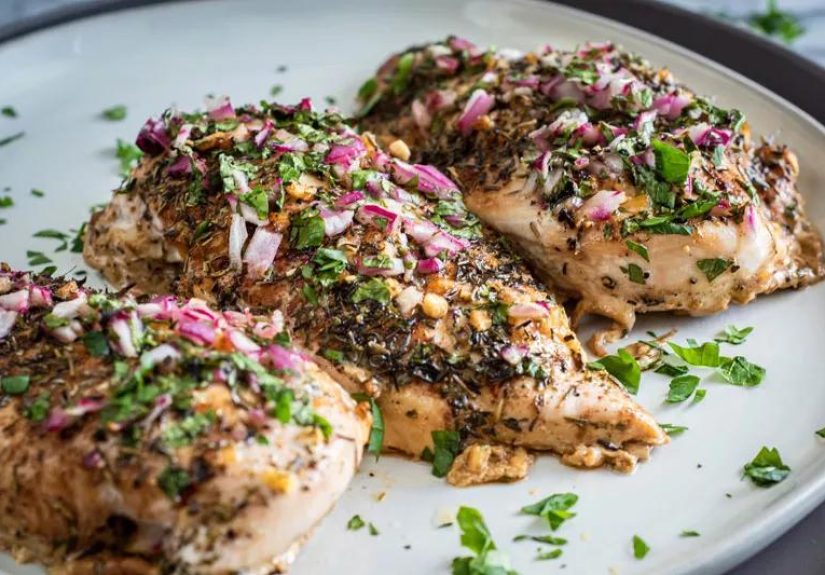
but trust: this is a savory, herb-forward dinner with a subtle, cozy spice that tastes like fall decided to become useful.
The big idea is simple: thyme brings that woodsy, peppery, “I have my life together” flavor, while cinnamon adds gentle warmth
(not sugar-sweet). Together, they turn ordinary baked chicken into something that feels special without requiring a culinary degree
or a dramatic sprinkle of truffle dust.
Why Cinnamon + Thyme Works (and Doesn’t Taste Like Dessert)
Cinnamon is often treated like it only belongs in cookies and lattes, but in savory cooking it behaves more like a background musician:
it rounds out sharp edges, adds depth, and makes the whole flavor “sound” richer. Thyme does the opposite jobit’s bright and herby,
keeping cinnamon from wandering into cinnamon-roll territory.
A quick flavor-balancing cheat sheet
- Warmth (cinnamon): subtle sweetness, toasted aroma, gentle complexity.
- Herb lift (thyme): savory freshness that keeps things dinner-appropriate.
- Acid (lemon): makes the flavors pop and helps chicken taste less “plain.”
- Fat (olive oil): carries aroma and keeps the chicken from drying out.
- Salt (reasonable, not reckless): makes everything taste like itself, just louder.
In practice, the cinnamon should be a “hmm, what IS that?” notenot a “why is my chicken wearing a pumpkin-spice scarf?” situation.
The recipe below is designed to land firmly in the savory zone.
Ingredients You’ll Need
This recipe is “herb-friendly” because the flavor comes mainly from herbs and spices, not from heavy sauces or lots of sugar.
It also plays nicely with whatever’s already in your pantry.
For the cinnamon-thyme chicken
- 2 pounds chicken (boneless skinless breasts, thighs, or a mix)
- 2 tablespoons olive oil
- 1 tablespoon fresh lemon juice (or 2 teaspoons apple cider vinegar)
- 2 teaspoons Dijon mustard (optional, but great for savory depth)
- 3–4 cloves garlic, minced (or 1 teaspoon garlic powder)
- 2 teaspoons dried thyme (or 2 tablespoons fresh thyme leaves)
- 3/4 teaspoon ground cinnamon
- 1 teaspoon smoked paprika (optional, but it’s the “chef’s kiss”)
- 1 teaspoon kosher salt (use less if you’re salt-sensitive)
- 1/2 teaspoon black pepper
- Pinch of cayenne (optional, for a gentle wake-up call)
Optional “sheet-pan buddies” (highly recommended)
- 1 red onion, sliced into wedges
- 2–3 carrots, cut on a diagonal
- 1 sweet potato, cubed
- 1 apple (Honeycrisp or Granny Smith), sliced (surprisingly perfect here)
- Extra olive oil, plus a pinch of salt and thyme for the vegetables
The apple is optional, but it’s also the reason people ask, “What did you DO to this chicken?” It bakes into a soft, tangy-sweet side
that echoes the cinnamon without turning the meal into a dessert cosplay.
Step-by-Step: How to Bake Cinnamon-Thyme Chicken That Stays Juicy
1) Preheat and set up
Preheat your oven to 375°F. Lightly oil a baking dish or line a sheet pan with parchment for easy cleanup
(because scrubbing is not a personality trait).
2) Mix the seasoning “paint”
In a bowl, whisk together olive oil, lemon juice, Dijon (if using), garlic, thyme, cinnamon, smoked paprika, salt, pepper, and cayenne.
It should look like a thin pastespreadable, aromatic, and slightly suspicious in the best way.
3) Coat the chicken evenly
Pat the chicken dry with paper towels first. This helps it brown instead of steaming. Rub the mixture all over the chicken.
If you have time, let it sit for 15–30 minutes while the oven finishes heating. If you don’t, it’s still delicious
the oven will do some of the flavor-marrying for you.
4) Add vegetables (optional) and bake
If using vegetables, toss them with a little olive oil, a pinch of salt, and a sprinkle of thyme. Spread them around the chicken
so everything roasts together like a happy, organized family photo.
Bake until the chicken reaches a safe internal temperature and the juices run clear. Use a thermometer if you canyour future self
will thank you for not playing “guess the doneness.”
Timing guide (approximateyour oven has its own opinions)
- Boneless breasts (6–8 oz each): about 20–30 minutes at 375°F
- Boneless thighs: about 25–35 minutes at 375°F
- Bone-in thighs or drumsticks: about 35–45 minutes at 375°F
5) Rest before slicing
Pull the chicken from the oven and let it rest 5–10 minutes. Resting keeps juices inside the meat instead of on your cutting board.
(Your cutting board has enough going on already.)
6) Optional fast pan sauce (because you deserve nice things)
If you baked in a dish with drippings, pour them into a small pan. Add 1/2 cup chicken broth (or water), bring to a simmer,
and whisk in 1 teaspoon honey plus a squeeze of lemon. Simmer 2–3 minutes. Taste and adjust with pepper or thyme.
Drizzle over chicken and vegetables for instant “restaurant energy.”
Variations (So This Recipe Fits Your Real Life)
Thigh lovers vs. breast loyalists
If you want maximum juiciness with minimal effort, choose thighs. If you prefer leaner protein, breasts work greatjust watch the temperature
closely and pull them as soon as they’re done.
Fresh thyme vs. dried thyme
Fresh thyme tastes brighter and a little more floral. Dried thyme is deeper and more concentrated. Both work.
If using fresh, strip the leaves and use a bit more.
Low-sodium approach
Reduce salt slightly and lean on thyme, garlic, lemon, and paprika for flavor. A finishing squeeze of lemon right before serving can make
“less salt” taste like “more flavor.”
No mustard? No problem
Dijon adds savory depth, but the recipe still shines without it. If you want a substitute, try 1 teaspoon of plain Greek yogurt or a splash
of extra lemon for tang.
Sweet-heat version
Add 1–2 teaspoons maple syrup or honey to the seasoning mix and bump cayenne slightly. The goal is “balanced,” not “candy-coated.”
What to Serve With Baked Cinnamon-Thyme Chicken
This chicken plays well with both cozy sides and fresh, bright ones. Pick a vibe and commit.
- Weeknight comfort: roasted sweet potatoes + green beans + a spoon of pan juices
- Fresh and light: arugula salad with lemon vinaigrette + quinoa or couscous
- Family-friendly: buttery rice + roasted carrots + sliced apples (yes, really)
- Meal-prep mode: chopped chicken over greens with chickpeas, cucumbers, and a lemony dressing
Nutrition Notes (Realistic, Not Magical)
Chicken is a solid protein base, and herbs/spices like thyme and cinnamon add aroma and flavor without needing heavy sauces.
Cinnamon is widely studied for its antioxidant compounds, but in cooking amounts it’s best thought of as a delicious spicenot a medical treatment.
If you have liver concerns or take medications that require caution with supplements, keep cinnamon “food-level” (like in this recipe) and talk with a clinician
before using high-dose cinnamon products.
One of the simplest “healthy cooking” upgrades is also the least dramatic: making flavorful food so you don’t feel tempted to drown it in extra salt or sugar.
Thyme, garlic, lemon, and a restrained amount of cinnamon do exactly that here.
Food Safety and Storage (Unsexy but Important)
-
Cook chicken to a safe internal temperature: Use a thermometer and check the thickest part of the meat.
Let it rest a few minutes before slicing. - Don’t leave cooked chicken out too long: Refrigerate leftovers promptly, especially in warm kitchens or crowded gatherings.
- Refrigerator storage: Store cooked chicken in airtight containers and use within a few days for best quality.
- Freezer storage: Freeze portions for longer storage. Thaw in the refrigerator when possible.
- Reheating: Reheat until steaming hot and warmed through. A splash of broth and covering the dish helps keep it juicy.
FAQ
Will the cinnamon make it taste sweet?
Not if you keep it measured. In this recipe, cinnamon is a warm savory note, more like a subtle “depth” than a dessert flavor.
If you’re nervous, start with 1/2 teaspoon and work up next time.
Why did my chicken turn out dry?
The usual culprit is overcookingespecially with breasts. Use a thermometer and pull the chicken as soon as it’s safely done.
Resting helps, and a quick pan sauce can rescue texture and add moisture.
Can I prep this ahead?
Yes. Mix the seasoning and coat the chicken up to 24 hours in advance. Keep it covered in the refrigerator.
If you’re adding vegetables, prep them separately so they don’t get soggy.
Is this recipe kid-friendly?
Usually, yesespecially without the cayenne. The flavor is warm and savory, and the cinnamon is gentle. Serving it with rice or sweet potatoes
makes it extra approachable.
Experiences From Making This Dish (The 500-Word “Smells Like a Hug” Section)
There’s a certain moment in cooking when a recipe stops being “instructions” and starts being a vibe. With baked cinnamon-thyme chicken,
that moment often happens about ten minutes after the pan goes in the oven. The kitchen starts smelling like a cozy candleexcept it’s edible,
and nobody has to pretend they enjoy “winter cabin” as a beverage.
Many home cooks notice the first reaction is curiosity: cinnamon plus chicken feels like a plot twist. It’s the kind of combo that makes someone
wander in and ask, “What are you making?”not because they’re hungry (they are), but because their nose is filing a formal complaint that the
living room is not receiving enough of that aroma.
Another common experience: this recipe tends to convert “plain chicken” skeptics. People who claim chicken is boring usually mean chicken is
under-seasoned. Thyme gives the meat a savory backbone, and cinnamon adds a quiet, toasted warmth that makes each bite taste more layered.
It’s not flashy; it’s comforting. The flavor feels familiar even if the pairing is newlike hearing a classic song with a fresh remix that actually
respects the original.
For weeknights, the best part is how forgiving it can be. Forgot to marinate? Still good. Only have dried thyme? Still good. Chicken breasts instead
of thighs? Still goodjust keep an eye on doneness. The “success feeling” is high, and the effort is low, which is basically the dream.
It’s also a helpful recipe for anyone trying to rely less on bottled sauces: when herbs and spices do the heavy lifting, dinner tastes interesting
without extra sugar or a sodium avalanche.
This dish also has a social superpower: it sounds fancy when you say it out loud. “Baked cinnamon-thyme chicken” has the energy of a recipe you’d
expect to see on a menu with mood lighting. Serve it at a small gathering and people will assume you planned aheadespecially if you roast a few carrots
and onions around it and let those pan juices do their glossy magic. Add an apple to the pan and you’ll get that “Wait, why is this so good?” moment,
because the fruit turns silky and tangy and ties the cinnamon into the meal in a very “intentional chef” way.
And then there’s the leftover experience: the next-day lunch that doesn’t feel sad. The flavors mellow overnight, which can make the thyme taste even
more integrated and the cinnamon even more subtle. Slice it over a salad, tuck it into a wrap with crunchy cucumbers, or reheat it gently with a spoon
of broth so it stays juicy. It’s the kind of meal that makes the refrigerator feel like it’s on your team for once.
In short, this recipe is more than dinnerit’s a small, manageable way to make the kitchen feel warm, the house smell amazing, and the idea of “baked chicken”
feel like something you’d actually be excited to repeat. Which, honestly, is the highest compliment a weeknight recipe can get.