Table of Contents >> Show >> Hide
- Why Interviewers Ask About Your Greatest Weakness
- The Best Strategy: Be Honest, But Be Strategic
- What Makes a Good Weakness for a Job Interview?
- Answers to Avoid When Asked About Your Greatest Weakness
- How to Choose the Right Weakness for the Role
- Example Answers to "What Is Your Greatest Weakness?"
- How Long Should Your Answer Be?
- How to Sound Authentic Instead of Rehearsed
- Real Experiences: What This Question Feels Like in Actual Interviews
- Final Tips for Answering "What Is Your Greatest Weakness?"
- Conclusion
Few interview questions can make a perfectly normal human suddenly forget how language works quite like: "What is your greatest weakness?" One second you are confidently discussing your achievements, leadership style, and impressive ability to meet deadlines. The next, you are mentally scrolling through every flaw you have ever had since kindergarten and wondering whether "I care too much" will make the hiring manager gently escort you out.
The good news? This question is not designed to ruin your career, expose your secret snack drawer, or force a dramatic confession under fluorescent lighting. Employers ask it because they want to understand your self-awareness, honesty, maturity, and ability to improve. In other words, they are not looking for perfection. They are looking for someone who can recognize a professional growth area and do something useful about it.
In this guide, you will learn how to answer "What is your greatest weakness?" in a way that sounds honest, confident, and memorable. You will also see specific examples, common mistakes to avoid, and practical interview experiences that show how this answer can make you look thoughtful instead of terrified.
Why Interviewers Ask About Your Greatest Weakness
At first glance, the weakness question seems unfair. After all, you came to the interview to explain why you are a great fit, not to hand the hiring manager a decorative basket of reasons to reject you. But the question has a purpose. Interviewers want to know whether you can evaluate your own performance realistically.
A strong answer shows that you are self-aware. That matters because self-aware employees usually accept feedback better, collaborate more smoothly, and grow faster. A weak answer, on the other hand, may suggest that you avoid accountability, lack reflection, or are trying too hard to perform the role of "perfect candidate." Spoiler alert: nobody believes that role. Not even the candidate.
When interviewers ask about your biggest weakness, they are often listening for four things: honesty, relevance, improvement, and judgment. Can you name a real weakness? Is it something that will not destroy your ability to do the job? Are you actively working on it? Can you discuss it professionally without sounding defensive or dramatic?
The Best Strategy: Be Honest, But Be Strategic
The best answer to "What is your greatest weakness?" is not the most shocking truth you can find. This is not a reality television reunion. You do not need to confess every professional mistake you have ever made while soft piano music plays in the background.
Instead, choose a real, work-related weakness that is manageable and not central to the job. Then explain what you are doing to improve it. The answer should make the interviewer think, "This person is honest, coachable, and already taking action."
A Simple Formula That Works
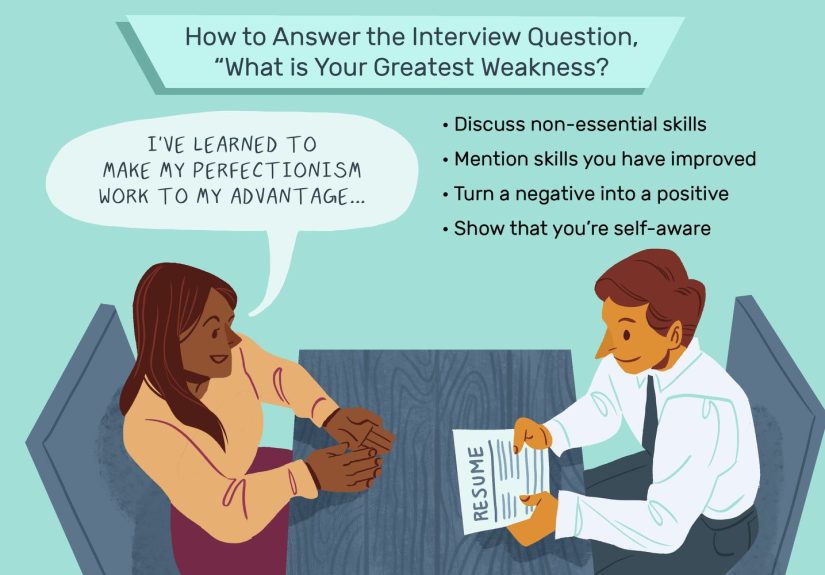
Use this three-part structure:
- Name the weakness: Choose one professional skill or habit you are improving.
- Give brief context: Explain how it has affected your work in the past without overexplaining.
- Show progress: Describe the specific steps you have taken and the improvement you have seen.
For example:
"One weakness I have been working on is speaking up earlier in group discussions. In the past, I sometimes waited until I had a fully polished idea before sharing it, which meant I occasionally missed the chance to contribute during early planning. To improve, I have started preparing two or three talking points before meetings and making a point to share at least one idea or question early. It has helped me become more confident and more useful during team conversations."
This answer works because it is honest, but not alarming. It also shows a clear improvement plan. The candidate is not just saying, "I am shy, good luck to everyone involved." They are showing growth.
What Makes a Good Weakness for a Job Interview?
A good interview weakness should pass three tests. First, it should be real. Second, it should be professional. Third, it should not be a core requirement of the position.
If you are applying for an accounting job, do not say your weakness is attention to detail. If you are applying for a sales role, do not say you struggle to communicate with new people. If you are interviewing for a project manager position, do not announce that deadlines are more of a "vibe" than a commitment. That is not a weakness answer; that is a warning label.
Good Weakness Examples
Here are several weaknesses that can work well when framed properly:
- Public speaking
- Delegating tasks
- Asking for help sooner
- Prioritizing when many tasks are urgent
- Giving constructive feedback
- Being too detail-focused at the beginning of a project
- Speaking up in meetings
- Learning to say no when workload is full
- Adapting to new software tools quickly
- Balancing speed with accuracy
Notice that these are not character disasters. They are common professional growth areas. With the right explanation, they show that you are thoughtful and actively improving.
Answers to Avoid When Asked About Your Greatest Weakness
Some answers are so overused that they practically arrive at the interview wearing a name tag. The most famous one is: "I am a perfectionist." Can this answer ever work? Technically, yes. But most of the time, it sounds like a strength wearing a fake mustache.
Avoid answers that feel fake, arrogant, too personal, or too damaging. The goal is to sound self-aware, not like you downloaded your personality from a corporate advice poster.
Do Not Say: "I Work Too Hard"
This answer sounds like you are trying to turn the question into a compliment. Interviewers have heard it thousands of times. It usually does not feel sincere.
Do Not Say: "I Have No Weaknesses"
This answer may feel bold, but it usually comes across as unrealistic. Everyone has areas to improve. Even people who alphabetize their spice rack have flaws. Sometimes especially those people.
Do Not Share a Major Red Flag
Avoid mentioning weaknesses that suggest unreliability, poor ethics, disrespect, chronic lateness, anger issues, or inability to perform the job. You can be honest without volunteering information that makes the interviewer mentally cancel your onboarding paperwork.
Do Not Get Too Personal
Keep the answer focused on work habits or professional skills. The interviewer does not need a detailed tour of your personal life. Stay relevant, respectful, and job-focused.
How to Choose the Right Weakness for the Role
The best weakness depends on the job. Before the interview, review the job description carefully. Look at the must-have skills and responsibilities. Then choose a weakness that does not directly conflict with those essentials.
For example, if the role requires heavy client presentations, public speaking may not be the best weakness to choose unless you can prove serious improvement. If the role requires independent research, saying you need constant guidance would be risky. If the role involves managing people, saying you avoid difficult conversations could make the interviewer nervous unless you have a strong growth story.
Instead, choose something adjacent but not fatal. A data analyst might discuss improving presentation skills. A marketing coordinator might mention becoming more comfortable with analytics tools. A software developer might talk about improving documentation habits. A customer support candidate might mention learning to set better boundaries when handling multiple requests.
Example Answers to "What Is Your Greatest Weakness?"
Below are practical sample answers you can adapt. Do not memorize them word for word. A memorized answer can sound like you are reading from an invisible teleprompter. Instead, use the structure and make it your own.
Example 1: Public Speaking
"One weakness I have been working on is public speaking. I am comfortable contributing in smaller meetings, but presenting to larger groups used to make me overprepare and sound less natural. To improve, I started volunteering to present smaller updates during team meetings and asking for feedback afterward. I have become more confident, and I am now better at organizing my points clearly instead of trying to script every sentence."
This answer works because it shows progress. The candidate does not pretend the weakness disappeared overnight. They show practical steps and improvement.
Example 2: Delegating Tasks
"Earlier in my career, I sometimes had trouble delegating because I wanted to make sure everything was done exactly right. I realized that this could slow the team down and limit other people's growth. I have worked on this by setting clearer expectations, sharing context upfront, and checking in at key points instead of trying to control every detail. It has helped me become a better collaborator and a more efficient team member."
This is a strong answer for someone moving into leadership because it acknowledges a common growth area and shows maturity.
Example 3: Asking for Help
"A weakness I have been improving is asking for help sooner. In the past, I sometimes spent too much time trying to solve a problem alone before bringing in another perspective. I still value independence, but I have learned that asking thoughtful questions earlier can save time and lead to better results. Now, when I am stuck, I set a time limit for independent troubleshooting and then reach out with what I have already tried."
This answer is especially useful for technical, analytical, or entry-level roles where learning and collaboration are important.
Example 4: Prioritization
"One area I have been working on is prioritizing when several tasks feel urgent. I used to treat too many items as equal priorities, which made my day less efficient. I now use a simple system: I clarify deadlines, identify what affects other people's work first, and block focused time for high-impact tasks. This has helped me stay organized and communicate more clearly when priorities shift."
This answer is practical because many workplaces move quickly. It shows that the candidate has learned to manage complexity without panicking into a spreadsheet coma.
Example 5: Giving Feedback
"I have been working on becoming more comfortable giving constructive feedback. I used to soften feedback so much that my main point was not always clear. I have improved by preparing specific examples, focusing on the work rather than the person, and balancing directness with respect. I have found that clear feedback is usually kinder and more useful than vague feedback."
This is a thoughtful answer for roles involving teamwork, mentorship, or cross-functional collaboration.
How Long Should Your Answer Be?
Your answer should usually be around 45 to 90 seconds. Long enough to show reflection, but short enough that the interviewer does not start wondering whether your greatest weakness is answering questions with a documentary-length runtime.
A concise answer feels confident. Rambling can make you sound unsure or overly nervous. Practice your answer out loud, but keep it conversational. The best interview answers sound prepared, not packaged.
How to Sound Authentic Instead of Rehearsed
Authenticity comes from using real examples. Instead of saying, "I have improved my communication skills," explain how. Did you start sending meeting recaps? Did you ask for feedback? Did you take a class? Did you use a project management tool? Did you schedule check-ins earlier?
Specific actions make your answer believable. They also help the interviewer picture you as someone who learns from experience. That is much more powerful than simply saying, "I am working on it," which can sound like what people say when they have not, in fact, worked on it.
Real Experiences: What This Question Feels Like in Actual Interviews
Many job seekers remember the weakness question because it arrives at the exact moment they are trying to appear polished. The experience can feel awkward, but it can also become one of the strongest parts of the interview when handled well.
One common experience is the candidate who prepares a polished answer but realizes during the interview that it sounds too generic. For example, a candidate might plan to say, "I am a perfectionist," then hear themselves saying it and immediately sense the air leaving the room. A better version would be more specific: "I sometimes spend too long refining the first version of a project, so I now set a draft deadline before the final deadline." The second answer feels real because it describes a behavior, a consequence, and a solution.
Another experience happens when candidates choose a weakness that is too serious for the role. Imagine someone interviewing for a customer service job and saying, "I get frustrated when people ask too many questions." That answer may be honest, but it also attacks the heart of the job. A safer and stronger answer might be: "I used to find it challenging to manage several customer requests at once, so I developed a system for tracking urgency and following up clearly." Same general area, much better framing.
Some candidates also discover that interviewers appreciate humility more than perfection. A hiring manager may not remember every technical detail you shared, but they may remember that you described a real growth area with maturity. Saying, "I have learned to ask for clarification earlier instead of assuming I understand every detail," can make you sound practical and coachable. In many workplaces, that quality is gold. Not flashy gold, perhaps, but dependable, gets-the-project-finished gold.
There is also the experience of overexplaining. Nervous candidates sometimes keep talking after they have already answered the question well. They name the weakness, explain the improvement, give an example, then continue adding footnotes like a legal contract. This can weaken a strong response. Once you have made your point, stop. Let the interviewer ask a follow-up if they want more.
Finally, strong candidates often turn this question into a growth story. They do not pretend to be flawless. They show that they notice patterns in their work, respond to feedback, and take action. That is what employers want. A good weakness answer does not say, "I am secretly perfect." It says, "I pay attention, I learn, and I get better." That is a much more believable and useful message.
Final Tips for Answering "What Is Your Greatest Weakness?"
Before your next interview, prepare two possible weakness answers. That way, you can choose the one that best fits the role and conversation. Keep your answer professional, specific, and improvement-focused.
Do not panic when the question comes up. Take a breath. Smile if it feels natural. Then give a clear answer that shows self-awareness and progress. The interviewer is not expecting you to be perfect. They are hoping you are honest enough to grow and professional enough to explain that growth well.
Conclusion
Learning how to answer "What is your greatest weakness?" can turn one of the most uncomfortable interview questions into one of your strongest moments. The key is to choose a real but manageable weakness, connect it to professional growth, and show the steps you are taking to improve. Avoid clichés, stay away from major red flags, and keep your answer concise.
A great answer does not hide the fact that you are human. It proves that you are the kind of human who reflects, adapts, and improves. In a job interview, that is exactly the kind of weakness answer that can quietly become a strength.
Note: This article is written in original standard American English for web publication and synthesizes practical career guidance from reputable interview and employment resources without adding source links.