Table of Contents >> Show >> Hide
- Why Being Nice to Your Little Sister Matters
- 15 Easy Ideas for How to Be Nice to Your Little Sister
- 1. Talk to Her Like a Person, Not a Problem
- 2. Listen When She Is Excited About Something Tiny
- 3. Stop Teasing Her About the Things She Cannot Change
- 4. Give Specific Compliments
- 5. Share Something You Usually Guard Like Treasure
- 6. Teach Her Without Acting Superior
- 7. Knock Before Entering Her Space
- 8. Help Her When She Is Struggling
- 9. Apologize Like You Mean It
- 10. Do Not Compare Her to Other Kids
- 11. Include Her Sometimes
- 12. Keep Your Cool During Arguments
- 13. Celebrate Her Wins Without Being Weird About It
- 14. Create One Small Ritual Together
- 15. Protect Her Without Controlling Her
- What to Do When Your Little Sister Is Driving You Up the Wall
- How to Make Kindness Feel Natural, Not Forced
- Conclusion
- Extra Experiences and Real-Life Moments That Make This Advice Work
Having a little sister is a bit like owning a surprise subscription box. Some days you get hugs, laughter, and a tiny human who thinks you are cooler than sliced pizza. Other days you get borrowed chargers, mysterious crumbs, and a very dramatic argument about whose turn it is to sit in the good seat. Still, learning how to be nice to your little sister is one of those life skills that pays off for years. It helps your home feel calmer, builds trust, and makes you the kind of person people actually enjoy being around.
The good news is that being kind does not require a grand speech, a mountain of patience, or a halo. It usually comes down to small, repeatable habits: speaking with respect, handling conflict without acting like a reality-show villain, and showing your sister that she matters. Whether your sibling is a chatterbox, a chaos goblin, or a sweet kid who follows you around like an enthusiastic duckling, these easy ideas can help you build a better relationship.
If you have been wondering how to get along with your little sister without pretending to be a saint, this guide is for you. Here are 15 practical, realistic, and actually doable ways to be nicer starting today.
Why Being Nice to Your Little Sister Matters
A strong sibling relationship is built through everyday moments. Sisters learn a lot from each other: how to share space, how to solve problems, how to say sorry, and how to laugh after a ridiculous disagreement about nothing. When you are kind to your little sister, you are not just “being good.” You are helping create emotional safety, trust, and a sense that home is a place where people are respected.
That does not mean you have to agree with her all the time. It means you choose respect over cruelty, patience over unnecessary drama, and honesty over mean jokes disguised as “just kidding.” Kindness is not weakness. It is self-control with better manners.
15 Easy Ideas for How to Be Nice to Your Little Sister
1. Talk to Her Like a Person, Not a Problem
One of the easiest ways to be kinder is to watch your tone. A little sister notices eye rolls, sarcasm, and that exhausted sigh you make like you have been asked to carry a piano up a mountain. Speak to her the way you would want someone older to speak to you. Even when you are annoyed, phrases like “Give me a second,” “Please stop touching that,” or “I need some space right now” work much better than snapping.
Respectful language sets the tone for the whole relationship. You do not have to sound like a motivational poster. You just have to sound decent.
2. Listen When She Is Excited About Something Tiny
Your sister may tell you a ten-minute story about a pencil, a sticker, or a dream she had about a dolphin wearing sunglasses. Listen anyway. To her, it is not tiny. It is important. Being nice often looks like giving someone your attention for a minute without acting like it is the hardest task in modern civilization.
You do not need to fake endless enthusiasm. A simple “That’s funny,” “Show me,” or “What happened next?” goes a long way.
3. Stop Teasing Her About the Things She Cannot Change
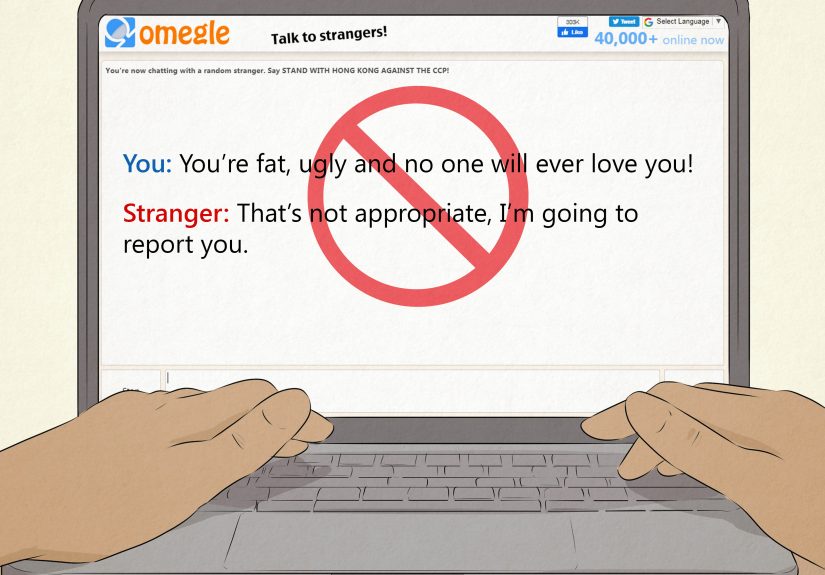
Harmless jokes are one thing. Repeated teasing about her voice, interests, mistakes, looks, or fears is another. If a joke always ends with her looking upset, it is not comedy. It is just being mean with extra steps. A good rule is simple: if you know it hurts her, retire the joke.
Kind siblings know where the line is and do not tap dance on it for entertainment.
4. Give Specific Compliments
Instead of random praise like “good job,” say something real. Tell her, “You were really patient with that,” “That drawing has cool colors,” or “You explained that well.” Specific compliments feel honest, and honest praise builds confidence. It also shows that you notice her efforts, not just her mistakes.
Think of it as emotional protein. Small serving, big benefits.
5. Share Something You Usually Guard Like Treasure
If you want to be nice to your little sister, let her into your world sometimes. Share a snack, a song, a funny video, a simple game, or a hobby you enjoy. This does not mean handing over your entire room like a museum tour. It means choosing small moments of generosity.
Shared experiences are often what turn siblings from “coexisting roommates” into actual friends.
6. Teach Her Without Acting Superior
Older siblings often know how to do things first, and that can be useful. Help her learn a game, homework trick, hairstyle, recipe, app, or sport. Just do not turn it into a speech about how much wiser you are. Nothing ruins a helpful moment like a side order of arrogance.
Try saying, “Want me to show you?” instead of “Wow, you don’t know that?” Same lesson, wildly different effect.
7. Knock Before Entering Her Space
Kindness includes boundaries. If you want your privacy respected, respect hers too. Knock, ask before borrowing things, and do not grab her stuff just because you are older. When siblings honor each other’s personal space, there is less tension and fewer detective-style investigations about missing lip balm, socks, or chargers.
Respect is not a one-way street. It is a two-lane road with fewer shouting matches.
8. Help Her When She Is Struggling
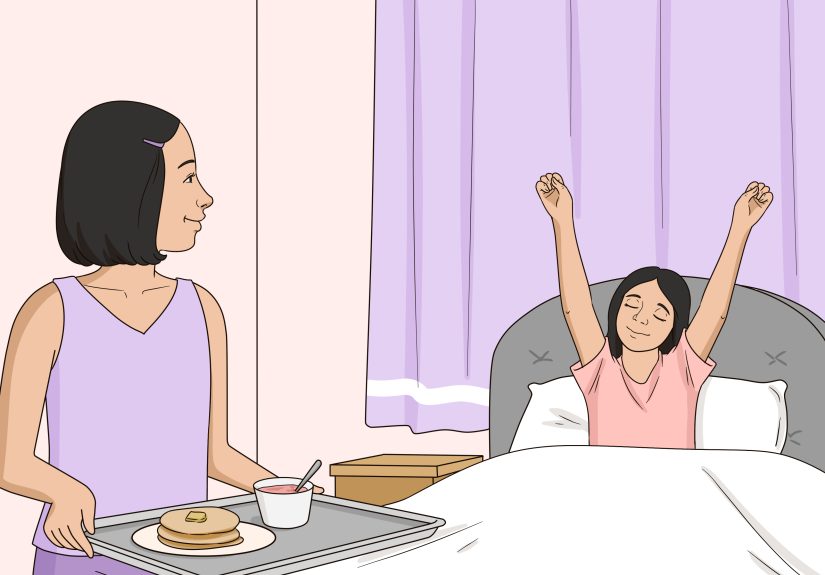
If your little sister looks frustrated, ask whether she wants help. The key phrase here is ask. Do not swoop in and take over like a superhero with control issues. A simple “Do you need a hand?” can make her feel supported instead of small.
Helping might mean opening a jar, practicing lines for a school event, explaining homework, or standing by her when she feels nervous. Small support can feel huge to a younger sibling.
9. Apologize Like You Mean It
Every sibling relationship includes conflict. The difference between a healthy one and a miserable one is what happens after the conflict. If you were rude, own it. A real apology sounds like, “I’m sorry I yelled at you. You didn’t deserve that.” It does not sound like, “I’m sorry you got offended,” which is the apology equivalent of handing someone an empty gift box.
Repair matters. It teaches trust, accountability, and emotional maturity.
10. Do Not Compare Her to Other Kids
A fast way to hurt a younger sister is to compare her to a friend, cousin, or classmate. Statements like “Why can’t you be more like…” usually make people feel worse, not better. Let her be herself. Encourage growth without making her feel like she is losing an invisible competition.
The goal is connection, not ranking.
11. Include Her Sometimes
No, you do not need to invite her into every conversation, hangout, or personal moment. But sometimes including her on purpose can mean a lot. Let her join a game, help with a project, or sit with you while you watch something age-appropriate. If she always feels shut out, she may start acting more annoying just to get attention.
Inclusion is often the cheapest and easiest kindness there is.
12. Keep Your Cool During Arguments
When tempers rise, volume usually rises too. That does not help. If you feel yourself getting heated, pause before responding. Take a breath, step away for a minute, or lower your voice on purpose. Staying calm does not mean letting her walk all over you. It means you are choosing not to turn a small disagreement into a family event.
It is hard to solve a problem when both people are acting like microwaved fireworks.
13. Celebrate Her Wins Without Being Weird About It
If she scores a goal, gets a good grade, finishes a hard project, or finally learns to do something new, say something encouraging. You do not need to become her full-time hype crew, but letting her know you noticed matters. A simple “Nice job” or “You worked hard on that” can strengthen your bond more than you think.
Support does not cost much, and jealousy is a terrible decorating choice for any relationship.
14. Create One Small Ritual Together
Want an easy way to get along better with your little sister? Build one repeatable thing that is yours. It could be a Saturday snack run, a two-minute handshake, a silly inside joke, evening basketball, a shared playlist, or a bedtime drawing challenge. Rituals create connection because they give siblings something familiar and positive to expect.
Relationships grow faster when they have regular moments of fun, not just emergency meetings during conflict.
15. Protect Her Without Controlling Her
Being nice sometimes means standing up for your sister when she is embarrassed, overwhelmed, or treated unfairly. Check in on her, back her up when needed, and be someone she can trust. Just remember that protecting is not the same as bossing her around. She needs support, not a self-appointed manager.
The sweetest version of sibling loyalty says, “I’ve got your back,” not “I’m in charge of your entire existence.”
What to Do When Your Little Sister Is Driving You Up the Wall
Let us be honest: being nice is easier when your little sister is being adorable and much harder when she is touching your stuff, repeating everything you say, or asking questions while you are trying to think. In those moments, kindness needs structure. Start by naming what you need without attacking her. Say, “I need quiet for ten minutes,” or “Please ask before borrowing my things.” Clear requests work better than explosions.
It also helps to notice patterns. Do you fight most when you are hungry, tired, rushing, or crowded into the same room too long? Many sibling arguments are less about deep emotional betrayal and more about bad timing plus low patience. Solving the setup can solve half the problem.
If conflict keeps repeating, talk when both of you are calm. Set a simple agreement together: knock first, return borrowed stuff, no name-calling, and ask before joining certain activities. Families do better when expectations are clear. Mind reading is not a reliable communication system.
How to Make Kindness Feel Natural, Not Forced
If you are trying to be a better older sibling, do not aim for perfection. Aim for consistency. Pick two or three ideas from this list and practice them daily. Maybe you stop teasing, start knocking, and give one genuine compliment a day. That alone can change the atmosphere between you.
Kindness becomes natural when it turns into habit. The more often you pause before being rude, help before being asked, or repair after a fight, the easier it gets. Eventually, being nice to your little sister stops feeling like a special event and starts feeling like part of who you are.
Conclusion
Learning how to be nice to your little sister is not about becoming fake, overly soft, or endlessly patient. It is about choosing better habits in the moments that shape your relationship. Talk with respect. Listen more. Tease less. Apologize when needed. Share small joys. Respect boundaries. Help without showing off. These are simple moves, but they add up fast.
One day, the little sister who bugs you by walking into your room without warning may become the person who makes you laugh the hardest, understands your family history better than anyone, and remembers who you were before the rest of the world had an opinion. Treat that relationship well now. Future you may be very grateful.
Extra Experiences and Real-Life Moments That Make This Advice Work
In real life, being nice to your little sister rarely looks dramatic. It looks ordinary, which is exactly why it matters. Maybe she walks into the kitchen after a rough day at school and starts talking in circles about how someone ignored her at lunch. You may be tempted to say, “That’s not a big deal,” because from the outside it seems small. But a kinder response is, “That sounds rough. Want to talk about it?” That one sentence does not solve everything, but it tells her that her feelings are allowed to exist around you.
Another common moment happens when siblings are forced into close quarters for too long. Think car rides, family trips, or one of those rainy weekends where everyone is indoors and patience leaves the building around 2:14 p.m. In those moments, kindness is often practical. Offering her a turn with the charger, moving your bag so she has room, or suggesting a game before boredom turns into war can prevent a lot of unnecessary conflict.
Sometimes the biggest test comes when your little sister wants your attention at the worst possible time. Maybe you are texting a friend, trying to finish homework, or just existing quietly for once. Being nice does not mean dropping everything on command. It means responding without contempt. “I can help you in ten minutes” is much kinder than “Go away.” Delayed kindness still counts. Rudeness just lingers longer.
There are also those strange, funny moments that become family legends. Maybe she tries to make breakfast and somehow creates toast that looks like it fought in a small battle. Maybe she asks for fashion advice and walks away wearing three patterns that should probably never meet. Maybe she copies your slang badly and sounds like a time traveler who studied teenagers from a cereal box. These are great opportunities to laugh with her instead of at her. Shared humor builds closeness. Humiliation builds distance.
One of the most overlooked experiences is what happens after a fight. Many siblings say mean things, cool off, and then pretend nothing happened. That might seem easier, but it leaves a weird emotional stain on the room. A better habit is repair. Knock on her door. Sit down. Say, “I was harsh earlier. I’m sorry.” You do not need a violin soundtrack and a heartfelt monologue. Just honesty. Those repair moments are often what make a sibling relationship stronger over time.
And then there are the protective moments. Maybe another kid makes fun of her. Maybe she feels left out at a family event. Maybe she is trying something new and clearly scared of failing. When you stand beside her without making it a performance, she remembers. Younger siblings remember who embarrassed them, but they also remember who quietly helped them feel safe. That is the kind of memory that lasts.
Being nice to your little sister is really about recognizing that small moments are the relationship. Not birthdays. Not holidays. Not the occasional big gesture. The real bond is built in the hallway, the kitchen, the back seat, the living room, the apology after the argument, and the random Tuesday when you decide to be a little more patient than usual. Do that often enough, and “How to be nice to your little sister” stops being advice and starts becoming your normal.