Table of Contents >> Show >> Hide
- Why Exposed Concrete Shows Up So Often in Japanese Homes
- The “Warm Interior” Recipe: Where the Softness Actually Comes From
- Design Strategies Japanese Architects Use to Keep Concrete Homes Bright (Not Bunker-ish)
- Comfort and Reality Check: How Concrete Homes Stay Livable
- Case Studies: Concrete Outside, Warmth Inside
- How to Get This Look Without Making Your Home Feel Cold
- What the “Delicate” Part Really Means
- of Real-World Experience: What It Feels Like to Live in a Warm Concrete House
- Conclusion
Exposed concrete gets accused of being “cold,” “harsh,” and “the architectural equivalent of forgetting your hoodie.”
Japanese architects have been politely disagreeing for decadesby building concrete homes that feel calm, tactile,
and surprisingly cozy. The trick isn’t to “fight” the concrete. It’s to pair it with warmth in the smartest places:
under your feet, at your fingertips, and everywhere light lands.
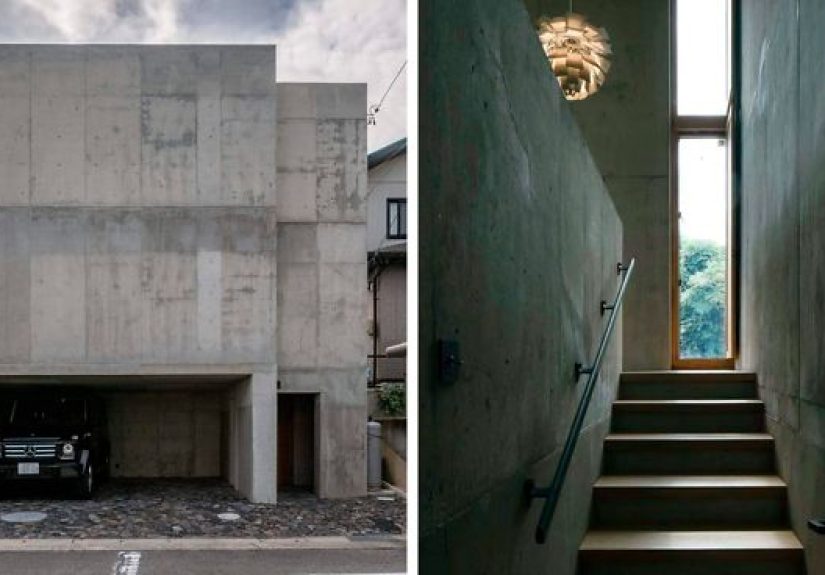
In this article, we’ll break down how Japanese architects turn rugged, honest concrete into a gentle backdrop for daily life.
You’ll see the design moves that keep these homes bright and welcoming (not bunker-y), the comfort strategies that make
concrete livable in real seasons, and the interior detailswood, textiles, courtyards, and lightingthat create the
“delicate and warm” feeling the photos promise.
Why Exposed Concrete Shows Up So Often in Japanese Homes
1) It’s honest, minimal, and beautifully “quiet”
Japanese residential architecture often celebrates clarity: structure looks like structure, materials look like themselves,
and the visual noise level stays low. Exposed concrete fits right in. When formwork is precise and joints are intentional,
concrete becomes a calm surface that makes everything elsewood grain, plants, shadowsfeel more vivid.
2) It works for dense cities and tight sites
In many Japanese neighborhoods, homes sit close together, with privacy, fire safety, and durability all high on the list.
Concrete helps create solid, protective outer shells, while the interior can open up through courtyards, skylights, and
carefully framed views. Think of it as: tough exterior, soft life inside.
3) It’s a perfect canvas for light
Concrete loves lightespecially the slow, angled kind that changes throughout the day. Japanese designers often choreograph
daylight so it washes across walls, slips down stairs, or pools in a courtyard. When the sunlight moves, the house feels alive.
The concrete doesn’t dominate; it performs background vocals.
The “Warm Interior” Recipe: Where the Softness Actually Comes From
The warmth in these homes is rarely a single thing. It’s a layered experiencewhat you touch, what you hear, and how the space
makes you breathe. Here are the most common ingredients.
Warmth Move #1: Put wood where hands and eyes naturally go
Many Japanese concrete homes use wood strategically rather than everywhere. You’ll often see white oak or walnut as ceilings,
built-ins, window surrounds, or stair treadsplaces you notice up close. This creates a “thermal illusion” (in the best way):
the room feels warmer because the surfaces closest to you feel warmer.
- Ceilings: A timber ceiling can soften a concrete room instantly and improve acoustics.
- Built-ins: Wood shelving and benches visually “humanize” the scale of concrete walls.
- Thresholds: Entries often feature wood or stone transitions that signal calm and cleanliness.
Warmth Move #2: Use texture to prevent the “gallery effect”
Smooth concrete plus bare rooms can feel like a museum on a day off. The fix is texture: woven textiles, slatted wood screens,
clay plaster, rugs, linen curtains, and matte finishes. Texture also helps with soundan underrated part of comfort in hard-surface
spaces.
Warmth Move #3: Let nature do some of the decorating
Courtyards, pocket gardens, and carefully placed planters do more than look pretty. They soften the edges of the architecture,
filter daylight, and make the home feel like it’s breathing with the seasons. Even a small courtyard can change everything:
it adds movement (leaves), sound (rain), and dappled shadow (instant mood).
Design Strategies Japanese Architects Use to Keep Concrete Homes Bright (Not Bunker-ish)
Courtyard planning: light without losing privacy
One of the most effective strategies is turning the house inward. Instead of relying on big street-facing windows, the home
borrows light from inner courtyards. This allows generous glazing inside the site while keeping the exterior more protected.
It’s especially helpful in dense neighborhoods where privacy is a real daily concern.
Skylights and high windows: daylight that feels gentle
Japanese architects often place windows high to capture sky light while avoiding direct sightlines from neighbors. Skylights,
clerestories, and light wells can brighten a concrete interior without making it feel exposed. The result is soft, even illumination
that flatters concrete instead of turning it into a gray cave.
Stairs as “light filters”
In many concrete houses, stairs are open-riser or slender-profile elements that let light travel deeper into the plan. Instead
of blocking daylight, the staircase becomes a sculptural screenpractical, airy, and a little dramatic (in a good way).
Comfort and Reality Check: How Concrete Homes Stay Livable
Concrete is strong, but it’s not magic. A common misconception is that concrete automatically equals comfort. Structurally, yes.
Thermally, not unless you design for it.
Concrete isn’t insulationso insulation has to be intentional
Concrete has high thermal mass, meaning it can absorb and release heat slowly. That can help stabilize indoor temperaturesbut only
if the building envelope is insulated and detailed correctly. Otherwise, concrete can conduct heat too easily, creating cold surfaces
and comfort problems. Good concrete houses treat insulation, air sealing, and moisture control as part of the architecture, not
an afterthought.
Moisture and condensation: the invisible design brief
Any home that mixes hard materials, temperature swings, and humid air needs moisture strategy. Well-designed envelopes use continuous
air barriers, carefully placed vapor control layers (depending on climate), and assemblies that can dry appropriately. This isn’t the
glamorous part of architecturebut it’s the reason a beautiful concrete wall stays beautiful.
Acoustics matter more than people expect
Concrete reflects sound. If you’ve ever clapped in an empty room and regretted it immediately, you understand. Japanese designers
often solve this with wood ceilings, curtains, rugs, upholstered furniture, and even built-in bookshelvessoft elements that keep the
space serene instead of echoey.
Case Studies: Concrete Outside, Warmth Inside
ELEMENT House (Kyoto area): concrete ribs + walnut warmth
A standout recent example pairs a reinforced concrete structure with recessed walnut panelscreating a ceiling that reads as warm,
crafted, and acoustically gentler than bare concrete alone. The design uses multiple courtyards to tune daylight for different zones,
turning the interior into a sequence of softly lit moments rather than one flat “open plan.”
“Full exposure” Japanese concrete interiors: warmth through openings and light
Collections of Japanese concrete homes often reveal the same theme: even when the interiors lean heavily into exposed concrete,
architects create warmth with strategic openings, floating stairs, skylights, and carefully balanced material contrast. The goal is
not to hide the concreteit’s to make it feel intentional and livable.
Sagamine House (Nagakute): modern concrete shell, human-scale interior
Another frequently referenced project (featured widely in architecture media) began with clients wanting a modern home with exposed concrete.
The interior warmth comes from proportion, careful furniture placement, and a restrained palette that lets natural materials and daylight
do the emotional heavy lifting.
How to Get This Look Without Making Your Home Feel Cold
Start with one “hero” concrete surface
If you’re inspired by Japanese concrete homes, you don’t need to pour your entire personality into a cement mixer. Start with a single
concrete featurean accent wall, a fireplace surround, a floorand surround it with warm elements: wood, plants, and layered lighting.
Use lighting like a material
The quickest way to make concrete feel welcoming is to light it well. Indirect lighting (wall washers, cove lighting, uplights) brings
out texture and prevents harsh shadows. Warm color temperature bulbs also help keep the overall mood invitingbecause nobody wants their
living room to feel like a parking garage at noon.
Balance the palette: neutral concrete + natural tones
Japanese interiors often feel warm because the color story is calm: gray concrete, honey-toned wood, off-white textiles, and green plants.
Add one or two deeper notes (charcoal, dark wood, black hardware) and you get contrast without chaos.
What the “Delicate” Part Really Means
“Delicate” doesn’t mean fragile. In many Japanese concrete homes, delicacy shows up as precision:
corners align, door reveals are clean, joints are consistent, and the layout feels effortless. It’s the care that makes the
home feel quieteven when the structure is tough.
- Carefully framed views: a window becomes a “painting” of a tree or a courtyard.
- Subtle transitions: a small step, a wood threshold, a change in ceiling height.
- Flexible spaces: rooms that can shift between work, rest, and gathering without feeling forced.
of Real-World Experience: What It Feels Like to Live in a Warm Concrete House
People often fall in love with exposed concrete homes in photos, then worry they’ll feel “too cold” in real life. The lived experience,
according to many homeowners and visitors, is more nuancedand honestly, more interesting. The first thing you notice isn’t temperature.
It’s calm. Concrete reduces visual clutter. It doesn’t compete with your furniture, your art, or your plants. It just sits thereconfident,
quiet, and weirdly soothing, like a friend who never interrupts.
In the morning, concrete interiors can feel almost spa-like. When daylight hits a smooth wall, you see subtle gradients rather than flat
colorespecially if the architect designed the light to arrive indirectly. A lot of residents describe a “slow” quality to these homes:
the way shadows move across the wall becomes part of the day’s rhythm. Coffee tastes the same (thankfully), but the room makes you drink it
like you have nowhere else to be.
The warmth mostly comes from the parts you touch. A wood handrail, a walnut ceiling above the dining table, oak cabinetry that feels soft at
the edges, a rug under your feet, linen curtains that sway a little when a door opens. Those details change the emotional temperature of the
whole room. You might look at a concrete wall, but you live on the wooden bench by the window. And that’s the point: concrete sets the stage;
warm materials carry the scene.
Sound is a real “aha” moment. In an empty concrete room, everything echoes. In a furnished one, the acoustics can become beautifully muted,
especially if there’s a wood ceiling or textured surfaces. Homeowners often learn quickly that softness isn’t optionalit’s part of comfort.
Rugs, upholstered seating, books, and textiles don’t just decorate; they tune the room so conversations feel intimate instead of bouncy.
Then there’s weather. Well-built concrete houses feel stable, not drafty. On hot days, shaded courtyards and controlled openings can make the
interior feel protected and cool, particularly when ventilation is planned thoughtfully. On cold days, comfort depends on insulation and heating
strategy, not wishful thinking. People who love these homes talk about appreciating that “the building behaves predictably”no random chilly
corners, no damp surprisesbecause the envelope was designed properly. When that part is done right, the interior warmth feels earned rather
than staged.
And finally: the emotional experience. Visitors often describe the contrast as the magicstepping from a solid, private concrete exterior into a
bright interior with wood, plants, and soft light. It feels like entering a quiet pocket of the city. If the home includes a courtyard, the
experience levels up: you hear rain differently, you notice wind, you watch seasons change. The concrete doesn’t make the home cold. It makes
the warmth feel intentionallike the house is gently reminding you what actually matters.
Conclusion
Japanese architects keep proving that exposed concrete doesn’t have to feel harsh. With thoughtful daylighting, warm wood placement, textured
layers, and a strong building-envelope strategy, concrete becomes a serene background for everyday life. The result is a house that feels both
protective and welcomingminimal without being sterile, modern without losing its humanity.