Table of Contents >> Show >> Hide
- Before You Start: Plan Like a Pro
- Tools and Materials You’ll Need
- 17 Simple Steps to Build Your Pathway Lamppost
- Step 1: Choose the Perfect Location
- Step 2: Map the Route for Power
- Step 3: Call 811 and Check Local Codes
- Step 4: Mark and Dig the Post Hole
- Step 5: Add a Gravel Drainage Base
- Step 6: Set Up a Form or Anchor Base
- Step 7: Run Conduit to the Post Location
- Step 8: Mix and Pour the Concrete Footing
- Step 9: Set Anchor Bolts or the Structural Post
- Step 10: Build a Decorative Wooden Sleeve (Optional)
- Step 11: Prime and Paint or Stain
- Step 12: Pull the Wiring (Or Prep for Solar)
- Step 13: Mount the Lamppost Fixture
- Step 14: Make the Electrical Connections
- Step 15: Backfill the Trench and Restore the Yard
- Step 16: Install the Bulb and Test at Night
- Step 17: Add Finishing Touches
- Safety and Code Essentials (Without the Jargon)
- Maintenance Tips to Keep Your Lamppost Looking New
- Real-World Experiences: Lessons From the Pathway Lamppost Trenches
If you’ve ever tried to walk up your front path in the dark, juggling bags, keys, and existential dread, you already know why a pathway lamppost is a big deal. It’s not just a cute design feature from an episode of This Old Houseit’s a practical, welcoming upgrade that boosts curb appeal, safety, and that cozy “home” feeling every time you pull into the driveway.
The good news: building a pathway lamppost is totally doable for a handy homeowner, especially if you’re comfortable with basic tools and don’t mind a little digging. The great news: you can leave the electrical hookups to a licensed electrician and still proudly say, “Yeah, I built that.”
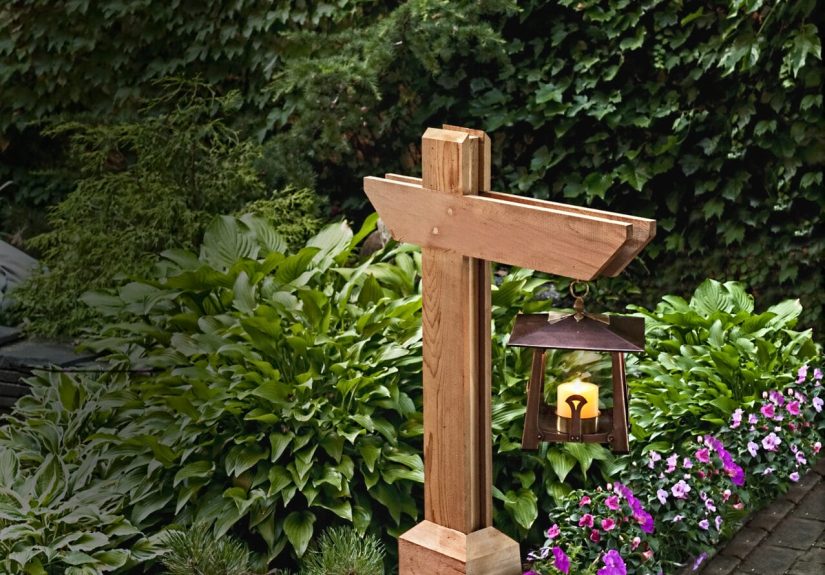
Below is a step-by-step guide inspired by classic This Old House projects and pro advice. We’ll walk through planning, pouring a solid base, adding a handsome post, and wiring optionsall in 17 simple steps.
Before You Start: Plan Like a Pro
Before you pick up a shovel, step back and look at your yard at night if possible. Where do people actually walk? Are there tripping hazardsroots, steps, awkward turnsthat really need light? Ideally, your lamppost sits where it both looks good and performs well, such as at the beginning of a walkway or at a key bend in the path.
Also think about:
- Power source: Will you tie into an existing outdoor circuit, add a new GFCI-protected line, or go with a solar lamp head?
- Fixture style: Traditional lantern, modern minimalist, or farmhouse cottage? Pick a style that echoes your home’s architecture so it doesn’t look random.
- Height: Most pathway lampposts work well with the light about 6–7 feet above the ground, high enough to spread light along the path without blasting it into your eyes.
- Weather and wind: If you live in a windy or icy area, a deeper footing and a sturdy post will pay off.
Check local building and electrical codes and, in the U.S., call your utility locating service (811) before digging. That five-minute phone call can literally save your lifeand your cable line.
Tools and Materials You’ll Need
Your exact list will depend on whether you’re building a decorative wooden sleeve like a classic This Old House project or setting a metal post directly into a concrete base, but most builds will use:
Common Tools
- Post-hole digger or digging shovel
- Trenching spade (for running conduit)
- Level (a post level makes life easier)
- Measuring tape
- Circular saw or miter saw (for wood sleeves)
- Drill/driver and bits
- Trowel for concrete finishing
- Safety glasses, gloves, and hearing protection
Materials
- Lamp post or a 4×4 pressure-treated post plus decorative sleeve and cap
- Outdoor-rated lamppost lantern (line-voltage or solar)
- Quick-setting concrete mix and gravel for drainage
- PVC conduit and fittings (for wired installations)
- UF-rated cable (if allowed by code and used with conduit, as per your local rules)
- Exterior-grade fasteners and construction adhesive
- Exterior primer and paint or stain for wood elements
- Optional: photocell or smart switch for automatic on/off
If you’re doing line-voltage wiring, plan from the start to have a licensed electrician handle or at least verify the electrical work. It’s not just about safetyit’s also about staying on the right side of code and insurance requirements.
17 Simple Steps to Build Your Pathway Lamppost
Step 1: Choose the Perfect Location
Stand at the street and look toward your front door. The best lamppost spot usually lines up with the walkway so it leads visitors in, not off into the shrubs. Avoid locations where the post would sit in a low, constantly soggy spot or directly in the way of a snowplow, mower, or delivery truck.
Step 2: Map the Route for Power
If you’re installing a wired lamppost, sketch the route from your power source to the post. Try to keep the trench as short and straight as possible, with gentle curves. Plan for conduit depth appropriate to your local code (often 12–18 inches for low-voltage or 18 inches or more for standard line-voltage circuits).
Step 3: Call 811 and Check Local Codes
At least a few days before digging, call 811 so utilities can mark underground lines. Confirm whether you need a permit and what your local rules are for burial depth, GFCI protection, and conduit type. Many areas require outdoor lamp posts to be on a GFCI-protected circuit.
Step 4: Mark and Dig the Post Hole
Mark a circle roughly 12 inches in diameter where the post will sit. Dig down about 22–24 inches or deeper if you’re in a frost-prone region. The goal is room for a gravel base plus a deep concrete footing, so the lamppost stays upright through storms and freeze-thaw cycles.
Step 5: Add a Gravel Drainage Base
Pour about 4–6 inches of compacted gravel into the bottom of the hole. This helps water drain away from the concrete and slows rot for any wood that’s nearby. Tamp the gravel flat and level.
Step 6: Set Up a Form or Anchor Base
If your lamppost bolts to a concrete pad or pier, drop in a cardboard concrete form (sonotube) that sticks a few inches above grade. For a post that embeds directly, you may skip the form and set the post in the concrete. Either way, center the form in the hole and backfill around it so it can’t shift.
Step 7: Run Conduit to the Post Location
Dig a narrow trench from the power source to your post hole. Lay PVC conduit along the trench, with an elbow up into the post footing or base. Dry-fit everything first so you know the route works, then glue the joints with PVC cement. Don’t pull the cable yetjust get the conduit installed and stubbed up where the lamppost will be.
Step 8: Mix and Pour the Concrete Footing
Follow the directions on your concrete mix bag. For many DIY projects, you can pour dry mix in the hole and add water, but mixing in a wheelbarrow gives you better control. Fill the form or hole around the conduit until the concrete is just above grade. Smooth the top and slope it slightly away from the post so water runs off.
Step 9: Set Anchor Bolts or the Structural Post
If your lamppost mounts to a base plate, use a template to set anchor bolts in the wet concrete, making sure they’re square and spaced correctly. If you’re embedding a pressure-treated 4×4, set it into the wet concrete, use a level to plumb it on all sides, and brace it with scrap boards until the concrete cures.
Step 10: Build a Decorative Wooden Sleeve (Optional)
For that classic This Old House look, build a box-style sleeve from exterior-grade lumber that slides over the structural post. You might include trim boards, beveled edges, or a simple base and cap profile. Cut pieces with a miter saw, dry-fit them, then assemble using exterior screws and construction adhesive.
Step 11: Prime and Paint or Stain
Before you install the sleeve outdoors, seal it. Apply exterior primer to all faces, including the ends, then paint with an exterior-grade paint or stain. This step might feel “extra,” but it’s what keeps your lamppost from peeling and rotting in a few seasons.
Step 12: Pull the Wiring (Or Prep for Solar)
Once the concrete has cured, pull outdoor-rated cable through the conduit up into the post. This is typically where a licensed electrician takes over: they’ll size the wire correctly, ensure it’s on a GFCI-protected circuit, and make proper splices. If you’re going solar, this step is easierno trench wiring needed; you’ll just secure the solar head according to the manufacturer’s instructions.
Step 13: Mount the Lamppost Fixture
Slide the decorative sleeve over the structural post (if you built one) and secure it. Attach the metal lamppost head or lantern mounting plate according to the manufacturer’s directions. Make sure any mounting screws bite into solid wood or metal and that the fixture sits square and level.
Step 14: Make the Electrical Connections
All connections should be made in a junction box rated for exterior use. Your electrician will typically connect the hot, neutral, and ground wires, add a photocell or smart switch if desired, and use outdoor-rated connectors. Everything should be tight, weatherproof, and code-compliant.
Step 15: Backfill the Trench and Restore the Yard
Once the wiring is inspected and approved, backfill the trench. Lay soil back in layers, tamping as you go to avoid future sinkholes. Replace sod where you cut it or reseed bare areas. This step does wonders for making the project look “finished” instead of like a construction site.
Step 16: Install the Bulb and Test at Night
Choose an LED bulb rated for outdoor use. For pathway lighting, a warm white (2700–3000K) bulb with moderate lumens usually feels inviting without being blinding. Turn the power on, then check the light pattern at night. Make sure it actually illuminates the path and not just the neighbor’s bedroom.
Step 17: Add Finishing Touches
Now the fun part. Add house numbers, a hanging sign arm, or plant a small bed of low-growing shrubs or perennials around the base. A simple ring of mulch or stone will protect the post from weed trimmers and make it look intentional, not like a lonely stick in the yard.
Safety and Code Essentials (Without the Jargon)
Anytime you combine digging and electricity, safety has to come first. A few non-negotiables:
- Turn power off at the breaker before any electrical work, and verify it’s off with a tester.
- Use GFCI protection for outdoor circuits as required by code.
- Choose outdoor-rated components: fixtures, boxes, wire, connectors, and bulbs all need to be labeled for exterior or wet locations.
- Respect burial depths: Conduit and cable must be buried deep enough to stay safe from shovels, aerators, and frost heave.
- Know your limits: If you’re not fully confident with line-voltage wiring, let a licensed electrician handle it. You can still DIY the digging, concrete, and carpentry.
Maintenance Tips to Keep Your Lamppost Looking New
Once your lamppost is in, it’s low-maintenancebut not no-maintenance. Once or twice a year:
- Wipe dirt and cobwebs from the lantern glass.
- Check caulking and paint for cracks, then touch up before moisture gets in.
- Inspect the base for shifting or cracks in the concrete.
- Trim plants so they don’t block the light or trap moisture against the post.
- Swap bulbs proactively so you’re not stuck in the dark at the worst time.
A bit of routine care will keep your lamppost shining (literally and figuratively) for many years.
Real-World Experiences: Lessons From the Pathway Lamppost Trenches
After you’ve read a step-by-step guide, it’s easy to think the project will go perfectly. Out in the real world, though, pathway lamppost projects come with surprisessome annoying, some kind of hilarious in hindsight. Here are a few “been there, done that” lessons that homeowners often share.
1. Don’t Underestimate the Digging
On paper, a 2-foot-deep hole and a shallow trench don’t sound like much. In heavy clay, rocky soil, or tree-root central, it can feel like you’re tunneling to the center of the earth. One homeowner started with a regular shovel, gave up after an hour, and rented a small power trencher and post-hole auger. The job went from “never again” to “actually kind of fun” in a single afternoon.
If you think digging might be tough on your site, plan ahead: rent the right tools, recruit a helper, and do the heavy work on a cool morning instead of midday in July.
2. Build in Extra Conduit Now, Thank Yourself Later
More than a few DIYers wish they had added an extra conduit run or at least pulled a spare string through the existing one. It’s easy to think, “I’ll only ever need this one lamppost,” but that’s how you end up digging again when you decide to add a gate light, another path light, or a smart security camera.
A simple trick: when you pull cable through the conduit, attach a second pull string and leave it in place. Coil it up in the junction box. Someday when you want to add a low-voltage line or change the cable, you’ll be able to pull it through without opening up your yard again.
3. Think About Glare and Neighbors
Another common story: the post goes in, the lantern looks amazing, and then you flip the switch. The path is bright, but so is your neighbor’s bedroom window. Whoops.
Before you lock in your bulb choice, test at night. Try a few wattage and color temperature options. Warm, softer light tends to feel welcoming for paths and front entries. Sometimes swapping to a lower-lumen bulb or one with a frosted finish is all it takes to turn a harsh spotlight into a gentle glow.
4. Respect Water and Freeze-Thaw Cycles
Lampposts that lean after a couple of winters usually share a similar backstory: shallow footing, poor drainage, or both. DIYers who rushed the footing often see the post slowly tilt or the base heave upward as frozen soil expands.
The people who had the best long-term results almost always took drainage seriously: they used a gravel base at the bottom of the hole, poured a deep enough concrete footing, and sloped the concrete away from the post. It’s not glamorous work, but it’s what keeps your lamppost straight and solid.
5. Solar vs. Wired: Choose What Fits Your Lifestyle
Many homeowners start out thinking they absolutely want a hardwired post, then discover trenching through established landscaping is a bigger disruption than expected. Others install a solar head and later realize they want brighter, more consistent light.
If you’re on the fence, consider a hybrid mindset. You can set a solid, permanent post with a proper footing now and start with a high-quality solar head for a season or two. If you decide you need line-voltage later, the hard partthe post and baseis already done. Your electrician can add wiring without you redoing all the structural work.
6. Don’t Skip the “Mock-Up” Phase
One clever tip from experienced DIYers: before you dig anything, mock up the lamppost height and location with a scrap board and a clamp-on work light. Step back at dusk and see how it looks from the street, the driveway, and inside the house.
This quick test catches a lot of small annoyances: posts that are slightly too tall, lights that shine into second-story windows, or placements that look off-center from the street. It’s much easier to move a piece of scrap lumber than a 200-pound concrete footing.
7. Celebrate the Finished Project
At the end of the day, a pathway lamppost isn’t just another item checked off the home improvement list. It’s something you see and use every single time you come home. Many homeowners say the first night they flip the switch (or watch it come on automatically at dusk) is weirdly satisfyinglike their home just leveled up.
So when the light finally clicks on, step back, admire your work, and enjoy that “I actually built this” moment. You’ve combined design, structure, and practical function in one small but mighty projectexactly the kind of upgrade that would make any This Old House fan proud.