Table of Contents >> Show >> Hide
- What Is Pot Roast?
- The Best Cut of Beef for Pot Roast
- Ingredients for the Best Pot Roast
- How To Cook The Best Pot Roast Step by Step
- Dutch Oven vs. Slow Cooker Pot Roast
- How To Know When Pot Roast Is Done
- Common Pot Roast Mistakes
- Best Side Dishes for Pot Roast
- How To Store and Reheat Pot Roast
- Creative Ways To Use Leftover Pot Roast
- Experience-Based Tips for Cooking the Best Pot Roast
- Conclusion
Pot roast is one of those magical dinners that makes a kitchen smell like someone’s grandmother just won a blue ribbon at the county fair. It is humble, hearty, and deeply comforting, yet when done right, it feels downright luxurious. The best pot roast is not about fancy tricks or expensive ingredients. It is about choosing the right cut of beef, seasoning it generously, browning it like you mean it, and letting time do the heavy lifting.
If you have ever pulled a roast from the oven only to discover something closer to beef-flavored shoe leather, you are not alone. Pot roast can be tender, juicy, and full of savory flavor, but only when it is treated properly. The good news? The technique is simple. The even better news? Once you understand the “why” behind each step, you can cook a perfect pot roast in a Dutch oven, slow cooker, or even adapt it for a pressure cooker.
This guide explains how to cook the best pot roast from start to finish, including the best cut of meat, ideal cooking temperature, vegetables, seasonings, gravy tips, common mistakes, and practical cooking experience that can save dinner before anyone starts eyeing the pizza delivery app.
What Is Pot Roast?
Pot roast is a braised beef dish made by slowly cooking a tough, flavorful cut of meat in a covered pot with liquid, aromatics, herbs, and vegetables. Unlike oven roast beef, which is often cooked dry and sliced medium-rare, pot roast is cooked until the connective tissue breaks down and the meat becomes fork-tender.
The word “roast” can be a little misleading. A pot roast is not simply roasted; it is braised. That means the beef is first browned, then gently simmered or baked in a small amount of liquid. The covered pot traps steam, the liquid builds a rich sauce, and the meat slowly transforms from tough to tender. It is basically a cozy spa day for beef.
The Best Cut of Beef for Pot Roast
The best cut for pot roast is beef chuck roast. Chuck comes from the shoulder area of the cow, which means it has plenty of muscle, marbling, and connective tissue. That might sound like bad news, but for pot roast, it is exactly what you want. During long, slow cooking, the collagen melts into gelatin, giving the roast a tender texture and the braising liquid a rich, silky body.
Best Beef Cuts to Use
- Chuck roast: The classic choice for tender, juicy pot roast.
- Chuck eye roast: Similar to chuck roast, often slightly more uniform in shape.
- Brisket: Flavorful and rich, but may need a longer cooking time.
- Bottom round: Leaner and less forgiving, but usable with careful braising.
- Rump roast: Budget-friendly, though not as naturally juicy as chuck.
For the best result, choose a 3- to 4-pound boneless chuck roast with visible marbling. Avoid cuts that look too lean. Lean meat may sound virtuous, but in pot roast, it often turns dry before it turns tender. This is not the moment for beef to put on its gym clothes.
Ingredients for the Best Pot Roast
A classic homemade pot roast does not need a pantry full of rare ingredients. The key is balance: beefy flavor, savory aromatics, enough liquid for braising, and vegetables that can stand up to a long cook time.
Main Ingredients
- 3 to 4 pounds beef chuck roast
- 2 tablespoons neutral oil, such as canola or vegetable oil
- 2 teaspoons kosher salt, plus more to taste
- 1 teaspoon freshly ground black pepper
- 1 large yellow onion, sliced or chopped
- 4 carrots, cut into large chunks
- 3 celery stalks, chopped
- 4 garlic cloves, minced
- 2 tablespoons tomato paste
- 1 cup dry red wine, beef broth, or a mix of both
- 2 cups low-sodium beef broth
- 2 teaspoons Worcestershire sauce
- 2 sprigs fresh rosemary
- 3 sprigs fresh thyme
- 2 bay leaves
- 1 pound baby potatoes or Yukon Gold potatoes, cut into large pieces
Optional Flavor Boosters
- A splash of balsamic vinegar for brightness
- A teaspoon of Dijon mustard for depth
- Mushrooms for earthy flavor
- Parsnips or turnips for a rustic twist
- A pinch of smoked paprika for subtle warmth
How To Cook The Best Pot Roast Step by Step
The secret to the best pot roast is not one single move. It is a chain of smart decisions. Each step adds another layer of flavor, tenderness, or texture.
Step 1: Pat the Beef Dry
Before seasoning, pat the chuck roast dry with paper towels. Moisture on the surface creates steam, and steam is the enemy of a good sear. A dry roast browns faster and develops a deeper crust. That crust is not just for looks; it creates flavor that will eventually melt into the gravy.
Step 2: Season Generously
Season the roast all over with kosher salt and black pepper. If time allows, season the beef several hours ahead or even the night before and refrigerate it uncovered. This gives the salt time to penetrate the meat and improves flavor throughout, not just on the surface.
Step 3: Sear the Roast
Heat oil in a large Dutch oven over medium-high heat. Add the roast and sear it on all sides until deeply browned, about 3 to 5 minutes per side. Do not rush this step. A pale roast makes a pale gravy, and nobody wants gravy that looks like it has given up emotionally.
Once browned, transfer the roast to a plate. You should see browned bits stuck to the bottom of the pot. Those bits are called fond, and they are packed with flavor.
Step 4: Brown the Aromatics
Add onions, carrots, and celery to the same pot. Cook for 5 to 7 minutes, stirring occasionally, until the vegetables begin to soften and lightly brown. Add garlic and tomato paste, then cook for another minute. Tomato paste adds umami and helps deepen the color of the sauce.
Step 5: Deglaze the Pot
Pour in the red wine or a cup of beef broth. Scrape the bottom of the pot with a wooden spoon to loosen the browned bits. This step makes the difference between a flat-tasting pot roast and one that tastes like it simmered in a professional kitchen.
If you prefer not to use wine, beef broth works beautifully. Add a small splash of balsamic vinegar or Worcestershire sauce to bring a little acidity and complexity.
Step 6: Add the Roast and Braising Liquid
Return the beef to the pot. Add beef broth, Worcestershire sauce, rosemary, thyme, and bay leaves. The liquid should come about halfway up the sides of the meat, not completely cover it. Too much liquid can dilute the flavor and make the dish feel boiled instead of braised.
Step 7: Cook Low and Slow
Cover the Dutch oven with a tight-fitting lid and transfer it to a 300°F to 325°F oven. Cook for about 3 to 4 hours, depending on the size and thickness of the roast. The pot roast is done when it is fork-tender and pulls apart easily.
Do not judge doneness by time alone. A 3-pound roast may be tender in about 3 hours, while a thicker 4-pound roast may need closer to 4 hours. Pot roast does not run on your schedule. It runs on collagen time.
Step 8: Add Potatoes at the Right Time
If you add potatoes at the beginning, they may become too soft before the beef is finished. For the best texture, add potatoes during the last 60 to 90 minutes of cooking. Carrots can go in earlier if they are cut large, but smaller carrot pieces should also be added later.
Step 9: Rest the Meat
When the roast is tender, transfer it to a cutting board or serving platter and let it rest for 10 to 15 minutes. Resting helps the juices settle and makes the beef easier to slice or shred.
Step 10: Make the Gravy
Skim excess fat from the braising liquid. For a rustic sauce, simply spoon the juices over the meat. For a thicker gravy, simmer the liquid on the stovetop for 5 to 10 minutes. You can whisk in a slurry made with 1 tablespoon cornstarch and 2 tablespoons cold water, or mash a few softened vegetables into the sauce for natural thickness.
Dutch Oven vs. Slow Cooker Pot Roast
A Dutch oven gives the best overall flavor because it allows you to sear, sauté, deglaze, and braise in one pot. The oven surrounds the pot with steady heat, helping the meat cook evenly.
A slow cooker is convenient and reliable, especially for busy days. For the best slow cooker pot roast, still sear the beef and aromatics first. Then transfer everything to the slow cooker and cook on low for 7 to 9 hours, or until fork-tender. Cooking on high can work in a pinch, but low heat usually produces better texture.
How To Know When Pot Roast Is Done
Pot roast is done when the meat is tender enough to pull apart with a fork. For food safety, beef roasts should reach at least 145°F with a rest time, but pot roast usually goes far beyond that because it needs time for connective tissue to break down. The final texture matters more than a medium-rare temperature target.
If the roast feels tough, it is usually undercooked, not overcooked. Keep braising and check again every 20 to 30 minutes. This is one of the biggest pot roast lessons: tough meat often needs more time, not a dramatic rescue mission.
Common Pot Roast Mistakes
Using the Wrong Cut
Very lean cuts can dry out during long cooking. Choose chuck roast whenever possible for the best balance of tenderness, moisture, and flavor.
Skipping the Sear
Searing creates deep flavor. It is tempting to skip it, especially when life is busy, but a browned roast creates a richer sauce and a better finished dish.
Adding Too Much Liquid
Pot roast should braise, not swim laps. Add enough liquid to come halfway up the roast. Too much broth can water down the flavor.
Cooking Too Hot
High heat can tighten the meat fibers and make the roast dry. Low and slow is the winning approach.
Cutting the Vegetables Too Small
Small vegetables can turn mushy during a long braise. Cut carrots, potatoes, and onions into large pieces so they hold their shape.
Best Side Dishes for Pot Roast
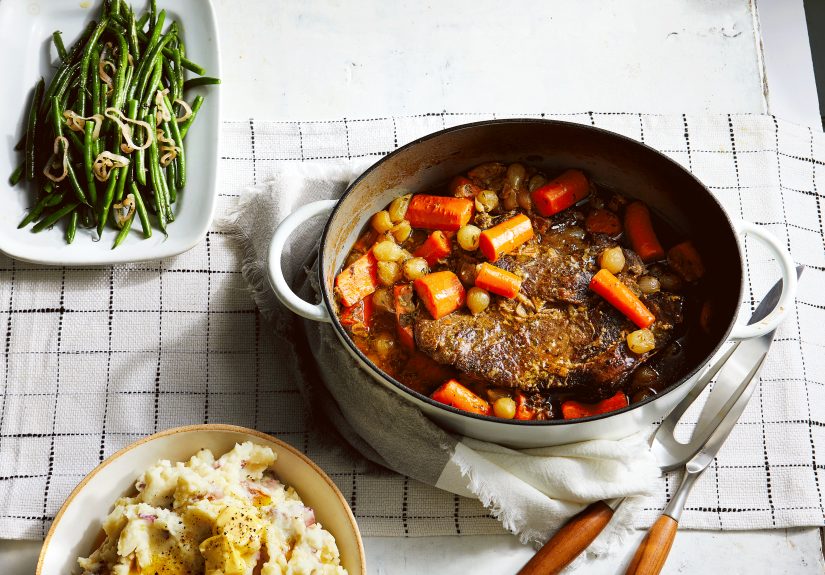
Pot roast is already a complete meal when cooked with carrots and potatoes, but a few sides can make it feel extra special. Mashed potatoes are a classic choice because they soak up gravy like tiny clouds with a purpose. Buttered egg noodles, roasted green beans, dinner rolls, cornbread, and a crisp green salad also pair beautifully.
If you want a lighter plate, serve pot roast with steamed vegetables or cauliflower mash. If you want a full comfort-food feast, add creamy mashed potatoes and biscuits. Nobody at the table will file a complaint.
How To Store and Reheat Pot Roast
Leftover pot roast stores very well. In fact, many cooks believe it tastes even better the next day because the flavors have time to deepen. Store leftovers in an airtight container with some of the cooking liquid to keep the meat moist.
- Refrigerator: Store for 3 to 4 days.
- Freezer: Freeze for up to 3 months.
- Reheating: Warm gently on the stovetop or in a covered baking dish at 300°F with extra broth if needed.
Avoid blasting leftover pot roast in the microwave for too long. Short intervals are fine, but overheating can dry out the meat. Gentle reheating keeps it tender.
Creative Ways To Use Leftover Pot Roast
Leftover pot roast is a gift from yesterday’s dinner to today’s appetite. Shred it for sandwiches with horseradish sauce, tuck it into tacos, stir it into beef vegetable soup, or pile it over baked potatoes. You can also chop it into a hash with potatoes and onions for a breakfast that says, “Yes, I am taking this morning seriously.”
Another excellent option is pot roast grilled cheese. Add shredded beef, a little gravy, caramelized onions, and sharp cheddar between slices of bread, then cook until golden. It is not traditional, but it is very persuasive.
Experience-Based Tips for Cooking the Best Pot Roast
After cooking pot roast many different ways, one lesson stands above the rest: patience is not optional. Pot roast is not a steak, and treating it like one will only lead to heartbreak and extra chewing. The best results come from building flavor slowly and letting the beef become tender on its own timeline.
One practical experience is to pay attention to the sound of the sear. When the beef hits the hot pot, it should sizzle immediately. If it quietly sighs, the pot is not hot enough. Remove the meat, heat the oil a little longer, and try again. A proper sear creates a brown crust that later gives the gravy a deeper, roasted flavor. This is especially important if you are using a slow cooker, because the slow cooker itself will not brown the meat.
Another useful tip is to season in layers. Salt the roast first, but also season the vegetables and taste the sauce near the end. Beef broth, tomato paste, wine, and Worcestershire sauce all bring different levels of salt and acidity, so the final adjustment matters. If the sauce tastes flat, it may not need more salt. It may need a splash of vinegar, a spoonful of tomato paste, or a little Worcestershire sauce to wake it up.
Vegetable timing also matters more than many recipes admit. Potatoes added too early can collapse into the broth, especially if they are cut small. Carrots can handle a long cook better, but even they can become too soft if sliced thin. Large chunks are your friend. Think rustic, not dainty. This is pot roast, not a vegetable beauty pageant.
If your pot roast is tough after three hours, do not panic. The most common mistake is assuming tough means ruined. In many cases, tough pot roast simply has not cooked long enough. Put the lid back on, keep the heat low, and give it more time. Check every 20 to 30 minutes until the fork slides in easily. The transformation can happen surprisingly late in the cooking process.
For busy cooks, the best routine is to prep the roast the night before. Season the beef, chop the vegetables, and measure the broth and seasonings. The next day, all you need to do is sear, assemble, and cook. This makes pot roast feel less like a weekend project and more like a manageable dinner plan.
Finally, always save the cooking liquid. Even if you do not make formal gravy, that liquid is packed with flavor. Spoon it over the sliced beef, use it to moisten leftovers, or turn it into soup the next day. A good pot roast gives you more than one meal, which is one reason it remains such a beloved American comfort food.
Conclusion
Learning how to cook the best pot roast is really about respecting the process. Start with a well-marbled chuck roast, dry it thoroughly, season generously, sear it deeply, and braise it low and slow with aromatics, herbs, and just enough liquid. Add vegetables at the right time, rest the meat before serving, and turn the braising juices into a rich gravy.
The beauty of pot roast is that it is forgiving once you understand the basics. It does not ask for perfection. It asks for patience, a sturdy pot, and maybe someone nearby to say, “Wow, that smells amazing.” Cook it right, and you will have tender beef, flavorful vegetables, and a dinner that feels like home in every bite.