Table of Contents >> Show >> Hide
- Why Hazel Eyes Need a Flexible Makeup Strategy
- How to Do Makeup for Hazel Eyes: 14 Steps
- Step 1: Start With Clean, Moisturized Skin
- Step 2: Apply Eye Primer or a Thin Concealer Base
- Step 3: Choose the Hazel Tone You Want to Highlight
- Step 4: Lay Down a Neutral Transition Shade
- Step 5: Add a Lid Color That Makes Hazel Eyes Pop
- Step 6: Deepen the Outer Corner
- Step 7: Brighten the Inner Corner
- Step 8: Define the Lower Lash Line
- Step 9: Pick the Right Eyeliner Color
- Step 10: Be Careful With the Waterline
- Step 11: Curl Lashes and Apply Mascara
- Step 12: Shape the Brows Without Overpowering the Eyes
- Step 13: Balance the Rest of the Face
- Step 14: Set the Look and Check It in Natural Light
- Best Eyeshadow Colors for Hazel Eyes
- Daytime Hazel Eye Makeup Example
- Evening Hazel Eye Makeup Example
- Common Mistakes to Avoid
- Extra Experience: Real-Life Lessons From Doing Makeup for Hazel Eyes
- Conclusion
Hazel eyes are basically the mood rings of the eye-color world. One minute they look golden brown, the next they flash green, and under good lighting they may even reveal amber, olive, or honey flecks you did not know were paying rent in there. That is exactly why makeup for hazel eyes is so much fun: you are not stuck with one “correct” palette. You get to decide which tones you want to spotlight.
The secret is simple: use color theory without turning your bathroom mirror into a chemistry lab. Purples and plums can make green flecks look brighter. Bronze, copper, caramel, and gold bring warmth to amber and brown tones. Olive, khaki, and emerald can echo the green in hazel eyes for a soft, earthy effect. Add the right eyeliner, mascara, brows, and skin balance, and suddenly your eyes are doing all the talking while you just stand there looking suspiciously well-rested.
This guide breaks down how to do makeup for hazel eyes in 14 practical steps, from prepping the lids to choosing eyeshadow colors, eyeliner, mascara, and finishing touches. Whether you want an everyday soft glam look, a school-friendly or office-friendly routine, or a “yes, I did make an effort” evening eye, these steps will help you create dimension without overcomplicating your life.
Why Hazel Eyes Need a Flexible Makeup Strategy
Hazel eyes usually contain a mix of green, brown, gold, and amber tones. Because they are multi-dimensional, the “best eyeshadow for hazel eyes” depends on which color you want to emphasize. A purple smoky eye can pull forward the green. A bronze lid can make the gold sparkle. A soft brown crease can deepen the whole eye without making the look heavy.
Think of your hazel eyes like a playlist. Some days you want soft acoustic coffee-shop energy. Other days you want full-volume purple liner and dramatic lashes. Both can work. The trick is to choose one focal point and let the rest of the makeup support it.
How to Do Makeup for Hazel Eyes: 14 Steps
Step 1: Start With Clean, Moisturized Skin
Before you even touch eyeshadow, cleanse your face and moisturize the eye area lightly. Makeup sits better on skin that is hydrated but not greasy. If your eyelids get oily, keep heavy creams away from the mobile lid and use a lightweight eye cream only around the orbital bone.
This step matters because hazel eye makeup often uses shimmer, metallics, and layered tones. Those finishes look beautiful when they glide smoothly, but they can cling to dry patches or crease on oily lids. A clean base keeps everything looking intentional rather than “I applied this during a small earthquake.”
Step 2: Apply Eye Primer or a Thin Concealer Base
An eye primer helps eyeshadow last longer, prevents creasing, and makes colors show up more clearly. This is especially useful for shades like plum, olive, bronze, and rose gold, which can lose their magic if they fade into a vague beige blur by lunchtime.
If you do not own a primer, use a very thin layer of concealer and set it lightly with translucent powder. Do not overdo it. Too much product on the lid can make shadow patchy. The goal is grip, not cake frosting.
Step 3: Choose the Hazel Tone You Want to Highlight
Before selecting eyeshadow, look closely at your eyes in natural light. Are the green flecks most noticeable? Is the iris more golden? Do your eyes lean warm brown? This tiny observation saves you from buying seven palettes and still using only the same two shades.
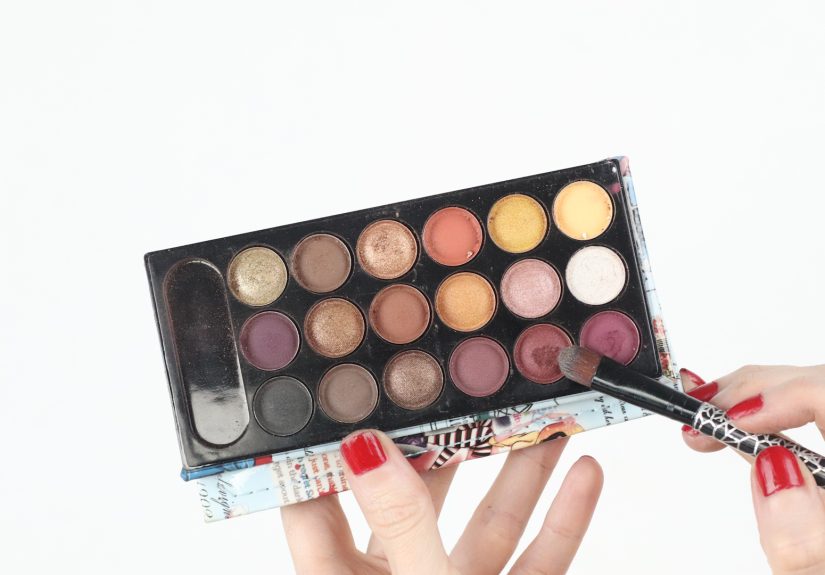
To bring out green in hazel eyes, choose plum, mauve, lavender, aubergine, burgundy, or soft rose. To highlight golden or amber tones, reach for bronze, copper, champagne, caramel, and warm brown. To enhance the earthy side of hazel eyes, try olive, khaki, forest green, espresso, and taupe.
Step 4: Lay Down a Neutral Transition Shade
A transition shade is the quiet hero of eye makeup. It goes into the crease and helps deeper colors blend smoothly. For hazel eyes, excellent transition shades include warm taupe, soft caramel, light terracotta, beige-brown, or muted peach.
Use a fluffy blending brush and sweep the shade through the crease in small windshield-wiper motions. Keep the pressure light. If your brush is bending dramatically, you are probably pressing too hard. Blending should feel more like dusting a pastry than scrubbing a pan.
Step 5: Add a Lid Color That Makes Hazel Eyes Pop
Now choose your main lid shade. For everyday makeup, bronze, champagne, soft gold, warm beige, or taupe are easy winners. These shades brighten hazel eyes without shouting. For a more colorful look, try lavender, rosy mauve, olive shimmer, or copper.
Apply the lid color from the lash line up to the crease. A flat brush gives more control, while your fingertip can intensify shimmer shades. If using shimmer, press rather than swipe. Pressing reduces fallout and gives the lid that smooth, reflective finish that says, “Yes, I know where my good lighting is.”
Step 6: Deepen the Outer Corner
Adding depth to the outer corner gives hazel eyes more shape and definition. Use chocolate brown, espresso, plum brown, deep bronze, aubergine, or olive brown. Place the color on the outer third of the eyelid and blend slightly into the crease.
For a soft daytime look, keep the deeper shade close to the lash line and outer corner. For evening makeup, build it slowly into a subtle V shape. The key word is slowly. Dark shadow is much easier to add than remove, much like glitter from a carpet or drama from a group chat.
Step 7: Brighten the Inner Corner
A small touch of light shimmer at the inner corner can make hazel eyes look brighter and more awake. Choose champagne, pale gold, soft peach, or light rose-gold. If your eyes lean greener, a tiny hint of icy lavender or pink champagne can look gorgeous.
Apply it with a small pencil brush or your pinky finger. Keep it subtle for daytime. You want “fresh and glowing,” not “tiny disco ball has entered the chat.”
Step 8: Define the Lower Lash Line
The lower lash line is where hazel eye makeup can become beautifully dimensional. Smudge a little bronze, taupe, plum, olive, or brown shadow along the lower lashes. This frames the eyes and ties the look together.
For a soft effect, use the same transition shade from the crease. For extra contrast, use plum or olive liner and blur it with a small brush. Avoid dragging dark color too far down, especially for daytime, because it can make the under-eye area look tired. Keep the color close to the lashes and blend gently.
Step 9: Pick the Right Eyeliner Color
Black eyeliner can work, especially for dramatic looks, but hazel eyes often shine with softer or more colorful liner choices. Chocolate brown gives natural definition. Bronze adds warmth. Olive or emerald brings out green flecks. Plum creates contrast and makes hazel eyes look richer.
For an easy everyday look, use brown pencil liner along the upper lash line and smudge it slightly. For a more playful look, add a thin plum or olive line. If you prefer liquid liner, keep the wing small and lifted so it enhances your eye shape without covering all the eyeshadow work you just did.
Step 10: Be Careful With the Waterline
Many people like lining the waterline for intensity, but it can irritate sensitive eyes or contact lens wearers. A safer, softer option is to place eyeliner just outside the waterline, close to the lash roots, then smudge it. This gives definition without putting product directly where your eyes are most sensitive.
If your eyes water easily, use long-wear formulas and avoid chunky glitter near the eye. Also, wash your hands before applying eye makeup and stop using any product that causes irritation. Beauty is fun; red, angry eyes are not the accessory we ordered.
Step 11: Curl Lashes and Apply Mascara
Curling your lashes opens the eyes and lets your hazel color show more clearly. After curling, apply mascara from the base of the lashes upward. Wiggle the wand gently at the roots, then sweep through the tips.
Black mascara gives the most drama, but brown mascara can look softer and very flattering for hazel eyes. Burgundy, plum, or deep green mascara can also be fun if you want a subtle color shift. The effect is noticeable without looking like you accidentally joined a neon parade.
Step 12: Shape the Brows Without Overpowering the Eyes
Brows frame hazel eyes, so keep them polished but not too heavy. Use a pencil, powder, or tinted brow gel that matches your natural brow color. Fill sparse areas with short, hair-like strokes, then brush through with a spoolie.
If your eye look is soft and neutral, slightly fuller brows can add structure. If your eyeshadow is bold, keep brows cleaner and more natural. Balance is the goal. Your brows should be the frame, not the entire museum exhibit.
Step 13: Balance the Rest of the Face
Hazel eye makeup looks best when the cheeks and lips complement the eye colors. With bronze or gold eyeshadow, try peach, warm nude, caramel, or soft coral on the lips and cheeks. With plum or mauve eye makeup, pair it with rosy blush, berry-tinted balm, or a neutral pink lip.
For olive or green eye looks, keep the skin fresh and the lips understated. Nude rose, soft brown-pink, or clear gloss works beautifully. The idea is to let the eyes remain the star without making the rest of the face look unfinished.
Step 14: Set the Look and Check It in Natural Light
Finish with a light mist of setting spray or a small amount of setting powder where needed. Then check your makeup in natural light. Bathroom lighting can lie with the confidence of a reality-show villain. Natural light shows whether the eyeshadow is blended, the liner is even, and the colors are doing what you want.
If the look feels too intense, soften the edges with a clean brush. If it feels too plain, add a touch of shimmer to the center of the lid or a little more mascara. Small adjustments can make a big difference.
Best Eyeshadow Colors for Hazel Eyes
Purple, Plum, and Mauve
Purple-based shades are some of the most flattering options for hazel eyes because they contrast beautifully with green tones. A soft mauve wash is perfect for daytime, while deep plum or aubergine creates a richer evening look. If you are nervous about purple, start with plum eyeliner instead of full eyeshadow.
Bronze, Copper, and Gold
Warm metallics are classic for hazel eyes. Bronze and copper enhance golden flecks, while champagne and soft gold brighten the lid. These colors are especially useful when you want a polished look that does not feel overly colorful.
Olive, Khaki, and Emerald
Green shades can emphasize the green side of hazel eyes. Olive and khaki are subtle enough for everyday wear, while emerald adds drama. If you use green shadow, pair it with brown liner to keep the look soft and wearable.
Warm Browns and Taupes
Never underestimate brown eyeshadow. Warm brown, espresso, cinnamon, and taupe can define hazel eyes beautifully. They also work as blending shades, crease colors, and lower lash line shadows. Basically, brown shadow is the reliable friend who brings snacks and never causes problems.
Daytime Hazel Eye Makeup Example
For an easy daytime look, apply primer, blend warm taupe into the crease, press champagne or soft bronze on the lid, and add chocolate brown liner along the upper lash line. Smudge a little taupe under the lower lashes, curl your lashes, and apply brown or black mascara. Finish with peach blush and a nude-pink lip.
This look is simple, flattering, and quick. It enhances hazel eyes without making your face look like it has an appointment with a red carpet at 8:00 a.m.
Evening Hazel Eye Makeup Example
For a night-out look, start with primer, blend caramel or warm brown into the crease, then apply copper or bronze shimmer on the lid. Deepen the outer corner with plum brown or espresso. Add plum eyeliner along the upper lash line and a little bronze shadow under the lower lashes. Highlight the inner corner with pale gold, then finish with black mascara.
Pair this with softly sculpted cheeks and a rose-brown lip. The result is smoky, warm, and eye-catching without being too harsh.
Common Mistakes to Avoid
Using Only Black for Every Look
Black liner and mascara are useful, but they are not the only options. Brown, bronze, olive, and plum can make hazel eyes look more dimensional and less severe, especially in daylight.
Skipping Blending
Hazel eye makeup often uses multiple tones, so blending is essential. A harsh stripe of purple or bronze can distract from your eye color. Use clean brushes and soft motions to blur edges.
Overloading Shimmer
Shimmer is gorgeous, but too much can flatten the eye shape in photos. Use matte or satin shades in the crease and save shimmer for the lid, inner corner, or center of the eye.
Ignoring Eye Safety
Do not share mascara or eyeliner. Replace old products regularly, especially mascara and liquid liner. Avoid using eye makeup during an eye infection, and remove makeup before sleeping. Your future self will appreciate waking up without raccoon eyes and regret.
Extra Experience: Real-Life Lessons From Doing Makeup for Hazel Eyes
One of the biggest lessons from working with hazel eye makeup is that the same look can appear different from person to person. Two people may both have hazel eyes, but one may have bright green flecks around the iris while another has a golden-brown center with a darker outer ring. That means the perfect palette is not always the one with “hazel” printed on the label. Sometimes it is the little bronze single shadow you bought on a random Tuesday and then used until the pan looked like a tiny silver moon.
In everyday experience, bronze is usually the safest starting point. It flatters most hazel eyes, works with many skin tones, and can be applied quickly. A soft bronze lid with brown liner is the kind of look that says, “I tried,” even if you applied it while half-listening to a podcast and wondering where your other sock went. It is also forgiving. If the blending is not perfect, bronze tends to melt into the skin more naturally than bold colors.
Plum is the shade that surprises people. Many avoid purple because they imagine something loud, glittery, or straight from a middle-school dance memory. But modern plum, mauve, and aubergine shades can be extremely elegant. A smudged plum liner can make hazel eyes look greener without screaming “purple eyeshadow.” For beginners, this is often easier than applying a full purple lid. Start with a brown shadow look, then swap only the eyeliner for plum. Tiny change, big payoff.
Another practical discovery: olive shadow is underrated. It can look intimidating in the pan, but on hazel eyes it often becomes soft, smoky, and earthy. Olive works especially well when paired with warm brown in the crease and gold on the inner corner. The combination feels polished but not overly glamorous, making it great for dinners, photos, casual events, or any moment when you want your eyes to look interesting without explaining your entire makeup strategy to strangers.
Lighting also changes everything. Hazel eyes can look more brown indoors and more green outdoors, so always check your makeup near a window when possible. A shade that looks subtle in bathroom lighting may look much brighter outside. This is particularly true with shimmer, metallics, and colorful liner. Natural light is the honest friend in the group. It may be blunt, but it saves you from leaving the house with one eye blended for brunch and the other blended for battle.
Finally, the best hazel eye makeup routine is the one you will actually repeat. A 12-shade smoky eye is beautiful, but if your morning schedule is powered by panic and toast, a three-product routine may serve you better. Try primer, bronze cream shadow, brown mascara, and tinted brow gel. On days when you have more time, add plum liner or olive shadow. Makeup should make your hazel eyes stand out, not make you late, stressed, or trapped in a YouTube tutorial spiral with one eye done and nowhere to go.
Conclusion
Learning how to do makeup for hazel eyes is really about learning how to play with contrast, warmth, and dimension. Purple and plum shades highlight green flecks. Bronze, copper, and gold enhance amber tones. Olive and khaki bring out earthy depth. Brown liner, curled lashes, balanced brows, and soft face makeup complete the look without overpowering your natural eye color.
The best part is that hazel eyes give you options. You can go soft and neutral, warm and golden, smoky and plum, or fresh and olive-toned. Start with one feature you want to emphasize, follow the 14 steps, and adjust until the look feels like you. Makeup is not a rulebook. It is a paintboxwith slightly better lighting and hopefully fewer glitter emergencies.