Table of Contents >> Show >> Hide
- Social Bookmarking, in Plain English
- What Social Bookmarking Can (and Can't) Do for SEO
- Pick Your Playing Field: Platforms That Still Matter
- How to Do Social Bookmarking: 12 Steps
- Step 1: Define the goal (traffic, awareness, research, or indexing)
- Step 2: Choose 2–3 platforms that match your content (not your ego)
- Step 3: Build a credible profile (because anonymous link-droppers get ignored)
- Step 4: Create “bookmarkable” content (save-worthy beats salesy)
- Step 5: Pick the right URL (hint: it’s often not your homepage)
- Step 6: Write a human title and description (not a keyword salad)
- Step 7: Use tags and categories like a librarian, not like a confetti cannon
- Step 8: Follow the community rules (they’re not “suggestions”)
- Step 9: Start with “warm” distribution: niche-first, not mass-first
- Step 10: Engage like a person (because “drop link, disappear” is a meme)
- Step 11: Track what happens (or you’re just “vibing,” not marketing)
- Step 12: Build a repeatable workflow (and stay safely on the non-spam side of history)
- Common Mistakes That Get You Ignored (or Banned)
- Quick Metrics Dashboard
- Conclusion
- Field Notes: of Real-World Social Bookmarking Experience
- SEO Tags
Social bookmarking sounds like something your aunt does in Chrome and then forgets forever. But done right, it’s closer to “strategic content placement inside communities that actually have eyeballs.” In other words: it’s less about collecting links like shiny Pokémon cards… and more about getting your best pages discovered, discussed, saved, and revisited by real people.
This guide walks you through a practical, modern approach to social bookmarkingwithout the spammy “submit to 500 sites” nonsense that makes search engines roll their eyes and communities hit the ban button.
Social Bookmarking, in Plain English
Social bookmarking is the practice of saving and organizing web pages on a platform where other people can also discover them. Instead of keeping links trapped in your browser bookmarks, you share them in a searchable, tag-driven environment (often with voting, commenting, collections, or community feeds).
The “social” part matters: these platforms don’t just store linksthey distribute them. A good save can travel through a niche community, show up in someone’s feed, get added to collections, and drive visits long after your original post fades into the internet’s ever-hungry void.
What Social Bookmarking Can (and Can’t) Do for SEO
Let’s be honest: a lot of people first heard about social bookmarking because someone promised “easy backlinks.” That era is mostly overand if you treat bookmarking as a link scheme, you’re playing the wrong game.
Here’s the modern reality:
- It can drive referral traffic when you place the right content in the right community at the right time.
- It can speed up discovery because your URLs get shared, crawled, discussed, and sometimes picked up elsewhere.
- It can build brand demand (the kind where people start searching your name on Google and Bing).
- It is not a reliable “ranking hack.” Many platforms mark outbound links in ways that don’t pass traditional link signalsand major search engines explicitly warn against artificial link tactics.
Translation: treat social bookmarking like content distribution and community participation. If you chase “link juice,” you’ll end up with “link bruise.”
Pick Your Playing Field: Platforms That Still Matter
“Social bookmarking” used to mean old-school sites like Delicious and StumbleUpon. Many classics are gone or radically changed. Today, social bookmarking overlaps with social news, content curation, and idea discoveryoften on platforms people already use daily.
Modern, practical options
- Reddit: Community-first. Incredible traffic potential. Also incredibly allergic to drive-by promotion.
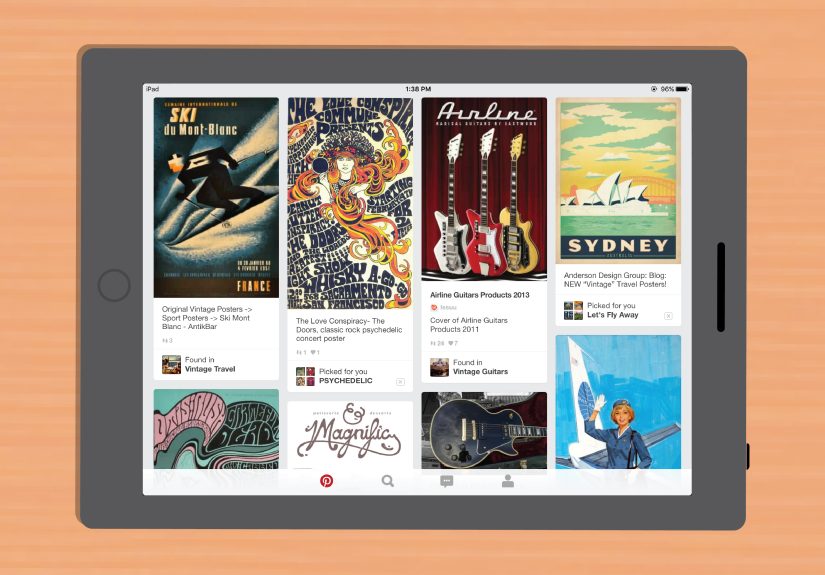
- Pinterest: Visual discovery engine. Great for evergreen content (home, food, DIY, fashion, travel, etc.).
- Flipboard: Curation and publishing ecosystem; can work well for publishers and topic-based audiences.
- Diigo: Classic bookmarking + tags + organization (useful for research-heavy workflows and teams).
- Hacker News: If your content fits tech/startup/engineering audiencesexpect high standards and low tolerance for fluff.
- Digg (relaunch era): A returning social news/bookmarking-style product that’s evolving again (so treat it as experimental and watch the rules).
Note: some “save for later” tools have shifted or shut down over time, so don’t build your entire strategy around a single platform you haven’t checked lately. Social bookmarking works best as a repeatable process, not a one-site lottery ticket.
How to Do Social Bookmarking: 12 Steps
-
Step 1: Define the goal (traffic, awareness, research, or indexing)
Before you post anything, decide what “success” means. Social bookmarking can support different outcomes:
- Referral traffic: You want clicks to a landing page, guide, tool, or product page.
- Brand lift: You want people to recognize your name and search you later.
- Audience insight: You want to learn what titles, hooks, and angles get saves and comments.
- Content library: You want a tagged vault of references for your team.
Your goal determines everything elseespecially which platform you choose and what kind of content you share.
-
Step 2: Choose 2–3 platforms that match your content (not your ego)
Don’t try to “be everywhere.” Pick a small set where your audience naturally gathers. For example:
- If your content is visual (recipes, home decor, fitness, travel): prioritize Pinterest.
- If your content is debate-worthy, niche, or problem-solving: consider Reddit.
- If your content is tech/startup/dev: test Hacker News (carefully).
- If you need structured tagging and research workflows: use Diigo.
Pro tip: start where your content already performs well. If your posts get saves on Instagram or shares on X, that’s a clue.
-
Step 3: Build a credible profile (because anonymous link-droppers get ignored)
Most communities have a built-in spam radar. A blank profile that only posts its own links is basically wearing a “Hello, I am Spam” name tag. Fill out the basics:
- Real bio with a clear focus (who you help, what you share).
- Consistent avatar/brand image (doesn’t need to be fancy, just consistent).
- Optional: a link to your homepageonly if the platform norms allow it.
You’re not building a dating profile. You’re building trust. (Though honestly… the overlap is suspiciously high.)
-
Step 4: Create “bookmarkable” content (save-worthy beats salesy)
The easiest way to fail at social bookmarking is to share content that feels like an ad. The easiest way to win is to share content that solves a problem or sparks curiosity.
Bookmark-friendly formats include:
- Step-by-step tutorials (“How to…” that actually shows how)
- Checklists and templates
- Original data, benchmarks, or case studies
- Tools, calculators, and interactive resources
- High-quality explainers (“what is X” with examples)
If someone would save it to use later, it’s a good candidate. If it screams “BUY NOW,” it’s a bad candidate.
-
Step 5: Pick the right URL (hint: it’s often not your homepage)
Social bookmarking works best when the link matches the promise. If you’re sharing “12 ways to speed up WordPress,” don’t link to your generic services page. Link to the actual guide.
A good rule: bookmark the page that delivers the value fastest. If your page takes three paragraphs to warm up, add a table of contents, tighten the intro, or include a “quick answer” section near the top.
-
Step 6: Write a human title and description (not a keyword salad)
Titles and descriptions are your distribution engine. Good ones earn clicks and saves. Bad ones earn… nothing (or worse, suspicion).
Bad: “Best Social Bookmarking SEO Services | Cheap Social Bookmarking Backlinks”
Good: “A 10-minute checklist to audit your site’s internal links (with examples)”
Keep it clear, specific, and honest. If your headline is clickbait, communities will punish you with the most brutal weapon of all: indifference.
-
Step 7: Use tags and categories like a librarian, not like a confetti cannon
Tags help people find your bookmark later. They also help the platform understand where your link belongs. Aim for:
- 3–8 specific tags that match real search behavior on that platform.
- A mix of broad + narrow (e.g., “email marketing” + “deliverability”).
- Consistency across posts so your library is actually usable.
Avoid dumping 30 tags “just in case.” That’s not organization; that’s panic in keyword form.
-
Step 8: Follow the community rules (they’re not “suggestions”)
On community-driven platforms (especially Reddit and Hacker News), rules and culture matter more than your marketing calendar. Many communities discourage self-promotion unless you’re an active participant.
A safe approach:
- Spend time commenting and contributing before dropping links.
- Share helpful resources from other creators too.
- Be transparent when something is yours (“I wrote this guide…”).
If your account history looks like a vending machine that only dispenses your own URLs, moderators will treat it like one.
-
Step 9: Start with “warm” distribution: niche-first, not mass-first
Big, general feeds are noisy. Niche communities are where saves and conversations happen. So start small:
- Find sub-communities where your topic is core, not “kind of related.”
- On Pinterest, publish to boards that match the exact intent (not random mega-boards).
- On Flipboard/curation platforms, target topic magazines or categories with aligned audiences.
The goal isn’t “maximum exposure.” The goal is “maximum relevance.”
-
Step 10: Engage like a person (because “drop link, disappear” is a meme)
Bookmarking platforms reward interaction. Reply to comments. Thank people for feedback. Clarify questions. Add context.
Example: Instead of posting “Here’s my guide,” try:
- What problem it solves
- Who it’s for
- What’s inside (template, checklist, examples)
- One helpful takeaway in the post itself
Communities love value. They don’t love being treated like a billboard.
-
Step 11: Track what happens (or you’re just “vibing,” not marketing)
Social bookmarking can look chaotic because traffic comes in spikes and waves. Track it so you can repeat what works:
- Referral traffic in your analytics tool (which platform, which post, which landing page)
- Engagement on-platform (saves, upvotes, comments, re-shares)
- Downstream behavior (email signups, demo requests, purchases)
Use campaign tracking where appropriate, but keep URLs clean and trustworthy-looking. And don’t obsess over vanity metrics: a post with fewer clicks but higher conversions is the quiet hero of your quarter.
-
Step 12: Build a repeatable workflow (and stay safely on the non-spam side of history)
The best social bookmarking strategy is boring in the best way: consistent, measured, and community-friendly.
- Create a weekly “bookmark batch” (2–5 high-quality submissions, not 200).
- Rotate content types: new posts, evergreen guides, tools, original research.
- Refresh winners: update old guides, then re-share where it makes sense.
- Document community rules so you don’t “accidentally” speedrun a ban.
If you’re tempted to automate mass submissions, remember: search engines publish spam policies, and communities publish ban policies. Both are surprisingly committed to enforcing them.
Common Mistakes That Get You Ignored (or Banned)
- Posting only your own links and never interacting.
- Reposting the same URL everywhere with copy-pasted descriptions.
- Keyword stuffing in titles, tags, or bios.
- Using automation tools to spray submissions like a broken garden hose.
- Ignoring platform culture (the fastest way to become a cautionary tale).
Quick Metrics Dashboard
| Metric | Where to Check | What It Tells You | What to Do Next |
|---|---|---|---|
| Referral Sessions | Web analytics | Which platforms actually send visitors | Double down on top sources; drop dead platforms |
| Engagement (saves/upvotes/comments) | On-platform | Whether your hook matches the community | Rewrite titles/descriptions; adjust targeting |
| Time on Page / Scroll Depth | Web analytics | Whether visitors find the page useful | Improve intro, add TOC, tighten formatting |
| Conversions | Web analytics / CRM | Business impact (leads, sales, signups) | Optimize CTA, align page intent, test offers |
| Brand Search Lift | Search console tools | Growing awareness and demand | Keep publishing; reinforce consistent positioning |
Conclusion
Social bookmarking isn’t deadit just grew up. Today, it’s less about “building links” and more about placing genuinely useful content into communities that want it. When you focus on relevance, clarity, and participation, social bookmarking becomes a reliable distribution channel that supports both Google and Bing-friendly growth: real users, real engagement, real signals that you’re worth paying attention to.
Follow the 12 steps, stay consistent, and remember the golden rule: if a human would save it, a platform will spread it. If it feels like spam, it will be treated like spam. The internet is many thingsbut it is rarely confused.
Field Notes: of Real-World Social Bookmarking Experience
In practice, social bookmarking tends to reward teams who treat it like relationship-building, not like a vending machine. A common pattern is the “first-week shock”: someone shares a link on a community platform, traffic spikes, and the team assumes they’ve discovered a magical forever faucet. Then the spike disappears, and everyone declares the channel “dead.” What actually happened is simple: the post earned a brief moment of distribution, and then the feed moved onbecause feeds always move on.
The teams that get consistent results typically do three unglamorous things. First, they show up in the comments before they ever share a link. That looks like answering questions, posting helpful context, and sharing other people’s resources without expecting anything back. Over time, that behavior builds a “trust balance,” and when they finally do share something of their own, the community reads it as a contribution instead of an ad.
Second, they tailor the same core content to different bookmarking behaviors. On Reddit-style communities, the best-performing submissions often include a mini-version of the content inside the post: one key takeaway, a short checklist, or a summary with a clear “here’s the full guide if you want it.” On Pinterest, the same content wins when it’s repackaged as a visual promisebefore-and-after images, step cards, or a clean infographic that makes the save feel useful even if the click happens later. On curation platforms, a strong title and a clear category match can outperform clever copy because people are browsing with intent, not grazing for entertainment.
Third, they build a light testing loop. They don’t test 50 variables at once; they test one thingusually the hook. For example, a guide titled “Social Bookmarking Tips” might flop, while “A 10-minute workflow to get your best content discovered without spamming” earns saves because it promises an outcome and a time cost. Over a month, those small improvements compound into a repeatable system: share fewer links, but make each one more relevant, more honest, and more “save-worthy.”
One more hard-earned lesson shows up again and again: trying to force “SEO value” out of social bookmarking is the fastest way to ruin it. Communities can smell manipulation the way dogs smell fear. When teams shift their mindset from “I need backlinks” to “I’m distributing helpful work to people who want it,” the channel becomes both safer and more profitable. It also becomes easier to scalebecause you’re building audience equity, not chasing loopholes.