Table of Contents >> Show >> Hide
- What Is an Industrial Piercing?
- Before You Get an Industrial Piercing
- How to Get an Industrial Piercing Safely
- What to Expect During Healing
- Industrial Piercing Aftercare That Actually Helps
- Common Mistakes That Make Healing Harder
- When Can You Change the Jewelry?
- Is an Industrial Piercing Worth It?
- What the Experience Is Really Like
- Final Thoughts
- SEO Tags
If you want an industrial piercing, congratulations: you have excellent taste and a healthy respect for ear drama. An industrial piercing is the bold, architectural one that runs a single bar through two points in the upper ear cartilage. It looks cool, photographs well, and says, “Yes, I did choose the piercing with a little personality.” It also happens to be one of the fussier ear piercings to heal, which means getting one the right way matters almost as much as choosing it in the first place.
This guide covers how to get an industrial piercing safely, what to expect during the appointment, how to choose the right jewelry, and how to survive the healing period without losing your patience, your sleep, or your favorite pair of headphones. If you want the look without the chaos, start here.
What Is an Industrial Piercing?
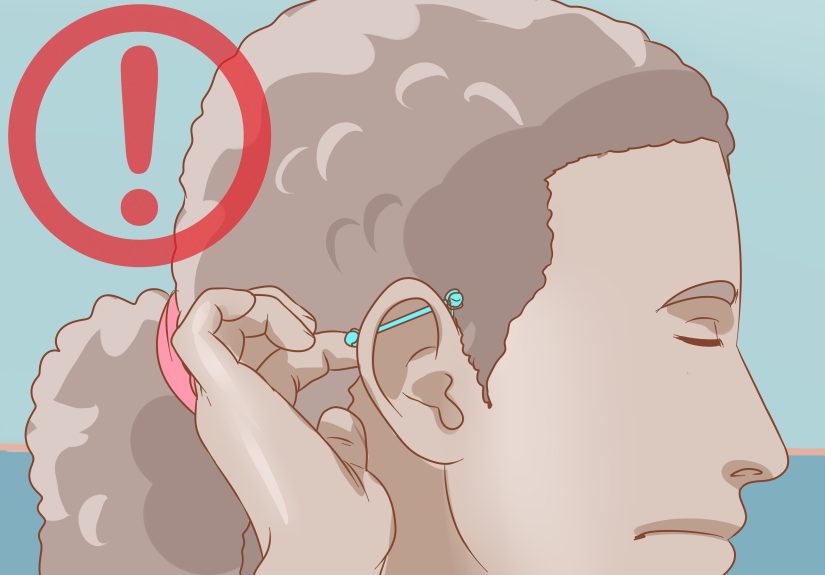
An industrial piercing is made from two separate cartilage piercings connected by one straight barbell. The most common version runs diagonally across the upper ear, usually from the forward helix area toward the outer helix. It is sometimes called an industrial bar piercing or scaffold piercing.
Unlike a simple lobe piercing, this one asks a lot more from your ear. You are healing two cartilage piercings at the same time, and the bar links them together. That means alignment, anatomy, jewelry size, and aftercare all matter. A lot.
Before You Get an Industrial Piercing
1. Make Sure Your Ear Anatomy Works for It
Not every ear is a perfect candidate for a classic industrial. The ridge of your cartilage, the angle of the bar, and the shape of your ear all affect whether the jewelry can sit comfortably without digging into tissue. A good piercer will look at your ear in person and tell you honestly whether a standard industrial makes sense or whether a modified version would heal better.
This is not bad news. It is actually very good news. The right piercer saying “no” to a bad placement is exactly what you want. The wrong placement may look great for one day and terrible for the next six months.
2. Choose a Professional Piercer, Not a Shortcut
If you are serious about getting an industrial piercing, go to a reputable studio with a licensed or professionally trained piercer, strong hygiene practices, and quality jewelry options. Ask whether they use sterile single-use needles, how they sterilize tools, and what metals they carry for initial piercings.
A strong studio should also be willing to explain aftercare clearly, check your anatomy, and tell you what kind of bar length you need for swelling. If the place feels rushed, vague, or weirdly casual about cartilage piercings, trust your instincts and walk away. Your ear does not need a plot twist.
3. Pick Better Jewelry From the Start
The best initial jewelry for an industrial piercing is usually a straight barbell made from implant-grade titanium or another high-quality biocompatible material. Titanium is popular because it is lightweight, durable, and a smart choice for people who may react to nickel. Cheap mystery metal might save money on day one, but it can cost you comfort and healing time later.
You should also let your piercer choose the correct length and gauge for your anatomy and swelling. The starter bar is often a little longer than the final healed size. That extra room is there for a reason.
How to Get an Industrial Piercing Safely
Step 1: Book a Time When You Can Actually Heal
Do not schedule your industrial piercing right before beach vacation, contact sports season, or the week you plan to wear over-ear headphones for ten hours a day. Healing cartilage needs peace and quiet. If your lifestyle is about to be chaotic, wait until your calendar is less rude.
Step 2: Show Up Hydrated, Fed, and Calm
Eat beforehand, drink water, and avoid arriving like a dramatic Victorian ghost who has not eaten since dawn. Being hydrated and steady can help you feel better during the appointment. Wear comfortable clothes, tie long hair back, and bring a photo reference if you have a preferred look.
Step 3: Let the Piercer Check Placement Carefully
Your piercer will mark both points, check the angle, and make sure the bar will sit in a way that matches your ear’s shape. This part is not just cosmetic. Proper alignment can reduce pressure, irritation, and healing problems.
Step 4: Expect a Quick but Intense Process
Because an industrial uses two cartilage piercings, it usually feels more intense than a basic lobe piercing. Most people describe cartilage piercing pain as a sharp pinch followed by pressure and throbbing. The actual piercing is quick, but your ear may stay warm, tender, and slightly swollen for a while afterward.
Do not panic if it feels spicy. That is common. Do panic only if someone suggests using random kitchen salt, mystery ointment, or a friend with “steady hands.”
Step 5: Leave With Aftercare Supplies and Actual Instructions
Before you walk out, make sure you know how to clean the piercing, what normal healing looks like, when to come back for a jewelry check, and what warning signs mean you should contact a medical professional. If your piercer gives you vague advice like “just twist it a lot,” that is not the gold standard.
What to Expect During Healing
An industrial piercing can take months to heal fully. Cartilage piercings often heal more slowly than lobe piercings, and an industrial can be especially stubborn because two piercings are linked by one bar. Even if the outside looks calm, the inside can still be healing.
That means patience is not optional. It is part of the jewelry package.
Normal Early Healing Signs
- Mild bleeding right after the piercing
- Localized swelling
- Tenderness or warmth
- Clear or pale yellow crusting
- On-and-off soreness when the bar gets bumped
Not-So-Normal Signs
- Increasing pain instead of gradual improvement
- Spreading redness or deep swelling
- Thick pus, strong odor, or significant heat
- The jewelry pressing into the skin
- A painful cartilage infection that seems to be getting worse
Cartilage infections deserve extra caution. If your industrial piercing becomes very painful, swollen, red, or drains pus, get professional medical advice promptly.
Industrial Piercing Aftercare That Actually Helps
Use Sterile Saline, Not DIY Chemistry Class
For most people, the simplest industrial piercing aftercare routine is also the best: use a sterile saline wound wash and keep the area clean. Spray as directed by your piercer, rinse if needed, and gently dry with clean disposable material. Do not soak the ear in harsh homemade mixtures strong enough to season a family-size pasta pot.
Wash Your Hands Before Touching It
This sounds obvious, yet it somehow becomes revolutionary the moment someone gets new jewelry. If you need to clean it, wash your hands first. If you do not need to clean it, leave it alone.
Do Not Twist, Rotate, or “Help It Breathe”
Old piercing myths die hard. You do not need to spin the jewelry to keep it from sticking. In fact, extra movement can irritate the tissue and delay healing. Think of your industrial like a moody houseplant: good environment, minimal drama.
Avoid Pressure Like It Owes You Money
Pressure is one of the biggest enemies of an industrial piercing. Avoid sleeping on it, crushing it with tight hats, snagging it with hairbrushes, or smashing it under over-ear headphones. Many people do better with a travel pillow so the ear can rest in the center opening instead of against the pillow.
Skip Harsh Products
Do not clean the piercing with alcohol, hydrogen peroxide, or strong antibacterial soaps unless a medical professional specifically tells you to. These products can irritate healing skin. Also skip random oils, fragranced creams, and internet “miracle” hacks that sound like they were invented during a full moon.
Keep the Jewelry In
Do not remove your barbell just because the piercing looks calmer one week. Fresh piercings can close quickly, and removing jewelry too early can create more trouble, not less. If you suspect infection, do not take the jewelry out on your own unless a clinician tells you to.
Common Mistakes That Make Healing Harder
- Choosing cheap jewelry instead of implant-grade materials
- Getting pierced by someone who does not understand industrial anatomy
- Sleeping on the pierced ear
- Using over-ear headphones too soon
- Touching the bar every time you walk past a mirror
- Changing jewelry too early because you are impatient and also optimistic
- Over-cleaning until the ear becomes dry and angry
If your industrial piercing develops irritation bumps, the cause is often friction, pressure, moisture, unsuitable jewelry, or a poor angle. Treat the cause, not just the symptom.
When Can You Change the Jewelry?
Not early. That is the headline.
Your piercer may recommend a downsize appointment once swelling settles, but that does not mean the piercing is fully healed. It usually means the initial extra-long bar can be replaced with a better-fitting one to reduce movement and irritation. Let a professional handle that change during healing.
For style swaps, wait until the piercing is truly healed: no pain, no swelling, no crusting, and no tenderness. An industrial piercing is not the place for wishful thinking.
Is an Industrial Piercing Worth It?
If you love statement ear jewelry and you are willing to commit to aftercare, absolutely. A well-done industrial piercing has a striking look that stands out from standard cartilage piercings. But it is not a low-maintenance option. It needs quality placement, smart jewelry, and a patient healing routine.
In other words, it is worth it for the right person. If you want a bold piercing but know you sleep like a tornado, live in headphones, and forget aftercare by day three, you may want to start with a less demanding cartilage piercing first.
What the Experience Is Really Like
People who get an industrial piercing often say the experience comes in phases. First there is the excitement phase, where you stare at ear photos, compare barbell styles, and convince yourself that this will be your final piercing decision. Then comes the appointment phase, where you sit in the chair acting brave while your internal monologue files a complaint. The good news is that the procedure itself is fast. The ear usually feels hot, sore, and a little dramatic afterward, but most people are surprised that the anticipation was worse than the actual moment.
The next phase is the adjustment phase. This is where you discover exactly how often your ear gets bumped by everyday life. Hair gets caught. Shirts get yanked over your head too fast. Someone tries to hug you like they are tackling a quarterback. You learn very quickly that an industrial piercing is not just jewelry. It is a lifestyle note taped to your ear saying, “Please be careful with me for a while.”
Then there is sleeping. Or, more accurately, the negotiation formerly known as sleeping. Many people say the hardest part of healing an industrial is not the cleaning routine. It is learning not to roll onto the pierced side at 2:00 a.m. Some switch pillow setups. Some use a travel pillow. Some develop the kind of side-sleeping discipline normally seen only in elite athletes and people protecting fresh tattoos.
Emotionally, the experience can be weirdly up and down. One week the piercing looks calm and fabulous. The next week it is irritated because your hoodie snagged it, your glasses rubbed it, or your ear decided to be sensitive for no obvious reason. That does not always mean something is wrong. Industrial piercings can have a long, uneven healing journey. The key is consistency. Clean it properly, avoid pressure, keep your hands off, and do not make panicked decisions because of one grumpy day.
Once it settles, though, most people are thrilled they stuck with it. The bar catches the light, changes the shape of the whole ear, and gives even a simple earring lineup more attitude. It has that rare quality of looking both edgy and polished at the same time. So yes, the healing can test your patience. Yes, you may briefly resent your hairbrush. But when it is done well and healed properly, an industrial piercing has a way of making all that effort feel like a fair trade.
Final Thoughts
If you want to know how to get an industrial piercing the smart way, the answer is simple: choose a skilled piercer, make sure your ear anatomy supports it, start with high-quality jewelry, and baby the healing process like it is your most high-maintenance houseguest. An industrial piercing can look incredible, but it rewards patience more than shortcuts.
Do it thoughtfully, and you will end up with a piercing that looks intentional, heals more smoothly, and gives your ear exactly the kind of architectural edge you were hoping for.
Note: This article is for informational purposes only and does not replace advice from a licensed piercer or a medical professional. If you develop severe pain, spreading redness, fever, or signs of cartilage infection, seek professional care promptly.