Table of Contents >> Show >> Hide
- The “High and Wide” Rule (Because Your Windows Deserve Better)
- Measure First, Drill Once: The Curtain Math That Prevents Regret
- Pick Hardware Like You Mean It (Because Gravity Has Opinions)
- How to Hang Curtains Correctly: Step-by-Step
- 1) Mark your height (use the “two-side check”)
- 2) Mark your width (go wide enough to clear the glass)
- 3) Find studs (and make peace with drywall if you must)
- 4) Drill pilot holes (tiny effort, huge payoff)
- 5) Install anchors (only if needed)
- 6) Mount the brackets and check level again
- 7) Hang the curtains the smart way (by header type)
- 8) Make them look expensive (even if they weren’t)
- Common Curtain Problems (and the Fixes That Actually Work)
- Renter-Friendly Options (When Drilling Is a No-Go)
- Quick “Do This, Not That” Checklist
- Bonus: of “Experience” (The Curtain Lessons Everyone Learns Eventually)
Hanging curtains looks like a simple weekend projectright up until you’re holding a curtain rod, balancing on a step stool,
and realizing your “perfect” bracket marks are… not the same on both sides. (It’s okay. This is a safe space.)
The good news: curtain hanging is mostly a measuring-and-planning game, and you can absolutely win it on the first try.
This guide walks you through the whole thingwhere to place the rod, how wide it should be, how to pick the right curtain length,
what tools you actually need, and the tiny pro moves that make your windows look taller, your room look finished,
and your curtains stop doing that awkward “high-water pants” thing.
The “High and Wide” Rule (Because Your Windows Deserve Better)
If you remember one concept, remember this: most curtain mistakes happen because the rod is hung too low and too narrow.
Hanging curtains high and wide makes the window look bigger, the ceiling look taller, and the whole room feel more polished.
How high should curtain rods be?
- Classic placement: Mount the rod about 4–6 inches above the window frame for a clean, tailored look.
- Designer “stretch”: If you’ve got wall space, you can go highersometimes closer to the ceilingto visually lift the room.
- Reality check: The “best” height is the one that lets your panels land exactly where you want (more on length in a minute).
How wide should curtain rods be?
Wider rods let curtains stack off the glass, so you don’t block precious daylight. As a practical guideline,
extend the rod beyond the window on each side whenever possible. If you have the space, going wider tends to look more custom.
Quick visual test: Open the curtains all the way. If fabric is still covering the window, the rod is too narrow.
Your curtains should be “parked” mostly beside the window, not squatting in the middle like they pay rent.
Measure First, Drill Once: The Curtain Math That Prevents Regret
Tools you’ll want (so you’re not improvising with a butter knife)
- Tape measure
- Pencil
- Level (or a laser level if you’re feeling fancy)
- Stud finder (highly recommended)
- Drill + bits
- Wall anchors (if you’re not hitting studs)
- Step stool or ladder you trust with your future
Step 1: Decide your curtain length style
Before you place the rod, decide how you want the curtains to land:
- Sill length: Ends at the window sill (common in kitchens/baths).
- Apron length: Falls just below the sill (good when a radiator or furniture is in the way).
- Floor length: Stops just at the floor for a clean, modern finish.
- Puddle: Extra fabric pools on the floor (romantic, dramatic, and a magnet for pet hair).
Step 2: Get the curtain width right (aka “fullness”)
Curtains look best when they’re not pulled flat like a bedsheet. For a fuller look, plan enough fabric width
so the curtains still have gentle folds even when closed.
- Standard fullness: Total curtain width is about 2× to 2.5× the window width.
- Flexible range: Depending on fabric and style, you can go roughly 1.5× to 3× for more dramatic pleats.
Example: Your window is 48 inches wide. A solid “full” target is about 96–120 inches total curtain width.
That could be two 50–60 inch panels, which is common for ready-made sets.
Pick Hardware Like You Mean It (Because Gravity Has Opinions)
Rod types in plain English
- Standard rod: Great for most rooms, especially with rings or grommets.
- Double rod: Lets you layer sheers behind heavier drapes (privacy + light control + main-character energy).
- Traverse rod/track: Glides smoothly with carriersexcellent for pinch pleats or frequent opening/closing.
- Ceiling track: Perfect when wall space is limited or you want a tall, airy look.
Bracket reality
Brackets are not decorative. They are tiny metal bouncers holding back the chaos.
If your rod is long or your curtains are heavy, use sturdier brackets and consider a center support to prevent sagging.
How to Hang Curtains Correctly: Step-by-Step
1) Mark your height (use the “two-side check”)
- Measure up from the top of the window frame to your chosen rod height.
- Make a small mark on the left side where the bracket will go.
- Repeat on the right sidethen use a level to ensure those marks line up.
Pro move: If you’re going for floor-length curtains, measure from the floor up to where the rod will sit.
That helps you match rod placement to the curtain length you actually own (instead of the length you wish you owned).
2) Mark your width (go wide enough to clear the glass)
- From the window edge, measure outward to your bracket location on each side.
- Make marks that are symmetrical left and right.
-
Hold the rod up visually (or have a helper) to confirm it looks balancedespecially in rooms where ceilings, trim,
or built-ins play tricks on your eyes.
3) Find studs (and make peace with drywall if you must)
Use a stud finder near your bracket marks. If a stud is close, shift the bracket slightly so you can screw into solid wood.
If you can’t hit studs, use the appropriate wall anchors for your wall type and curtain weight.
4) Drill pilot holes (tiny effort, huge payoff)
Pilot holes help prevent wood splitting and make screws go in straight.
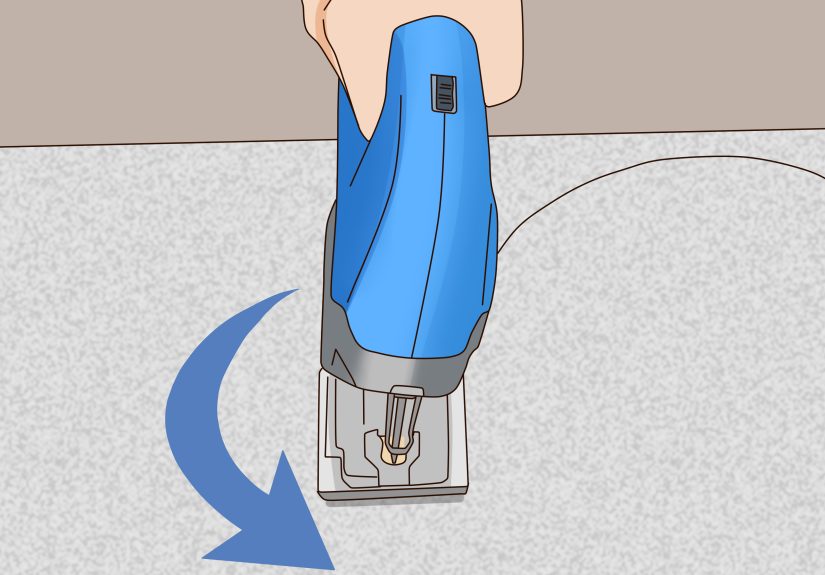
Drill where your bracket screws will sit, keeping the drill level and steady.
5) Install anchors (only if needed)
If you’re mounting into drywall/plaster without studs, insert anchors per package instructions.
Use anchors rated for the weight of your curtainsespecially for heavy, lined, or blackout panels.
6) Mount the brackets and check level again
Screw in your brackets, then place the rod on them and check level before tightening everything fully.
A rod can look “fine” up close and still be visibly crooked from across the roombecause walls are sneaky.
7) Hang the curtains the smart way (by header type)
- Grommet curtains: Slide the rod through the grommets; grouping grommets in your hand first makes this less annoying.
- Rod pocket: Feed the rod through the pocket; align headers evenly for a tidy top edge.
- Clip rings: Clip evenly spaced along the top for an easy “custom” lookand extra length flexibility.
- Pinch pleats: Use drapery hooks and rings or a traverse track for smooth movement.
8) Make them look expensive (even if they weren’t)
- Steam or iron panels before you judge them.
- Train the folds: Arrange pleats neatly and tie loosely with ribbon overnight for crisp drape.
- Even the hems: Floors can be unevenadjust the rod slightly or hem panels if needed.
Common Curtain Problems (and the Fixes That Actually Work)
Problem: Curtains look too short
Short curtains can make a room feel unfinished. If you’re close-but-not-perfect, use clip rings to “drop” the panel a bit,
or hem/replace with a longer length. When in doubt, floor-length tends to look intentional.
Problem: The rod is sagging
Add a center bracket, upgrade the rod thickness, or reduce span by choosing a sturdier rod.
Heavy curtains + long rod + no center support = the slowest, saddest bend you’ll ever witness.
Problem: Brackets keep pulling out of the wall
That’s usually an anchor issue (wrong type or under-rated) or too much lateral tugging.
Reinstall using anchors that match the wall type and load, or shift to hit studs when possible.
Problem: Light leaks on the sides
Extend the rod wider, use return rods, or consider a track system mounted closer to the wall to reduce gaps.
For bedrooms, this can be the difference between “sleep” and “why am I awake at 6:12 a.m.”.
Renter-Friendly Options (When Drilling Is a No-Go)
If you can’t drill holes, you still have optionsjust know the limits. Tension rods work best for lightweight curtains
and smaller windows. Adhesive brackets can work in some cases, but they depend heavily on wall surface, weight,
and how often you open and close the curtains.
Best renter hack: Use a tension rod for sheers (privacy without weight) and keep heavier drapes to rooms
where you can properly mount hardware.
Quick “Do This, Not That” Checklist
- DO hang the rod higher to visually lift the room.
- DO extend the rod beyond the window so curtains clear the glass.
- DO measure for fullness so panels don’t look skimpy.
- DON’T eyeball bracket placement without a level (unless you enjoy mild chaos).
- DON’T ignore the wall typedrywall needs the right anchors when studs aren’t available.
- DON’T judge new curtains before steaming/ironing them.
Bonus: of “Experience” (The Curtain Lessons Everyone Learns Eventually)
Even when you do everything “right,” curtain hanging has a way of delivering tiny life lessonslike a home improvement fortune cookie,
but with more drywall dust. Here are a few real-world scenarios DIYers run into, plus the fixes that save sanity.
1) The “One Bracket Is 1/4-Inch Higher” Mystery
This is the most common experience: you measure carefully, drill confidently, hang the rod, step back… and suddenly the rod looks crooked.
Not wildly crooked. Just enough that your eye keeps snapping to it like it’s a blinking neon sign that says “AMATEUR.”
What happened? Usually, one of three things: the pencil mark was slightly off, the drill wandered, or the wall isn’t perfectly straight
(spoiler: many aren’t). The fix is surprisingly simple: loosen the bracket screws, adjust slightly, and re-level with the rod in place.
If the holes are already off, you can use a slightly larger anchor or patch and re-drill. The lesson: measuring is great, but verifying
with the actual rod before tightening everything is better.
2) The “Curtains Are Floating” Surprise
Plenty of people buy curtains first, then hang the rod. Then they discover the panels hover two inches above the floor
like they’re afraid of commitment. The easiest workaround is clip ringsthey can add a little drop and make standard-length curtains
behave like custom ones. Another solution is to raise the rod slightly lower than your original plan. The lesson: pick the curtain length
style first, then let that decision inform rod height. The room doesn’t care about your original Pinterest vision; it cares about physics.
3) The “Anchor Betrayal” Moment
This experience usually begins with optimism and ends with a bracket in your hand. If you’re mounting into drywall without studs,
anchors matter. Lightweight plastic anchors might hold for a whileuntil you open and close the curtains daily, or your panels are lined,
or your kid decides curtains are a climbing apparatus (kids are inventive). Upgrading to a more robust anchor type or repositioning
to hit a stud can turn this from a recurring annoyance into a one-and-done fix. The lesson: curtain hardware is a load-bearing relationship.
Choose support accordingly.
4) The “Why Do These Look Cheap?” Revelation
Sometimes everything is installed correctly, but the curtains still look underwhelming. This is usually a fullness issue.
Too-narrow panels flatten out, leaving the window looking skimpy instead of styled. Doubling the panel width, adding another set,
or choosing a fuller header style can change the whole vibe. Another common culprit is wrinklesfresh-out-of-the-package creases can make
even expensive curtains look like they lost a fight with a shipping box. Steam them, train the folds, and suddenly the same curtains
look like a designer signed off. The lesson: “expensive” is often just “properly finished.”
5) The “Now I Notice Every Window” Side Effect
After you hang one set correctly, you’ll start noticing curtain placement everywhererestaurants, friends’ houses, hotel rooms.
You’ll see low rods and narrow panels and quietly think, “If they just raised that rod…” This is normal. Welcome to the club.
The lesson: once you know the high-and-wide trick, you can’t unsee itand your home will look better for it.