Table of Contents >> Show >> Hide
- What Hard Water Actually Is
- The Most Common Signs You Have Hard Water
- 1. White Spots on Dishes and Glassware
- 2. Soap That Refuses to Lather Properly
- 3. Soap Scum on Showers, Tubs, and Sinks
- 4. Dry Skin and Dull, Flat Hair
- 5. Stiff, Dingy, or Faded Laundry
- 6. Scale Around Faucets and Showerheads
- 7. Lower Water Pressure in Specific Fixtures
- 8. Appliances That Need Extra Help
- How Experts Confirm Hard Water
- What Hard Water Does Not Necessarily Mean
- What to Do If You Confirm You Have Hard Water
- Expert Takeaway: The Fastest Way to Tell
- Real-Life Experiences Homeowners Commonly Describe
- Conclusion
If your shower door always looks like it lost a fight with a chalk stick, your dishes come out of the dishwasher looking “frosted,” and your soap seems weirdly unmotivated, you may have hard water. And no, your plumbing is not being dramatic just for fun. Hard water is a very real household issue, and it can show up in sneaky ways long before you ever test your water.
According to water treatment pros and plumbing experts, the easiest way to spot hard water is not by staring suspiciously at your faucet and hoping it confesses. It is by looking for patterns: mineral buildup, weak soap lather, stubborn spots, dingy laundry, dry-feeling skin, and appliances that seem to age like milk instead of wine. In other words, hard water leaves clues everywhere.
This guide breaks down what hard water is, how to recognize the signs, how experts test for it, what the numbers mean, and what you can do next if your water turns out to be harder than your calculus teacher. Whether you live in a city apartment or a house on well water, here is how to tell if hard water has been quietly running the show.
What Hard Water Actually Is
Hard water is water that contains higher levels of dissolved minerals, mainly calcium and magnesium. These minerals are not unusual or automatically dangerous. In fact, they are naturally picked up as water moves through soil, limestone, chalk, and rock. The issue is not that the water is “bad” in a scary movie sense. The issue is that those minerals can create scale, soap scum, spotting, and a whole list of annoying everyday problems.
Experts usually measure hardness in milligrams per liter (mg/L) as calcium carbonate or in grains per gallon (gpg). If that sounds technical, do not worry. You do not need a chemistry degree to understand the practical version: the higher the number, the more likely your home will show classic hard water symptoms.
What Counts as Hard Water?
| Classification | mg/L as CaCO3 | Approx. gpg |
|---|---|---|
| Soft | 0–60 | 0–3.5 |
| Moderately hard | 61–120 | 3.6–7.0 |
| Hard | 121–180 | 7.1–10.5 |
| Very hard | More than 180 | Over 10.5 |
A handy conversion to remember: 1 grain per gallon is about 17.1 mg/L. So if your local report says your water is 170 mg/L, that is roughly 10 gpg, which lands squarely in hard water territory.
The Most Common Signs You Have Hard Water
If an expert were checking your house for hard water, they would not begin with a dramatic lab montage. They would start by looking at what your water is leaving behind. These are the biggest red flags.
1. White Spots on Dishes and Glassware
One of the most obvious signs of hard water is cloudy film or white spotting on glasses, plates, silverware, and the inside of your dishwasher. Those minerals do not vanish when the water evaporates. They stay behind and create a residue that can make everything look dull, dusty, or just perpetually disappointing.
If you feel like you wash your glasses only for them to come out looking like they need another wash, hard water could be the reason. Appliance manufacturers often flag filming and mineral residue as common signs of hard water, especially in areas with higher hardness levels.
2. Soap That Refuses to Lather Properly
Hard water and soap do not get along. Instead of producing a satisfying lather, the minerals react with soap and create soap scum. That means you may need more product to wash your hands, body, dishes, or laundry. It also means you may rinse and rinse and still feel like something is hanging around on your skin.
This is one of the classic expert clues. If your shampoo, body wash, or hand soap always seems to underperform, your products may not be the problem. Your water may be sabotaging them like an unhelpful background character.
3. Soap Scum on Showers, Tubs, and Sinks
Notice a chalky ring in the tub? A hazy shower door? A crusty outline around the faucet? That is hard water leaving receipts. Mineral deposits and soap scum are often among the first visible signs homeowners notice, especially in bathrooms and kitchens where surfaces stay wet and dry repeatedly.
Unlike ordinary dirt, hard water buildup tends to return quickly even after cleaning. That “I just scrubbed this yesterday” feeling is a strong hint that minerals, not laziness, are the real problem.
4. Dry Skin and Dull, Flat Hair
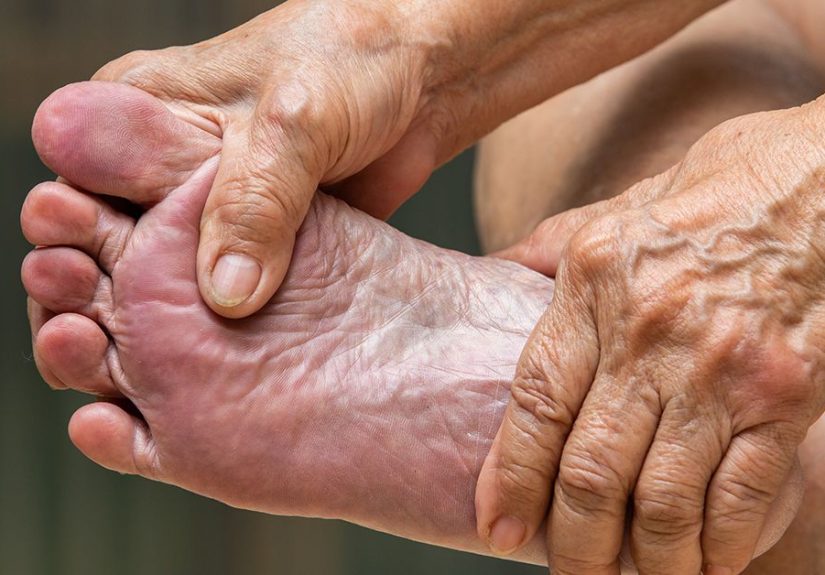
Many people with hard water say their skin feels tight after a shower and their hair feels dull, coated, or difficult to manage. That does not mean hard water is causing a medical condition by itself, but it can make washing less effective and leave residue behind that affects how skin and hair feel.
If you are using decent products but still stepping out of the shower feeling like your skin needs a peace treaty and your hair needs counseling, hard water is worth investigating.
5. Stiff, Dingy, or Faded Laundry
Hard water can make laundry feel rougher and look less bright over time. White clothes may look grayish. Towels may feel scratchy. Dark colors can lose their pop faster than expected. That happens because minerals can interfere with detergents and leave deposits on fabric.
People often blame the washing machine first. Sometimes that is fair. Sometimes the real villain is the water entering it.
6. Scale Around Faucets and Showerheads
Those crusty white or yellowish deposits around faucets, showerheads, kettle spouts, and sink drains are another giveaway. This is scale, also called limescale, and it forms when mineral-rich water dries on surfaces. Over time, it can narrow openings and reduce flow.
If your shower used to feel like a spa and now feels like a tired garden hose, buildup inside the showerhead could be part of the reason.
7. Lower Water Pressure in Specific Fixtures
Hard water can leave mineral deposits inside pipes, aerators, and fixtures. That buildup may slowly restrict water flow. Usually the change is gradual, which makes it easy to ignore until one day you realize the kitchen faucet now delivers water with all the enthusiasm of a sloth on a hammock.
Low water pressure can have other causes too, so this sign alone is not proof. But paired with scaling and spotting, it becomes much more convincing.
8. Appliances That Need Extra Help
Dishwashers, washing machines, coffee makers, and water heaters do not love hard water. Mineral buildup can reduce efficiency, leave residue, and in some cases shorten appliance life. Water heaters may have to work harder when scale builds up on heating elements or inside tanks. Dishwashers may need more detergent or rinse aid. Coffee makers may need frequent descaling.
If your appliances seem high-maintenance for no good reason, hard water may be the invisible houseguest causing trouble.
How Experts Confirm Hard Water
Spotting the clues is helpful, but testing confirms what is really going on. Here are the methods experts recommend, from easiest to most precise.
Check Your Water Quality Report First
If you get municipal water, your first stop should be your local water utility’s annual water quality report, often called a Consumer Confidence Report. These reports are typically issued yearly and can give useful context about your water supply. Some utilities list hardness directly. Others may not, but they can often provide the information if you ask.
This is the easiest low-effort move because it uses data you may already have access to. It is basically adulting with a shortcut.
Use a Home Hardness Test Strip
At-home hardness strips are one of the fastest ways to get an answer. You dip the strip in water, wait for the reaction, and compare the color to a chart. They are not perfect lab instruments, but they are practical, affordable, and usually accurate enough to tell whether you are dealing with soft, moderate, hard, or very hard water.
If you want to test like a careful pro, take samples from more than one faucet. If you have a softener installed, test both untreated and treated water when possible.
Try the Basic Soap Test
This old-school method is more clue than final proof, but it is still useful. Fill a clean clear bottle with water, add a few drops of pure liquid soap, and shake. Soft water usually creates more bubbles faster. Hard water often creates less lather and may leave the water looking cloudy.
This test is not a substitute for an actual hardness reading, but it can back up what you are already noticing around the house.
Get a Professional or Certified Lab Test
If you have well water, recurring plumbing issues, unexplained staining, or you are choosing a treatment system, a professional water test is the smartest route. Plumbers, water treatment specialists, and certified labs can measure hardness and check for related concerns such as iron, manganese, pH, and total dissolved solids.
This matters because not every stain or deposit comes from hardness alone. Iron can create reddish stains. Other minerals can affect taste, odor, or color. A full test helps you solve the right problem instead of buying the wrong gadget and entering a long-term relationship with disappointment.
What Hard Water Does Not Necessarily Mean
Here is the part people often misunderstand: hard water is not automatically unsafe to drink. In many cases, hard water is considered more of a nuisance and maintenance issue than a direct health threat. The bigger day-to-day problems tend to be buildup, cleaning headaches, inefficient soap use, and wear on plumbing and appliances.
That said, if your water has an unusual color, metallic taste, strong odor, staining that looks rusty, or you use private well water, do not assume hardness is the whole story. Testing matters because different water issues can overlap.
What to Do If You Confirm You Have Hard Water
Start Small If Your Symptoms Are Mild
If your water is only moderately hard and your main complaints are spotty dishes or a ring around the sink, you may not need a whole-house system right away. You can begin with practical fixes:
- Use a rinse aid in the dishwasher
- Clean scale with vinegar-based solutions where appropriate
- Descale coffee makers and kettles regularly
- Use laundry products designed to work better in hard water
- Try a clarifying shampoo occasionally if your hair feels coated
Consider a Water Softener for Ongoing Problems
If your water tests solidly in the hard or very hard range and you are seeing repeated buildup, appliance trouble, stiff laundry, or plumbing issues, a water softener may be worth considering. Whole-house softeners are designed to remove calcium and magnesium before the water moves through your plumbing system.
This can reduce scaling and make cleaning easier, though it does involve cost, maintenance, and choosing the right size for your household. If you go this route, get your hardness level tested first. Buying a system without knowing your actual water conditions is a little like ordering prescription glasses because a menu looked blurry.
Keep Expectations Realistic
Softening or treating water can help with many hard water symptoms, but it is not magic. Existing scale may still need to be cleaned out. Damaged fixtures may not fully recover. Etched glassware, for example, does not always bounce back. Treatment helps prevent more trouble, but it does not always rewind time.
Expert Takeaway: The Fastest Way to Tell
If an expert had to answer the question in one sentence, it would go something like this: you probably have hard water if you regularly notice mineral spots, soap scum, weak lather, dingy laundry, and scale buildup, and a test strip or local water report confirms elevated hardness.
The smartest approach is simple. First, look for the signs. Second, test the water. Third, match the solution to the severity of the problem. That keeps you from overreacting to a few spots on a glass, but it also keeps you from ignoring a water issue that is slowly beating up your pipes, fixtures, and appliances.
Hard water is common, but it should not be mysterious. Once you know what clues to watch for, your house becomes surprisingly chatty about what is going on.
Real-Life Experiences Homeowners Commonly Describe
One of the most relatable hard water experiences starts in the bathroom. A homeowner cleans the shower door until it sparkles, walks away feeling accomplished, and then notices the cloudy spots are back within days. At first, it seems like bad cleaning luck. Then the same white film shows up on the faucet, the showerhead, and the tub edge. That repeating pattern is often what makes people realize they are not dealing with ordinary grime. They are dealing with minerals that keep getting redeposited every time the water dries.
Another common experience happens at the sink. People say their hands feel strange after washing them, almost slippery but not exactly clean. Some describe it as a filmy feeling that never fully rinses away. Others notice they need more hand soap than expected just to get a decent lather. That becomes even more obvious in the shower, where shampoo seems to underperform and body wash acts like it is too tired to do its job.
Laundry complaints are also a huge clue in real homes. Towels come out stiff even with fabric softener. White socks start looking tired halfway through their career. Black shirts fade faster than they should. Families sometimes assume their detergent is the issue, so they switch brands, then switch again, then buy the expensive detergent, then glare at the washing machine like it has betrayed them personally. Later, a water test reveals that hard water has been interfering with the wash cycle the whole time.
Kitchen frustrations tell a similar story. Dishes look cloudy. Glassware seems permanently dusty. The kettle develops scale. The coffee maker needs frequent descaling. Some homeowners only discover they have hard water after replacing a dishwasher detergent, changing rinse aid, and cleaning the filter repeatedly with very little improvement. When the same residue appears on faucets and sink fixtures, the mystery usually solves itself.
There is also the slow-burn plumbing experience. Water pressure does not disappear overnight, but a showerhead starts spraying unevenly, or a faucet flow seems weaker than it used to be. Because the change is gradual, people adapt to it. Then they visit a friend’s house, turn on the shower, and suddenly realize their own bathroom has been delivering a polite drizzle for months.
Perhaps the biggest shared experience is how surprising the fix can be. Once people confirm the hardness level, even a few targeted changes can make a difference. Better detergents, regular descaling, a rinse aid, a clarifying shampoo, or a properly sized water softener can improve daily life more than expected. The funny part is that many homeowners spend months blaming products, appliances, or their own cleaning habits before realizing the real issue has been flowing out of the tap all along.
Conclusion
If your home is covered in spots, scale, cloudy glassware, and soap scum, hard water is a very reasonable suspect. The good news is that it is easy to investigate. Look for the signs, check your water report, use a test strip, and let the results guide your next step. A small water issue can turn into a big maintenance headache over time, so catching it early is one of those boring but brilliant homeowner moves that pays off.