Table of Contents >> Show >> Hide
- What Is Postpartum Shedding in Dogs (and Why Does It Happen)?
- Normal vs. Not-Normal: When to Relax and When to Call the Vet
- The 10 Steps to Manage Postpartum Shedding in Dogs
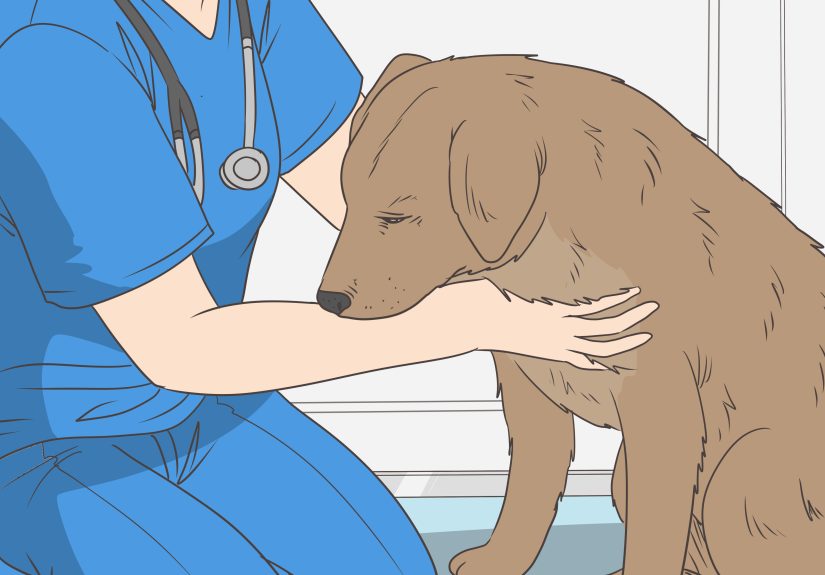
- Step 1) Start With a “Rule-Out” Vet Check (Especially for First-Time Moms)
- Step 2) Feed for Lactation Like It’s a Sport (Because It Is)
- Step 3) Don’t “DIY” SupplementsUse Targeted, Vet-Guided Support
- Step 4) Add Omega-3s the Smart Way (If Your Vet Says Yes)
- Step 5) Brush Like a Groomer, Not Like a Leaf Blower
- Step 6) Bathe Only When It Helps (and Use Gentle Products)
- Step 7) Make Skin Comfort a Priority (Because It’s the Foundation)
- Step 8) Reduce Stress in the “New Mom Zone”
- Step 9) Keep Parasite Prevention and Allergy Control Up-to-Date (Safely)
- Step 10) Track Progress and Set Realistic Expectations
- Quick “Fur Control” Wins for Your House (Because You Live There Too)
- What Not to Do (Even If TikTok Swears It’s “Life-Changing”)
- FAQ: Fast Answers for Tired Humans
- Conclusion
- of Real-World “Experience” Tips (What Owners Commonly Learn the Hard Way)
Your dog just did an Olympic-level life event: she grew puppies, delivered puppies, and is now running a 24/7 milk bar with zero sick days.
So if she’s also leaving a second dog’s worth of fur on your couch, welcome to the postpartum “coat confetti” phase.
The good news: postpartum shedding in dogs is often normal. The better news: you can manage it without turning your home into a tumbleweed museum.
And the best news: her coat typically comes backno dramatic comb-overs required.
This guide breaks down what’s normal, what’s not, and the most effective, vet-aligned ways to reduce the mess and support healthy regrowthwhile keeping mom comfortable and babies safe.
What Is Postpartum Shedding in Dogs (and Why Does It Happen)?
“Postpartum shedding” is the noticeable increase in hair loss that can happen after a dog gives birth (whelps) and while she’s nursing.
Owners often describe it as “blowing coat,” “snowing fur,” or “how is this much hair legal?”
Under the hood, it’s usually a mix of:
- Hormone shifts after pregnancy that nudge hair follicles into a shedding phase all at once.
- Stress and sleep disruption (newborns are cute, but they’re also tiny chaos machines).
- Nutrient and calorie demands of lactationmilk production is expensive, biologically speaking.
- More grooming friction from nesting, lying in one spot, and pups kneading like miniature bread bakers.
A lot of moms shed most heavily a few weeks after whelping and around weaning, when the body shifts gears again.
Some dogs look a little patchy, especially on the belly and sides. Many regrow normally over the following weeks to months.
Normal vs. Not-Normal: When to Relax and When to Call the Vet
Usually Normal Postpartum Shedding Looks Like:
- More fur than usual, often diffuse (all over) rather than angry-looking bald spots.
- Minimal itching or discomfort.
- Skin that looks normal (no strong odor, oozing, scabs, or hot spots).
- Mom is eating, drinking, and caring for pups normally.
- Gradual improvement once pups begin weaning and mom’s routine stabilizes.
Get Veterinary Help Soon If You Notice:
- Intense itch, chewing, or rubbing (think “I can’t stop” behavior).
- Redness, pustules, scabs, or a foul smell (possible infection).
- Ring-shaped lesions or sudden bald patches (possible fungal or mite issues).
- Weight loss, lethargy, poor appetite, or mom seems “not herself.”
- Pups not gaining weight or nursing issuesmom’s health affects the whole squad.
- Shedding that keeps worsening or doesn’t start improving over time.
Bottom line: postpartum shedding can be normal, but postpartum shedding plus skin inflammation or systemic signs is a “don’t-wait” situation.
The 10 Steps to Manage Postpartum Shedding in Dogs
Step 1) Start With a “Rule-Out” Vet Check (Especially for First-Time Moms)
This isn’t you being dramatic. It’s you being strategic.
Heavy shedding can overlap with parasites, infections, allergies, and endocrine issues (like thyroid problems).
A quick exam can confirm “normal postpartum coat cycle” versus “something else is partying on the skin.”
If mom is nursing, tell your vetproduct choices (flea control, meds, shampoos) should be lactation-safe.
Step 2) Feed for Lactation Like It’s a Sport (Because It Is)
Nursing dogs have extremely high energy demands. If mom is under-fueled, her body will prioritize milk production over “luxury features” like a perfect coat.
Many veterinarians recommend feeding a high-quality, energy-dense growth/lactation diet (often a puppy formula) during nursing.
Practical tips:
- Offer multiple meals per day (or supervised free-choice feeding if recommended by your vet).
- Monitor body condition weekly. A nursing mom should not be melting away.
- Fresh water always. Hydration supports milk production and skin health.
Example: A mom with a large litter may need dramatically more calories than normalsometimes double or moreespecially when milk production peaks.
Step 3) Don’t “DIY” SupplementsUse Targeted, Vet-Guided Support
The internet loves a supplement. Dogs deserve better than random powders sprinkled like magic fairy dust.
If you want to add support, do it with your vet’s guidanceparticularly if mom is nursing.
What’s often considered (case-by-case):
- Omega-3 fatty acids for skin/coat support.
- A balanced vitamin/mineral plan only if there’s concern about intake or body condition.
What to avoid without veterinary direction:
High-dose calcium, random “hair growth” blends, and human supplements with xylitol, stimulants, or weird botanicals.
Step 4) Add Omega-3s the Smart Way (If Your Vet Says Yes)
Omega-3s (commonly from fish oil) can support skin barrier function and reduce inflammation-related shedding.
But dose matters, and so does product qualityespecially with a nursing dog.
Ask your vet for a lactation-appropriate plan and monitor stool (too much can cause GI upset).
Step 5) Brush Like a Groomer, Not Like a Leaf Blower
Consistent grooming is the #1 “reduce the hair tornado” move, and it helps remove loose undercoat before it redecorates your floor.
Keep sessions short and calmpostpartum moms have a lot going on.
- Short coats: rubber curry brush or grooming glove + bristle brush.
- Medium/long coats: slicker brush + comb to prevent tangles.
- Double coats: undercoat rake used gently (never scrape the skin).
Pro-tip: Brush in a quiet area away from puppies first. Then do a quick “belly/side check” last, because those areas can be sensitive from nursing and contact.
Step 6) Bathe Only When It Helps (and Use Gentle Products)
A bath can loosen dead hair and make brushing far more effectiveif you do it right.
But over-bathing can dry the skin and worsen shedding.
Aim for:
- A dog-specific, gentle shampoo (no heavy fragrance, no harsh degreasers).
- Thorough rinse (leftover shampoo residue can irritate skin).
- Dry completelyespecially if it’s cool or humid, to avoid skin issues.
If your dog is nursing, keep products away from mammary glands and always confirm safety with your vet.
Puppies explore with their mouths. Everything becomes a “flavor test.”
Step 7) Make Skin Comfort a Priority (Because It’s the Foundation)
Healthy coat starts with healthy skin. Postpartum dogs can get dry skin from stress, bathing, indoor heating/AC, or nutrition gaps.
Support the skin barrier by:
- Keeping the environment comfortably humid (a basic humidifier can help in dry homes).
- Using soft bedding washed with mild, fragrance-free detergent.
- Checking for irritation under collars/harnesses and around nipples/belly.
- Avoiding essential oils and strong sprays in the whelping area.
Step 8) Reduce Stress in the “New Mom Zone”
Stress can worsen shedding and delay regrowth. Also, stress can make mom less tolerant of grooming, handling, andlet’s be honestyour helpful commentary.
Try:
- A quiet, predictable routine (same feeding times, same potty breaks).
- Limit visitors and loud activity near the pups.
- Provide enrichment that doesn’t require a marathon: snuffle mats, lick mats, short calm walks if vet-approved.
- Give mom breaks from pups once they’re old enough and saferest is recovery.
Step 9) Keep Parasite Prevention and Allergy Control Up-to-Date (Safely)
Fleas, mites, and allergic skin disease can all drive shedding. Postpartum moms are not magically immuneif anything, the immune system can be a bit “busy.”
Use vet-recommended flea/tick prevention that’s appropriate for a nursing dog, and keep the nesting area clean:
- Vacuum frequently (especially corners where fur and flea dirt love to hang out).
- Wash bedding on hot if fabric allows.
- Watch for new itching, chewing, or ear issues (common allergy clues).
Step 10) Track Progress and Set Realistic Expectations
Postpartum shedding isn’t usually a “two-day problem.” It’s a phase.
Your job is to manage the fallout and support the body while it resets.
A simple tracking plan:
- Take weekly photos of coat (same lighting, same spot) to see improvement.
- Note appetite, stool quality, water intake, and energy.
- Mark key milestones: peak nursing weeks, start of weaning, and any diet changes.
If you’re considering spay timing or other major changes, discuss timing with your vetcoat regrowth and overall recovery matter.
Quick “Fur Control” Wins for Your House (Because You Live There Too)
- Brush outside when possiblerelease the fluff to the wind, not your carpet.
- Use washable throws on favorite sleep spots.
- Rubber squeegee on upholstery pulls hair like a magnet.
- Robot vacuum if you have oneconsider it your new co-parent.
- Lint rollers everywhere: car, entryway, the drawer you pretend is “organized.”
What Not to Do (Even If TikTok Swears It’s “Life-Changing”)
- Don’t shave a double-coated dog to “stop shedding.” It can damage coat regrowth and doesn’t solve the underlying cycle.
- Don’t over-bathe or use harsh de-shedding chemicalsdry skin sheds more.
- Don’t start supplements blindly, especially during nursing.
- Don’t ignore itching, sores, odor, or weight loss. Postpartum doesn’t mean “everything is normal.”
FAQ: Fast Answers for Tired Humans
How long does postpartum shedding last in dogs?
Many dogs improve gradually after peak lactation and as weaning progresses. Coat regrowth can take weeks to months depending on breed, coat type, nutrition, and health.
If it’s worsening or paired with skin inflammation, consult your vet sooner rather than later.
Is postpartum shedding painful?
Normal shedding itself isn’t typically painful. But skin irritation, infection, parasites, or matting can be uncomfortableso watch for itching, redness, or sensitivity.
Should I change food to stop shedding?
If mom is nursing, she often needs a more energy-dense diet (commonly a growth/lactation formula) and enough overall calories.
Food changes should be gradual and ideally guided by your veterinarian, especially postpartum.
My dog has bald patches after giving birthpanic or patience?
Some thinning can be normal postpartum, particularly on the belly and areas with friction. But bald patches with redness, crusts, odor, or itch deserve a vet visit to rule out mites, ringworm, bacterial infection, or other causes.
Conclusion
Postpartum shedding can look dramaticbecause it is dramatic. But in many cases it’s simply your dog’s coat cycle catching up after pregnancy and the intense demands of nursing.
The winning strategy is a calm, consistent routine: verify health with a vet, feed for lactation, brush gently and regularly, protect the skin, and keep stress low.
Give it time, support recovery, and remember: this phase is temporaryeven if your vacuum is questioning its life choices.
of Real-World “Experience” Tips (What Owners Commonly Learn the Hard Way)
Ask ten dog owners about postpartum shedding and you’ll get twelve stories, two of which involve a black hoodie that was never black again.
While every dog is different, there are a few patterns that show up again and again in people’s real-life experience.
Experience #1: The Labrador “It’s Snowing Indoors” Week.
One family with a nursing Labrador thought something was terribly wrong because mom’s shedding ramped up fast around the third week.
Their mistake was trying to “wash it out” with frequent baths. The result? Drier skin, more itch, and even more hair on the furniture.
What helped was switching to a calmer routine: a single gentle bath, then short daily brushing sessions (five minutes, not fifty), plus making sure mom’s meals were increased appropriately for nursing.
The shedding didn’t stop overnightbut it got manageable, and the coat started looking healthier once the weaning phase began.
Experience #2: The Double-Coat Dog Who Needed a Tool Upgrade.
Owners of Huskies, German Shepherds, and other double-coated dogs often report the most shocking postpartum “blow coat.”
The common lesson: a basic bristle brush is like bringing a spoon to a snowstorm.
When they added an undercoat rake used gently (and followed with a slicker brush and comb), the amount of loose hair removed during grooming jumped dramaticallymeaning less hair ended up in the house.
The key was gentleness: too much pressure can irritate skin, and a postpartum mom may already be sensitive around the belly and sides.
Experience #3: The “Surprise Fleas” Plot Twist.
Postpartum shedding sometimes gets blamed on hormones when the real culprit is parasitesespecially if itching starts.
Several owners describe noticing “just a little scratching” that became constant nibbling at the hips and tail base.
A vet check revealed fleas or mite issues, and once treatment (appropriate for nursing) started, the coat improved quickly.
The takeaway: postpartum changes can happen at the same time as a skin problem, so new itch should never be written off as “just normal.”
Experience #4: The Poodle Mix Who Looked Fine… Until Matting Happened.
Curly and long-haired dogs may not “shed” visibly in the same way, but postpartum coat changes can increase tangling.
Owners often realize too late that loose hairs are getting trapped and forming mats, especially around the armpits and behind the ears.
Once matting starts, brushing becomes uncomfortable, and skin irritation can follow.
Their best fix was prevention: quick daily comb-throughs and targeted grooming in friction areas, plus keeping the whelping space clean and dry.
The universal experience tip: take weekly photos and notes. When you see your dog every day, changes are easy to miss.
A simple “coat journal” makes it obvious whether things are improvingor whether it’s time to bring in the vet for a deeper look.