Table of Contents >> Show >> Hide
- Why It Is So Hard to Stop Yourself from Falling in Love
- How to Not Fall in Love with Someone: 17 Expert Tips
- 1. Be Honest About Why This Person Is Not Right for You
- 2. Stop Feeding the Fantasy
- 3. Limit Unnecessary Contact
- 4. Set Clear Emotional Boundaries
- 5. Avoid One-on-One Situations That Feel Too Intimate
- 6. Remove Romantic Triggers from Your Daily Routine
- 7. Do Not Confuse Chemistry with Compatibility
- 8. Make a Reality-Based Pros and Cons List
- 9. Keep Your Life Full Outside of Them
- 10. Talk to Someone You Trust
- 11. Practice Mindfulness When Thoughts Spiral
- 12. Challenge Idealization
- 13. Do Not Use Jealousy as Evidence of Love
- 14. Make a No-Contact or Low-Contact Plan
- 15. Redirect Romantic Energy into Self-Respect
- 16. Watch for Limerence, Not Just Love
- 17. Get Professional Support If the Feelings Feel Unmanageable
- What Not to Do When Trying Not to Fall in Love
- How to Know You Are Starting to Move On
- Personal Experiences and Real-Life Examples: What This Feels Like in Practice
- Conclusion
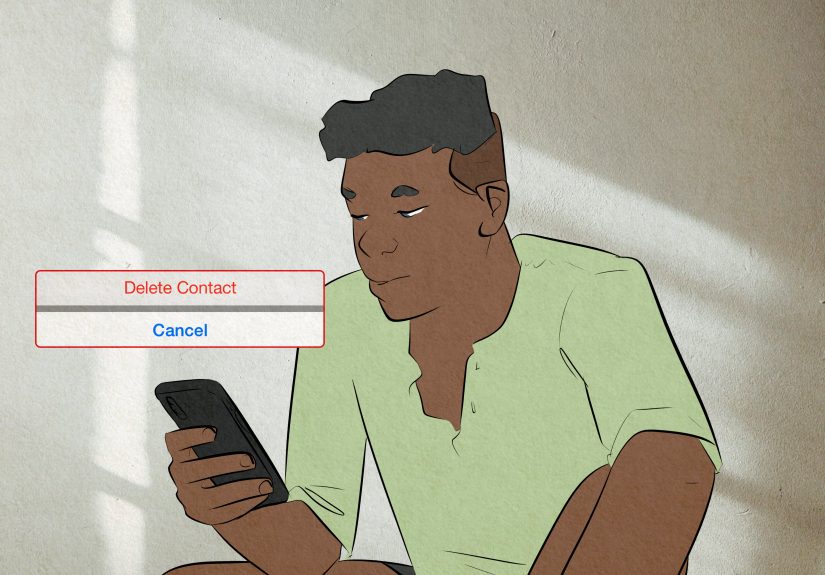
Falling in love can feel like accidentally subscribing to a streaming service with no cancel button. One minute you are casually laughing at their joke, and the next you are mentally naming your future dog, checking their social media “just once,” and wondering whether eye contact counts as destiny. The heart is dramatic. The brain, meanwhile, is running a full romantic marketing campaign without asking permission.
But sometimes, falling in love with someone is not a good idea. Maybe they are unavailable, emotionally inconsistent, your coworker, your friend’s ex, your ex’s friend, or simply not aligned with the life you are trying to build. Maybe you like them, but you already know the relationship would be complicated, unhealthy, one-sided, or impossible. In that case, learning how to not fall in love with someone is not cold or robotic. It is emotional self-protection.
The goal is not to shame your feelings or pretend you are made of office furniture. Attraction is human. Infatuation happens. What matters is what you do next. With boundaries, self-awareness, and a few practical strategies, you can slow down romantic attachment before it turns into a full-blown emotional circus.
Why It Is So Hard to Stop Yourself from Falling in Love
Romantic attraction is not just a poetic feeling. It involves attention, reward, curiosity, hope, imagination, memory, and attachment. Your brain may start associating someone with excitement, comfort, validation, or possibility. That is why a small interaction can feel huge when you are emotionally hungry or lonely.
Love can also grow faster when there is uncertainty. A person who gives mixed signals may become more mentally addictive than someone who is steady and clear. Your mind keeps trying to solve the puzzle: “Do they like me? Did that text mean something? Why did they look at me like that?” Congratulations, your brain has opened a detective agency.
To avoid falling deeper, you need to reduce fantasy, limit emotional reinforcement, and bring your attention back to reality. Here are 17 expert-inspired tips that actually help.
How to Not Fall in Love with Someone: 17 Expert Tips
1. Be Honest About Why This Person Is Not Right for You
Start with the truth. Not the dreamy version. Not the version where they suddenly become emotionally available, move closer, break up with their partner, heal their commitment issues, and learn to text like a responsible adult. The real version.
Ask yourself: Why should I not fall for this person? Are they unavailable? Do they ignore my boundaries? Do they want something different? Would this relationship damage my peace, career, friendship, or self-respect?
Write your reasons down. A written list helps when your feelings start making persuasive speeches at midnight.
2. Stop Feeding the Fantasy
Fantasy is the fertilizer of unwanted love. The more you imagine romantic scenes, future conversations, accidental reunions, or dramatic confessions, the more emotionally real the connection starts to feel.
When your mind begins creating a romantic movie trailer, pause and label it: “This is fantasy, not fact.” You do not have to attack the thought. Just refuse to decorate it with music, lighting, and a slow-motion airport scene.
3. Limit Unnecessary Contact
If you are trying not to fall in love with someone, constant contact is like trying to diet while living inside a bakery. You may have impressive willpower, but the croissants are right there.
Reduce unnecessary texting, late-night conversations, private hangouts, and emotionally intimate check-ins. If you must see the person at work, school, or within a friend group, keep interactions polite, brief, and clear.
Distance does not mean cruelty. It means giving your feelings less oxygen.
4. Set Clear Emotional Boundaries
Physical boundaries matter, but emotional boundaries are just as important. Do not become their therapist, secret keeper, crisis hotline, or favorite person to flirt with when they are bored.
Healthy boundaries might sound like: “I cannot be the person you talk to about your relationship problems,” or “I need to keep our conversations more casual.” You do not need a courtroom speech. Simple is powerful.
5. Avoid One-on-One Situations That Feel Too Intimate
Some settings quietly turn up the emotional volume: long car rides, candlelit dinners, late-night walks, deep conversations after everyone else leaves, or “just us” movie nights. These moments can create a sense of closeness even when the relationship is not wise.
Choose group settings instead. Meet in public places. Leave earlier. Avoid situations where your heart starts whispering, “This feels like a date,” while your brain is screaming, “Absolutely not.”
6. Remove Romantic Triggers from Your Daily Routine
Triggers are small reminders that keep the crush alive. Their playlist. Their photos. Their old messages. The coffee shop where you had one meaningful conversation and now act like it is a sacred monument.
Mute their social media updates. Archive the chat. Stop rereading messages. Change the playlist. Your brain cannot cool down if you keep reheating the same emotional leftovers.
7. Do Not Confuse Chemistry with Compatibility
Chemistry is exciting, but it is not a relationship plan. You can have intense chemistry with someone who is completely wrong for you. Sparks are not always a sign of destiny; sometimes they are a warning that the wiring is questionable.
Compatibility includes values, timing, availability, communication style, emotional maturity, and shared goals. If those pieces are missing, chemistry alone is just a very persuasive firework.
8. Make a Reality-Based Pros and Cons List
When attraction is strong, your mind may exaggerate the good and minimize the bad. A pros and cons list can help restore balance.
Include practical questions: Would this relationship be healthy? Would I feel secure? Would we want the same things? Would this create drama? Am I attracted to who they are, or who I imagine they could become?
Be brutally kind with yourself. The goal is clarity, not self-punishment.
9. Keep Your Life Full Outside of Them
Feelings grow faster in empty spaces. If your days revolve around waiting for a message, replaying conversations, or hoping to see them, the crush will expand to fill the room.
Fill your schedule with friends, hobbies, fitness, learning, creative projects, and goals that remind you who you are. You are not a supporting character in someone else’s romantic confusion.
10. Talk to Someone You Trust
Secrecy makes feelings feel more intense. Sharing your situation with a grounded friend can break the spell. Choose someone honest, emotionally mature, and unlikely to say, “Maybe this is your soulmate,” just because they enjoy chaos.
A good friend can help you stay realistic, notice patterns, and avoid impulsive choices. Sometimes hearing yourself explain the situation out loud is enough to make your own brain say, “Oh. Yikes.”
11. Practice Mindfulness When Thoughts Spiral
Trying to force yourself not to think about someone often backfires. Instead, practice noticing the thought without chasing it.
Try this: “I am having the thought that I want them.” Then breathe. Let the thought pass without texting, stalking, fantasizing, or building a five-year plan. Mindfulness helps you create a pause between feeling and action.
12. Challenge Idealization
When you are falling for someone, your brain may edit them like a luxury perfume commercial. Suddenly, their flaws become “quirks,” their inconsistency becomes “mystery,” and their bare-minimum kindness becomes “proof they understand your soul.”
Humanize them. Notice their habits, limitations, and real behavior. They may be attractive, interesting, or kind, but they are still a personnot a cure for loneliness, boredom, or emotional hunger.
13. Do Not Use Jealousy as Evidence of Love
Feeling jealous does not mean the connection is special. It may mean you are attached, insecure, uncertain, or afraid of losing access to someone who was never truly yours.
If jealousy appears, treat it as information. Ask: What need is underneath this feeling? Do I need reassurance, self-worth, closure, or distance? Jealousy is a signal, not a command.
14. Make a No-Contact or Low-Contact Plan
Sometimes the most compassionate choice is space. If the connection is one-sided, inappropriate, unhealthy, or emotionally consuming, no contact may be necessary for a while.
If total no contact is impossible, use low contact: fewer messages, no flirting, no private emotional talks, no checking their updates, and no unnecessary meetings. Make the plan specific. Vague boundaries are where crushes sneak in wearing sunglasses.
15. Redirect Romantic Energy into Self-Respect
Ask yourself, “What would self-respect do here?” Self-respect might choose not to chase someone unavailable. It might refuse crumbs. It might stop auditioning for a role that was never offered.
Every time you choose your peace over emotional chaos, you strengthen your relationship with yourself. That matters more than winning someone’s attention.
16. Watch for Limerence, Not Just Love
Limerence is an intense, often obsessive romantic fixation. It can involve intrusive thoughts, emotional highs and lows, idealization, and a powerful craving for reciprocation. It may feel like love, but it is often fueled by uncertainty and fantasy rather than mutual intimacy.
If you cannot stop thinking about someone, your mood depends on their attention, or you feel unable to function normally, take the situation seriously. You may need stronger boundaries, support from friends, or help from a mental health professional.
17. Get Professional Support If the Feelings Feel Unmanageable
There is no shame in getting help. A therapist can help you understand attachment patterns, obsessive thinking, people-pleasing, fear of rejection, or repeated attraction to unavailable people.
Professional support is especially important if the situation affects your sleep, work, appetite, safety, self-worth, or existing relationship. You do not have to white-knuckle your way through emotional distress.
What Not to Do When Trying Not to Fall in Love
Do Not Shame Yourself for Having Feelings
Feelings are not moral failures. You can feel attracted to someone and still choose not to act on it. Emotional maturity is not the absence of feelings; it is the ability to respond wisely.
Do Not Keep Testing Your Willpower
If you keep texting them “as a friend,” checking their stories, or arranging casual run-ins, you are not healing. You are conducting a very poorly designed science experiment.
Do Not Romanticize Pain
Longing can feel meaningful, but pain is not proof of love. Sometimes it is proof that your nervous system is tired and your boundaries need a vacation.
How to Know You Are Starting to Move On
You are making progress when you think about them less often, feel less urgency to contact them, stop reading hidden meanings into everything, and begin caring more about your own future than their attention. You may still feel occasional sadness or attraction, but it no longer drives the car.
Moving on is rarely dramatic. It is usually quiet. One day you realize you did not check their profile. You laughed without hoping they would notice. You made plans that had nothing to do with them. That is healing. No fireworks required.
Personal Experiences and Real-Life Examples: What This Feels Like in Practice
Many people do not decide to stop falling in love because they are cold-hearted. They decide because they can see the emotional pothole ahead. For example, imagine someone developing feelings for a coworker who is charming, funny, and conveniently always available for coffee breaks. At first, it feels harmless. They talk about weekend plans, share inside jokes, and send memes after work. Then the person starts dressing differently on office days, checking whether the coworker is online, and feeling disappointed when the coworker mentions a date. Nothing “happened,” but emotionally, plenty happened.
In that situation, the turning point is often not a grand confession. It is a small decision: stop private messaging after hours, eat lunch with a group, avoid emotionally charged conversations, and remember that workplace chemistry can become workplace chaos very quickly. The feeling may not disappear overnight, but it stops growing when it is no longer fed every day.
Another common experience is falling for someone who gives mixed signals. They flirt, disappear, return with warmth, then pull away again. This pattern can feel strangely addictive because the attention is unpredictable. The person waiting for affection may start treating every text like a weather report from the nation of hope. “They used three emojis. Does that mean something?” Usually, it means they used three emojis.
The practical solution is to stop treating uncertainty as romance. If someone’s interest requires constant decoding, that is not emotional security. A helpful boundary might be: “I am not going to invest in someone who makes me feel anxious more often than respected.” That sentence can save months of overthinking.
Some people also struggle with falling for a close friend. This can be especially painful because the friendship is real and valuable. The best approach depends on the situation, but emotional honesty with yourself is essential. If staying close makes the feelings stronger, temporary distance may protect both the friendship and your heart. You might spend less one-on-one time together, avoid cuddly or flirtatious behavior, and put more energy into other friendships. It may feel awkward at first, but awkward is easier to recover from than heartbreak with a front-row seat.
There is also the experience of being drawn to someone because they represent an escape. Maybe life feels stressful, dull, lonely, or uncertain. Suddenly, this person becomes a symbol of excitement. They are not just a person; they become a vacation, a confidence boost, a plot twist. In that case, the crush may be pointing to unmet needs. Instead of asking, “How do I make them love me?” ask, “What part of my life needs more attention?” You may need adventure, rest, friendship, creativity, therapy, or a stronger sense of purpose.
Finally, some people discover a pattern: they repeatedly fall for unavailable people. Married people. Emotionally distant people. People who live far away. People who offer just enough attention to keep hope alive but never enough consistency to build trust. Recognizing this pattern is not a reason to feel embarrassed. It is a doorway to growth. Often, unavailable love feels safer because it allows longing without the vulnerability of a real, mutual relationship. Working through that pattern can help you choose people who are not just exciting, but emotionally present.
The experience of not falling in love with someone is not always clean or quick. You may have good days and then suddenly miss them because a song, smell, joke, or random Tuesday brings the feeling back. That does not mean you failed. It means you are human. Keep choosing distance, clarity, and self-respect. Feelings fade when actions stop reinforcing them.
Conclusion
Learning how to not fall in love with someone is really about learning how to protect your attention, boundaries, and emotional energy. You cannot always control the first spark of attraction, but you can control whether you build a bonfire around it.
Be honest about reality. Stop feeding fantasy. Limit contact when needed. Keep your life full. Ask for support. And most importantly, remember that not every feeling deserves a follow-up appointment. Some feelings simply need to be noticed, respected, and gently released.
The right love should not require you to abandon your peace, shrink your standards, or become a detective in your own emotional life. Choose clarity. Choose self-respect. Choose the future version of you who will be very grateful you did not turn a complicated crush into a full-time hobby.