Table of Contents >> Show >> Hide
- When You May Need to Open a Garage Door Manually
- Before You Start: Important Safety Rules
- How to Open a Garage Door Manually from the Inside
- Step 1: Check that the door is in the down position
- Step 2: Turn off the opener
- Step 3: Find the emergency release cord
- Step 4: Pull the emergency release cord straight down
- Step 5: Lift the garage door using the door handle
- Step 6: Secure the door if you need it to stay open
- Step 7: Close the door carefully when you are finished
- How to Open a Garage Door Manually from the Outside
- How to Reconnect the Garage Door Opener After Manual Use
- What If the Garage Door Still Won’t Open Manually?
- How to Make Manual Garage Door Operation Easier in the Future
- Mistakes Homeowners Make All the Time
- Real-World Experiences Homeowners Can Relate To
- Final Thoughts
- SEO Tags
Garage doors are wonderful right up until the exact moment they stop being wonderful. One power outage, one cranky opener, one mysteriously unresponsive remote, and suddenly your garage door acts like it has entered a dramatic phase. The good news? Most modern garage doors can still be operated manually when the opener quits, the power goes out, or the keypad decides it needs a personal day.
If you know how to open a garage door manually from the inside and the outside, you can avoid panic, protect the door from damage, and save yourself from turning a simple inconvenience into a full-blown home-improvement soap opera. But this is also one of those jobs where doing it the wrong way can be unsafe. A garage door is heavy, spring-loaded, and not interested in negotiation.
In this guide, you’ll learn the right way to manually open a garage door, when to stop and call a professional, how outside emergency release systems work, and what homeowners should never do under any circumstance. We’ll also cover common trouble spots, safety checks, and real-world experiences that make this topic a lot less theoretical and a lot more useful.
When You May Need to Open a Garage Door Manually
Manual operation usually comes into play when the automatic opener can’t do its job. The most common situations include:
- A power outage
- A dead garage door opener motor
- Remote or keypad failure
- A tripped breaker or unplugged opener
- An opener that disconnects from the trolley
- An emergency where you need quick access in or out
That said, not every stuck garage door should be forced open manually. If the door feels extremely heavy, looks crooked, moves unevenly, or you suspect a broken spring or cable, stop right there. That is not a “let’s just muscle through it” moment. That is a “call a professional before the garage door wins” moment.
Before You Start: Important Safety Rules
Before opening a garage door manually, give safety the starring role. Here are the rules that matter most:
- Make sure the garage door is fully closed before pulling the emergency release, whenever possible.
- Never pull the emergency release cord when the door is open or partially open.
- Use the actual door handle to lift and lower the door, not the red release rope.
- Keep hands away from door joints and section seams to avoid pinched fingers.
- Do not attempt to repair springs, cables, or tracks on your own.
- If the door is unusually heavy, jerky, or unbalanced, stop and schedule service.
These aren’t overprotective instructions written by someone who has never met a garage door. They are practical precautions. When springs are working correctly, they counterbalance much of the door’s weight. When springs fail, the door can become dangerously heavy and unpredictable.
How to Open a Garage Door Manually from the Inside
Step 1: Check that the door is in the down position
If the garage door is closed, great. You are starting from the safest possible position. If the door is stuck halfway open, do not pull the emergency release unless the manufacturer instructions for your model say it is safe and the door is properly supported. A half-open door can slam shut if its balance is compromised.
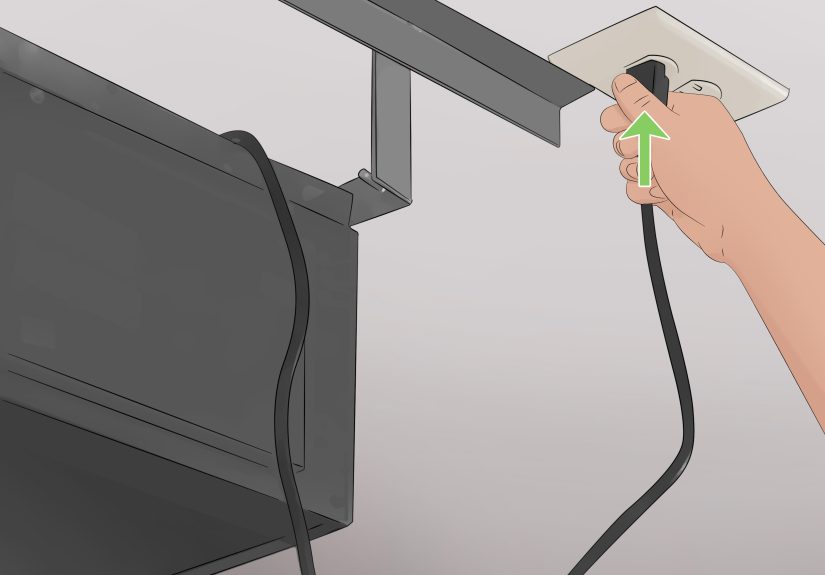
Step 2: Turn off the opener
Unplug the garage door opener or switch off power to it. This prevents someone from accidentally hitting the wall button or remote while you are handling the door manually. In other words, it removes the surprise element, which is usually a good life policy.
Step 3: Find the emergency release cord
Look for the red cord or red-handled rope hanging from the opener rail or trolley assembly overhead. This is the emergency release. It disconnects the garage door from the opener carriage so the door can move by hand.
Step 4: Pull the emergency release cord straight down
Give the cord a firm, steady pull straight down until you hear or feel a click. That click means the trolley has disengaged from the opener. Once that happens, the garage door should be free for manual operation.
Step 5: Lift the garage door using the door handle
Stand in the center of the door and lift using the handle at the bottom of the garage door. Raise it slowly and evenly. A balanced door should feel manageable, even if it is still somewhat heavy. If it feels like you are trying to deadlift a small pickup truck, stop. That usually points to a broken spring or another mechanical issue.
Step 6: Secure the door if you need it to stay open
If you need the garage open for an extended period, make sure the door stays in place safely. Do not trust a struggling door to behave out of politeness. If it slips, drops, or will not stay open, lower it carefully and arrange professional service.
Step 7: Close the door carefully when you are finished
When you’re ready to close it, pull the door down slowly using the handle. Keep fingers clear of pinch points along the sectional joints. Lock the door manually if needed, especially during a power outage.
How to Open a Garage Door Manually from the Outside
Here is the key point many articles dance around: opening a garage door manually from the outside is not something you should improvise. The proper way to do it is with an exterior emergency release kit, quick-release key, or keyed operator disconnect that was installed for that purpose.
If your garage has another entry door, use that instead and follow the inside method. If your garage does not have another access point, an outside emergency release is the safe and intended solution.
Option 1: Use an exterior emergency release kit
Many garages without side or service doors have a keyed emergency release installed on the outside face of the garage door. This small lock cylinder connects to a cable that reaches the opener’s release mechanism inside.
- Insert the key into the exterior emergency release lock.
- Turn the key and pull out the lock tumbler or release mechanism as designed.
- Pull the attached cable to disengage the trolley from the opener.
- Lift the garage door manually from the bottom handle.
This setup is designed specifically for power failures and opener malfunctions. If your home does not already have one installed, it is worth considering, especially if the garage is your primary entry point.
Option 2: Use a keyed manual lock on a non-automatic setup
Some garage doors have keyed lock sets that operate from the outside. These are more common on manual doors or on doors where the opener is not engaged. If your door has both an automatic opener and a manual lock, be careful. Using a manual lock while the opener is active can create damage or cause the opener to strain against a locked door.
What not to do from the outside
Do not pry the door. Do not use coat-hanger tricks. Do not jam tools between the top seal and the door panel. Do not assume every outside lock is meant to release the opener. If there is no proper outside emergency-release hardware installed and no other lawful point of entry, your best next call is a locksmith or garage door technician.
How to Reconnect the Garage Door Opener After Manual Use
Once power returns or the problem is resolved, you’ll want to reconnect the opener so the garage door works automatically again.
Method 1: Reengage manually
With the garage door fully closed, pull the emergency release cord in the direction recommended for your opener model. On many systems, that means pulling the cord down and toward the door or trolley until the latch resets.
Method 2: Let the opener catch the trolley
Some openers reconnect automatically the next time you press the wall button or remote, once the trolley lines up with the carriage. If that happens, you may hear a click as the mechanism locks back into place.
After reconnecting, test the door by opening and closing it fully once or twice. Watch for smooth travel, normal sound, and proper response. If the opener runs but the door does not move correctly, stop using it until the system is inspected.
What If the Garage Door Still Won’t Open Manually?
If you pull the emergency release and the door still refuses to cooperate, one of these issues may be the real culprit:
Broken spring
A broken torsion or extension spring is one of the most common reasons a garage door becomes too heavy to lift. This is a professional repair, full stop.
Damaged or frayed cable
If a cable is loose, snapped, or hanging strangely, do not continue. Cable issues can make the door crooked and unstable.
Manual lock is engaged
Some homeowners forget that an interior slide lock or keyed lock is still engaged. Check for locking bars, slide bolts, or a padlock through the track.
Door is off track
If rollers are out of the track or the panels look misaligned, forcing the door can worsen the damage. This is another job for a technician.
Door is unbalanced
If the door rises on its own, drops quickly, or won’t stay halfway open during testing, the counterbalance system is off. That usually means spring trouble, and it should be serviced professionally.
How to Make Manual Garage Door Operation Easier in the Future
A little prevention now can save you from future garage-door melodrama.
Install a battery backup opener
Many newer garage door openers include battery backup. That means the door can still operate automatically during a power outage, which is an excellent way to avoid manual lifting altogether.
Add an exterior emergency release
If your garage has no side entry door, a quick-release key or keyed disconnect can be one of the most useful low-cost upgrades you make.
Test the emergency release periodically
Don’t wait for a storm, outage, or frantic Monday morning to find out the release mechanism is stuck. Test it when the door is closed and the opener is powered off.
Inspect the door monthly
Look at springs, cables, rollers, and tracks. You are not performing surgery; you are just checking for obvious wear, rust, fraying, or loose hardware.
Keep the track area clean
Dust, leaves, and debris may not seem dramatic, but garage doors are surprisingly picky about a smooth path.
Mistakes Homeowners Make All the Time
- Pulling the emergency release when the door is open
- Using the red rope as a lifting handle
- Forgetting to disengage the opener power first
- Trying to force a door with a broken spring
- Ignoring a manual lock that is still engaged
- Assuming every garage door can be opened from outside without proper hardware
- Reconnecting the opener without fully closing the door first
The garage door usually sends warning signs before a real failure: extra noise, jerky movement, uneven travel, a door that feels heavier than it used to, or an opener that strains. When you notice those signs, treat them like a check-engine light for your garage.
Real-World Experiences Homeowners Can Relate To
Ask around and you’ll find that almost everyone who owns a garage long enough eventually has a “well, this is annoying” story about manual operation. One homeowner loses power during a thunderstorm and realizes the garage is the only practical way to get the car out. Another presses the remote ten times, blames the batteries, blames the opener, blames the universe, and only then remembers there’s an emergency release cord hanging overhead like the world’s least glamorous superhero cape.
A common experience is discovering just how different a healthy garage door feels from an unhealthy one. People often assume all garage doors are naturally heavy. Then they disengage the opener on a properly balanced door and realize, “Oh, this is actually manageable.” That moment is useful. It teaches you what normal feels like. On the flip side, some homeowners try manual lifting for the first time and immediately understand that something is wrong. If the door feels brutally heavy or rises crookedly, the manual test becomes a warning signal, not a solution.
There is also the very relatable panic of being locked out with no side access door. This is where outside emergency release kits earn their keep. Homeowners who install them usually do so after one bad experience, not before. It tends to happen after a dead opener, a power outage, or the sudden realization that the garage has become the main entrance to the home. Once they use a keyed emergency release successfully, they often wonder why they waited so long to install it.
Another frequent lesson involves the red emergency cord itself. Many people have seen it for years without really knowing what it does. Then, in the first real emergency, they yank it while the door is half-open, or they try to use the rope to pull the full weight of the door. That is usually when the situation goes from inconvenient to dicey. The smartest homeowners learn to test the release in a calm moment, not during a crisis. Five quiet minutes on a Saturday can save a lot of confusion during a Monday power outage.
Then there are the homeowners who learn about manual locks the hard way. The opener hums. The motor strains. The remote seems fine. Everyone assumes the electronics are haunted. Meanwhile, the slide bolt is engaged and the garage door is simply doing what locked doors do: staying locked. It sounds funny after the fact, but it is incredibly common.
Seasonal issues show up too. In colder regions, a garage door may stick to the floor seal after freezing weather. In humid climates, neglected hardware may rust and make manual operation rougher than expected. Debris in the tracks, lack of lubrication, or worn rollers can all turn a simple manual lift into an awkward wrestling match. Homeowners who keep up with light maintenance almost always report that manual opening is far less stressful when something goes wrong.
And finally, there is the universal experience of respect. The first time you manually operate a garage door the right way, you gain a new appreciation for how much work the spring system and opener normally do behind the scenes. It is one of those home systems you barely notice until it stops cooperating. Once you understand it, you are less likely to force it, ignore warning signs, or treat the emergency release like a mystery ornament hanging from the ceiling.
Final Thoughts
Knowing how to open a garage door manually from the outside and inside is one of those homeowner skills that feels unimportant until it suddenly becomes very important. The inside process is usually simple: disconnect the opener with the emergency release, lift the door carefully, and reconnect it when conditions are normal again. The outside process is also straightforward, but only when the door has proper emergency-release hardware installed.
The big takeaway is this: manual garage door operation is a safety feature, not a brute-force challenge. If the door moves smoothly, you’re probably dealing with an opener problem. If it feels dangerously heavy, crooked, or unstable, let a professional handle it. A little caution goes a long way, especially when the thing you are opening weighs more than your average couch and has springs under serious tension.
Learn the steps, test the release before you need it, and give your garage door a little maintenance now and then. Future you will be grateful. Very grateful. Possibly during a rainstorm.