Table of Contents >> Show >> Hide
- Why Toilet Bowl Stains Happen in the First Place
- 1. Clean the Bowl Before Stains Become Permanent Guests
- 2. Use the Right Cleaner for the Right Stain
- 3. Brush Under the Rim, Not Just the Visible Bowl
- 4. Flush Unused Toilets Regularly
- 5. Control Hard Water at the Source
- 6. Treat Rust and Iron Stains Early
- 7. Avoid Harsh Scrubbing Tools That Damage Porcelain
- 8. Keep the Toilet Tank Healthy
- 9. Improve Bathroom Ventilation
- 10. Build a Two-Minute Prevention Routine
- Best Natural Options for Preventing Toilet Bowl Stains
- What Not to Do When Preventing Toilet Stains
- How Often Should You Clean a Toilet Bowl to Prevent Stains?
- Experience-Based Tips: What Actually Works in Real Bathrooms
- Conclusion
A stained toilet bowl has a special talent for making even a freshly cleaned bathroom look suspicious. You can scrub the sink, fluff the towels, light the fancy candle, and stillthere it isthe mysterious ring of judgment sitting in the bowl like it pays rent.
The good news? Most toilet bowl stains are not a sign that your bathroom is doomed. They usually come from predictable causes: hard water minerals, iron in the water, bacteria, mold, mildew, standing water, weak flushing, or irregular cleaning. In other words, your toilet is not being dramatic. It is reacting to water chemistry, daily use, and a little bit of neglectsometimes just a tiny bit, but toilets are apparently very sensitive artists.
This guide explains how to prevent a toilet bowl from staining using 10 easy, realistic habits. No magic wand required. No weekly wrestling match with a scrub brush. Just smart cleaning, safer product choices, water-quality awareness, and a few bathroom routines that stop stains before they become a porcelain soap opera.
Why Toilet Bowl Stains Happen in the First Place
Before preventing stains, it helps to know what you are fighting. Toilet bowl stains may look similar, but they often have different causes. Treating every stain the same way is like using a snow shovel to make pancakes: bold, but not ideal.
Hard water stains
Hard water contains higher levels of minerals such as calcium and magnesium. When water repeatedly sits in the bowl, those minerals can cling to porcelain and create white, gray, yellowish, or chalky rings. Over time, mineral buildup becomes harder to remove, especially around the waterline and under the rim.
Rust and iron stains
Orange, reddish-brown, or tea-colored stains often come from iron in the water supply or older plumbing. These stains are common in homes with well water, but municipal water can also carry minerals that leave behind discoloration.
Pink or reddish slime
That pink film around the waterline is often linked to airborne bacteria that thrive in damp spaces. It is not glamorous, but it is common in bathrooms. Regular cleaning and better ventilation can help keep it from returning.
Mold and mildew stains
Black, dark green, or gray marks may appear when moisture, poor airflow, and organic residue team up like a tiny villain committee. These stains are more likely in toilets that are not flushed often, bathrooms with limited ventilation, or homes where humidity stays high.
Organic stains and residue
Sometimes stains come from everyday use, weak flushing, dirty brushes, or letting cleaning wait too long. The fix is usually simple: clean more consistently, target the rim, and do not give stains a chance to set up headquarters.
1. Clean the Bowl Before Stains Become Permanent Guests
The easiest way to prevent toilet bowl stains is also the least glamorous: clean the bowl regularly. A quick weekly clean removes minerals, bacteria, and residue before they harden into stubborn rings. Think of it as brushing your toilet’s teeth. Weird image? Yes. Useful? Also yes.
For most households, cleaning once a week is enough. High-use bathrooms may need a faster midweek brush-and-flush refresh. Guest bathrooms that sit unused should still be flushed and cleaned occasionally because standing water can invite mineral rings and musty odors.
Simple weekly routine
Flush first. Apply a toilet bowl cleaner under the rim. Let it sit according to the label. Scrub the bowl, especially the waterline and underside of the rim. Flush again. That is it. No dramatic soundtrack required.
Consistency matters more than intensity. A two-minute routine every week beats a 45-minute mineral excavation project once every three months.
2. Use the Right Cleaner for the Right Stain
Not all toilet stains respond to the same cleaner. Hard water and rust stains usually need an acidic cleaner because mineral deposits are alkaline. Bleach may disinfect and brighten some surfaces, but it is not the best choice for dissolving mineral buildup or rust. Using the wrong product can make you scrub harder without getting better results, which is rude behavior from a cleaning product.
For mineral stains, look for products labeled for limescale, rust, calcium deposits, or hard water stains. For mold, mildew, or germ control, use a disinfecting toilet cleaner according to the label. For routine maintenance, a mild toilet bowl cleaner or vinegar-based approach may be enough if your toilet is not heavily stained.
Important cleaner safety rule
Never mix cleaning products. Do not mix bleach with vinegar, ammonia, acidic cleaners, or other disinfectants. Mixing chemicals can create dangerous fumes. Use one product at a time, rinse well, and follow the label directions. Your toilet does not need a chemistry experiment.
3. Brush Under the Rim, Not Just the Visible Bowl
If the bowl keeps staining even after regular cleaning, the problem may be hiding under the rim. The rim area releases water during flushing, which means it can collect mineral deposits, bacteria, and grime. If that area is ignored, stains can keep returning like a sequel nobody asked for.
Use an angled toilet brush or a small rim-cleaning brush to scrub under the rim once a week. Apply cleaner directly under the rim, let it work, then brush thoroughly before flushing. This helps prevent streaks that run down into the bowl and keeps the flush path cleaner.
Pro tip
Replace your toilet brush when the bristles are bent, flattened, discolored, or permanently suspicious. A worn-out brush does not clean well and may spread residue around instead of removing it.
4. Flush Unused Toilets Regularly
Unused toilets can stain faster than busy toilets because the water sits still. When water evaporates, minerals become more concentrated and leave rings. Stagnant water can also encourage odors and microbial growth. This is common in guest bathrooms, basement bathrooms, vacation homes, and powder rooms that exist mostly to impress visitors.
Flush rarely used toilets at least once a week. Give the bowl a quick brush if you notice early discoloration. If the bathroom has poor airflow, run the fan or open a window after cleaning to reduce lingering humidity.
This tiny habit can prevent waterline rings, mineral crust, and stale bathroom smells. It takes five seconds, which is less time than deciding whether the decorative hand towel is actually allowed to be used.
5. Control Hard Water at the Source
If you live in a hard-water area, toilet stains may return even when you clean regularly. That does not mean you are doing anything wrong. It means your water is bringing minerals to the party every single day.
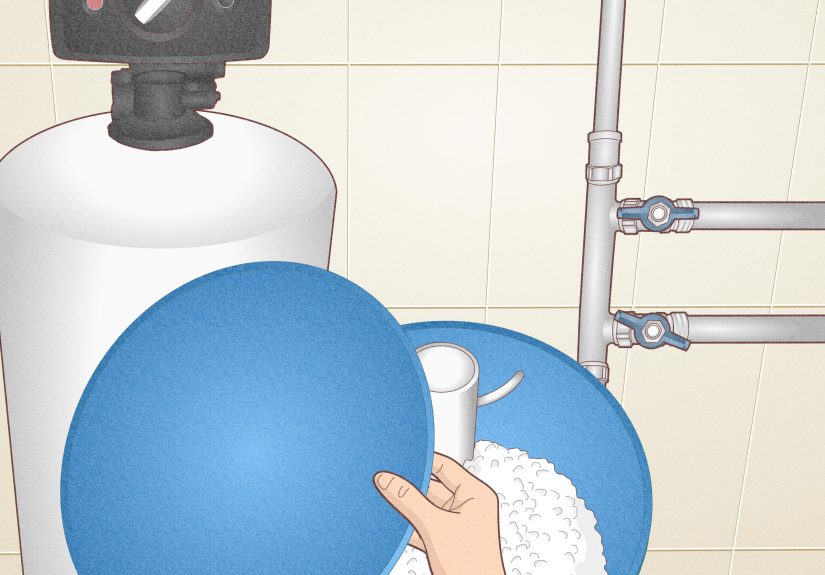
A whole-house water softener can reduce calcium and magnesium before the water reaches your fixtures. This can help prevent toilet bowl rings, scale on faucets, cloudy shower doors, and mineral buildup in appliances. If a full softening system is not practical, you can still reduce stains by using cleaners designed for mineral deposits and keeping a regular cleaning schedule.
Signs hard water may be causing your stains
- White, gray, or yellowish rings at the waterline
- Chalky buildup under the rim
- Scale on faucets or showerheads
- Soap that does not lather easily
- Spots on glassware or shower doors
If these signs appear around the home, your toilet bowl is probably not the only victim. It is simply the most dramatic one.
6. Treat Rust and Iron Stains Early
Orange or reddish-brown toilet stains usually point to iron, rust, or mineral-heavy water. These stains can become stubborn if ignored. The earlier you treat them, the easier they are to remove and prevent.
Use a toilet bowl cleaner labeled for rust or iron stains. Many rust removers are acidic, so follow the instructions carefully, wear gloves, ventilate the room, and never combine them with bleach or other cleaners. If stains return quickly after cleaning, the issue may be in the water supply or plumbing, not your cleaning routine.
When to investigate further
If every toilet, sink, and tub in your home develops orange stains, consider testing your water or contacting a plumber. Homes with well water may need filtration or treatment for iron. Older pipes may also contribute to discoloration.
Preventing rust stains is not only about scrubbing the bowl. Sometimes the real solution starts before the water ever reaches the toilet.
7. Avoid Harsh Scrubbing Tools That Damage Porcelain
When a stain refuses to leave, it is tempting to attack it with the most aggressive tool in the closet. But porcelain can scratch. Once scratched, the surface becomes easier for minerals and grime to cling to, which means future stains may show up faster. Congratulations, the stain now has a luxury apartment.
Use a soft or medium-bristle toilet brush for regular cleaning. For tough mineral deposits, a wet pumice stone may be used carefully on porcelain only, but it should stay wet and be used gently. Do not use it on plastic toilet seats, colored fixtures, polished surfaces, or anything the manufacturer warns against.
Tools to avoid
- Metal scouring pads
- Wire brushes
- Dry pumice on porcelain
- Razor blades or sharp scraping tools
- Overly abrasive powders used too often
The goal is to remove stains without turning the bowl surface into a mineral magnet.
8. Keep the Toilet Tank Healthy
The bowl gets the attention, but the tank quietly controls much of what happens. A weak flush may leave residue behind, while deteriorating rubber parts can affect water flow. Some drop-in tank tablets can also be harsh on tank components, especially when used continuously.
Check the tank occasionally. Make sure the flapper seals properly, the water level is correct, and the flush is strong enough to rinse the bowl. If the toilet runs, leaks, or flushes weakly, fix it early. A toilet that does not rinse well is more likely to stain.
Better habit
Instead of relying on automatic tank tablets, clean the bowl directly with a toilet-safe cleaner. This gives you more control and reduces the chance of exposing tank parts to chemicals for long periods.
9. Improve Bathroom Ventilation
Moisture is the unofficial sponsor of bathroom stains. Poor ventilation can encourage mold, mildew, odors, and bacterial films. After showers, baths, or toilet cleaning, run the exhaust fan for at least several minutes. If there is no fan, open a window when possible.
Good airflow helps surfaces dry faster. A drier bathroom gives mold and mildew fewer opportunities to settle in. It also makes cleaning products less overwhelming because fumes do not linger in a tiny enclosed space like an awkward conversation at a family dinner.
Ventilation checklist
- Use the exhaust fan during and after showers
- Keep the bathroom door open after cleaning when practical
- Open a window if available
- Wash bath mats regularly
- Do not store wet cleaning tools in sealed containers
Cleaner air supports a cleaner bowl. The bathroom fan is not just background noise; it has a job.
10. Build a Two-Minute Prevention Routine
Toilet stain prevention works best when it is easy. If your system requires twelve products, three alarms, and emotional preparation, you will not stick with it. A simple routine is better.
The two-minute routine
- Flush the toilet.
- Apply cleaner under the rim.
- Let it sit while you wipe the seat, lid, and handle.
- Brush the bowl and waterline.
- Flush again.
- Rinse and dry the brush if needed.
Do this weekly, and your toilet bowl will be much less likely to develop rings, streaks, rust marks, and mineral buildup. It is not glamorous, but neither is explaining to guests that the toilet is clean, “it just looks haunted.”
Best Natural Options for Preventing Toilet Bowl Stains
Natural cleaning methods can help with light buildup and routine maintenance. White vinegar is often used for mild mineral deposits because it is acidic. Baking soda can add gentle scrubbing power and help deodorize. However, natural does not automatically mean powerful enough for every stain.
For light stains, pour vinegar into the bowl, let it sit, brush, and flush. For extra cleaning power, sprinkle baking soda into the bowl after adding vinegar, allow the fizzing to settle, then scrub. This can help with mild rings and odors.
Still, heavy rust, thick limescale, or long-standing mineral deposits may need a commercial cleaner designed for those specific stains. Natural methods are useful, but they are not tiny wizards.
What Not to Do When Preventing Toilet Stains
Some cleaning habits make stains worse or create safety risks. Avoid these common mistakes:
- Do not mix bleach with vinegar or ammonia. Dangerous fumes can form.
- Do not scrub porcelain with metal tools. Scratches attract future stains.
- Do not ignore weak flushing. Poor rinsing allows residue to remain.
- Do not leave stains for months. Fresh buildup is easier to remove.
- Do not assume bleach removes hard water stains. Mineral deposits usually need acidic cleaners.
- Do not forget the rim. Hidden buildup can create visible streaks.
Preventing toilet stains is partly about what you do and partly about what you stop doing. Your future self, holding a less exhausted toilet brush, will be grateful.
How Often Should You Clean a Toilet Bowl to Prevent Stains?
For most homes, weekly cleaning is the sweet spot. Busy family bathrooms may need a quick brush more often. Rarely used toilets should be flushed weekly and cleaned at least every few weeks. Hard-water homes may need more frequent mineral control, especially around the waterline.
Here is a simple schedule:
- Daily: Flush fully after use and wipe visible splashes if needed.
- Weekly: Clean the bowl, rim, seat, lid, and handle.
- Monthly: Check for mineral buildup under the rim and inspect the tank.
- Seasonally: Watch for recurring rust, hard water, or flush problems.
The best cleaning schedule is the one you can actually follow. A realistic routine beats an ambitious routine that exists only in your imagination and a Pinterest board called “Dream Bathroom Energy.”
Experience-Based Tips: What Actually Works in Real Bathrooms
After dealing with toilet bowl stains in different types of homesapartments, older houses, guest bathrooms, hard-water areas, and the mysterious bathroom nobody admits usingone lesson becomes clear: prevention is easier than rescue. Once a thick mineral ring forms, cleaning turns into a personal challenge. You start as a responsible adult and end as a porcelain archaeologist.
The first experience-based tip is to clean before the toilet looks dirty. This sounds unfair, because cleaning something that still looks fine feels like doing homework before it is assigned. But that is exactly why it works. A bowl that gets a weekly brush rarely develops heavy rings. The stains never get the chance to harden. The brush glides around the bowl, the cleaner does its job, and the whole task ends before you can question your life choices.
The second lesson is that water quality matters more than most people think. In a soft-water home, a toilet may stay clean with basic weekly care. In a hard-water home, the same routine may need backup from a limescale or rust remover. If you see chalky buildup on faucets, crust around showerheads, or cloudy spots on glass, your toilet is probably fighting the same mineral battle. In that case, prevention means controlling mineral deposits early, not blaming yourself for every ring.
Another practical tip is to keep the toilet brush visible enough to use but stored neatly enough not to ruin the bathroom mood. If the brush is hidden behind six bottles, a laundry basket, and a decorative basket full of decorative baskets, nobody will use it. A decent brush with a ventilated holder makes quick cleaning easier. Rinse it after use, let it dry, and replace it when it starts looking like it has survived a medieval battle.
One surprisingly effective habit is brushing the waterline during quick bathroom cleanups. Even when you do not have time for a full cleaning session, a fast scrub around the ring zone can interrupt stain formation. This is especially helpful in bathrooms used by kids, guests, or anyone who treats flushing like an optional group activity.
For guest bathrooms, the biggest problem is often not useit is lack of use. Water sits, evaporates, and leaves minerals behind. A weekly flush can prevent that lonely toilet from developing a ring while it waits for Thanksgiving visitors. If you are leaving home for a while, clean the toilet before you go and make sure the bathroom has airflow when possible.
Product choice also matters. Many people reach for bleach first because it smells like “serious cleaning.” But bleach is not the hero for every stain. It can help disinfect and brighten some messes, but hard water and rust usually need acidic cleaners. Once you match the cleaner to the stain, the job becomes much easier. The toilet does not need more force; it needs the right chemistryused safely and one product at a time.
Finally, do not underestimate the flush. A weak flush leaves residue behind, and residue invites stains. If you have to flush twice often, hear the toilet running, or notice water trickling into the bowl, inspect the tank parts or call a plumber. Fixing a small flushing issue can reduce cleaning frustration and water waste at the same time.
The real secret to preventing toilet bowl stains is not perfection. It is rhythm. Flush unused toilets. Clean weekly. Treat minerals early. Ventilate the bathroom. Use the right product. Avoid scratching the porcelain. Do these simple things consistently, and your toilet bowl will stay cleaner with far less scrubbing. Your bathroom will look fresher, your cleaning routine will feel lighter, and your toilet brush may finally stop giving you that tired, disappointed look.
Conclusion
Learning how to prevent a toilet bowl from staining is mostly about staying one step ahead. Toilet stains are easier to prevent than remove, especially when hard water, iron, mold, or bacteria are involved. A clean bowl starts with regular brushing, proper cleaner selection, safe product use, good ventilation, strong flushing, and attention to water quality.
You do not need to turn bathroom cleaning into a weekend hobby. A few minutes each week can prevent rings, streaks, rust marks, and mineral buildup from taking over. Treat early stains quickly, avoid harsh tools, keep the rim clean, and remember: the toilet may not be the star of your home, but when it looks clean, the whole bathroom gets a promotion.