Table of Contents >> Show >> Hide
- Why older dogs need extra whelping support
- 14 Steps to Promote Safe Whelping for Older Dogs
- Step 1: Decide whether your dog should be bred at all
- Step 2: Get a pre-breeding exam and lab work
- Step 3: Time breeding carefully instead of guessing
- Step 4: Keep your dog fit, not fluffy
- Step 5: Feed a balanced diet and adjust it at the right time
- Step 6: Do not play pharmacist with calcium
- Step 7: Use imaging late in pregnancy
- Step 8: Set up the whelping area early
- Step 9: Monitor for signs that labor is approaching
- Step 10: Build an emergency plan before labor starts
- Step 11: Supervise labor without trying to “manage” every minute
- Step 12: Know the red flags that mean call the vet now
- Step 13: Support the first 24 hours after birth
- Step 14: Watch for postpartum complications for the next two to three weeks
- Extra tips that make a real difference
- Common Real-World Experiences With Older-Dog Whelping
- Conclusion
Note: This article is for educational purposes and should not replace your veterinarian’s instructions. With older pregnant dogs, “wait and see” is sometimes code for “wish I had called sooner.”
An older pregnant dog does not automatically equal disaster. Plenty of mature dams do just fine. But older dogs are more likely to need careful planning, closer monitoring, and faster veterinary decision-making than younger mothers in their prime breeding window. In plain English: when your dog is carrying puppies later in her reproductive life, you want less guesswork, less heroics, and a whole lot more preparation.
That matters because age can change the reproductive equation. Fertility may decline, the uterus may not contract as efficiently, and underlying issues such as poor body condition, uterine disease, or metabolic trouble can make labor harder than it looks from the outside. Add a single oversized puppy, a small litter, a brachycephalic breed, or an overweight mom, and the whelping room can go from peaceful nursery to emergency theater in a hurry.
The good news is that safe whelping for older dogs is not mysterious. It is mostly about stacking the odds in your dog’s favor: screening before breeding, controlling weight, feeding smart, tracking the due date, preparing a calm whelping area, knowing exactly what normal labor looks like, and having an emergency plan that is more detailed than “we’ll figure it out.” Charming optimism is not a medical protocol.
Why older dogs need extra whelping support
“Older” is relative. A healthy five-year-old large-breed dog and a healthy five-year-old toy breed are not living the exact same biological story. Still, many veterinarians become more cautious once a bitch is past her lowest-risk breeding years, and extra health screening is especially important for bitches over five. That is because older dams can be more prone to reproductive inefficiency, uterine inertia, and problems that reduce the margin for error during labor.
Another reason for caution is that repeated heat cycles increase exposure to hormones that can promote cystic endometrial changes and raise the risk of pyometra. In other words, age is not just about birthdays. It is also about what the reproductive tract has been through. That is why safe whelping starts long before the first contraction.
14 Steps to Promote Safe Whelping for Older Dogs
Step 1: Decide whether your dog should be bred at all
This is the first and most important step. Not every older female dog is a good candidate for pregnancy, even if she looks lively enough to chase squirrels like she still pays no taxes. Talk with a veterinarian who is comfortable with canine reproduction and ask the hard questions: Is her overall health good? Is her body condition appropriate? Does her breed face higher C-section risk? Has she had previous pregnancy or delivery problems? Is she carrying any chronic disease that could make anesthesia, labor, or nursing dangerous?
Sometimes the safest answer is to skip breeding. That is not failure. That is responsible dog care with excellent judgment and fewer midnight regrets.
Step 2: Get a pre-breeding exam and lab work
For older dogs, a basic “she seems fine” glance is not enough. A proper pre-breeding workup may include a physical exam, reproductive exam, blood work, chemistry panel, urinalysis, and discussion of medications, supplements, vaccination timing, and parasite prevention. If your dog is older, this step matters even more because subtle metabolic or organ issues can show up during pregnancy, labor, or recovery.
This is also the time to screen for breed-specific inherited concerns and discuss Brucella testing. If you discover a problem before breeding, you get choices. If you discover it during stage-two labor, you get stress.
Step 3: Time breeding carefully instead of guessing
Safe whelping begins with accurate timing. Vaginal cytology and progesterone testing help identify ovulation far more precisely than calendar counting and hopeful vibes. That precision is gold for older dogs because it gives you a more accurate due window and helps your veterinarian judge whether labor is delayed, normal, or becoming dangerous.
It also helps if an elective or emergency C-section is ever needed. When you know ovulation timing, you and your veterinary team are not trying to solve a biological escape room with half the clues missing.
Step 4: Keep your dog fit, not fluffy
Body condition has a major impact on pregnancy and labor. Overweight dams face a higher risk of dystocia, and obesity can also reduce milk production after birth. Underweight dogs are no prize either, because poor reserves can affect fetal growth, litter size, and postpartum recovery.
The goal is a healthy, athletic body condition before pregnancy even starts. Older dogs do not need “extra padding for the puppies.” They need strong muscle tone, steady conditioning, and a waistline that does not require a committee meeting to locate.
Step 5: Feed a balanced diet and adjust it at the right time
During the first two trimesters, many pregnant dogs do well on an appropriate adult diet if they were already in good condition. The major nutritional jump usually happens after about day 40, when the puppies grow rapidly and the mother’s calorie needs rise. In late pregnancy, many veterinarians recommend a highly digestible growth or puppy formula, often divided into smaller meals because the growing uterus crowds the stomach.
Do not switch to random homemade feeding plans because a social media comment said “nature knows best.” Nature also invented dystocia, so let’s stay grounded. A reputable, complete, balanced diet is the safer bet unless a veterinary nutritionist tells you otherwise.
Step 6: Do not play pharmacist with calcium
This one surprises many owners. More calcium is not automatically better. In fact, routine calcium supplementation during pregnancy is generally not recommended unless your veterinarian specifically advises it. Excessive calcium can interfere with the body’s normal calcium regulation and may actually increase the risk of eclampsia later.
For older dams, the smarter strategy is simple: feed a balanced pregnancy/lactation-appropriate diet, avoid DIY supplements, and ask your vet before adding anything that comes in a jar, tub, chew, powder, paste, or suspicious “all natural miracle” packet.
Step 7: Use imaging late in pregnancy
Ultrasound can help confirm pregnancy earlier, but late-pregnancy radiographs are especially useful when you are trying to promote safe whelping. They can help count puppies, estimate fetal size, and give your veterinarian a better sense of what labor should look like. That matters a lot in older dogs, where a small litter can mean larger puppies and a harder delivery.
Example: an older Bulldog carrying one or two large puppies is a very different whelping case from a young medium-breed dog carrying seven evenly sized pups. One is a routine watch. The other is a “know your emergency clinic’s parking lot by heart” situation.
Step 8: Set up the whelping area early
Your dog should not meet her whelping box for the first time when contractions start. Set up a clean, dry, quiet, draft-free area at least a week ahead of time so she can investigate, settle, and accept it as her nest. Use washable bedding, absorbent pads, and a box large enough for her to stretch out while still keeping puppies contained.
Non-slip footing matters. So does privacy. A familiar environment can reduce stress, and a stressed dam may delay delivery or behave poorly with newborns. Older dogs often handle change less casually than younger ones, so give her time to settle in before the big day.
Step 9: Monitor for signs that labor is approaching
In the final week, track your dog’s appetite, nesting behavior, restlessness, and rectal temperature if your veterinarian recommends it. Many dogs show a temperature drop below 100°F within about 24 hours before labor begins. They may also become clingy, stop eating, pant, dig bedding, or act like interior decorators with questionable taste.
Good record-keeping is your friend here. Write down temperature changes, due dates, and any unusual discharge or behavior. An older dog in labor is not the moment to trust your memory after three coffees and no sleep.
Step 10: Build an emergency plan before labor starts
If your dog is older, assume you may need help and prepare accordingly. Keep your regular veterinarian’s number, the nearest emergency hospital, driving directions, the estimated due date, and your dog’s medical records in one place. Ask in advance whether the clinic can perform emergency or planned C-sections, and what signs should trigger a call.
If your breed is at high risk for dystocia, or if imaging suggests oversized puppies or a tiny litter, discuss whether a planned C-section is safer than waiting for an emergency. Planned decisions are usually calmer, faster, and kinder than improvised panic.
Step 11: Supervise labor without trying to “manage” every minute
When labor begins, stay observant but avoid turning the room into a reality show. Many dogs deliver puppies perfectly well with calm human supervision and minimal interference. Your job is to monitor, document, and call for help if labor moves outside the normal pattern.
Older dogs may tire faster, and some first-time older dams can become anxious or awkward with puppies. Quiet presence works better than a crowd of excited spectators providing twelve conflicting opinions and one flashlight nobody asked for.
Step 12: Know the red flags that mean call the vet now
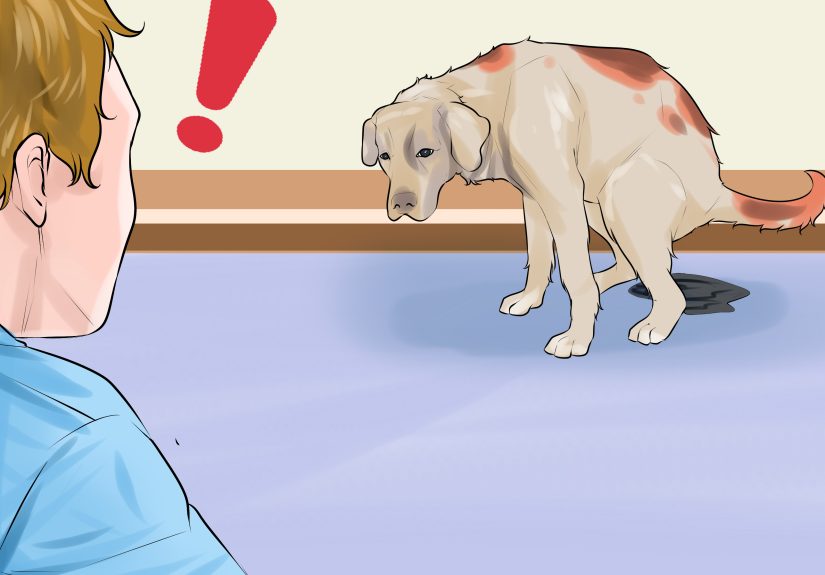
This is the step that saves lives. Contact a veterinarian immediately if your dog shows intense straining for more than about 30 minutes without producing a puppy, weak or intermittent labor for several hours without a puppy, a gap of roughly three hours between puppies when more are expected, foul-smelling discharge, collapse, fever, or obvious distress. Dark green or black discharge before the first puppy, or while more puppies are still inside, also deserves urgent veterinary guidance.
Likewise, if your dog seems overdue and you know ovulation timing, do not casually keep waiting because “she’s probably taking her time.” Older dams deserve a lower threshold for intervention, not a longer leash for uncertainty.
Step 13: Support the first 24 hours after birth
Once the puppies arrive, whelping is not “done.” Watch that each puppy nurses, stays warm, and appears vigorous. Check that the mother is comfortable, responsive, and willing to care for them. Offer water, frequent meals, and a chance to go outside briefly. Monitor her vaginal discharge, appetite, temperature if advised, and general attitude.
If she had a hard delivery, a long labor, or a C-section, postpartum monitoring is even more important. A tired mother may need help positioning puppies to nurse, and an older dog may recover more slowly than a young dam bouncing back like she has a personal trainer.
Step 14: Watch for postpartum complications for the next two to three weeks
Older dogs are not finished needing attention once the puppies are born. Postpartum trouble can show up days later. Metritis may cause foul or pus-like discharge, fever, poor appetite, lethargy, or neglect of the puppies. Mastitis can make the mammary glands swollen, hot, painful, or produce abnormal milk. Eclampsia, a true emergency, often appears during heavy lactation and can cause panting, restlessness, stiff gait, trembling, weakness, or seizures.
If you see any of those signs, call your vet immediately. The safest mindset is this: postpartum is part of whelping, not the end credits.
Extra tips that make a real difference
Keep the room calm and familiar
Dogs do not need a birth playlist, mood lighting, and an audience. A quiet, familiar environment reduces stress, supports maternal behavior, and helps milk letdown. That is helpful for any dog, but especially for an older or first-time dam that may be more cautious or anxious.
Record everything
Write down when labor signs begin, when each puppy is born, how long the gaps are between puppies, and whether placentas passed. Good notes help your veterinarian make faster decisions. Memory is not a medical device.
Prioritize sanitation
Keep bedding clean and dry. Dirty, damp whelping areas raise the risk of puppy illness and mammary infections. Cleanliness is not glamorous, but it is one of the cheapest safety tools you have.
Common Real-World Experiences With Older-Dog Whelping
Here is what people often learn the hard way with older pregnant dogs: the easy cases usually looked “boring” because the owner planned well. The harder cases often began with a sentence like, “She seemed fine, so we thought we’d just watch her.” That is the emotional trap. Mature dams can look calm right up until labor stalls, a puppy malpositions, or the mother becomes exhausted. Safe whelping for older dogs is rarely about dramatic rescue skills. It is more often about noticing subtle clues early and acting before the situation turns ugly.
A common successful pattern looks like this: the owner schedules a pre-breeding exam, confirms timing with progesterone testing, keeps the dog lean, gets late-pregnancy X-rays, sets up the whelping area ahead of time, and talks through emergency criteria with the veterinarian. When labor starts, the owner is calm because the plan already exists. The dog rests in a familiar box, contractions begin normally, and the owner logs each milestone instead of guessing. If there is a delay, the vet is called early, not after an all-night internet search spiral. These are the cases that feel smooth because good decisions were made long before the first puppy arrived.
A more stressful pattern is the older first-time mother with a small litter. Because there are fewer puppies, each one may be larger, which can make delivery tougher. Owners sometimes expect a quick birth because “there are only two.” Instead, the mother strains hard, nothing appears, and fatigue sets in fast. In that scenario, a low threshold for veterinary help matters enormously. What looks like patience can actually become dangerous waiting.
Another frequently reported issue is false confidence after the puppies are born. The owner finally exhales, assumes the crisis is over, and then misses the next problem: the dam stops eating, develops a fever, pants constantly, or starts walking stiffly while nursing. Those postpartum changes may point to metritis, mastitis, or eclampsia. With older dogs, recovery deserves as much respect as labor itself. Experienced breeders often say the smartest habit is continued observation for at least the first few weeks, especially during peak milk production.
There is also the emotional side. People often feel guilty calling the vet “too soon,” as though caution is embarrassing. In real life, veterinary teams would rather hear from you early than receive a dehydrated, exhausted, distressed dog hours later. Safe whelping for older dogs is not about proving how independent you are. It is about giving the mother and puppies the best odds possible.
If there is one experience-based lesson that rises above the rest, it is this: mature dams reward preparation. The owners who do best are usually the ones who respect age, take nothing for granted, and treat every unusual sign as meaningful until proven otherwise. That mindset is not overprotective. It is exactly how you promote a safer, calmer, and more successful whelping.
Conclusion
Promoting safe whelping for older dogs comes down to thoughtful preparation and quick recognition of trouble. Start with a real veterinary screening, keep your dog in proper condition, feed a balanced late-pregnancy diet, avoid unnecessary supplements, confirm puppy numbers, prepare the whelping area early, and know the labor red flags cold. The best outcome usually belongs to the owner who plans for a routine birth while staying fully prepared for a C-section, postpartum emergency, or hand-holding call to the vet at 2:13 a.m. Responsible, calm, informed care is the real superpower here.