Table of Contents >> Show >> Hide
- Why Camellias Need a Different Pruning Approach
- When to Prune Camellia Bushes
- Tools You’ll Want Before You Start
- How to Prune Camellia Bushes Step by Step
- How to Prune an Overgrown Camellia
- Should You Remove Suckers or Water Sprouts?
- Aftercare: What to Do Once Pruning Is Done
- Common Camellia Pruning Mistakes
- Quick FAQ
- Experience From the Garden: What Pruning Camellias Really Feels Like
- Final Thoughts
- SEO Tags
Camellias are the aristocrats of the shrub world. They show up in the cool season wearing glossy evergreen leaves and blooms so polished they look like they hired a stylist. Then spring rolls around, and many gardeners make one fateful decision: they grab hedge trimmers and give the poor thing a haircut like it just enlisted. That, in technical gardening language, is not ideal.
If you want healthier growth, better airflow, stronger structure, and more flowers next season, camellia pruning is less about “cutting it back” and more about cutting it smart. These shrubs usually need only light, thoughtful pruning. The goal is to keep their natural form, remove problem wood, and guide growth without turning a graceful plant into a green meatball.
In this guide, you’ll learn when to prune camellia bushes, how to prune them without wrecking next year’s blooms, what tools to use, how to handle an overgrown camellia, and which common mistakes send flowers into early retirement. Whether you grow Camellia japonica, Camellia sasanqua, or a mystery camellia that came with the house, the principles are simple once you know the rhythm of the plant.
Why Camellias Need a Different Pruning Approach
Camellias are not fast, frantic growers that demand constant shaping. In fact, one of the most common mistakes is pruning them too much. Most mature camellias look their best when allowed to keep their natural, layered structure. A light touch usually beats a dramatic makeover.
That is because camellias bloom on wood that formed earlier. If you prune at the wrong time, you do not just remove leaves and twigs. You remove future flowers. In other words, bad timing can turn a bloom-loaded shrub into an evergreen wall of regret.
Pruning also affects more than appearance. Done correctly, it can:
- remove dead, damaged, or diseased wood,
- improve light penetration inside the canopy,
- increase airflow and reduce overcrowding,
- manage size without ruining the shrub’s shape,
- help older plants regain vigor.
Done poorly, it can create weak regrowth, invite stress, and reduce flowering for a season or more.
When to Prune Camellia Bushes
The golden rule: prune after flowering
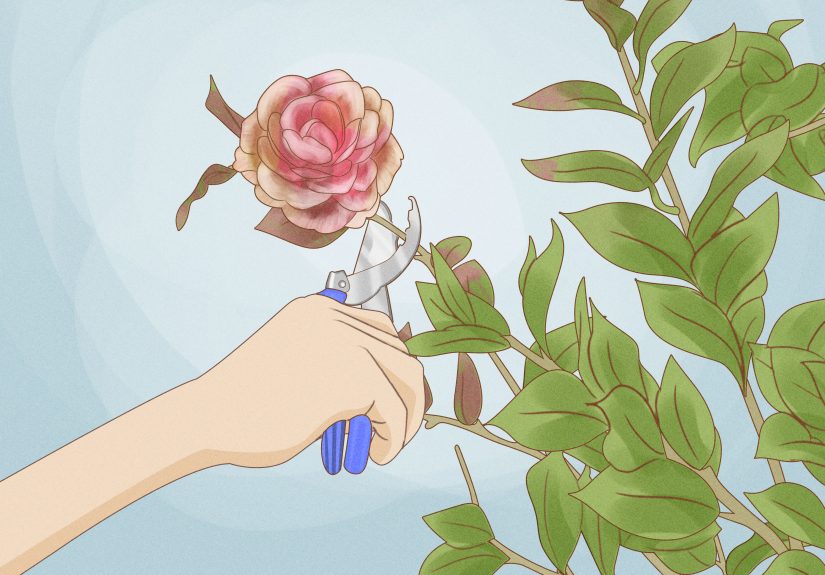
The best time to prune camellias is after they finish blooming. That is the big rule, the useful rule, and the rule that saves you from accidentally chopping off next season’s buds. Once flowers fade, the plant moves into active growth, which gives pruning cuts time to heal and new shoots time to mature before the next bud-setting cycle.
For many gardeners, the exact month depends on the kind of camellia:
- Camellia japonica usually blooms from winter into early spring, so pruning often happens in spring after the last flowers drop.
- Camellia sasanqua typically blooms in fall to early winter, so the pruning window comes later in winter or spring, depending on local climate and bloom finish.
The real key is not the calendar by itself. It is the plant. Watch the bloom cycle. When the flowering show is over, that is your cue.
Why late pruning causes problems
Camellias begin preparing future flower buds well before the next blooming season. If you prune too late in summer or fall, you are likely to remove developing buds. That means fewer flowers, and possibly a lot of confused staring at an otherwise healthy shrub next winter.
As a rule of thumb, major pruning should be completed in the period soon after bloom and not delayed into late summer. Light removal of dead or diseased wood can be done anytime, but shaping and size control belong earlier.
What if you missed the right window?
If you missed the ideal time, resist the urge to “fix it anyway” with heavy cuts in late season. Unless the shrub has dead, broken, or diseased branches, wait until after the next bloom cycle. Camellias are patient plants. Your pruning should be patient too.
Tools You’ll Want Before You Start
You do not need an arsenal. You need sharp, clean tools and a little restraint. For most camellia pruning jobs, these are enough:
- hand pruners for small stems,
- loppers for medium branches,
- a pruning saw for older wood,
- gloves, especially if the shrub is dense,
- disinfectant for tools if you are removing diseased wood.
Sharp tools matter because clean cuts heal faster than ragged ones. Skip the powered hedge trimmer unless your life goal is to make a camellia look like a giant green ottoman. For these shrubs, selective hand pruning gives a far better result.
How to Prune Camellia Bushes Step by Step
1. Start with the obvious troublemakers
Before you shape anything, remove the “problem branches” first:
- dead branches,
- damaged wood,
- diseased stems,
- crossing or rubbing branches,
- weak interior twigs that clutter the center.
This alone can dramatically improve the shrub. It also lets you see the plant’s structure more clearly before making aesthetic cuts.
2. Thin, do not shear
The best pruning cuts for camellias are usually thinning cuts. That means removing an entire branch back to a larger branch or main stem, instead of chopping everything to the same outer shell. Thinning keeps the shrub looking natural, encourages light inside the canopy, and avoids the dense outer crust that shading creates.
Shearing, by contrast, stimulates lots of shallow outer growth and often leaves the interior bare, crowded, and unhappy. Camellias are elegant by nature. Let them keep some dignity.
3. Cut back to a branch junction, not into empty space
When shortening a long limb, trace it back to a side branch or a healthy bud pointing in the direction you want growth to go. Do not leave stubs. Stub cuts heal poorly and can become entry points for disease. Make cuts cleanly and neatly, close to the branch collar where appropriate, without gouging into it.
4. Open the center a little
Older camellias often benefit from selective interior thinning. Remove a few small inner branches so air and light can move through the shrub. This helps reduce the risk of dieback in crowded canopies and makes the plant healthier overall. You are not trying to hollow it out like a pumpkin. You are just giving it breathing room.
5. Keep size control gradual
If your camellia is pressing against windows, walkways, or other plants, avoid hacking it all the way down in one enthusiastic weekend. Reduce height and width gradually, taking out whole branches where possible. This keeps the shrub balanced and avoids a shock response that produces coarse regrowth.
A good general rule for routine pruning is to avoid removing more than about one-third of the canopy at one time. Less is often better.
How to Prune an Overgrown Camellia
Sometimes a camellia has gone from “lovely evergreen shrub” to “silent property-line takeover.” In that case, you may need renovation pruning.
With an overgrown plant, begin by deciding what you want the final structure to be. Then remove the oldest, tallest, or most awkward branches first. Space the cuts throughout the plant so the remaining framework still looks balanced. On very large shrubs, it is often wise to spread major reduction over two or even three seasons rather than doing everything at once.
If the shrub truly needs severe renewal pruning, understand the trade-off: you may lose a season of strong bloom while the plant focuses on regrowth. That is normal. Think of it as a reset, not a failure.
If your camellia is grafted, be extra cautious with drastic cutbacks. Severe pruning that goes too low can encourage growth from below the graft rather than from the desired top growth. When in doubt, keep a visible framework above the graft union.
Should You Remove Suckers or Water Sprouts?
Yes. If you see vigorous upright shoots that disrupt the form of the shrub, remove them selectively. Likewise, if shoots arise from below a graft union, they should be removed promptly because they can divert energy and may not match the cultivar you want.
Fast, awkward vertical shoots are basically the camellia version of bed hair. Handle them early and the rest of the shrub looks calmer.
Aftercare: What to Do Once Pruning Is Done
Once you finish pruning, resist the urge to fuss over every cut. Camellias do not need wound paint or pruning sealants in most home garden situations. What they do appreciate is solid general care:
- water during dry spells, especially after heavier pruning,
- maintain mulch, but keep it away from direct contact with the trunk,
- avoid overfertilizing,
- watch for tea scale and other pest problems on leaf undersides,
- monitor new growth and make only light follow-up cuts if needed.
If the shrub was very dense before pruning, you may also notice that inspection and treatment for pests becomes easier afterward. Better airflow and better spray coverage are welcome side benefits.
Common Camellia Pruning Mistakes
- Pruning too late: This is the classic flower-removal mistake.
- Using hedge shears for everything: Fast, but usually ugly.
- Leaving stubs: They do not help the plant and may create problems.
- Removing too much at once: Major shock leads to messy regrowth and fewer blooms.
- Ignoring the interior: Dense shrubs need some selective thinning for air and light.
- Forcing geometric shapes: Camellias are not born wanting to be cubes.
Quick FAQ
Can I prune camellias in fall?
Only for emergency cleanup of dead, broken, or diseased wood. Fall shaping usually removes future buds.
Can I prune camellias into a tree form?
Yes. Many gardeners gradually remove lower limbs to expose attractive trunks. Do it slowly and keep the overall structure balanced.
Will pruning make camellias bloom more?
Not necessarily more in the immediate term. Proper pruning can improve plant health, structure, light, and airflow, which supports better flowering over time. Heavy pruning may reduce blooms the following season.
Do camellias need annual pruning?
No. Many only need occasional grooming, not a yearly haircut.
Experience From the Garden: What Pruning Camellias Really Feels Like
If you have never pruned a camellia before, the first experience can be strangely emotional. The shrub is usually full, glossy, and a little intimidating, especially if it has not been touched in years. At first glance, it looks like one wrong cut could ruin everything. Then you step closer, part the branches, and realize the plant has been asking for help in a very polite evergreen way.
I have found that the biggest shift happens when you stop thinking like a barber and start thinking like an editor. A barber removes bulk. An editor removes what does not belong. On a mature camellia, that means spotting the dead twig hidden in the center, the branch rubbing against its neighbor, the awkward shoot aiming straight into the middle, and the long limb leaning out like it is trying to hail a taxi.
The first few cuts often feel too small to matter. Then suddenly the whole shrub starts to make sense. Light reaches places that were dark before. The plant looks less tense. The shape appears more graceful, even though you may have removed only a handful of branches. That is one of the most satisfying parts of camellia pruning: subtle work produces visible improvement.
There is also a lesson in patience. With faster shrubs, you can prune aggressively and watch them bounce back almost immediately. Camellias are different. They do not reward impulsive gardeners. They reward observant ones. If you prune them just after flowering and leave the basic architecture intact, the shrub tends to respond with calm, steady growth instead of a burst of chaotic shoots. It is a little like dealing with an elegant houseguest. Good manners matter.
Overgrown camellias are their own adventure. The first time I worked on one that had swallowed part of a front walk, I expected the process to be dramatic. In reality, the best results came from restraint. Removing one oversized limb from the top and another from deep inside the shrub did more than clipping twenty branch tips on the outside ever could. By the end, the camellia still looked like a camellia, just one that had rediscovered its posture.
Another practical truth: pruning reveals what the plant has been dealing with. Dense old shrubs often hide dead interior wood, scale issues, weak twiggy growth, and branches that have been crossing for years. Once opened up, they are easier to inspect, easier to treat, and easier to appreciate. A pruned camellia does not just look better from the curb. It becomes easier to care for the rest of the year.
And yes, there is always the temptation to keep going. That is when it is time to put the pruners down, walk away, and look from a distance. Camellias teach moderation better than most shrubs. When you stop at “improved” rather than chasing “perfect,” the plant usually thanks you with a healthier shape and better blooming potential next season.
So if your camellia seems unruly, do not panic and do not buzz it into a green helmet. Wait for the right time, make thoughtful cuts, and trust the plant’s natural form. In my experience, camellias are far more forgiving of careful pruning than of overconfident pruning. The difference is not subtle. One gives you a refined shrub with room to bloom. The other gives you a cautionary tale visible from the street.
Final Thoughts
Pruning camellia bushes is not difficult, but it does reward timing and restraint. Prune after flowering, remove dead and crowded wood first, use thinning cuts instead of shearing, and avoid heavy late-season pruning that removes future buds. For overgrown shrubs, reduce size gradually whenever possible and expect severe renovation to affect flowering for a season.
The best camellia pruning jobs are the ones that do not scream, “Somebody pruned this.” They simply leave behind a healthier, better-shaped shrub that still looks natural, still feels elegant, and still knows how to put on a floral performance when the season arrives. Which, for a camellia, is really the whole point.