Table of Contents >> Show >> Hide
- Before You Start: Should a Sucker Fish Live With a Turtle?
- How to Put a Sucker Fish in a Tank With a Turtle: 14 Steps
- 1. Identify the exact “sucker fish” species
- 2. Evaluate your turtle’s personality
- 3. Make sure the tank is large enough
- 4. Confirm the turtle habitat is already stable
- 5. Test and cycle the water first
- 6. Match temperature needs for both animals
- 7. Upgrade filtration and oxygenation
- 8. Quarantine the sucker fish before introduction
- 9. Feed the turtle before adding the fish
- 10. Provide hiding places the turtle cannot enter
- 11. Choose a fish that is too large to be swallowed, but not huge
- 12. Acclimate the sucker fish slowly
- 13. Watch the first hours closely
- 14. Maintain a backup plan forever
- Best Sucker Fish Options for Turtle Tanks
- Common Mistakes to Avoid
- Extra Experience: What Real Turtle Keepers Learn the Hard Way
- Conclusion
Adding a sucker fish to a turtle tank sounds like the perfect pet-care shortcut: the turtle gets company, the fish eats algae, and you get a sparkling aquarium without lifting a finger. Lovely idea. Unfortunately, aquatic turtles did not get the memo. Many turtles are curious, messy, opportunistic eaters, and perfectly willing to treat a new fish like a swimming snack with decorative fins.
That does not mean it is impossible to keep a sucker fish with a turtle, but it does mean you need a plan. In pet stores, the phrase “sucker fish” usually refers to plecostomus species, especially common plecos or bristlenose plecos. These fish use their sucker-shaped mouths to graze on algae, biofilm, driftwood, and leftover foods. They are hardy in the right setup, but they are not magical tank janitors. They produce waste, need hiding places, require stable water, and can become stressed or injured if housed with an aggressive turtle.
This guide explains how to put a sucker fish in a tank with a turtle in 14 practical steps. You will learn how to choose the right fish, prepare the turtle tank, reduce stress, monitor behavior, and build a backup plan before trouble starts. The goal is not just to “drop the fish in and hope.” The goal is to create a setup where both animals have enough space, clean water, proper food, and a fair chance to thrive.
Before You Start: Should a Sucker Fish Live With a Turtle?
The honest answer is: sometimes, but not always. Aquatic turtles such as red-eared sliders, painted turtles, map turtles, and cooters are often strong swimmers with healthy appetites. Some ignore fish for years. Others chase anything that moves within five minutes. A sucker fish can also create problems if it is too small, too slow, sick, or placed in a cramped tank. Large plecos can become territorial, and some owners report fish attaching to turtle shells or bothering resting turtles.
Before introducing a sucker fish, accept three truths. First, the turtle may eat or injure the fish. Second, the fish may add more waste than algae control is worth. Third, you should never add any animal unless you can care for it separately if the pairing fails. In other words, the backup tank is not optional; it is your peace treaty.
How to Put a Sucker Fish in a Tank With a Turtle: 14 Steps
1. Identify the exact “sucker fish” species
Do not buy a fish labeled only as “algae eater” or “sucker fish” and call it a day. That label can describe several species with very different adult sizes and care needs. A common pleco may eventually grow far too large for many home aquariums. A bristlenose pleco usually stays smaller and is often a better choice for experienced keepers with enough space. Chinese algae eaters, meanwhile, can become aggressive as they mature and are generally not ideal turtle companions.
Ask for the scientific or common species name, expected adult length, diet, temperature range, and temperament. If the seller cannot answer basic questions, pause the purchase. A mystery fish in a turtle tank is not an experiment; it is a potential rescue mission wearing fins.
2. Evaluate your turtle’s personality
Some turtles are calm. Some are tiny armored chaos machines. Watch your turtle before adding any fish. Does it chase feeder fish? Bite decorations? Attack your hand during feeding? Snap at bubbles? If your turtle already behaves like every moving object is lunch, a sucker fish is not a good roommate.
Juvenile turtles can be especially fish-focused because they often eat more animal protein than older turtles. Adult turtles may become more herbivorous depending on species, but they can still hunt. A turtle that ignores fish in one tank may act differently after a move, during hunger, or when a fish rests near its favorite basking ramp.
3. Make sure the tank is large enough
Space is the foundation of success. Aquatic turtles need roomy tanks because they swim, bask, explore, and produce a lot of waste. A common rule for aquatic turtles is about 10 gallons of water capacity per inch of shell length. That is only for the turtle. When you add a sucker fish, you add another animal with its own territory, oxygen needs, food needs, and waste load.
For many turtle-and-pleco setups, a 75-gallon tank is a more realistic starting point than a small aquarium. Larger adult turtles and common plecos may need 100 gallons or more. If your setup is already crowded, do not add a fish. Upgrade the tank first, then think about tank mates.
4. Confirm the turtle habitat is already stable
A healthy turtle tank should have clean swimming water, a dry basking area, proper heat, UVB lighting, and a filter strong enough for turtle waste. If your turtle tank is cloudy, smelly, too cold, or constantly covered in uneaten food, adding a sucker fish will not solve the problem. It will make the problem more crowded.
Before adding the fish, make sure the basking dock is secure, the turtle can fully dry off, and the lighting schedule is consistent. A stressed turtle is more likely to act aggressively, and a poorly maintained tank can quickly harm both turtle and fish.
5. Test and cycle the water first
A sucker fish should never be added to an uncycled turtle tank. In a cycled aquarium, beneficial bacteria help convert ammonia from waste into less harmful compounds. Without that biological filter, ammonia and nitrite can rise quickly. Turtles are hardy, but fish often show stress sooner.
Use an aquarium test kit before introducing the fish. Ideally, ammonia should be 0 ppm, nitrite should be 0 ppm, and nitrate should be controlled with regular partial water changes. Test pH and temperature as well. Clear water is not always safe water; it can look like a mountain stream and still have chemistry that says, “absolutely not.”
6. Match temperature needs for both animals
Most aquatic turtle tanks are kept warm, often in the mid-70s Fahrenheit, depending on species and age. Many plecos also prefer warm, well-oxygenated freshwater, but exact ranges vary by species. A bristlenose pleco, for example, generally fits many tropical freshwater setups better than a cold-water fish would.
Use a reliable thermometer rather than guessing by touching the glass. If the water is too cool, the fish may become sluggish and the turtle may digest food poorly. If it is too warm, oxygen levels can drop and stress can rise. Stable temperature matters more than dramatic “perfect” numbers.
7. Upgrade filtration and oxygenation
Turtles are famously messy. A pleco adds even more waste, especially because many plecos are active grazers with busy digestive systems. Choose a powerful canister filter or high-capacity turtle-safe filtration system. Many keepers use filters rated above the actual tank size because turtle tanks carry a heavier waste load than ordinary fish tanks.
Good filtration should include mechanical filtration for debris, biological filtration for beneficial bacteria, and regular maintenance. Add water movement or aeration if needed, since plecos appreciate oxygen-rich water. Do not clean all filter media at once under untreated tap water, because that can damage the beneficial bacteria you worked so hard to build.
8. Quarantine the sucker fish before introduction
Quarantine is one of the most skipped steps, and also one of the most useful. Keep the sucker fish in a separate, fully cycled quarantine tank for two to four weeks. Watch for signs of disease, parasites, unusual spots, ragged fins, labored breathing, or refusal to eat.
Quarantine protects your turtle and gives the fish time to recover from transport stress. It also lets you confirm that the fish is eating properly. A weak fish placed directly into a turtle tank is basically arriving at a gladiator arena with a packed lunch and no map.
9. Feed the turtle before adding the fish
Introduce the sucker fish when the turtle is calm and recently fed. A hungry turtle is more likely to investigate with its mouth, which is not ideal unless you are auditioning for “Aquarium Disaster Theater.” Feed the turtle its normal diet first, remove leftovers, and wait until the tank is peaceful.
Do not overfeed the turtle just to prevent hunting. Overfeeding can dirty the water and cause health problems. The point is simply to avoid introducing the fish during peak feeding excitement.
10. Provide hiding places the turtle cannot enter
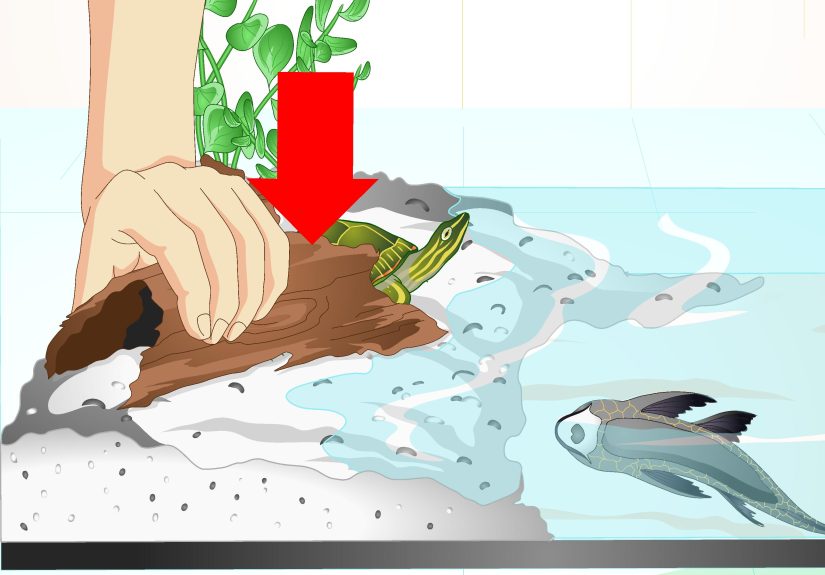
A sucker fish needs secure hiding spots. Use smooth driftwood, caves, large rocks, or aquarium-safe hides with openings big enough for the fish but too small for the turtle’s head or shell. Plecos often rest during the day and become more active at night, so daytime shelter is essential.
Check every decoration carefully. Avoid sharp edges, unstable rock piles, or tight spaces where the turtle could get stuck. Turtle-proofing is different from fish decorating. A hide that looks adorable in a fish tank can become a turtle trap if it shifts or pinches.
11. Choose a fish that is too large to be swallowed, but not huge
A tiny sucker fish is an easy target. A very large pleco may outgrow the tank, produce heavy waste, or become difficult to rehome. The safest middle ground depends on your turtle species, turtle size, tank volume, and fish species. In general, avoid baby plecos with adult turtles and avoid common plecos unless you have a truly large setup.
Remember that plecos have armored bodies and fin spines. If a turtle tries to eat one, both animals can be injured. This is one reason “let nature decide” is not responsible advice. Your job is to prevent dangerous matchups before they happen.
12. Acclimate the sucker fish slowly
When the quarantine period is complete and the turtle tank is ready, acclimate the fish gradually. Float the transport bag or container in the tank to equalize temperature, then slowly mix small amounts of turtle-tank water into the fish’s container over time. This reduces shock from temperature or water chemistry differences.
Use a net to transfer the fish rather than pouring store or quarantine water into the turtle tank. Keep the lights dim during introduction. A calm environment gives the fish a better chance to find shelter before the turtle begins its inspection tour.
13. Watch the first hours closely
The first few hours matter. Stay nearby and observe. Normal curiosity may include the turtle swimming toward the fish, looking at it, or briefly following it. Warning signs include repeated biting attempts, cornering, chasing, shell-rubbing by the fish, damaged fins, frantic swimming, or the fish clinging to the turtle.
If aggression happens, separate them immediately. Do not wait for “one more minute” to see if things improve. In a closed aquarium, the weaker animal cannot leave. You are the exit door.
14. Maintain a backup plan forever
Even if the first day goes well, the arrangement can change. A turtle may ignore a fish for months and suddenly bite it. A pleco may become territorial as it grows. Water quality may decline as the animals mature. Keep a spare tank, divider, or rehoming plan ready.
Do weekly water testing at first, then maintain a steady cleaning schedule. Feed the pleco algae wafers, vegetables appropriate for the species, and wood if the species needs it. Do not assume it can live on algae alone. Also continue feeding the turtle properly so it does not rely on tank mates as entertainment snacks.
Best Sucker Fish Options for Turtle Tanks
The bristlenose pleco is often the most practical option for large, stable turtle tanks because it stays smaller than the common pleco and is generally peaceful. However, “smaller” does not mean “tiny tank approved.” It still needs hiding spaces, good oxygenation, clean water, and a proper diet.
Common plecos are widely sold, but they can grow very large and overwhelm average aquariums. They are better suited to very large tanks or indoor ponds. If you cannot house the fish at its adult size, do not buy it as a temporary algae solution. Temporary pet choices have a bad habit of becoming permanent problems.
Avoid delicate, slow, or very small bottom-dwelling fish. Avoid fish with long flowing fins that invite nipping. Avoid wild-caught feeder fish from questionable sources because they can carry parasites or disease. If your main reason for buying a sucker fish is algae control, consider improving lighting, feeding, filtration, and water-change habits first.
Common Mistakes to Avoid
Thinking the sucker fish will clean the whole tank
A pleco may graze on algae, but it will not vacuum turtle waste, scrub glass perfectly, or replace water changes. It is an animal, not a cleaning product with gills.
Adding the fish to a small tank
Crowding increases stress, aggression, and poor water quality. If your turtle already needs a bigger enclosure, adding a fish is like putting a sofa in a closet and calling it interior design.
Skipping quarantine
New fish can carry parasites or infections. Quarantine is much easier than treating a mixed-species tank later.
Ignoring nighttime behavior
Plecos are often more active after dark. A fish that seems fine during the day may bother a resting turtle at night, or a turtle may ambush a sleepy fish early in the morning. Observe at different times.
Forgetting human hygiene
Turtle tanks can carry germs, including Salmonella. Wash your hands after handling turtles, fish equipment, tank water, filters, or decorations. Do not clean turtle equipment in kitchen sinks or food-preparation areas.
Extra Experience: What Real Turtle Keepers Learn the Hard Way
Experience with turtle-and-sucker-fish setups usually falls into three categories: surprisingly peaceful, mildly chaotic, and “well, that escalated quickly.” The peaceful version often happens in a large, mature tank with an adult turtle that is well fed, a sturdy pleco with several hiding places, and an owner who tests water regularly. In that setup, the fish spends much of the day tucked under driftwood, emerges at night to graze, and the turtle acts as if the fish is just another oddly shaped decoration.
The mildly chaotic version is more common. The turtle follows the new fish for the first day like a detective in a tiny shell suit. The pleco hides behind the filter intake. The owner panics, rearranges the driftwood, and checks the tank every twelve minutes. After a few days, everyone calms down. This can work, but only when there is no biting, no injury, and the fish has places to escape. The key lesson is that curiosity is normal; repeated hunting is not.
The failed version usually starts with wishful thinking. Someone buys a small pleco for a medium turtle in a cramped tank because algae is growing on the glass. The turtle nips the fish. The fish stops eating. The water gets dirtier because now there is more waste. The owner realizes the “cleaner fish” has created more work, not less. In some cases, the turtle eats the fish, which can be dangerous if the fish is spiny or too large to swallow safely.
A good practical trick is to redesign the tank before adding the fish, not after. Add driftwood, caves, plants, and visual barriers first. Let the turtle explore the new layout for a few days. That way, when the fish arrives, the turtle is not reacting to both a new animal and a new territory at the same time. Rearranging decor can also break up established patrol routes, which may reduce chasing.
Another lesson: feed with intention. Feed the turtle in a way that keeps food from scattering everywhere. Offer the pleco its own food after lights dim, when the turtle is less active. Remove uneaten vegetables or wafers before they foul the water. The turtle may steal the pleco’s food because turtles are not known for respecting dinner reservations.
Finally, experienced keepers learn to separate emotion from observation. You may want the pairing to work because the tank looks more natural or because the fish is fun to watch. But the animals’ behavior gets the final vote. If the turtle chases, bites, corners, or harasses the fish, separate them. If the fish attaches to the turtle, damages fins, refuses food, or hides constantly, separate them. A successful turtle tank is not measured by how many animals fit inside it. It is measured by whether each animal can live safely, eat properly, rest comfortably, and stay healthy.
Conclusion
Putting a sucker fish in a tank with a turtle is possible, but it is not a beginner shortcut or a guaranteed cleaning hack. Start with the right species, a large cycled tank, excellent filtration, hiding spaces, stable temperature, and a backup plan. Choose the fish carefully, quarantine it first, introduce it slowly, and watch closely for aggression or stress.
The best setup is one where the turtle has room to swim and bask, the sucker fish has secure shelter and proper food, and you stay realistic. A pleco can help with some algae, but you are still the main cleaning crew. The fish may be useful, but the bucket, test kit, filter, and water-change schedule are still the real heroes of the story.