Table of Contents >> Show >> Hide
- What Are Body Lice?
- Step 1: Make Sure It Really Is Body Lice
- Step 2: Bathe Thoroughly and Change Into Clean Clothes
- Step 3: Wash Clothes, Bedding, and Towels the Right Way
- Step 4: Isolate or Dry-Clean Anything You Cannot Wash
- Step 5: Calm the Itching and Protect Your Skin
- Step 6: Use Lice Medicine Only If You Still Need It
- Step 7: Prevent Reinfestation and Know When to See a Doctor
- Common Mistakes to Avoid
- Final Thoughts
- Real-World Experiences People Often Have With Body Lice
- SEO Tags
Finding out you have body lice is nobody’s idea of a good time. It ranks somewhere between stepping on a LEGO and realizing your laundry basket has developed its own weather system. The good news? Body lice are treatable, and in many cases the fix is more about hygiene and fabric care than dramatic medicine-cabinet heroics.
If you are dealing with body lice, the key is to act quickly, clean thoroughly, and avoid panic-shopping your way through half the pharmacy aisle. Unlike head lice, body lice usually live in the seams of clothing and bedding, then crawl onto skin to feed. That detail matters because it changes how treatment works. You are not just treating skin. You are treating the environment those tiny freeloaders call home.
This guide walks through 7 practical steps to treat body lice, explains what works, what is overkill, and when it is smart to call a healthcare professional. Along the way, you will also learn how to calm the itching, clean the right items, and keep the lice from staging an annoying comeback tour.
What Are Body Lice?
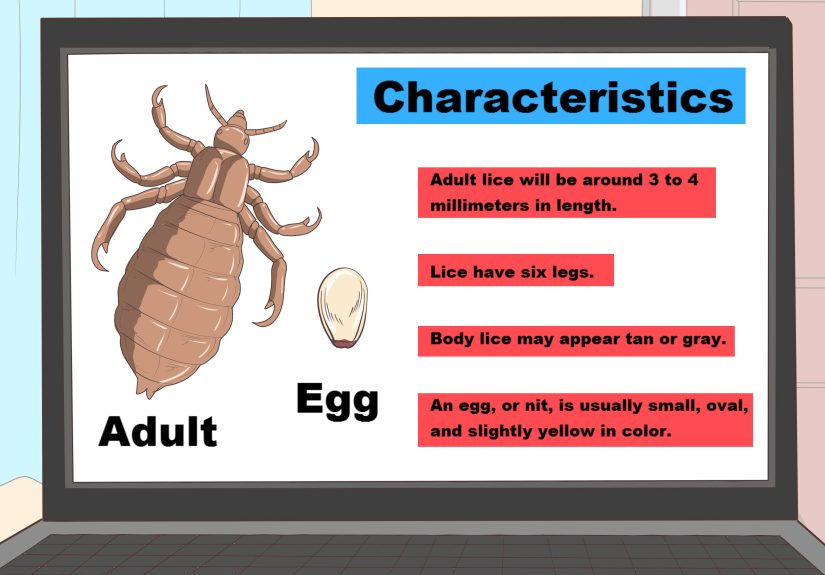
Body lice are small parasitic insects that feed on human blood. They are different from head lice and pubic lice. The big clue is location: body lice usually hide and lay eggs in clothing seams, bedding, towels, and other fabric items, especially when those items are not washed regularly. They only move onto the body to feed.
Common signs include intense itching, a rash, red bumps, and scratch marks. The itching often shows up most where clothing fits closely, such as the waist, groin, upper thighs, underarms, or around bra straps. If the problem goes on for a long time, skin can become thickened or darker in heavily bitten areas. Scratching can also lead to sores, and those sores can become infected. In rare cases, body lice can spread certain diseases, which is why persistent symptoms should never be shrugged off with a heroic “I’ll deal with it later.”
Step 1: Make Sure It Really Is Body Lice
Before you launch a full laundry operation, it helps to know what you are dealing with. Body lice are often found in the seams and folds of clothing, not living in scalp hair. If you see tiny insects or eggs in clothes, bedding, or fabric near the body, that points more toward body lice than head lice.
Typical clues include:
- Severe itching that seems worse under clothing
- A rash or small red bites on the trunk, waist, shoulders, groin, or thighs
- Scratch marks, crusted spots, or irritated skin
- Tiny moving bugs or nits in clothing seams or bedding
If you are not sure, or if the rash looks unusual, it is worth getting checked by a healthcare professional. Skin problems can be sneaky. Bedbugs, scabies, allergic rashes, and dermatitis all enjoy dressing up as something else.
Step 2: Bathe Thoroughly and Change Into Clean Clothes
The first treatment step is beautifully low-tech: wash your body well with soap and water, then put on freshly washed clothes. This is not glamorous advice, but it is the backbone of body lice treatment. Since body lice spend most of their time in clothing and only crawl onto the skin to feed, bathing helps remove lice from the body while the clean-clothes switch cuts off their favorite hiding place.
Use warm water, regular soap, and take your time. Focus on areas where itching is worst. After bathing, do not put the same clothes back on. That would be like changing the locks and handing the spare key to the intruder.
Fresh underwear, socks, shirts, and sleepwear matter. If possible, continue bathing regularly and change into clean clothing at least weekly while you are making sure the infestation is gone. In tougher cases, daily bathing for several days can make the whole process more effective and a lot less itchy.
Step 3: Wash Clothes, Bedding, and Towels the Right Way
This is the heavy-lifting step. Body lice and their eggs can usually be eliminated by cleaning fabric items with hot water and high heat drying. A lukewarm “maybe this helps” cycle is not the goal here. You want a deliberate, high-heat approach.
What to wash
- Clothing worn recently
- Bed sheets and pillowcases
- Blankets and comforters, when washable
- Towels and washcloths
- Fabric accessories that have been in close contact with the body
How to wash
Use hot water, ideally at least 130°F, and dry items on a high-heat cycle. Heat is your friend here. It helps kill both lice and eggs. If an item is safe for ironing, a hot iron on seams and folds can also help, especially for garments where lice may be hiding.
Do not forget the obvious repeat offenders: pajamas, hoodies, favorite blankets, bath towels, and that one sweatshirt people treat like a personality trait. If it touched the body often, clean it.
Step 4: Isolate or Dry-Clean Anything You Cannot Wash
Not everything can survive a hot wash-and-dry session. Some items need a backup plan. If something cannot be machine-washed, either dry-clean it or seal it in a plastic bag for two weeks. That waiting period helps ensure the lice die off without access to a human host.
This is useful for items such as:
- Delicate garments
- Specialty fabrics
- Certain jackets or coats
- Items with cleaning restrictions
You generally do not need to spray your home like it is starring in a disaster movie. Body lice usually live in clothing and bedding, not deep in walls or carpets. Light vacuuming of mattresses, upholstered furniture, and fabric surfaces can be reasonable if you want extra reassurance, but chemical foggers and random bug bombs are more dramatic than helpful.
Step 5: Calm the Itching and Protect Your Skin
Even after the lice are dealt with, the itching can hang around for a bit. That does not always mean treatment failed. Sometimes the skin is simply still reacting to bites and irritation. The main goal now is to avoid turning itchy skin into damaged skin.
Helpful ways to manage symptoms
- Try an over-the-counter antihistamine if itching is keeping you miserable
- Use a mild hydrocortisone cream on irritated areas if it is safe for you
- Keep fingernails short to reduce skin damage from scratching
- Apply a gentle moisturizer if skin feels dry or angry
Avoid scratching as much as possible. Easy to say, yes. Harder at 2:00 a.m., also yes. But scratching can create open sores, and open sores are exactly how bacterial skin infections show up uninvited. If bites become more red, warm, swollen, painful, or oozy, you may need medical attention.
Step 6: Use Lice Medicine Only If You Still Need It
Here is the part many people get backward: body lice treatment does not always start with medicated lice products. In many cases, regular bathing and proper laundering are enough. That said, if lice are still present after you have cleaned the body, changed into clean clothes, and handled the laundry correctly, a healthcare professional may recommend or you may use an over-the-counter product such as 1% permethrin or a pyrethrin-based treatment, following package directions carefully.
Important rule: do not freestyle with lice medicine. Use only products intended for human lice treatment, apply them exactly as directed, and avoid using more than recommended. More is not better. More is just how skin gets irritated and everyone has a worse day.
Be especially careful if the person being treated is very young, pregnant, breastfeeding, has sensitive skin, or has a history of reactions to topical products. When in doubt, ask a pharmacist or clinician. If symptoms persist even after correct treatment, a prescription option or a reevaluation of the diagnosis may be needed.
Step 7: Prevent Reinfestation and Know When to See a Doctor
The last step is prevention, because getting rid of body lice once is enough excitement for one lifetime. The best prevention is simple:
- Bathe regularly
- Wear clean clothes
- Wash bedding, towels, and clothing at least weekly
- Do not share clothing, bedding, or towels during treatment
- Address living conditions that make regular hygiene difficult
You should contact a healthcare professional if:
- You are not sure the problem is body lice
- The rash is severe or spreading
- You develop sores that look infected
- You have fever, headache, or other signs of illness
- You still see lice after proper bathing and laundering
- The itching is intense enough to disrupt sleep or daily life
This matters because body lice are not just itchy pests. They can sometimes spread illnesses, and secondary skin infections are common when scratching gets out of hand. It is better to be the person who checked too early than the person who waited until the rash started writing its own memoir.
Common Mistakes to Avoid
- Using head-lice advice without adjusting for body lice. Body lice live in clothing, so fabric care is central.
- Skipping the dryer. Washing helps, but high heat drying is a major part of killing lice and eggs.
- Putting dirty clothes back on after bathing. This can restart the cycle immediately.
- Overusing pesticide sprays. Usually unnecessary and not the main solution.
- Ignoring ongoing itching. Persistent symptoms may mean lice remain, skin is infected, or the diagnosis is something else.
Final Thoughts
If you are wondering how to treat body lice, the answer is refreshingly practical: clean the body, clean the clothes, clean the bedding, and stay consistent. Body lice are unpleasant, but they are also beatable. In many cases, you do not need a complicated routine or a medicine cabinet that looks like a mini pharmacy. You need a solid hygiene reset, hot laundry, and enough follow-through to stop the cycle completely.
The most effective mindset is calm persistence. Treat the body. Treat the fabrics. Soothe the skin. Watch for signs of infection. And if the problem is not improving, get medical help instead of trying another round of internet folklore involving vinegar, essential oils, or pure optimism.
Real-World Experiences People Often Have With Body Lice
One reason body lice are so frustrating is that the experience often starts with confusion rather than clarity. People usually do not wake up and say, “Aha, this is definitely body lice.” Instead, they notice mysterious itching that seems worse under clothes, especially at night or after wearing the same garments for long stretches. At first, many assume it is dry skin, detergent irritation, heat rash, or maybe a mosquito with a personal grudge.
Another common experience is that people clean themselves once, feel hopeful, and then get discouraged when the itching does not vanish immediately. That can be emotionally exhausting. The skin may still react for days, and if clothes or bedding were not cleaned properly, the lice can remain in the background like uninvited guests refusing to leave after the party ended. The lesson many people learn is that body lice treatment is not one dramatic moment. It is a short system of steps that all need to work together.
People also often report that the laundry part is more intense than expected. It is not just about tossing one shirt into the washer and declaring victory. It means gathering worn clothing, sleepwear, sheets, towels, and sometimes blankets, then washing and drying them on hot settings. For someone with easy access to laundry, this is annoying but manageable. For someone without regular access to clean clothing, hot water, a washer, or a dryer, it can be a real barrier. That is why body lice are closely tied to difficult living conditions in the real world, not just poor luck.
Many people describe the emotional side as almost worse than the physical side. There is embarrassment, frustration, and the sudden urge to wash every fabric object within a five-mile radius. But body lice are a medical and hygiene problem, not a character flaw. That distinction matters. Shame usually makes treatment harder, while calm, practical action makes it easier.
Another shared experience is overreacting with the wrong products. Some people jump straight to medicated lice treatments or household insect sprays before handling the basics. Then they end up with irritated skin, a strong chemical smell, and still-itchy bites. The better experience, according to common clinical guidance, is usually the boring one: bath, clean clothes, hot laundry, repeat as needed, then add medication only if the infestation persists.
People who recover successfully often say the turning point came when they stopped thinking only about their skin and started thinking about their fabric environment. Once they understood that body lice live mainly in clothing seams and bedding, the strategy suddenly made sense. The problem was not just on the body. It was in the shirt, the sheets, the towel, and sometimes the jacket tossed over the chair for three days straight.
Finally, many people remember the relief of getting through it: the itching fades, the skin starts to calm down, sleep becomes possible again, and life stops revolving around laundry math. The experience is not fun, but it is manageable. With the right steps, body lice are treatable, and the situation can improve faster than most people expect once the correct routine is in place.