Table of Contents >> Show >> Hide
- What the CDC Change Actually Meant
- Why the CDC Considered Shortening Isolation Time
- What It Could Mean for Workers and Employers
- What It Could Mean for Schools and Families
- What It Could Mean for Older Adults and Immunocompromised People
- Does Shorter Isolation Mean COVID Is Less Contagious?
- What It Could Mean for Long COVID and Public Trust
- The Best Way to Read the Change
- Experiences That Show What This Change Really Means
- Conclusion
Note: This article examines the reported 2024 possibility that the CDC could shorten COVID isolation guidance and explains what the change meant once the policy was finalized. Think of it as a news-analysis piece with fewer buzzwords and more plain English.
For years, COVID isolation rules were one of those things everybody knew about, even if they only followed them with the enthusiasm of a teenager asked to clean the kitchen. The familiar formula was simple: test positive, stay home for at least five days, then mask up for five more. But in early 2024, reports emerged that the Centers for Disease Control and Prevention could move away from that fixed five-day recommendation. Soon after, that possibility turned into an official shift.
The headline grabbed attention for a reason. Changing isolation time is not the same as changing a weather app notification or swapping one office coffee brand for another. It affects schools, workplaces, families, older adults, people with chronic illness, and anyone who has ever had to text a boss, “So, funny story, I tested positive.” It also raises a fair question: if isolation rules get shorter, does that mean COVID is less risky now?
The answer is more nuanced than a yes or no. A shorter or more flexible isolation period does not mean the virus suddenly became a polite little houseguest. What it means is that public health guidance shifted from a rigid calendar-based rule to a symptom-based approach. The CDC’s message became less about counting to five and more about asking whether symptoms are improving, whether fever is gone, and whether people are willing to take extra precautions once they return to normal life.
That change sounds simple on paper, but in real life it affects how Americans work, study, travel, parent, and protect people at higher risk. Here is what the shift could mean, what it did mean once adopted, and why the conversation around it sparked both relief and concern.
What the CDC Change Actually Meant
Under the older COVID guidance, many people who tested positive were told to isolate for at least five days regardless of whether they were already feeling much better on day three or still miserable on day seven. The newer approach moved away from that stopwatch model.
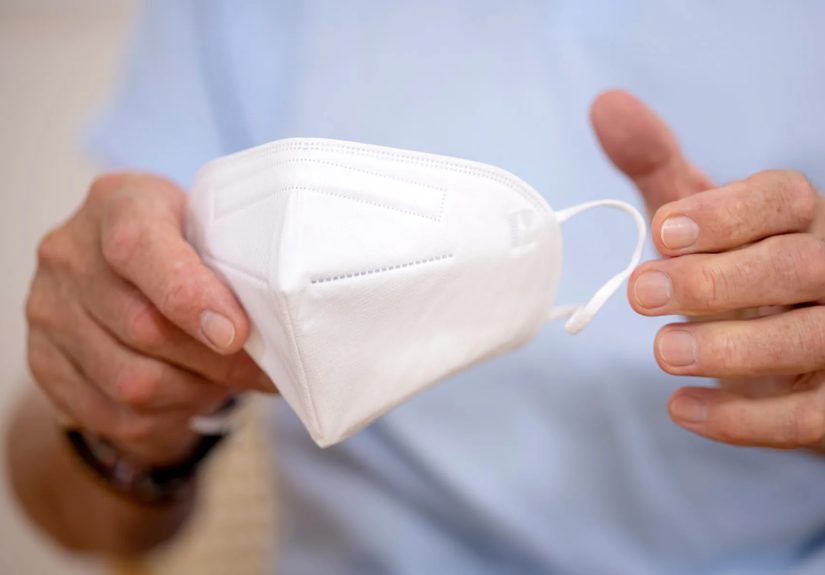
Instead, the rule became more symptom-based. If you were sick with COVID, you were told to stay home and away from others until your symptoms were improving overall and you had been fever-free for at least 24 hours without fever-reducing medication. After that, you could return to regular activities, but with extra precautions for the next five days. That meant things like wearing a well-fitting mask, improving air circulation, keeping some distance from others, practicing good hygiene, and testing when appropriate.
In other words, the guidance did not become “COVID is over, go lick doorknobs.” It became “stay home while you are actively sick, then be careful when you rejoin the world.” That distinction matters. A lot.
The CDC also aligned COVID guidance more closely with guidance for other respiratory viruses, including flu and RSV. That was part of the logic behind the shift. Instead of maintaining one special rulebook for COVID and a different one for everything else that makes people cough in public, the agency tried to create a more unified set of recommendations for respiratory illness.
Why the CDC Considered Shortening Isolation Time
There were several reasons public health officials moved in this direction. First, the country was not in the same place it was in 2020 or even 2021. By 2024, the United States had more immunity from past infection, vaccination, or both. There were also better tools available, including updated vaccines, antiviral treatments, rapid tests, and wider public understanding of how respiratory viruses spread indoors.
Second, COVID outcomes had changed on a population level. Severe illness, hospitalization, and death had declined from the terrifying highs of the pandemic’s earlier years. That did not make COVID harmless, but it changed the policy environment. Public health guidance often evolves when the balance between disease control and day-to-day practicality shifts.
Third, there was the reality factor. Many people were no longer strictly following the five-day rule anyway. Public health guidance works best when it reflects both science and human behavior. If a rule is widely ignored because people cannot afford to miss work, cannot get child care, or simply do not believe the rule fits their situation, the rule may look strong on paper but weak in practice.
That is one of the central tensions behind the isolation debate. Public health experts are not only asking what would reduce spread in a perfect world. They are also asking what people can actually do in the imperfect one. And let’s be honest, the imperfect one is the only one we have.
What It Could Mean for Workers and Employers
For workers, a shorter or more flexible isolation timeline could bring obvious relief. Missing five full days of work is inconvenient for salaried employees and brutal for hourly workers who do not have generous paid sick leave. For some households, a five-day isolation period was not just annoying; it was financially destabilizing.
That means the new guidance may feel more realistic. Someone who improves quickly might be able to return sooner, especially if they can mask, avoid close contact, and work in a better-ventilated environment. For employers, the change may reduce staffing disruptions and the frantic scheduling gymnastics that happen when several people are out at once.
But there is another side to that coin. More flexible guidance can also create pressure. Some employees may feel pushed to come back sooner than they should, especially in workplaces where “Are you sure you can’t just log in?” is considered a normal expression of concern. A symptom-based policy can become helpful flexibility in one company and unhealthy pressure in another.
That is why workplace culture matters almost as much as workplace policy. The smartest employers treat the new guidance as a floor, not a dare. They encourage workers to stay home when they are truly sick, support masking after return, and protect vulnerable employees instead of pretending the problem disappears because a federal recommendation changed.
What It Could Mean for Schools and Families
Parents know that illness guidance is rarely just about one person. It is about carpools, lunchboxes, school attendance, grandparent pickups, pediatrician calls, and the mysterious way a child can be “totally fine” at 7 a.m. and a tiny Victorian ghost by 2 p.m.
For families, a symptom-based approach may make life more manageable. A child who is clearly improving and fever-free may be able to return to school sooner than under a rigid five-day count. That can reduce missed classroom time and the ripple effects on parents’ work schedules.
Still, schools face the same challenge as workplaces: a flexible rule can be interpreted too loosely. Symptoms do not always vanish neatly. Kids may have lingering coughs. Parents may disagree on what “improving” means. One household’s “She’s good to go” is another household’s “Please do not send your germs to homeroom.”
In practice, the updated approach works best when families add common sense to the official guidance. That means looking beyond a single test result and asking practical questions. Is the child acting better? Is the fever truly gone? Can they wear a mask if needed? Are they returning to a classroom with medically vulnerable classmates or teachers? Public health guidance can give a framework, but families still have to use judgment.
What It Could Mean for Older Adults and Immunocompromised People
This is where the conversation gets more serious. A shorter isolation timeline may feel practical for the general public, but it can also raise anxiety for people at higher risk. Older adults, cancer patients, transplant recipients, and people with weakened immune systems often hear changes like this and think one thing: “Great, now more contagious people will show up around me sooner.”
That concern is not irrational. It is grounded in the fact that symptoms improving does not always mean someone is no longer infectious. The CDC’s own framework depended heavily on the five days of added precautions after returning to normal activity. In plain English, the change works better when people actually mask, keep distance, test when useful, and avoid exposing vulnerable people. When they skip those steps, the safety margin gets thinner.
So what could the change mean for high-risk people? It could mean they need to be more proactive. That includes staying updated on vaccination, asking friends and family to test before visits, improving indoor air quality, and being more selective about crowded indoor settings during surges. None of that is especially fun. It is also not paranoia. It is risk management.
The shift in isolation guidance may also reinforce a broader social truth: one person’s convenience can become another person’s danger. That does not mean society should never relax rules. It does mean any relaxation should come with honesty about who bears the extra risk.
Does Shorter Isolation Mean COVID Is Less Contagious?
Not exactly. The virus did not become less contagious just because the guidance changed. COVID can still spread before symptoms show up, while symptoms are mild, and sometimes after a person feels mostly better. That is one reason some experts were uneasy about moving away from a fixed isolation period.
The CDC’s logic was not that people stop being contagious after 24 hours of improvement. The logic was that a symptom-based return, paired with five more days of added precautions, could reduce spread about as well as the previous framework on average. That last phrase matters: on average. Public health is full of averages, but your household is not an average. Your elderly parent is not an average. Your coworker on chemotherapy is definitely not an average.
So no, shorter isolation does not mean COVID is now “just a cold” for everyone. It means the strategy shifted. The focus moved from one blanket number to a layered approach: stay home while sick, then reduce risk while reintegrating.
That layered model only works when people treat the second part seriously. If someone hears “I can go back sooner” and conveniently forgets the “mask, distance, cleaner air, and test” part, the policy becomes a lot flimsier. Public health guidance is not magic. It is more like IKEA furniture: it only holds together when people actually use all the parts.
What It Could Mean for Long COVID and Public Trust
Another reason the isolation debate mattered was long COVID. Even as severe outcomes declined overall, many Americans continued to deal with prolonged fatigue, brain fog, shortness of breath, and other lingering symptoms after infection. That made some critics worry that easing isolation rules could normalize more spread and, by extension, more long-term health consequences.
There is also a trust issue. During the pandemic, many people came to see public health guidance as either overly strict or not strict enough, depending on their experience and politics. Any change to isolation policy was bound to trigger suspicion from both directions. Some people saw it as a practical, overdue update. Others saw it as a concession to economic pressure and pandemic fatigue.
Both reactions tell us something useful. Americans want guidance that is evidence-based, understandable, and realistic. They also want transparency about tradeoffs. If a shorter isolation recommendation asks vulnerable people to carry more of the burden, health officials need to say that plainly rather than wrapping it in sterile language.
The Best Way to Read the Change
The smartest interpretation of the CDC shift is neither panic nor shrugging. It is this: COVID guidance became more flexible, but personal responsibility became more important. The agency did not say that a positive test no longer matters. It said recovery status and post-illness precautions matter more than a one-size-fits-all countdown.
If you get sick, the practical playbook is still pretty straightforward. Stay home while you feel actively ill. Wait until symptoms are improving and fever has been gone for at least 24 hours without medication. Then, for the next several days, act like your choices affect other people, because they do. Wear a mask indoors if you can. Improve ventilation. Avoid close contact with high-risk individuals. Test when it makes sense. And if symptoms worsen again, stay home again.
That is not dramatic. It is not flashy. It is simply grown-up public health behavior, which, sadly, never got the branding budget it deserved.
Experiences That Show What This Change Really Means
To understand what shorter COVID isolation guidance could mean, it helps to think about how isolation worked for real people during the past few years. Policy debates can sound abstract until you remember the human scenes behind them: the restaurant worker refreshing a bank balance, the teacher emailing sub plans at midnight, the parent trying to convince a second grader that home testing is not a medieval punishment device.
For many workers, the old five-day rule was medically sensible but economically rough. Plenty of people could not work remotely, and even those who could often found that “working from home while sick” mostly meant staring at a laptop while their brain floated somewhere near the ceiling. A symptom-based return may feel more humane for people who bounce back quickly. It gives some room for judgment rather than forcing every case into the same five-day box.
Parents had a different experience. In many homes, one positive test did not mean one isolated person. It meant a chain reaction. One child got sick, then another child started coughing, then a parent developed symptoms, then grandma canceled her visit, then the family calendar looked like it had been attacked by a red marker. A more flexible return-to-school timeline may reduce disruption, but it also puts more pressure on parents to decide what “better enough” means. That is not always easy when symptoms fade unevenly.
Students experienced isolation as both health policy and social interruption. Missing class for nearly a week could mean falling behind academically, especially for kids who needed in-person support. Teenagers and college students often faced the mental side too: loneliness, boredom, and the strange emotional drag of being physically okay-ish but still stuck at home. Shorter isolation can reduce that burden. At the same time, schools still need clear expectations so “I’m basically fine” does not become the unofficial motto of every contagious student in America.
Healthcare-adjacent families had their own complicated reality. Even though the CDC’s broader public guidance did not apply to healthcare settings in the same way, many households include nurses, aides, therapists, and family caregivers who think differently about risk because they live close to it. For them, shorter isolation guidance may feel practical in public life but still inadequate around medically fragile relatives. That split experience is important. A rule can be reasonable for the general public and still feel insufficient in households where one infection could lead to a hospital stay.
Then there were the emotional experiences. By 2024, many Americans were simply tired. Tired of rules. Tired of uncertainty. Tired of guessing whether a scratchy throat was allergies, a cold, or the virus that kept rewriting family plans. In that environment, a simpler message from the CDC had obvious appeal. “Stay home while sick, then take precautions” is easier to remember than a maze of day counts, test timing, and exception clauses. Simpler guidance can improve compliance because people can actually understand it without opening twelve browser tabs and a group chat.
But fatigue does not erase vulnerability. For people living with long COVID, autoimmune disease, cancer, or other conditions that raise the stakes, the experience is different. Every relaxation of public precautions can feel like another reminder that society has moved on faster than their risk has. That feeling is one reason the isolation debate landed so hard. It was never only about days. It was about who gets protected, who gets inconvenienced, and who gets asked to adapt once again.
In the end, the lived experience around COVID isolation teaches a simple lesson: one-size-fits-all rules are blunt, but so is pretending everyone can assess risk with perfect clarity. The best path is probably the least glamorous one. Clear public guidance. Honest messaging about tradeoffs. Real support for people who need to stay home. Strong encouragement to use masks and ventilation after returning. And a little more social grace when someone says, “I’m going to sit this one out because I don’t want to get other people sick.” That should not sound extreme. Honestly, it should sound normal.
Conclusion
The idea that the CDC could cut COVID isolation time sounded, at first, like one more pandemic plot twist in a series that never knew when to end a season. But the real story was not just that a number changed. It was that public health guidance moved from a fixed five-day rule to a more flexible, symptom-based strategy that depends heavily on what people do after they return to daily life.
For some Americans, that shift felt overdue and realistic. For others, especially those at higher risk, it felt unsettling. Both reactions make sense. The most important takeaway is that flexibility is not the same as carelessness. The change only works when people stay home while truly sick and take the next five days seriously. COVID may not dominate daily life the way it once did, but it still rewards caution and punishes overconfidence. As usual, the virus remains deeply unimpressed by our impatience.