Table of Contents >> Show >> Hide
- What “Waterproofing Plaster Walls” Really Means
- Step 1: Find the Moisture Source First
- Step 2: Let the Wall Dry Completely
- Step 3: Remove Loose Paint, Dust, and Damaged Plaster
- Step 4: Repair Cracks, Holes, and Weak Areas
- Step 5: Choose the Right Waterproofing Method
- Step 6: Apply Primer, Sealer, or Waterproof Coating Correctly
- Bathroom Plaster Walls: Practical Waterproofing Tips
- Basement Plaster Walls: Do Not Ignore Exterior Water
- Common Mistakes to Avoid
- How Much Does It Cost to Waterproof Plaster Walls?
- Maintenance After Waterproofing
- Real-World Experience: What Actually Works When Waterproofing Plaster Walls
- Conclusion
Plaster walls have charm, texture, and a respectable talent for making a room feel like it has a history. Unfortunately, they also have one dramatic weakness: moisture. Give plaster a roof leak, a damp basement, a steamy bathroom, or a poorly aimed sprinkler outside, and it may respond with bubbling paint, powdery patches, peeling finish, stains, musty smells, or cracks that look like tiny maps of emotional distress.
The good news is that waterproofing plaster walls is possible when you approach it the right way. The bad news is that “right way” does not mean slapping waterproof paint over a damp wall and hoping physics takes a vacation. Plaster is porous. It can absorb moisture, hold moisture, and pass moisture through itself depending on the wall assembly. That means successful waterproofing is less about creating a shiny sealed surface and more about managing water at the source, repairing damage, choosing the correct coating, and allowing the wall to dry properly.
This guide explains how to waterproof plaster walls in bathrooms, basements, laundry rooms, older homes, and interior spaces where moisture keeps showing up like an uninvited guest with muddy shoes. You will learn how to inspect the wall, identify the moisture source, repair damaged plaster, select sealers and waterproof coatings, and avoid common mistakes that can trap water inside the wall.
What “Waterproofing Plaster Walls” Really Means
Before buying buckets of sealer, it helps to understand the difference between water-resistant, waterproof, and moisture-managed. A wall painted with bathroom-grade acrylic paint may resist splashes and humidity, but it is not designed to hold back groundwater. A masonry waterproofer may block dampness on a bare basement wall, but it may fail if applied over loose paint, efflorescence, or soft gypsum plaster. A waterproof membrane may be appropriate behind tile in a shower, but it is not the same thing as painting an old plaster wall.
In practical terms, waterproofing plaster walls means creating a system that reduces water exposure, blocks or slows moisture movement where appropriate, and protects the finished surface. The best method depends on where the wall is located and why it is getting wet.
Common situations include:
- Bathroom plaster walls: Usually need moisture-resistant primer, high-quality paint, ventilation, and extra protection around splash zones.
- Basement plaster walls: Often need exterior drainage fixes, crack repair, masonry waterproof coating, or professional waterproofing if hydrostatic pressure is present.
- Historic plaster walls: Often need breathable materials because trapping moisture can damage lime plaster, wood lath, or masonry behind the wall.
- Plaster near windows or roofs: Usually needs leak repair before any coating is applied.
- Plaster behind tile: Needs a proper waterproofing membrane or water-resistant substrate in wet areas, especially showers.
Step 1: Find the Moisture Source First
If there is one rule for waterproofing plaster walls, it is this: do not waterproof over a mystery. Moisture has to come from somewhere. It may be rainwater entering through exterior cracks, condensation from poor ventilation, plumbing leaks, roof leaks, damp soil against a foundation, missing gutters, or steam from daily showers.
Look for clues before touching the paintbrush. Stains near the ceiling may point to a roof, flashing, or upstairs plumbing leak. Dampness near the floor can suggest rising moisture, basement seepage, or water collecting outside the foundation. Peeling paint in a bathroom may mean poor ventilation. Powdery white deposits on masonry or plaster near a foundation can indicate salts left behind as moisture evaporates.
A simple moisture test can help. Tape a square of clear plastic tightly to the wall for 24 hours. If moisture appears on the room-facing side of the plastic, condensation or indoor humidity may be the issue. If moisture appears behind the plastic, the wall itself may be transmitting moisture from inside the assembly or from the exterior. This is not a laboratory test, but it is a useful homeowner-level clue.
Once you find the likely cause, fix it. Clean gutters. Extend downspouts away from the foundation. Improve grading so soil slopes away from the house. Repair cracked exterior stucco or masonry. Fix plumbing leaks. Add a bathroom exhaust fan that vents outdoors, not into an attic where moisture can start a second career as mold. Waterproof coatings are helpful, but they are not magic force fields.
Step 2: Let the Wall Dry Completely
Plaster should be dry before you seal it. Painting or sealing damp plaster is like putting a raincoat on someone who just fell into a swimming pool. The trapped moisture still has to go somewhere, and it may push paint off the wall, soften plaster, encourage mold growth, or cause the coating to blister.
Open windows when weather allows, run fans, use a dehumidifier, and improve air circulation. In basements, keeping relative humidity under control is especially important. In bathrooms, use the exhaust fan during showers and for at least 20 minutes afterward. If a wall was soaked by a leak or flood, dry it quickly and thoroughly. Wet building materials that remain damp too long can become a mold risk.
Do not rush this stage. Plaster can feel dry on the surface while still holding moisture below. For small damp spots, drying may take a day or two. For thick plaster, old lime plaster, or walls affected by long-term leaks, it can take much longer. If the wall smells musty, feels cool and damp, or continues to discolor, keep investigating.
Step 3: Remove Loose Paint, Dust, and Damaged Plaster
A waterproof finish is only as good as the surface under it. If old paint is peeling, the new coating will peel with it. If plaster is soft, crumbly, or powdery, sealer will not turn it into a strong wall. Prep work may not be glamorous, but it is where most successful waterproofing jobs are won.
Start by scraping away loose paint, bubbling finish, and flaking plaster. Use a stiff brush to remove dust and chalky residue. For stubborn old coatings, a putty knife, sanding block, or paint scraper may help. Wear a respirator and eye protection, especially in older homes where lead paint may be present. If your home was built before 1978, test painted surfaces for lead before sanding or scraping aggressively.
Wash the wall with a mild cleaner if it has grease, grime, soap film, or mildew. Rinse with clean water and let the wall dry again. If there is mold on a small area, clean it carefully with appropriate protection and ventilation. Larger mold problems, recurring mold, or mold caused by hidden leaks should be evaluated by a professional.
Step 4: Repair Cracks, Holes, and Weak Areas
Water loves cracks. It does not need a grand entrance with a red carpet. A hairline opening, failed caulk joint, or gap near trim may be enough. Before applying waterproof primer or coating, repair defects in the plaster.
For small plaster cracks:
Widen the crack slightly with a utility knife or painter’s tool so repair material can grip. Remove dust, apply bonding agent if recommended, and fill with setting-type joint compound, plaster patch, or compatible repair plaster. Feather the edges, sand lightly, and prime after curing.
For larger damaged areas:
Remove loose plaster until you reach sound material. If the plaster has separated from wood lath, it may need plaster washers, reattachment, or patching. If the substrate is masonry, use a compatible plaster or masonry repair compound. Avoid using soft joint compound in areas that regularly get damp.
For active leaks in masonry or basement walls:
Use hydraulic cement or a water-stop repair product designed for active seepage, following the manufacturer’s instructions. These products set quickly, so mix small batches and work fast. If water is pushing through cracks with pressure, interior patching may only be temporary. Exterior drainage, foundation repair, or an interior drainage system may be needed.
Step 5: Choose the Right Waterproofing Method
There is no single product called “the correct thing for every plaster wall.” The right waterproofing method depends on location, plaster type, moisture level, and whether the wall needs to breathe.
Option 1: Moisture-Resistant Primer and Paint
For interior plaster walls in bathrooms, kitchens, laundry rooms, and powder rooms, a high-quality primer and moisture-resistant paint are often enough. This approach protects against humidity, light splashes, and everyday condensation. It is not designed to stop water coming through the wall from outside.
Use a primer made for plaster or masonry, depending on the surface. Fresh plaster may be highly absorbent and should be sealed before painting. After primer, apply a washable interior acrylic paint with a satin, semi-gloss, or bathroom-rated finish. Higher-sheen paints tend to resist moisture and cleaning better than flat paint. That said, paint does not replace caulk, ventilation, or proper waterproofing behind tile.
Option 2: Masonry Waterproofer for Basement or Masonry-Backed Plaster
If the plaster wall is directly over masonry or you are dealing with a bare masonry basement wall, a masonry waterproof coating may help reduce dampness. These coatings are usually thicker than standard paint and are designed to fill tiny pores in concrete, brick, block, or cement-based surfaces.
The key phrase is “bare, sound surface.” Masonry waterproofers generally should not be applied over loose paint, efflorescence, dirt, or soft plaster. If the wall has old paint, the coating may not bond well. If salts are present, they should be removed. If the plaster is gypsum-based and deteriorating, a masonry coating may not be appropriate until the underlying moisture issue is solved and the wall is repaired.
Option 3: Penetrating Sealer
Penetrating sealers soak into porous surfaces rather than forming a thick surface film. Some silicate or silane/siloxane products are used on masonry to reduce water absorption while maintaining some vapor permeability. They can be useful on certain mineral surfaces, but they must be matched carefully to the substrate. Read labels closely. A product made for exterior concrete may not be suitable for interior gypsum plaster.
Option 4: Waterproof Membrane Behind Tile
In showers, tub surrounds, and heavy splash zones, paint alone is not enough. These areas need a true waterproofing system behind the tile. That may include cement backer board with a liquid-applied waterproof membrane, sheet membrane, or another code-appropriate wet-area assembly. Traditional plaster walls are not ideal as the only protection in a shower. Tile and grout are water-resistant, not fully waterproof, and moisture can pass through tiny cracks or grout lines over time.
Option 5: Breathable Mineral Coatings for Historic Plaster
Older homes often have lime plaster, brick, stone, and wood lath assemblies that manage moisture differently from modern drywall. In these homes, trapping water behind a hard, non-breathable coating may create more damage. Breathable limewash, mineral paint, or vapor-permeable coatings may be better choices in some historic settings. When in doubt, consult a plaster restoration specialist before sealing a historic wall like a submarine hatch.
Step 6: Apply Primer, Sealer, or Waterproof Coating Correctly
Application matters. Even a great waterproofing product can fail if applied too thin, too thick, too soon, or over the wrong surface. Always follow the product label, because drying time, coverage rate, number of coats, and surface requirements vary.
For most plaster wall waterproofing projects, the process looks like this:
- Confirm the wall is dry. Use touch, smell, visual inspection, and a moisture meter if available.
- Clean the surface. Remove dust, chalk, loose paint, grease, mildew, and efflorescence.
- Repair cracks and holes. Use compatible patching material and allow it to cure.
- Prime the wall. Choose a primer appropriate for plaster, masonry, or high-humidity areas.
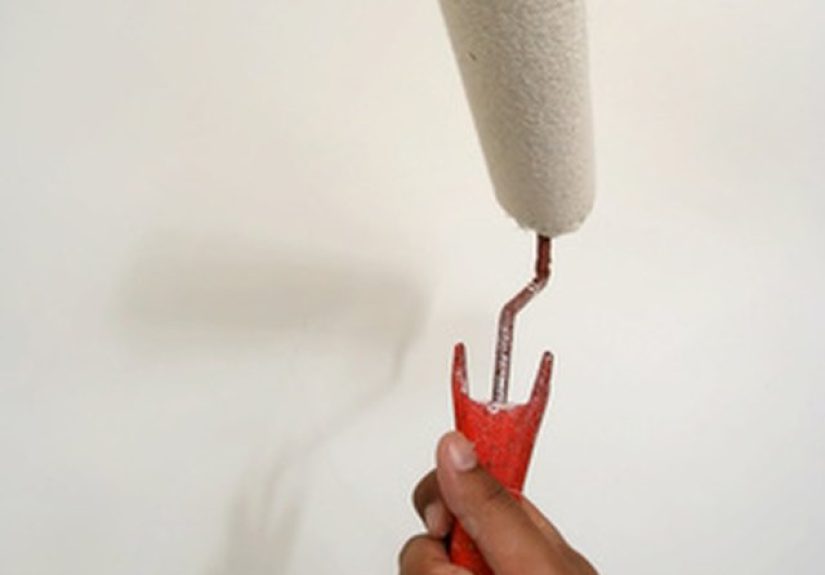
- Apply waterproof coating or paint. Use the recommended brush, roller, or sprayer. Work coating into pores when required.
- Apply a second coat. Many waterproof coatings require two coats for proper performance.
- Protect edges and joints. Caulk gaps around trim, tubs, sinks, and windows with paintable or waterproof sealant as appropriate.
- Allow full curing time. Dry-to-touch is not the same as fully cured.
When using a masonry waterproofer, pay special attention to coverage rates. Stretching one gallon too far may look economical until the wall starts weeping again and your savings evaporate into a damp little cloud of regret.
Bathroom Plaster Walls: Practical Waterproofing Tips
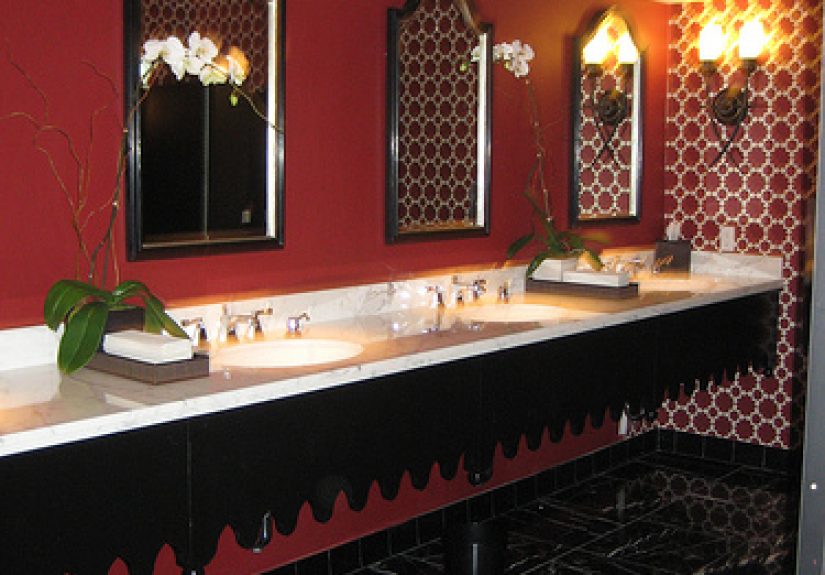
Bathrooms are tough on plaster because they create repeated humidity spikes. A hot shower can turn a small bathroom into a tropical rainforest with towels. If the room lacks ventilation, moisture condenses on walls, ceilings, mirrors, and cold corners. Over time, paint peels, plaster softens, and mildew appears.
For bathroom plaster walls outside direct wet zones, use a moisture-resistant primer and a bathroom-grade acrylic paint. Satin or semi-gloss finishes are easier to wipe down than flat paint. Seal joints where walls meet tubs, backsplashes, and trim. Replace failed caulk promptly because cracked caulk is basically a tiny welcome mat for water.
Most importantly, improve ventilation. An exhaust fan should vent outdoors and be sized appropriately for the room. If the fan sounds like a tired mosquito and clears steam sometime next Thursday, upgrade it. Also leave the door open after showers when possible, hang towels so they dry, and avoid letting condensation sit on walls.
Basement Plaster Walls: Do Not Ignore Exterior Water
Basement plaster walls are a different challenge. If the soil outside the foundation is wet, water may move through cracks, porous masonry, or the joint where the wall meets the floor. Interior coatings can help with minor dampness, but they should not be treated as the entire solution when water is actively entering.
Start outside. Clean gutters, extend downspouts, and make sure the ground slopes away from the house. Repair exterior cracks and consider drainage improvements if water regularly pools near the foundation. Inside, remove loose coatings, patch cracks with appropriate material, and use masonry waterproofing products only on suitable surfaces.
If there is standing water, repeated seepage, bowing walls, major cracks, or a strong musty smell, call a professional. Waterproof paint cannot solve structural movement, high hydrostatic pressure, or a failing drainage system. It can help as part of a plan, but it should not be promoted to job titles it did not apply for.
Common Mistakes to Avoid
Painting over damp plaster
This is the classic shortcut. It may look fine for a few days, then bubbles, peeling, or stains return. Dry first, then seal.
Using the wrong product
A bathroom paint is not a basement waterproofer. A masonry coating is not always suitable for historic lime plaster. A penetrating concrete sealer is not automatically safe for every interior wall.
Skipping surface prep
Loose paint, dust, and efflorescence prevent bonding. Waterproofing products need a clean, sound surface.
Sealing both sides of an old wall
Some older wall assemblies need to release vapor. Sealing them too aggressively can trap moisture and accelerate deterioration.
Ignoring ventilation
Moisture-resistant paint helps, but it cannot remove humid air. Bathrooms, laundry rooms, and basements need airflow and humidity control.
How Much Does It Cost to Waterproof Plaster Walls?
Costs vary depending on wall condition, room size, product choice, and whether you do the work yourself. A simple bathroom plaster wall project may require primer, paint, caulk, patching compound, sandpaper, and basic tools. A basement project may require masonry waterproofer, hydraulic cement, wire brushes, protective gear, a dehumidifier, or professional waterproofing help.
DIY moisture-resistant painting is usually the least expensive option. Basement waterproofing can become more expensive if drainage, sump pumps, exterior excavation, foundation repair, or mold remediation are needed. The smartest budget move is to fix the moisture source early. Waiting until plaster fails usually costs more, because water damage has the patience of a chess grandmaster and the manners of a raccoon.
Maintenance After Waterproofing
Waterproofing is not a one-time spell. Check walls every few months, especially after heavy rain or seasonal humidity changes. Look for peeling paint, stains, soft spots, white powdery deposits, musty smells, or recurring cracks. Keep gutters clean, maintain caulk, run exhaust fans, and monitor indoor humidity.
In basements, a dehumidifier can help keep air dry, but it should not be used as an excuse to ignore leaks. In bathrooms, wipe down wet walls near tubs and showers, keep grout and caulk in good condition, and repair plumbing drips quickly. Small maintenance habits can prevent large plaster repairs later.
Real-World Experience: What Actually Works When Waterproofing Plaster Walls
After working through many plaster wall projects, one lesson becomes obvious: the wall usually tells the truth before the homeowner wants to hear it. A small bubble above the baseboard is rarely “just paint.” A brown stain under a window is rarely “old character.” A musty smell in a basement is not “vintage atmosphere.” These signs are clues, and the best results come from listening to them early.
One common experience is the bathroom wall that keeps peeling even after being repainted. The homeowner buys better paint, sands the wall, repaints, and celebrates. Two months later, the paint begins to curl near the ceiling again. The problem is not the paint. The exhaust fan is weak, the room stays steamy, and condensation collects on cool plaster every morning. In that situation, the real fix is a combination of improved ventilation, proper drying, stain-blocking or moisture-resistant primer, and durable bathroom paint. Once humidity is controlled, the finish finally behaves like a responsible adult.
Another familiar case is the basement wall with old plaster over masonry. The surface may have peeling paint, white powder, and damp patches after storms. Many people want to roll on waterproof paint immediately. That usually fails unless the surface is stripped back to sound material and the source of water is reduced. Extending downspouts, cleaning gutters, improving grading, and patching cracks often make a bigger difference than the coating itself. Once the wall is dry and clean, a suitable masonry waterproofing product has a much better chance of working.
Historic homes require extra patience. Old lime plaster can often survive moisture better than modern materials, but it also needs to dry. Covering it with hard, impermeable coatings can trap moisture behind the surface. In these houses, breathable finishes may be smarter than aggressive sealing. The goal is not always to make the wall completely waterproof; sometimes the goal is to control bulk water while allowing vapor to escape. That distinction can save original plaster from unnecessary replacement.
A practical trick from real projects is to document moisture patterns before repairs. Take photos after rain, during dry weather, and after showers. Mark damp areas lightly with painter’s tape. Use a moisture meter if available. This helps you see whether the problem is spreading, shrinking, or tied to specific events. It also helps professionals diagnose the issue faster if you need help.
Another useful habit is testing products in a small area. Plaster varies widely. New gypsum plaster, old lime plaster, plaster over brick, and cement-based plaster do not absorb coatings the same way. A test patch can reveal whether primer bonds well, whether stains bleed through, or whether the surface remains chalky. It is much better to discover a compatibility problem on one square foot than on an entire wall.
Finally, do not underestimate curing time. Many waterproofing failures happen because the next coat is applied too soon or the room is put back into heavy use too quickly. Let patching materials cure. Let primer dry. Let coatings reach their recommended recoat and cure times. Waterproofing plaster walls rewards patience. Rush the process, and the wall may file a formal complaint in the form of bubbles.
Conclusion
Waterproofing plaster walls is not just about applying a product. It is about understanding moisture, fixing the source, preparing the surface, repairing damage, and choosing the right finish for the wall’s location and material. Bathrooms may need ventilation and moisture-resistant paint. Basements may need drainage improvements and masonry waterproofing. Historic plaster may need breathable coatings rather than heavy sealers. In every case, clean, dry, sound plaster is the foundation of a lasting result.
The best waterproofing plan respects both the wall and the water. Stop leaks, manage humidity, seal smartly, and maintain the finish. Do that, and your plaster walls can stay beautiful, durable, and far less likely to perform their tragic peeling-paint opera every rainy season.