Table of Contents >> Show >> Hide
- First, a Quick Anatomy Clarification
- Why Fabric Matters More Than You Think
- Tight Underwear and Friction: A Sneaky Source of Irritation
- Moisture: The Main Villain in the Underwear Story
- Underwear and Yeast Infections
- Underwear and Bacterial Vaginosis
- Underwear and Vulvar Dermatitis
- Should You Sleep Without Underwear?
- Period Underwear, Pads, and Pantyliners
- How Often Should You Change Underwear?
- Best Underwear Choices for Vaginal Health
- When Underwear Is Not the Real Problem
- Practical Experiences: What Real-Life Underwear Habits Can Teach Us
- Conclusion
Underwear may be the smallest piece of clothing in your drawer, but when it comes to vaginal health, it has main-character energy. It sits close to the vulva all day, collects natural discharge, absorbs sweat, rubs against sensitive skin, and sometimes gets blamed for problems it did not entirely cause. So, yes, your underwear choices can matterbut no, your vagina is not demanding a luxury subscription box and a motivational speech.
The key idea is simple: the vaginal and vulvar area does best when it is clean, dry, breathable, and not constantly irritated. Underwear can support that balance, or it can work against it by trapping heat and moisture, increasing friction, or exposing sensitive skin to dyes, fragrances, detergents, and synthetic materials. The right pair can help reduce discomfort, odor, itching, and irritation. The wrong pair, worn often enough, can turn a normal Tuesday into a “why is everything angry down there?” situation.
This article explains how underwear impacts vaginal health, which fabrics are best, when tight styles may cause trouble, how often to change underwear, what to wear during workouts and periods, and when symptoms deserve medical attention.
First, a Quick Anatomy Clarification
People often say “vaginal health” when they actually mean both vaginal and vulvar health. The vagina is the internal canal. The vulva is the external genital area, including the labia, clitoris, vaginal opening, and surrounding skin. Underwear mostly touches the vulva, not the vagina directly. However, what happens around the vulva can influence comfort, moisture, irritation, odor, and infection risk.
The vagina has its own ecosystem, often called the vaginal microbiome. Healthy vaginal bacteria help maintain an acidic pH and discourage the overgrowth of yeast and harmful bacteria. The vulva, meanwhile, is delicate skin with folds, hair follicles, sweat glands, and friction-prone areas. When underwear traps heat and moisture or rubs repeatedly, it can create conditions that make yeast, irritation, and odor more likely.
Why Fabric Matters More Than You Think
Fabric is one of the biggest ways underwear impacts vaginal health. Breathable fabric allows air circulation and helps moisture evaporate. Less breathable fabric tends to hold sweat and discharge close to the skin, which can make the area warm and damp. Yeast and bacteria are big fans of warm, moist environments. Your vulva, unfortunately, is not.
Cotton Underwear: The Reliable Friend
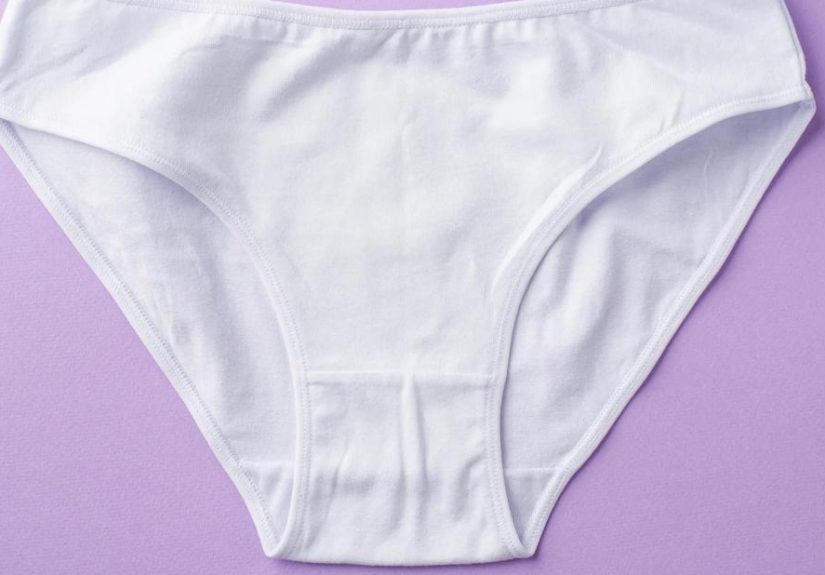
Cotton is widely recommended because it is breathable, absorbent, soft, and less likely to irritate sensitive vulvar skin. Cotton underwear, especially 100% cotton or underwear with a cotton crotch, can help keep the area drier by absorbing moisture and allowing better airflow. It is not glamorous in the “red carpet fashion moment” sense, but it is dependable, like a friend who brings snacks and knows when to leave.
For everyday wear, cotton is often the best choice for people prone to yeast infections, vulvar itching, irritation, or sensitivity. Plain white cotton may be especially helpful for those who react to dyes or decorative materials. If you have recurring discomfort, switching to simple cotton underwear for a few weeks can be a useful experiment.
Synthetic Fabrics: Not Evil, Just Complicated
Nylon, polyester, spandex, lace, satin, and other synthetic materials are common in underwear because they stretch, shape, smooth, and look cute. They are not automatically bad. Wearing synthetic underwear occasionally is unlikely to ruin your vaginal health. The issue is frequent or prolonged wear, especially in hot weather, during workouts, under tight clothing, or if the fabric does not breathe well.
Synthetic underwear can trap heat and moisture. Some lace or mesh styles may also rub or scratch sensitive skin. If you wear synthetic underwear and notice itching, burning, odor, or irritation, the fabric may be part of the problem. That does not mean you must hold a funeral for your lace drawer. It means those styles may be better for short-term wear rather than all-day, everyday use.
Tight Underwear and Friction: A Sneaky Source of Irritation
Tight underwear can create friction, especially around the labia, bikini line, and inner thighs. Friction may lead to redness, chafing, burning, tiny skin breaks, ingrown hairs, and general irritation. When skin is irritated, it becomes more sensitive to sweat, discharge, detergent residue, and menstrual products.
Very tight styles can also limit airflow. Combine tight underwear with tight jeans, leggings, pantyhose, or shapewear, and the area may become warm and damp for hours. This does not guarantee an infection, but it can create a less friendly environment for comfort and balance.
Are Thongs Bad for Vaginal Health?
Thongs are not automatically dangerous. Many people wear them without problems. However, thongs can increase friction for some bodies, and the narrow strip of fabric may move more easily between the anal and vulvar areas. For people who are prone to irritation, urinary tract infections, bacterial vaginosis, or yeast infections, daily thong use may not be ideal.
If you love thongs, choose breathable fabric, make sure the fit is not too tight, avoid wearing them during sweaty workouts, and change after exercise. If symptoms appear after thong use, your body may be politely requesting a different seating arrangement.
Moisture: The Main Villain in the Underwear Story
Moisture is one of the biggest reasons underwear can affect vaginal health. Sweat, natural discharge, urine leaks, menstrual blood, and damp swimwear can all increase moisture. Some moisture is normal; your body is not a desert and should not be treated like one. But prolonged dampness can irritate the vulva and encourage yeast or bacteria to multiply.
This is why changing underwear daily matters. It is also why changing out of wet swimsuits and sweaty workout clothes quickly is a smart habit. Sitting in damp clothing for hours may be convenient after a swim or gym session, but your vulva is not interested in marinating.
Workout Underwear Tips
During exercise, choose breathable, moisture-managing underwear that does not bunch, rub, or trap heat. Some athletic underwear uses sweat-wicking fabric, which may be helpful during short workouts. However, after exercise, change into dry clothing as soon as possible. Even the fanciest performance fabric loses points if it stays sweaty against your skin all afternoon.
If you frequently get irritation after workouts, try wearing cotton underwear under looser workout bottoms, changing immediately after exercise, rinsing the vulva with water, and drying gently before putting on fresh underwear. Avoid heavily scented wipes or sprays after exercise; they may smell like “tropical waterfall fantasy,” but sensitive skin often votes no.
Underwear and Yeast Infections
Vaginal yeast infections happen when Candida yeast grows too much. Symptoms can include itching, burning, redness, swelling, pain during sex, discomfort during urination, and thick white discharge. Underwear does not usually cause yeast infections by itself, but it can contribute to an environment where yeast thrives.
Risk increases when the genital area stays warm and moist. Tight underwear, non-breathable fabrics, wet swimsuits, sweaty leggings, and pantyhose without a cotton crotch may all make matters worse. Choosing cotton underwear, avoiding overly tight clothing, and changing out of damp clothes can help reduce risk, especially for people who get recurring yeast infections.
However, do not assume every itch is yeast. Bacterial vaginosis, dermatitis, allergic reactions, sexually transmitted infections, and skin conditions can cause similar symptoms. If symptoms are new, severe, recurrent, or not improving, it is best to see a healthcare professional.
Underwear and Bacterial Vaginosis
Bacterial vaginosis, or BV, occurs when the balance of vaginal bacteria changes. Symptoms may include thin gray or white discharge, a fishy odor, burning, or itching, although some people have no symptoms. Underwear is not considered the main cause of BV. Factors such as douching, sexual activity, and changes in vaginal bacteria are more directly involved.
Still, breathable underwear can support comfort and dryness. If BV symptoms are present, underwear choices alone will not cure it. BV usually needs proper diagnosis and treatment. Wearing cotton underwear, avoiding douching, changing menstrual products regularly, and keeping the vulvar area dry can help support recovery and reduce irritation.
Underwear and Vulvar Dermatitis
Vulvar dermatitis is irritation or inflammation of the vulvar skin. It can cause itching, burning, redness, soreness, rawness, and sensitivity. Underwear can play a major role here because the vulva may react to fabric, elastic, dyes, laundry detergent, fabric softener, fragrance, or repeated rubbing.
If you suspect underwear-related dermatitis, simplify everything. Choose loose 100% cotton underwear, skip scented laundry products, avoid fabric softener, rinse underwear thoroughly, and avoid tight pants for a while. Think of it as putting your vulva on a minimalist retreat. No fragrance. No scratchy lace. No drama.
Detergent Matters Too
Even good underwear can become irritating if washed with harsh detergent or heavily scented products. Fragrance, dyes, and fabric softeners can remain in fabric and irritate sensitive vulvar skin. If you are prone to itching or burning, use a mild, fragrance-free detergent and avoid dryer sheets on underwear.
Should You Sleep Without Underwear?
Sleeping without underwear can help increase airflow and reduce overnight moisture. It is not mandatory, but it may be helpful for people who experience recurrent yeast infections, vulvar irritation, or sensitivity. If sleeping without underwear feels uncomfortable, choose loose cotton underwear or breathable pajama bottoms.
The goal is not to follow a strict rule. The goal is to give the area a break from pressure, elastic, and trapped heat. Your body may respond well to more airflow at night, especially if you wear tight clothing during the day.
Period Underwear, Pads, and Pantyliners
Period underwear can be convenient, comfortable, and eco-friendly. But like pads and pantyliners, it holds moisture close to the vulva. Wearing any absorbent product too long may increase odor, irritation, and rash risk. Change period underwear according to flow, comfort, and product instructions. If the fabric feels damp, heavy, or irritating, it is time to change.
Daily pantyliners can also cause issues for some people. They may trap moisture and reduce airflow, especially if scented or plastic-backed. If you use liners for discharge, choose unscented breathable options and change them often. Remember that normal vaginal discharge is not dirty; it is part of the vagina’s self-cleaning process.
How Often Should You Change Underwear?
At minimum, change underwear daily. Change more often if you sweat heavily, exercise, swim, experience discharge, have urine leakage, or feel damp. Fresh underwear helps reduce moisture, odor, and irritation. It is a small habit with a surprisingly large comfort payoff.
After workouts, do not wait until bedtime to change. After swimming, remove wet swimsuits quickly. After long travel days, a spare pair of underwear can be a tiny miracle in your bag. Your future self will thank you, possibly with a dramatic standing ovation.
Best Underwear Choices for Vaginal Health
For Everyday Wear
Choose breathable cotton underwear with a comfortable fit. Briefs, bikinis, hipsters, or boyshorts can all work as long as they do not dig into the skin or trap heat. Look for soft seams, gentle elastic, and a fit that stays in place without squeezing.
For Sensitive Skin
Try plain white 100% cotton underwear washed in fragrance-free detergent. Avoid lace, synthetic panels, dark dyes, tight elastic, and scented laundry products. If symptoms improve, you have valuable information about your triggers.
For Workouts
Wear underwear that prevents chafing and handles sweat well. Change immediately after exercise. If you use moisture-wicking synthetic underwear, make sure it is not too tight and do not wear it damp for hours.
For Sleep
Consider sleeping without underwear or wearing loose cotton underwear. This is especially useful if you deal with recurrent irritation or yeast infections.
When Underwear Is Not the Real Problem
Underwear can influence comfort, but it is not responsible for every vaginal or vulvar symptom. Persistent odor, unusual discharge, pelvic pain, bleeding, sores, burning during urination, severe itching, or pain during sex should not be dismissed as a “bad underwear day.” These symptoms may point to infection, hormonal changes, skin conditions, allergic reactions, or sexually transmitted infections.
Seek medical care if symptoms are new, intense, keep returning, occur during pregnancy, or do not improve with basic changes. Also get checked if over-the-counter yeast treatments do not help. Treating the wrong condition can delay relief and sometimes make irritation worse.
Practical Experiences: What Real-Life Underwear Habits Can Teach Us
Many people discover the underwear-vaginal health connection through trial and error. One common experience is the “cute but costly” pair: synthetic lace underwear that looks fantastic but causes itching after a long day. The issue is not that beauty is forbidden. The issue is that delicate vulvar skin may not appreciate rough seams, tight elastic, or fabric that traps moisture for ten hours. A practical solution is to save decorative underwear for shorter wear and use cotton for everyday comfort.
Another familiar situation is the post-gym mistake. Someone finishes a workout, runs errands, grabs coffee, answers messages, and suddenly realizes they have been wearing sweaty leggings for three hours. Later, irritation appears. This does not mean exercise caused the problem. It means moisture and friction overstayed their welcome. Keeping a dry pair of underwear and loose pants in a gym bag can make a big difference.
Travel can also reveal how much underwear matters. Long flights, tight jeans, warm weather, and limited bathroom access can create the perfect discomfort cocktail. For travel days, breathable underwear, loose clothing, and a spare pair in a carry-on are simple but effective. It may not feel glamorous to pack emergency underwear, but glamour is overrated when your skin is calm.
Some people notice symptoms improve when they change laundry habits rather than underwear style. A drawer full of cotton underwear may still irritate if washed with strong fragrance, fabric softener, or detergent that does not rinse well. Switching to fragrance-free detergent and skipping dryer sheets can be surprisingly helpful. The vulva is sensitive skin, not a scented candle testing facility.
Period days bring another lesson. Pads, liners, and period underwear can all be useful, but they should be changed often enough to prevent dampness and rubbing. If odor increases or the vulva feels raw, the product may be staying on too long, fitting poorly, or containing irritating fragrance. Unscented products and frequent changes are usually better than trying to cover odor with perfumes.
People with recurring yeast infections often benefit from looking at patterns. Do symptoms appear after hot yoga, beach days, tight shapewear, antibiotics, high-stress weeks, or certain underwear fabrics? Keeping a short symptom diary can help identify triggers. The goal is not obsession; it is pattern recognition. Your underwear drawer may be giving clues, but it should not become a detective drama with twenty-seven suspects and a corkboard.
There is also the confidence factor. Comfortable underwear can reduce distraction and help people feel more at ease in their bodies. When underwear pinches, rolls, rubs, or causes dampness, it can affect mood, movement, sleep, sex, and daily confidence. Choosing underwear for vaginal health is not about being boring. It is about choosing what lets your body function comfortably.
The most useful experience-based rule is this: listen to symptoms. If a certain style repeatedly causes irritation, it may not be right for regular wear. If cotton helps, wear more cotton. If sleeping without underwear reduces discomfort, keep doing it. If symptoms persist no matter what you wear, get medical advice. Underwear is one piece of the puzzle, not the entire medical chart.
Conclusion
Underwear impacts vaginal health by influencing moisture, airflow, friction, and exposure to irritants. Cotton underwear, loose fits, fragrance-free laundry products, and quick changes after sweating or swimming can help support a healthier vulvar environment. Synthetic fabrics, tight styles, damp clothing, and irritating detergents may contribute to itching, odor, chafing, yeast overgrowth, or vulvar dermatitis in sensitive people.
The best underwear for vaginal health is not necessarily the most expensive or the trendiest. It is breathable, clean, comfortable, and right for your body. Think cotton for daily wear, dry clothes after workouts, less fragrance, fewer tight layers, and more airflow when possible. Your vagina is self-cleaning, your vulva likes gentle care, and your underwear should be a supportive sidekicknot the villain of the story.