Table of Contents >> Show >> Hide
- What a Hysterectomy Is (and What It Isn’t)
- Uses: Why People Get a Hysterectomy
- Methods: Types of Hysterectomy (What Gets Removed)
- Methods: Surgical Approaches (How It’s Done)
- Before Surgery: Prep That Actually Helps
- Recovery: What Healing Usually Looks Like
- Recovery: Red Flags That Should Get a Call (or Urgent Care)
- Long-Term Changes: Periods, Hormones, and Emotional Recovery
- Frequently Asked Questions
- Conclusion
- Experiences: What People Commonly Report Before and After Hysterectomy
A hysterectomy is one of those medical words that can feel huge the second you hear itlike someone just dropped a
heavyweight textbook on your lap. But in plain English, it simply means surgery to remove the uterus. For some
people, it’s life-changing in the “finally, relief” way. For others, it’s a difficult decision that comes with a lot
of questions, a few myths, and at least one late-night internet spiral.
This guide breaks down why hysterectomies are done, the main surgical methods, what recovery typically looks like,
and how to set yourself up for a smoother healing process. (No fear-mongering. No sugarcoating. Just real-world,
medically grounded infoplus the occasional joke, because laughter is still allowed in a recovery plan.)
What a Hysterectomy Is (and What It Isn’t)
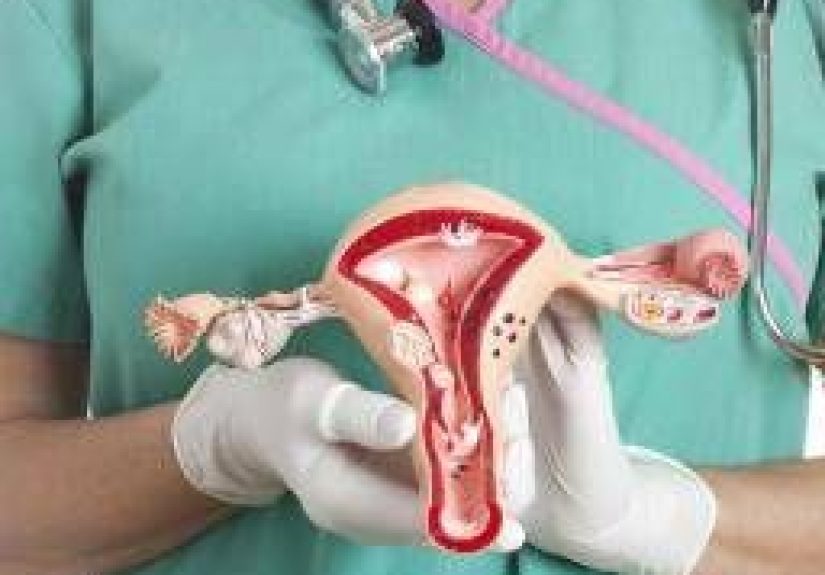
A hysterectomy removes the uterus (womb). After a hysterectomy, you won’t have menstrual periods and you can’t
become pregnant. That part is straightforward. What’s less obvious is that a hysterectomy does not always
mean your ovaries are removed, and it doesn’t automatically mean instant menopause. Those details depend on the type
of hysterectomy and whether other organs are removed at the same time.
Common terms you may hear
- Uterus: The organ where pregnancy develops.
- Cervix: The lower part of the uterus that opens into the vagina.
- Ovaries: Organs that make eggs and produce hormones like estrogen and progesterone.
- Fallopian tubes: Tubes that connect the ovaries to the uterus.
Uses: Why People Get a Hysterectomy
Hysterectomy can be recommended for conditions that cause serious symptoms, don’t respond well to other treatments,
or require surgery to protect health. It can be planned (elective) or urgent, depending on the situation.
1) Heavy bleeding that won’t quit
If abnormal uterine bleeding is persistent and severethink soaking pads, anemia, and “I plan my life around my
period” levelsyour clinician may discuss hysterectomy after other options have been tried or ruled out.
Example: Someone with years of heavy bleeding from fibroids tries hormonal therapy and a procedure like endometrial ablation, but symptoms return. A hysterectomy may become the definitive fix.
2) Uterine fibroids (leiomyomas)
Fibroids are noncancerous growths in the uterus that can cause heavy bleeding, pain, pressure, urinary frequency,
and a “why does my abdomen feel like it’s hosting a bowling ball?” sensation. Many people manage fibroids without
hysterectomy, but large, multiple, or stubborn fibroids may lead to surgical discussions.
3) Endometriosis or adenomyosis
Endometriosis occurs when tissue similar to the uterine lining grows outside the uterus. Adenomyosis happens when
uterine-lining tissue grows into the muscular wall of the uterus. Both can cause pain and heavy bleeding. A
hysterectomy may help adenomyosis significantly because it removes the uterus itself. For endometriosis, symptom
relief can varyespecially if endometriosis exists outside the uterus.
4) Uterine prolapse
When pelvic floor support weakens, the uterus can drop downward into the vagina. Symptoms may include pressure,
discomfort, urinary issues, and the sense that “something is falling.” Hysterectomy is one option, but not the only
one; some prolapse surgeries repair support without removing the uterus.
5) Cancer or precancer
Hysterectomy is often part of treatment for uterine (endometrial) cancer and may be used for cervical cancer,
ovarian cancer risk-reduction in certain cases, or serious precancerous changes (depending on diagnosis, stage, and
individualized planning). When cancer is involved, the surgical plan may include removing additional tissue or
lymph node evaluation.
6) Rare emergencies
In certain emergenciessuch as uncontrolled bleeding during childbirth or severe infectionhysterectomy can be
lifesaving. These situations are uncommon, but they’re a reminder that hysterectomy is sometimes urgent care, not
elective care.
When hysterectomy isn’t the first step
Because hysterectomy is major surgery and permanently ends fertility, clinicians usually review alternatives when
appropriate. Depending on the condition, options may include:
- Medication (hormonal therapy, non-hormonal options, pain management)
- Minimally invasive procedures (endometrial ablation for bleeding in select cases)
- Fibroid-focused treatments (myomectomy, uterine artery embolization in some cases)
- Prolapse repair without hysterectomy (uterus-sparing approaches)
Methods: Types of Hysterectomy (What Gets Removed)
“Hysterectomy” is a category, not a single one-size-fits-all operation. The type describes what is removed,
and the surgical approach describes how it’s removed.
Total hysterectomy
Removes the uterus and cervix. Despite the name, “total” doesn’t automatically include ovaries. (Medical naming is
sometimes like that friend who labels a group chat “Everyone” and still forgets to add two people.)
Supracervical (partial) hysterectomy
Removes the upper part of the uterus but leaves the cervix in place. This may be considered in some noncancer
situations, but it isn’t appropriate for everyone.
Radical hysterectomy
Removes the uterus, cervix, and surrounding tissues; it may include removing part of the vagina and lymph node
evaluation. This is most commonly used for certain cancers.
What about ovaries and tubes?
You may hear additional procedures mentioned alongside hysterectomy:
- Salpingectomy: Removal of the fallopian tubes.
- Oophorectomy: Removal of one or both ovaries.
- Salpingo-oophorectomy: Removal of tubes and ovaries (one side or both).
Removing ovaries can trigger surgical menopause if you haven’t reached menopause already. Keeping ovaries may help
maintain natural hormone production. Decisions depend on age, diagnosis, cancer risk, symptoms, and personal goals.
Methods: Surgical Approaches (How It’s Done)
The “route” or approach is about accesshow the surgeon reaches the uterus. Many hysterectomies are now done using
minimally invasive techniques when it’s safe and appropriate.
Abdominal hysterectomy (open surgery)
The uterus is removed through a larger incision in the lower abdomen. This approach may be needed for very large
uteri, extensive scar tissue, certain cancers, or complex anatomy. It often has a longer recovery than minimally
invasive options.
Vaginal hysterectomy
The uterus is removed through the vagina, with no abdominal incision. For many benign (noncancer) conditions, it can
be an excellent option with typically faster recovery and less postoperative pain.
Laparoscopic hysterectomy
Uses small abdominal incisions and a camera (laparoscope). The uterus is removed through small cuts or through the
vagina. Laparoscopic approaches are common and often allow quicker return to daily activities than open surgery.
Robotic-assisted laparoscopic hysterectomy
A form of laparoscopy where the surgeon controls robotic instruments. It may be helpful in certain complex cases,
depending on surgeon experience, anatomy, and the reason for surgery.
Before Surgery: Prep That Actually Helps
Preparation is where you quietly win half the battle. You can’t control everything (no one can), but you can set up
your environment and expectations so your recovery feels less like an obstacle course.
Medical prep
- Review your diagnosis and confirm the exact procedure planned (type + approach + whether ovaries/tubes are removed).
- Ask what pre-op tests you need (labs, imaging, possibly biopsy depending on symptoms).
- Discuss medications and supplementsespecially blood thinners, NSAIDs, and herbal supplements that may increase bleeding risk.
- If you smoke or vape, ask about stopping strategies; nicotine can impair healing.
Home prep
- Create a “recovery nest” with a charger, water bottle, meds schedule, snacks, and a pillow for abdominal support.
- Meal prep or stock easy foods (because standing at the stove while tired is not a personality trait you need to develop).
- Arrange help for the first few daysrides, child care, pet care, or simply someone to hand you the remote.
- Plan loose clothing and underwear that won’t press on incisions.
Recovery: What Healing Usually Looks Like
Recovery depends on the route of surgery, your overall health, and whether the procedure was straightforward or
complex. Many people feel noticeably better week by weekbut it’s normal for energy to return more slowly than your
optimism.
Typical recovery timelines (big picture)
- Minimally invasive (vaginal/laparoscopic/robotic): often around 3–4 weeks for major recovery, with continued improvement after.
- Abdominal (open): often around 4–6+ weeks, sometimes longer depending on healing and activity demands.
Hospital stay and the first few days
Some people go home the same day for minimally invasive procedures, while others stay one or more nights. Open
surgery more often involves a longer stay. Early priorities usually include pain control, walking short distances,
urinating normally, and gradually returning to eating.
Pain, fatigue, and “surprise” sensations
Pain and soreness are expected early on. After laparoscopic or robotic surgery, shoulder or upper abdominal
discomfort can happen because of the gas used during surgery. Fatigue is incredibly common; your body is using
energy to heal, even when you’re “doing nothing.”
Activity and lifting
Walking is usually encouraged soon after surgery because it helps circulation and can reduce the risk of blood
clots. Heavy lifting and intense exercise are typically restricted for several weeks. Your surgeon will give
personalized guidancefollow it like it’s the cheat code for a smoother recovery.
Work and driving
Returning to work depends on your job demands and how you’re healing. Desk work may be possible sooner than jobs
requiring lifting, prolonged standing, or physical labor. Driving is usually safe only when you can comfortably
move, react quickly, and you are not taking sedating pain medications. Your care team can give the safest “green
light” based on your case.
Bleeding and discharge
Light vaginal bleeding or spotting can be normal as tissues heal, especially in the first couple of weeks. However,
heavy bleeding, large clots, or bleeding that suddenly worsens should be reported right away.
Sex and pelvic rest
Many clinicians recommend avoiding vaginal intercourse for several weeks (commonly around 6 weeks) to allow internal
healingespecially if a vaginal cuff was created after cervix removal. Your surgeon will tell you when it’s safe to
resume sexual activity and tampon use.
Recovery: Red Flags That Should Get a Call (or Urgent Care)
Most recoveries are uneventful, but complications can happen with any surgery. Contact your clinician urgently (or
seek emergency care) if you have:
- Fever or chills
- Worsening pain that doesn’t improve with prescribed medication
- Heavy vaginal bleeding or large clots
- Foul-smelling discharge
- Redness, swelling, drainage, or opening at an incision site
- Burning with urination or inability to urinate
- Shortness of breath, chest pain, or calf swelling/pain (possible blood clot warning signs)
Long-Term Changes: Periods, Hormones, and Emotional Recovery
After hysterectomy, periods stop. That can feel like freedom, grief, neutrality, or a rotating blend depending on
what brought you to surgery and your life situation.
If your ovaries are kept
Many people keep their ovaries and continue producing hormones until natural menopause. You may still notice
temporary hormonal “weirdness” during recovery because surgery can stress the body and affect routine patterns.
If your ovaries are removed
Removing both ovaries causes surgical menopause, which can bring symptoms like hot flashes, sleep disruption, mood
changes, and vaginal dryness. Your clinician may discuss hormone therapy depending on age, cancer risk, and symptoms.
Mental health matters here, too
A hysterectomy can be emotionally complicated. Even when surgery is absolutely the right choice medically, it can
stir up feelings about identity, fertility, aging, relationships, or past medical experiences. It’s not “being
dramatic” to need support. It’s being human.
Frequently Asked Questions
Will I still need Pap tests?
It depends. If your cervix is removed and the surgery wasn’t for cervical cancer or serious cervical precancer, you
may not need routine cervical screeningbut recommendations vary. If your cervix remains (supracervical hysterectomy),
you’ll still need cervical screening based on guidelines and your history. Always confirm with your clinician.
Can I get pregnant after a hysterectomy?
Nobecause the uterus is removed, pregnancy isn’t possible after hysterectomy. If preserving fertility is a goal,
talk with a specialist before surgery about alternatives and options.
Will sex feel different?
Many people return to a satisfying sex life after recovery, and some report improvement if pain or bleeding was a
problem before surgery. Others need time to adjust physically or emotionally. Lubricants, pelvic floor physical
therapy, and open communication can help. If sex is painful after your “all clear,” bring it upthere are solutions.
Conclusion
A hysterectomy can be a powerful treatmentsometimes the most effective path to relief, sometimes a necessary step
in cancer care, and sometimes a decision that takes time and support to feel confident about. Understanding the type
of hysterectomy, the surgical approach, and what recovery typically involves can make the process far less
intimidating. Ask questions, advocate for your priorities, and plan your recovery like it’s a project worth doing
wellbecause it is.
Experiences: What People Commonly Report Before and After Hysterectomy
“Experience” is a tricky word in health writing because every body has its own personality. Some bodies heal like
they’re speed-running a video game. Others prefer a slower, cinematic storyline with lots of naps. Still, certain
patterns show up again and again in patient storiesespecially when it comes to decision-making, the first week of
recovery, and the emotional aftershocks (the kind nobody puts on the discharge paperwork).
Before surgery: relief, fear, and 47 tabs open
Many people describe the pre-surgery phase as mentally loud. Even when symptoms are severeheavy bleeding, anemia,
pain, pressure, missed workdeciding on hysterectomy can feel final. People often report bouncing between “I cannot
live like this anymore” and “What if I regret this?” It’s common to read forums, watch procedure videos, and make
lists of questions like you’re preparing for a courtroom drama. The most helpful experiences tend to come from
people who say they found a clinician who explained options clearly, respected their goals (including fertility or
quality-of-life priorities), and gave realistic expectationsnot a sales pitch.
Days 1–3: the nap era begins
In the first few days, fatigue is the headline. People often say they felt surprised by how tired they wereeven if
pain was well controlled. For minimally invasive surgery, some report shoulder or upper abdominal discomfort from
surgical gas, describing it as “weirdly annoying” rather than alarming. For open abdominal surgery, soreness at the
incision and difficulty standing fully upright at first are common themes. Across approaches, many people find that
short, gentle walks (even just around the room) help them feel more “human” and reduce stiffness.
Week 1: small wins feel big
A lot of recovery stories focus on tiny milestones: showering solo, making a simple meal, walking to the mailbox,
sitting comfortably at the table, sleeping through the night. People often recommend a pillow for coughing or
laughing (because apparently a funny TikTok can become a core workout). Many also talk about learning the difference
between “I’m bored” and “I’m healed.” Feeling better doesn’t always mean the inside is fully ready for big activity.
Weeks 2–4: energy returns… but not always on your schedule
Many patients describe the second and third weeks as a turning pointless soreness, more mobility, a clearer mind.
At the same time, it’s common to hit a “false normal” moment: you feel pretty good, do too much (laundry counts as
“too much” more often than people want to admit), and then get knocked back by exhaustion or increased discomfort.
People who report smoother recoveries often mention pacing: doing a little, resting, and treating recovery like
traininggradual, consistent, and boring in a productive way.
Emotional experiences: unexpected feelings are normal
Emotionally, experiences vary widely. Some people feel immediate relief and lightnessespecially if they lived with
years of pain or heavy bleeding. Others feel grief, even when they didn’t plan to have children or weren’t sure they
wanted them. Some describe a strange identity shift: “I didn’t realize how much I associated my uterus with
womanhood until it was gone.” Others feel nothing about it emotionally and mostly care that they can wear white
pants again. All of these reactions are valid.
Long-term: “I got my life back” is a common theme
In longer-term reflections, many people say the best part was regaining predictability: no more surprise bleeding,
no more pain dictating plans, no more anemia-driven fatigue. For some, sexual comfort improves when chronic symptoms
resolve; for others, it takes time and supportespecially if menopause symptoms appear after ovary removal or if
vaginal dryness becomes an issue. A repeated lesson in patient narratives is that follow-up care matters. People
often say they did best when they asked about pelvic floor physical therapy, discussed symptom changes early, and
didn’t “tough it out” in silence when something felt off.
If you’re considering a hysterectomy or recovering from one, the most reassuring takeaway from real-world
experiences is this: you don’t have to be brave 24/7. You just have to be honest with your care team, patient with
your healing, and willing to accept helpbecause recovery is not a solo sport.