Table of Contents >> Show >> Hide
- The Story Behind “I Invite You Into My Dollhouse”
- Why Dollhouses Are Such a Powerful Metaphor
- From Art to Hobby: The Real-World Dollhouse Boom
- Curated Lives, Instagram Aesthetics, and the “Pretty Cage”
- How to Build a Dollhouse Without Becoming One
- Inviting People Into Your Dollhouse (On Your Terms)
- of Real Dollhouse Experiences
Do you remember the first time you realized your life looked a little bit like a dollhouse?
Everything arranged just so, carefully curated for other people’s eyes, while the “real you”
sat somewhere behind the wallpaper, legs dangling over the edge of a tiny plastic bed.
That’s the haunting, oddly relatable energy behind “I Invite You Into My Dollhouse”,
a surreal art editorial featured on Bored Panda that turns a dollhouse into a sharp metaphor
for identity, image, and modern perfectionism.
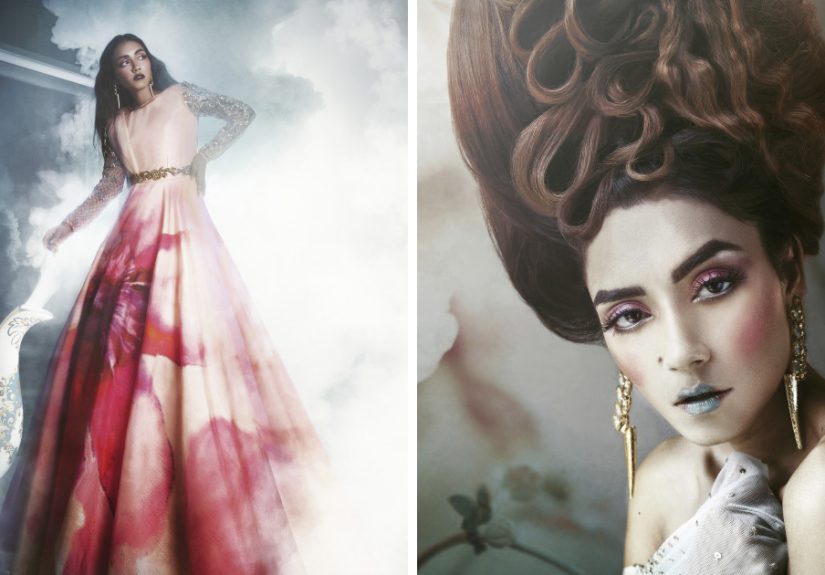
On the surface, it’s gorgeous: a woman styled like a porcelain doll, posed inside
whimsical sets, surrounded by “pretty things.” But look a little closer and the story shifts.
The photos and accompanying text are a satire of how we trade authenticity for aesthetics,
squeezing ourselves into narrow standards of beauty and behavior until our lives feel like
staged rooms in a tiny, fragile house.
In this article, we’ll step through that dollhouse door together. We’ll break down the
symbolism behind the concept, explore why the dollhouse theme shows up so often in art and
pop culture, and look at how the booming world of miniature houses and tiny interiors is
giving people a creative escape from real-world pressure. Consider this your tiny-house tour
for the soulshoes off, curiosity on.
The Story Behind “I Invite You Into My Dollhouse”
The original Bored Panda feature showcases an art series built around a single, powerful idea:
that we often become “decorative objects” in our own lives. Created as a conceptual editorial,
the project uses fashion photography, stylized sets, and poetic captions to show a woman
treated like an accessory in a carefully curated environment.
The creator has described the concept as a satire of how society pushes us to prioritize
visual perfection over inner substance. The dollhouse stands in for a world where everything
must be Instagrammable: clothes, body, home, relationships, even emotions. Rooms are
immaculate. Objects are arranged for maximum aesthetic impact. The “doll” herself is always
flawlesssmiling, posed, never messy, never too loud.
The twist is that this so-called perfect world is also a prison. The captions talk about
people who “can watch but can’t touch,” and hands “full of ambition” and “rotten intentions”
reaching in from outside. The doll doesn’t truly belong to herself; she belongs to the gaze
of others. The dollhouse becomes a glass box of expectations.
It’s no accident this story resonated on Bored Panda, where many visual narratives
highlight how people resist unrealistic standards and reclaim their identities. Here,
the dollhouse is both a warning and an invitation: come see how pretty this cage is
and then ask why we built it in the first place.
Why Dollhouses Are Such a Powerful Metaphor
Control, Perfection, and the Tiny World
Dollhouses have always been about control. You decide where the sofa goes, what color the
walls are, and whether the tiny residents are having a polite tea party or a full-scale drama
meltdown in the kitchen. In a miniature world, nothing is truly out of your hands.
That’s exactly why the dollhouse metaphor hits so hard in “I Invite You Into My Dollhouse.”
We love the idea of controlcarefully curating our lives so they look perfect from the outside.
Social media feeds become tiny rooms: the best angles, the best outfits, the best moments,
all lined up like furniture against a pristine wall.
But just like a dollhouse, what people see is always incomplete. They see the front-facing side,
not the messy back panels, loose wires, or the pile of tape and hot glue holding the whole
thing together. The photos hint at that tension: immaculate styling paired with text that
whispers about fear, judgment, and the pressure to stay “pretty on the shelf.”
The Gendered Weight of Being “The Doll”
Doll imagery has long been used to explore the pressure placed on women and femme-presenting
people: be pretty, be quiet, don’t take up too much space. In this editorial, the model is
literally posed as a dolldecorated, placed, repositioned. She’s an object to be looked at,
not a person shaping her own narrative.
The message dovetails with broader conversations about performative femininity and how
women are encouraged to prioritize outward appearance over inner needs. The “dollhouse” here
is not a cozy hobby project. It’s the emotional architecture of perfectionism,
people-pleasing, and curated identity.
From Art to Hobby: The Real-World Dollhouse Boom
Interestingly, while “I Invite You Into My Dollhouse” critiques the idea of being a doll,
the real-world dollhouse and miniatures hobby has exploded in popularity in a much more
empowering way. Adults are building and decorating tiny homes as a form of creative play,
stress relief, and even self-expression.
Hobbyists describe working on miniature houses as deeply calming: measuring tiny trims,
painting little walls, and assembling furniture one microscopic chair leg at a time. Craft
blogs and miniatures communities highlight how this kind of slow, detailed work encourages
mindfulness and can ease anxiety, functioning almost like hands-on meditation.
Research on creative hobbies backs this up. Spending time on crafts like miniature-building
can reduce stress, help regulate mood, and offer a sense of accomplishment even when life
feels chaotic. Instead of being forced into a dollhouse, you’re the one designing it
and that shift in agency makes all the difference.
The Mental Health Benefits of Tiny Worlds
Many makers talk about their workbench or craft table as an emotional “safe room.” Within
that small piece of the world, they can experiment, make mistakes, and rebuild without
real-life consequences. If the wallpaper is crooked, you peel it off and try again.
If a window breaks, you glue it back. It’s failure in miniaturegentle and fixable.
Therapists and educators have also noted that miniature play and dollhouse building can help
kids and adults process emotions. When you place figures in a room and decide their story,
you’re often working through your own experiences in symbolic form. The dollhouse becomes a
rehearsal space for boundaries, conflict, and even healing.
In that sense, the metaphor behind “I Invite You Into My Dollhouse” and the real hobby
of dollhouse building actually meet in the same place: both acknowledge that our surroundings
shape how we feeland that tiny spaces can hold surprisingly big truths.
Curated Lives, Instagram Aesthetics, and the “Pretty Cage”
Scroll through Instagram or TikTok and you’ll see entire feeds that look like dollhouses:
pastel coffee corners, perfectly layered bookshelves, unwrinkled linen sheets that have
clearly never met a toddler or a cat. It’s no coincidence that the Dollhouse editorial feels
like it belongs in that universeit’s critiquing the very culture it visually resembles.
The shots of the “doll” surrounded by beautiful objects mimic the mood of influencer
lifestyle images. But the accompanying text hints that this environment is suffocating:
other people’s expectations become the invisible hands rearranging the furniture.
She’s always on display, always within reach, but never fully in control.
If you’ve ever agonized over whether to post a picture because your room wasn’t spotless or
your face didn’t look “filter-ready,” you’ve felt a bit of that dollhouse pressure.
We turn our homes and bodies into sets, our days into content. The editorial holds up a
tiny mirror to that habit and asks: At what point does curating your life turn into
living for the audience?
Breaking Out of the Dollhouse
The good news is that we can choose to step out of the tiny rooms we’ve built for ourselves.
Many creators and influencers are already pushing back against perfectly staged lives by
posting “messy reality” photos, talking openly about mental health, and reframing what
it means to be “presentable.”
Translating that spirit back to the Dollhouse series, the invitation isn’t just to come
inside and stare at the pretty rooms. It’s to recognize the cage, question it, and then
knock down a few walls. Maybe the real glow-up is not a new lamp or nicer curtains, but
leaving the room altogether.
How to Build a Dollhouse Without Becoming One
If the images from “I Invite You Into My Dollhouse” have you itching to play with scale
(but not your sanity), there are plenty of ways to dive into the world of miniatures in a
healthy, joyful way. Think of it as reclaiming the dollhouse: this time, you’re the architect,
not the occupant.
Start Small: One Room at a Time
Most experienced miniaturists recommend starting with a single room or a small kit instead
of a giant four-story mansion. A cozy studio apartment or tiny kitchen scene is easier
to finish and less likely to end up half-painted in your closet of abandoned hobbies.
Beginning with one room lets you experiment with flooring, wallpaper, and furniture without
getting overwhelmed. You can test out your stylemodern, cottagecore, gothic, chaotic maximalist
grandmabefore committing to a huge build.
Make It Personal (Weird Is Good)
One of the most delightful things about dollhouse communities is how personal and gloriously
weird people’s builds become. Some create perfect historic replicas; others build miniature
witch cottages, neon cyberpunk lofts, or tiny replicas of their first apartment (yes, including
the suspicious radiator and the thrift-store couch).
If “I Invite You Into My Dollhouse” is about being forced into someone else’s aesthetic,
your own project can be the opposite. Want a kitchen where every cabinet is filled with tiny
cereal boxes? Do it. Dream of a living room where the entire wall is bookshelves and the
residents are three tiny skeletons in sweaters? Also valid.
Use the Hobby as a Safe Outlet, Not a New Pressure
It’s easy to turn any hobby into another performance, especially when social media is part
of the picture. Try to treat your dollhouse workbench as a judgment-free zone. You don’t have
to post every mistake, finish every project by a deadline, or chase likes for your tiny sofa.
Give yourself permission to make crooked wallpaper, spilled paint, and wonky chairs.
Those imperfections can become part of the storyproof that a real human, not a flawless doll,
built this world. The goal isn’t to out-pretty everyone else’s dollhouse; it’s to build
something that feels like yours.
Inviting People Into Your Dollhouse (On Your Terms)
The title “I Invite You Into My Dollhouse” is doing a lot of emotional work. An invitation
is voluntary. It implies ownership and boundaries: this is my space, and I decide who
comes in. The pain of the editorial comes from the fact that the doll doesn’t truly
have that powerbut you do.
In real life, inviting people into your “dollhouse” might look like sharing a vulnerable
story, showing a not-perfect angle of your home, or talking honestly about the things
you’re still figuring out. It could mean posting your miniatures even if they’re not
gallery-ready, or telling a friend how you really feel instead of giving the polished,
Instagram caption version of your life.
When we choose how and when to open the door, the dollhouse stops being a cage and becomes
a homea tiny, strange, uniquely beautiful home that reflects who we are, not who we think
we’re supposed to be.
of Real Dollhouse Experiences
To understand why the Dollhouse editorial strikes such a nerve, it helps to listen to people
who live with dollhouses in a much more literal way. Ask around in miniature and hobby
communities and you’ll hear stories that sound like therapy sessions disguised as craft
updates.
One woman in her thirties describes her first dollhouse as a “do-over childhood home.”
Growing up, her real house was chaotic and unpredictable, full of slammed doors and unpaid
bills. Now she’s building a tiny two-story with stable, warm lighting, an overstocked pantry,
and a reading nook in every room. She jokes that her mini residents are “obnoxiously healthy
communicators.” When she adds a tiny mug to the kitchen table or glues down a rug,
she’s quietly rewriting the story of what a home can feel like.
Another hobbyist, a retired engineer, got into miniatures after downsizing from a big
family house to a small apartment. He says he missed the feeling of “tinkering with a house”
without wanting the actual maintenance bills. Now he spends evenings wiring tiny LED
chandeliers and designing miniature staircases. “It’s like being a landlord with none
of the plumbing emergencies,” he jokes. In the process, he found a new creative identity
after leaving his careera reminder that we’re more than our job titles.
For some, the dollhouse is a way to reconnect with play after years of being “the responsible
one.” A busy parent describes sneaking in 20 minutes at her craft table after bedtime.
Her kids think she’s just fixing “mom’s toy house,” but she describes those minutes as
sacred. She isn’t meal planning, answering emails, or cleaning up spilled juice.
She’s choosing wallpaper patterns, arranging tiny plants on a shelf, and letting her mind
wander. “It’s the only time I’m not performing for someone else,” she says.
You’ll also hear from people who discovered dollhouses through Bored Panda posts themselves.
They stumbled across an articlemaybe a grand historic mini-mansion, a perfectly detailed
tiny bakery, or the striking visuals of “I Invite You Into My Dollhouse”and thought:
Wait, grown-ups are allowed to do this? That moment of permission can be huge.
A hobby that once felt “childish” suddenly becomes a respected art form, a mental health tool,
or even a small side business selling tiny plants and pastries online.
Then there’s the emotional side of inviting others in. Many creators talk about the first
time they shared their miniatures with friends or online communities. They worried people
would think it was silly. Instead, they got genuine delight: comments about how calming
the photos were, how people loved zooming in to spot all the little details, how someone
felt less alone seeing a tiny replica of their own messy desk.
That’s the flip side of the Dollhouse editorial’s critique. Yes, the gaze of others can be
suffocatingbut it can also be connective when we show up as we are instead of as dolls.
When people share their miniature worlds with honesty (crooked tiles and all),
they’re not performing perfection. They’re offering a peek at what brings them joy,
comfort, and meaning.
So when you read “I Invite You Into My Dollhouse,” you can hear it two ways. In the original
art, it’s a slightly eerie whisper from someone trapped in a pretty cage. In the hands of
hobbyists and storytellers, it becomes something warmer: an open door, a “come in and sit
down” that says, this is my tiny world; you’re welcome here, and I don’t have to be
perfect to let you see it.
Maybe that’s the real invitation: to build lives that feel less like stiff display pieces
and more like dollhouses we’re actively designingexperimenting, repainting, rearranging,
and occasionally knocking down walls when they no longer fit. You can love the tiny lamps,
the delicate teacups, and the pastel wallpaper, as long as you remember one thing:
you are the one holding the house, not the doll trapped inside it.