Table of Contents >> Show >> Hide
- Why Pet Portraits Took Off When the World Shut Down
- Step 1: Choose a Pet Portrait Style You Can Repeat
- Step 2: Build a Simple “Commission Menu” (So Customers Don’t Panic)
- Step 3: Price Like a Business Owner, Not Like a Nervous Artist
- Step 4: Pick Where You’ll Sell (Etsy, Shopify, or “DM Me”)
- Step 5: Make Your Listings Search-Friendly (Without Sounding Like a Robot)
- Step 6: Create an Intake Process That Prevents Chaos
- Step 7: Build a Workflow You Can Run on Low Sleep
- Step 8: Shipping Without Bending, Smudging, or Tears
- Step 9: Marketing That Didn’t Make Me Feel Like a Street Magician
- Step 10: The “Adulting” PartLegal, Taxes, and Protecting Your Time
- How It Changed After the First 50 Orders
- Conclusion: The Unexpected Gift of Starting Small
- Extra: of Lockdown Lessons From My Pet Portrait Studio
Lockdown did weird things to all of us. Some people learned sourdough. Some people alphabetized their spice racks (twice). I looked at my dog, who was calmly judging my third “work-from-couch” outfit of the day, and thought: What if I turned this furry roommate into a business plan?
That’s how my pet portrait business was bornbetween Zoom calls, anxious news scrolling, and the sudden realization that every household in America seemed to be adopting a pet and then taking 800 photos of them sleeping. The timing wasn’t just lucky; it was a full-on cultural moment. People wanted comfort, connection, and something meaningful to hang on the wall when the days blurred together.
This is the story of how I started selling custom pet portraits during lockdownand the practical, not-too-glamorous steps that turned “I like drawing dogs” into “I have a waitlist and a shipping label printer.”
Why Pet Portraits Took Off When the World Shut Down
During the pandemic, millions of households brought home new pets. With more pets came more “pet parent energy”the kind that makes you celebrate a dog’s birthday with a cake and a theme. And when you’re stuck at home, you notice the little things: the head tilt, the goofy grin, the dramatic cat stare that says, “I’ve seen your browser history, Susan.”
Pet portraits fit the moment for three simple reasons:
- They’re personal. People were craving emotional anchorssomething that felt warm and real.
- They’re giftable. When you can’t visit family, a portrait of Mom’s beloved beagle is basically a hug in a box.
- They work online. Customers can order from photos. No in-person meetings, no awkward small talk, no “Can you just swing by and sketch him real quick?”
Step 1: Choose a Pet Portrait Style You Can Repeat
The fastest way to burn out is to offer “anything you want, in any style, in any size, with optional dragon wings.” Lockdown was already stressful. I needed a style that was repeatable and recognizablesomething I could do well, consistently, without losing my mind.
What I tested first
- Digital pet portraits (delivered as a high-res file): quick turnaround, no shipping headaches, great for last-minute gifts.
- Traditional portraits (watercolor/colored pencil): higher perceived value, better for premium pricing, more time-intensive.
- “Fun” options (royal outfits, astronaut helmets, vintage styles): excellent for social media shares and gift buyers.
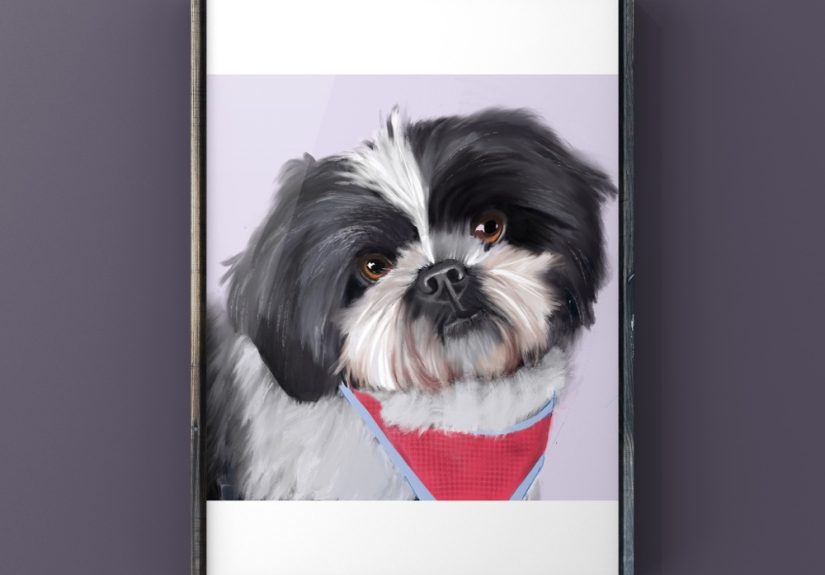
I landed on a core offering: clean, bright portraits from a single reference photo, with optional add-ons (extra pets, background, printed upgrade). That became my signature.
Step 2: Build a Simple “Commission Menu” (So Customers Don’t Panic)
People love buying art… until they have to make decisions. The commission menu solves that. I made mine painfully simple:
- Package A: One pet, head-and-shoulders, plain background
- Package B: One pet, full body, simple color background
- Package C: Two pets, same canvas, simple background
- Add-ons: extra pets, name text, detailed background, rush fee, print shipping
That menu did three things: it set expectations, reduced back-and-forth, and made pricing feel “real” instead of made up on the spot.
Step 3: Price Like a Business Owner, Not Like a Nervous Artist
Pricing was the part where my confidence briefly left my body. I wanted to be affordable, but I also didn’t want to work for the hourly rate of a vending machine.
So I used a straightforward formula:
- Time (estimated hours) × hourly rate
- + materials (paper, ink, paint, packaging)
- + overhead (platform fees, website, software)
- + buffer (revisions, admin time, the occasional “my printer is possessed” incident)
Real example pricing (for sanity)
If a portrait takes 6 hours and I’m targeting $30/hour, that’s $180 before materials and fees. Add $10–$20 for supplies and packaging, plus platform/payment fees, and suddenly a $225 price tag doesn’t feel “too expensive.” It feels like math.
I also started requiring a deposit (often 50%) to confirm the slot. It reduced ghosting and made the workflow smootherespecially when orders surged.
Step 4: Pick Where You’ll Sell (Etsy, Shopify, or “DM Me”)
During lockdown, customers were online all day and shopping in bursts of emotion: “I need a dopamine hit and also a memorial portrait of my childhood cat.” You want to be where they already are.
Etsy (the “built-in traffic” option)
Etsy is great for pet portrait commissions because people actively search for gifts like “custom dog portrait” and “pet memorial art.” The tradeoff is competition and fees. Your listings need to be sharp.
Shopify (the “build your brand” option)
A standalone store looks more premium and gives you control. It’s great when you have returning customers, email subscribers, or a strong social media pipeline.
Instagram + DMs (the “fast start” option)
It works, but it gets messy quickly. If you go this route, at least use a form for intake and an invoice system for payments.
I started with Etsy for demand and later added a simple storefront to look more established. Think of it like renting a busy booth at a market, then eventually opening your own shop down the street.
Step 5: Make Your Listings Search-Friendly (Without Sounding Like a Robot)
SEO isn’t just for Googleit matters inside marketplaces too. The goal is simple: match how real people search.
Keywords I used naturally
- custom pet portraits
- pet portrait commission
- dog portrait from photo
- cat portrait personalized
- pet memorial portrait
- digital pet portrait
- personalized pet gift
I put key phrases in the title, first paragraph of the description, and tagsthen wrote the rest like a normal human. No keyword soup. No repeating “custom dog portrait” 43 times like I’m summoning a demon.
Photos that actually sell portraits
People can’t touch your art online, so your photos do the heavy lifting. I used:
- One clean hero image (the portrait, straight-on, bright lighting)
- Close-ups (brush texture, details, eyes, fur)
- Scale shots (in a frame, on a wall, on a desk)
- Process shots (sketch to finalcustomers love this)
Step 6: Create an Intake Process That Prevents Chaos
Here’s the truth: the art part is only half the job. The other half is managing information so you don’t spend your evenings hunting through old messages like a detective with a caffeine problem.
My non-negotiables for reference photos
- Good lighting (no dark, blurry “cryptid in the hallway” photos)
- Eyes visible (the portrait lives or dies in the eyes)
- Fur color accurate (mixed lighting turns black dogs into purple shadows)
- One primary photo + optional extra photos for markings
I used a simple form: name, email, pet’s name, style choice, deadline, and photo upload. It made everything faster and more professional.
Revision rules (aka “the boundary that saved me”)
I offered one small revision included (like adjusting a marking or collar color). Anything beyond that was either a paid revision or a polite “I’m not the right artist for this.” Boundaries are customer service for your future self.
Step 7: Build a Workflow You Can Run on Low Sleep
Lockdown life was unpredictable. So I batched everything:
- Monday: confirm orders, gather photos, send proof timelines
- Tuesday–Thursday: sketch block, then color block
- Friday: finalize + photograph finished work
- Weekend: packaging + shipping, schedule posts, rest
I also created templates: email replies, “how to take a great pet photo” instructions, and a consistent naming system for files. It wasn’t glamorous, but it kept me from accidentally delivering “Bella_Final_FINAL2_reallyfinal.png” to the wrong person.
Step 8: Shipping Without Bending, Smudging, or Tears
Shipping physical art is a trust exercise. Customers want their portrait to arrive flat, clean, and not smelling like the inside of a warehouse.
My packaging basics
- Clear sleeve (keeps moisture and smudges away)
- Rigid backing board (prevents bending)
- Rigid flat mailer for small/medium prints
- “Do Not Bend” label (not magic, but it helps)
For larger prints, I tested tubes, but customers often hated unrolling. Flat shipping worked better when possible, even if it cost a bit more.
I also baked shipping costs into my pricing or charged separatelybecause nothing kills profit like undercharging shipping on a “quick little 11×14.”
Step 9: Marketing That Didn’t Make Me Feel Like a Street Magician
I’m not naturally a “HEY BESTIE BUY MY ART” person. So I leaned into marketing that felt like storytelling.
What worked during lockdown
- Before-and-after reels: reference photo → sketch → final portrait
- Customer reactions: (with permission) messages and unboxings
- Seasonal hooks: Mother’s Day, Father’s Day, holidays, memorial moments
- Partnerships: rescues, pet groomers, local pet shops (gift cards and cross-posts)
And yes, I posted consistentlybut I kept it sustainable. Three strong posts a week beat daily posting that makes you resent your own paintbrush.
Step 10: The “Adulting” PartLegal, Taxes, and Protecting Your Time
Nothing ruins a creative high like realizing you should probably track expenses. But this is what turned my portrait hustle into a real business.
Hobby vs. business (why it matters)
If you’re earning money regularly, you need to understand how your activity is classified and how income is reported. Even if it starts as a hobby, consistent profit and business-like behavior can push it toward “business” territory. I kept receipts, tracked mileage for shipping runs, and separated business income in a dedicated account. It made tax season less terrifying.
Deposits, invoices, and clear terms
I used invoices with a deposit option and wrote clear terms: what the customer gets, timeline, revisions, and usage rights (personal use vs. commercial). Clear terms reduce misunderstandingsand misunderstandings are the #1 cause of “Can you just change everything?” messages.
Reference photos and copyright basics
Most pet portrait clients use their own photos, which is ideal. If a client ever sends a professional photo from a photographer, I make sure they have permission to use it for a commissioned artwork. It’s not about being paranoidit’s about being respectful and avoiding avoidable problems.
How It Changed After the First 50 Orders
The first orders felt like miracles. After 50, it felt like operations. That’s when I:
- Raised prices to match demand (waitlists are data)
- Narrowed offerings to what sold best
- Created “rush slots” at premium pricing
- Standardized print fulfillment so I wasn’t personally wrestling every order into a mailer at midnight
And the biggest shift? I stopped thinking of myself as “someone who draws pets” and started thinking like a business owner who delivers a specific product with a consistent experience.
Conclusion: The Unexpected Gift of Starting Small
I didn’t start a pet portrait business because I had a five-year plan. I started it because lockdown made life feel fragile, and I wanted to build something joyfulsomething that made people smile when everything else felt heavy.
If you’re thinking about launching your own pet portrait commissions, the key isn’t being the “best artist on the internet.” The key is building a repeatable offer, pricing with intention, showing up where buyers already search, and treating your process like a product.
And if your cat decides to sit on your packaging supplies at the worst possible timecongratulations. You’re officially running a pet-based enterprise.
Extra: of Lockdown Lessons From My Pet Portrait Studio
I learned more about people (and pets) from commissions than I expected. One of my first customers ordered a portrait of an elderly golden retriever named Sunny. The dog had that soft, wise face like she’d personally counseled half the neighborhood through breakups. The customer messaged me, “She’s the reason I got through quarantine.” No pressure, right? I stared at Sunny’s reference photo like it was a final exam. The finished portrait wasn’t perfectbut when the customer wrote back, “You captured her kindness,” I realized the job wasn’t just accuracy. It was emotional translation.
Lockdown also taught me the power of boundaries. In the beginning, I answered messages instantly because… what else was I doing, scrolling again? But “instant replies” quickly became “customers assume I’m available 24/7.” So I set office hours and used an auto-response: friendly, clear, professional. Weirdly, customers respected me more. It turns out professionalism isn’t coldit’s calming. People like knowing what happens next.
I also learned that pricing is not a moral test. Early on, I undercharged because I thought it would bring more orders. It did. It also brought the kind of orders that wanted twelve revisions, a miracle timeline, and a discount “since it’s just a quick drawing.” Raising prices didn’t scare away good customers; it filtered in the right ones. The buyers who truly valued the work didn’t flinch. They were buying a memory, a tribute, a celebrationnot just pigment on paper.
Some days, marketing felt like shouting into a void. Then I posted a time-lapse of me painting a schnauzer with dramatic eyebrows and the internet decided that was exactly what it needed. Orders came in waves. That’s when I learned consistency beats intensity. Three solid posts a week, plus showing my process, beat frantic daily posting that made me hate my own business. People love the behind-the-scenes. They want to see your pencil sketch. They want to watch the eyes come to life. They want proof a human made it, while a very judgmental pet supervised.
My favorite lesson was the simplest: customers want to feel taken care of. A clear timeline, a quick confirmation, a photo of the finished piece before shippingthose tiny steps turned one-time buyers into repeat customers. Lockdown was lonely. A thoughtful, personal experience mattered more than ever.
And yes, sometimes the pets “helped.” My dog once stepped in a bit of spilled water and left tiny paw prints across my studio floor like a minimalist art installation. I considered signing it and listing it as “abstract.” Instead, I cleaned up, laughed, and got back to workbecause that’s what the business became: a small, steady thing I could control in a world that felt completely out of control.