Table of Contents >> Show >> Hide
Editor’s note: Replace the image filenames below with your final 12 photographs before publishing.
Some photographers chase perfect sharpness. Some chase viral trends. And then there are those of us who look at a pool of window light, a velvet curtain, and a slightly dramatic pear and think, “Yes. This absolutely needs to become a tiny 17th-century crisis.” That is the spirit behind painterly photography that looks like Baroque paintings: images built with mood, shadow, texture, and just enough theatrical flair to make viewers wonder whether they are looking at a camera file or an oil painting that somehow learned how to export as a JPEG.
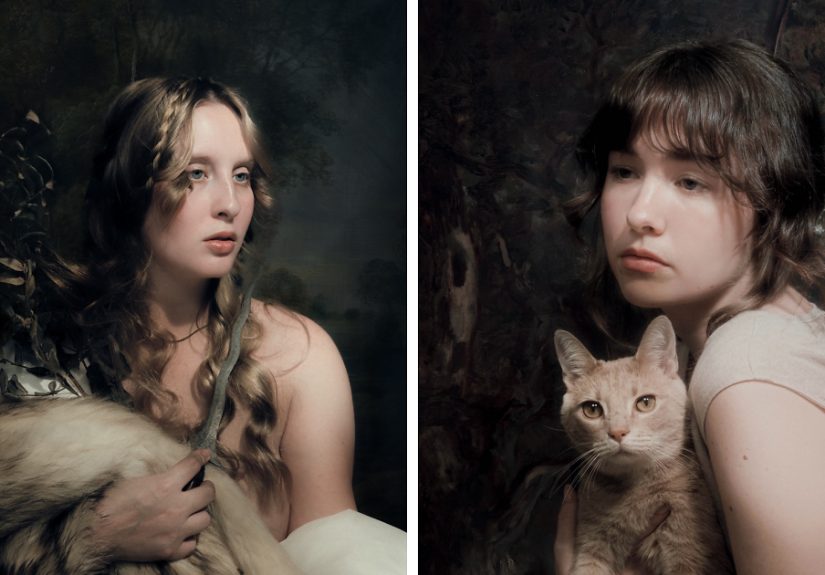
This style is having a very online moment, and for good reason. Baroque-inspired photographs feel rich without being stiff, dramatic without being cheesy, and artful without requiring a castle, a horse, or a suspiciously available cherub. They borrow the visual language of old master paintingdeep shadows, luminous skin, careful composition, earthy color palettes, and emotional stillnessthen translate it into modern portraiture, still life, and conceptual storytelling. The result is a kind of visual time travel, only with better sensors and fewer powdered wigs.
What makes these images so compelling is not just the look. It is the tension. Baroque painting was built on drama: light versus darkness, softness versus structure, beauty versus unease. Great painterly photography taps into the same push and pull. A face half-lit by a window can feel more intimate than a fully lit portrait. A hand clutching a pomegranate can look like a quiet symbol instead of a grocery errand. Fabric, flowers, fruit, lace, pewter, smoke, and shadow all become part of the storytelling. Nothing is random. Even the mess is curated.
Why Baroque-Inspired Photography Feels So Magnetic
At the heart of the Baroque look is drama shaped by light. The classic reference point is chiaroscuro, the powerful contrast between illuminated forms and deep shadow. In painting, artists used it to create volume, tension, and emotional intensity. In photography, the same principle can turn an ordinary room into a stage. One window, one directional lamp, or one carefully placed softbox can create depth that feels almost sculptural.
That is why painterly photographs often seem more “felt” than merely seen. The shadows are doing narrative work. They hide part of the story, which makes the viewer lean in. The highlights are selective, not democratic. A cheekbone glows. Satin catches light. A hand emerges from darkness. The background recedes. Suddenly the image has hierarchy, and your eye knows exactly where to go.
Texture matters just as much. Baroque-inspired images love surfaces with personality: linen, velvet, brocade, wrinkled paper, cracked plaster, old wood, tarnished silver, bruised fruit, cloudy glass. These textures stop a digital photograph from feeling too slick. They add tactility, which is another way of saying the photo looks like it belongs in a candlelit room instead of a phone ad. When the textures are paired with a restrained paletteumber, burgundy, olive, cream, black, muted goldthe final image feels cohesive and timeless.
Composition is the other secret ingredient. Painterly photographs rarely feel accidental. Subjects are placed with intention. Hands are expressive. Negative space is used to create tension. Fabrics drape in ways that echo classical portraiture. Objects are arranged in layers rather than spread flat like a yard sale. Even when the mood is spontaneous, the structure underneath is usually very deliberate. That is the trick: the photo should look effortless while being almost hilariously not effortless.
How I Create Photographs That Resemble Baroque Paintings
I begin with light, because everything else is basically decorative panic without it. My favorite setup is simple: one dominant light source, placed to the side of the subject, with the rest of the room kept relatively dark. A north-facing window is wonderful. A continuous LED light with a soft modifier also works beautifully. The goal is not brightness; it is direction. I want light to fall across the face, fabric, flowers, or objects in a way that creates shape and falloff.
Then I build the scene around that light. Wardrobe matters. Loose sleeves, textured garments, vintage-inspired fabrics, lace collars, embroidered details, and rich dark tones all help. I am not trying to costume someone into a museum extra. I am trying to create visual weight. Contemporary clothing can work too, but it needs restraint. A giant logo is not exactly whispering “old master.” It is shouting “mall.”
Props help carry the illusion. Fruit, books, candles, wilted florals, ceramic bowls, brass, and aged wood are the dependable overachievers of painterly photography. They bring form, symbolism, and texture into the frame. Still-life setups, especially, benefit from small imperfections: a folded napkin, a petal on the table, a pear that has seen some things. The goal is not pristine styling. It is believable richness.
Posing is kept slow and intentional. I ask subjects to settle rather than perform. A turned shoulder, lowered chin, resting hands, and an unfussy expression usually work better than broad smiles or fashion-editorial exaggeration. Baroque-inspired images thrive on quiet intensity. The subject does not need to look miserable. But they should look like they know a secret and are under no obligation to share it.
Finally, post-processing seals the look. I lower overly modern clarity, shape the contrast with care, deepen shadows, soften transitions where needed, and keep skin believable rather than plastic. Color grading leans warm, muted, and grounded. Highlights should feel luminous, not crispy. Blacks should feel deep, not crushed into oblivion. The goal is painterly, not muddy. A photo that looks like a masterpiece left in a puddle is still a problem.
12 Painterly Photographs That Channel Baroque Energy


Why Viewers Keep Falling for This Look
Painterly photographs feel rare in a world overloaded with bright, fast, disposable images. They slow the scroll. They invite inspection. They reward attention. And they prove that technical photography does not have to feel cold. When the image carries atmosphere, viewers do not just notice itthey stay with it.
There is also something satisfying about seeing old visual traditions translated into a contemporary medium. Baroque painting was never subtle in its emotional ambitions, and that is part of its appeal. It aimed to move the viewer. Painterly photography does the same thing, only now the frame might be made in a studio apartment with one light, a bedsheet, and a bowl of grocery-store plums. Art history has entered its practical era.
Most of all, these images remind us that style is not about expensive gear or elaborate sets. It is about intention. A photograph becomes painterly when light is shaped, color is restrained, composition is thoughtful, and every element in the frame is working toward one emotional result. That is the real magic. Not that the photograph looks like a painting, but that it feels like one.
My Experience Creating Painterly Photographs That Resemble Baroque Paintings
What surprised me most when I started making painterly photographs was how little the process felt like “taking pictures” in the casual sense. It felt closer to directing a tiny theater production where the cast included fabric, shadows, and fruit with strong opinions. I had to slow down. I had to pay attention to how light moved across skin, how a sleeve folded, how a dark background either swallowed the subject whole or framed them beautifully. That slower pace changed the way I looked at photography altogether.
At first, I made the classic mistakes. I added too many props. I over-lit scenes that were begging for restraint. I edited the files too aggressively and turned soft drama into crunchy melodrama. But the more I worked in this style, the more I realized that painterly images succeed because of discipline, not decoration. Every extra object in the frame has to earn its place. Every highlight has to matter. Every shadow has to feel intentional. Once I understood that, the images began to breathe.
I also discovered that subjects respond differently to this approach. People tend to settle into quieter, more thoughtful expressions when the set is calm and the direction is gentle. They stop “performing for the camera” and start inhabiting the space. That shift is huge. It creates portraits that feel less like content and more like presence. Even still life setups have that same effect on me. Arranging a pear, a glass, and a piece of cloth under one light can become strangely meditative. It is visual problem-solving, yes, but it is also mood-building.
Another lesson was that painterly photography does not require a grand location. Some of my favorite frames came from ordinary rooms with one good window and a dark corner. A plain wall can become dramatic if the light is right. An old table can look noble with linen and careful composition. This style taught me to stop waiting for perfect conditions and start shaping the conditions I had. That was freeing. It made the work feel more personal and less dependent on ideal circumstances.
In the end, creating photographs that look like Baroque paintings has made me more patient, more observant, and honestly a little more obsessed with shadows than is probably normal. But that is part of the joy. This kind of image-making asks for attention, rewards experimentation, and turns everyday materials into something unexpectedly timeless. And when someone looks at one of my photos and asks, “Wait, is this a painting?” I consider that a very respectable little victory.