Table of Contents >> Show >> Hide
- What a Car Snorkel Actually Does
- Does a Snorkel Mean the Vehicle Can Drive Underwater?
- The Biggest Misconception: Snorkels Are Not Just for Water
- Is a Snorkel Good for Performance?
- Why Some Snorkels Face Forwardand Why Some Can Face Backward
- What It Means About the Vehicle Owner
- Vehicles That Commonly Wear Snorkels
- What a Snorkel Does Not Guarantee
- Are Snorkels Worth It?
- Installation Matters More Than the Look
- So, If You See a Large Snorkel on a Car, What Does It Mean?
- Real-World Experiences With Vehicle Snorkels
- Conclusion
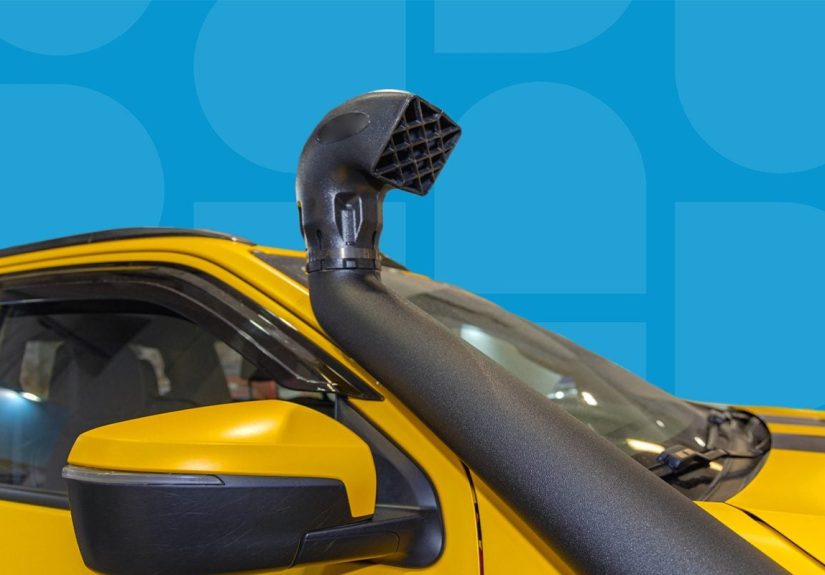
Spot a vehicle with a big plastic tube running up the side of the windshield pillar, and your first thought might be, “Well, somebody clearly wants their SUV to cosplay as a submarine.” Fair guess. But that oversized tubecalled a snorkel or raised air intakeactually has a real purpose, and it is not just there to make the driver look like they spend weekends wrestling crocodiles in the outback.
In the automotive world, a snorkel is a modified air intake system that moves the engine’s intake opening from a lower, more vulnerable spot under the hood to a higher position near roof level. The basic idea is simple: the higher the intake sits, the better chance the engine has of breathing cleaner, cooler, and drier air when the vehicle is driving through dust, splashing through water, or crawling across rough trails.
So if you see a large snorkel on a car, truck, or SUV, it usually means one of three things. First, the owner actually takes that vehicle off-road and wants added protection. Second, the driver lives somewhere with deep dust, mud, flood-prone roads, or frequent water crossings. Third, yes, they may also like the rugged look. All three can be true at once. Humans are wonderfully complicated.
What a Car Snorkel Actually Does
The easiest way to understand a vehicle snorkel is to think of it as an elevated breathing tube for the engine. An internal combustion engine needs a steady supply of air to mix with fuel. On many factory vehicles, the stock air intake sits somewhere behind the grille, inside the fender, or under the hood. That is perfectly fine for regular commuting, grocery runs, and the occasional dramatic parking-lot puddle.
But once a vehicle heads into harsher conditions, that low intake location can become a weakness. Dust hangs lower to the ground. Water splashes upward. Mud, silt, and debris get thrown around. A snorkel lifts the intake opening higher so the engine is less likely to inhale the stuff it definitely should not.
That means a snorkel’s job is not only about deep water. In fact, many off-road enthusiasts will tell you that the biggest everyday benefit of a snorkel is cleaner air in dusty environments. Follow another 4×4 on a trail, and you can end up driving through a rolling brown cloud that looks like the earth itself is mildly annoyed with you. A raised intake helps the engine pull air from a cleaner zone above much of that dust.
Why the Height Matters
Height matters because air quality changes depending on where the intake is located. Lower intakes are more exposed to standing water, splashback, and dense dust clouds. A snorkel places the inlet near the roofline or A-pillar, where the air is generally cleaner and less likely to carry water droplets, dirt, or trail debris. That can help the air filter last longer and reduce the chance of harmful contaminants reaching the engine.
Why the Shape Looks So Dramatic
Snorkels are large because they need enough internal volume to feed the engine without choking airflow. Most are molded to fit a specific vehicle and run up the side of the windshield so they can stay out of the driver’s view as much as possible while keeping the intake opening high. The forward-facing or reversible head at the top is designed to guide air in, and some versions also help separate water from the incoming airstream.
Does a Snorkel Mean the Vehicle Can Drive Underwater?
No. Absolutely not. This is the part where fantasy and physics shake hands, then physics wins.
A snorkel can help a vehicle deal with deep water crossings by reducing the risk of the engine sucking in water through the intake. That matters because water ingestion can cause hydrolock, a condition where water enters the cylinders and prevents the engine from compressing properly. Since water does not compress the way air does, the result can be catastrophic engine damage. Think bent connecting rods, broken internals, and a repair bill that causes spontaneous silence.
But a snorkel alone does not make the whole vehicle waterproof. Other systems still matter, including:
- differential breathers
- transmission and transfer case vents
- electrical components and connectors
- door seals and cabin openings
- alternator position
- ECU and sensor protection
That means a vehicle with a snorkel is better prepared for water, but it is not magically amphibious. Drivers still need to respect the manufacturer’s wading depth, vehicle setup, water current, bottom conditions, and the reality that a hidden hole in a muddy crossing can ruin a very good Saturday.
The Biggest Misconception: Snorkels Are Not Just for Water
Ask the average person what a car snorkel does, and you will probably hear, “It helps the truck drive through rivers.” That is not wrong, but it is incomplete. The more accurate answer is that a snorkel helps the engine breathe cleaner and drier air in difficult environments, with water crossings being only one part of the story.
In dry regions, a snorkel can be especially useful on trails where multiple vehicles travel in a line. The lead vehicle kicks up dust; every vehicle behind it gets a face full of powdered earth. A raised intake helps the engine avoid breathing the thickest part of that dust plume. Over time, that can mean less stress on the air filter system and potentially better engine protection.
That is why you will often see snorkels on vehicles built for overlanding, desert travel, ranch work, trail riding, and expedition use. The owner may never cross a hood-deep river. They may simply want the intake positioned where conditions are cleaner and less abusive.
Is a Snorkel Good for Performance?
Sometimes, but this is where the internet gets a little too excited and starts promising the mechanical equivalent of a superhero origin story.
A snorkel can help the engine access a steadier supply of cleaner air, and some systems are engineered to maintain or improve airflow compared with a factory intake. In certain conditions, especially where hot under-hood air or heavy dust is an issue, that can be a practical advantage. Some drivers also report more consistent performance off-road.
However, installing a snorkel does not automatically turn a daily driver into a horsepower monster. A well-designed snorkel should avoid becoming a restriction, but the main point is air quality and intake protection, not instant speed. If someone tells you their snorkel added enough power to bend time, they may also be selling miracle fuel magnets.
Why Some Snorkels Face Forwardand Why Some Can Face Backward
The snorkel head often faces forward because that position helps guide outside air into the intake. On some systems, the head can be rotated backward for certain conditions, such as heavy snow, blowing rain, or specific trail environments. That flexibility is useful because the top opening is exposed to the elements, and the best direction depends on how the system is designed and where the vehicle is being driven.
This is another clue that a snorkel is a functional component, not just decorative plastic. The design of the intake head, the seals, the ducting, and even the routing all affect how well the system handles real-world conditions.
What It Means About the Vehicle Owner
If you see a large snorkel on a car, it usually suggests the owner has one or more of the following priorities:
1. They Use the Vehicle Beyond Pavement
Snorkels are common on trucks and SUVs that spend time on trails, forest roads, beaches, farms, desert tracks, and flood-prone routes. The owner may have built the vehicle for practical off-road use rather than purely cosmetic upgrades.
2. They Want Extra Engine Protection
Even when the driver is not planning dramatic river crossings, a raised intake can help protect the engine from dust, silt, and splash-heavy driving conditions. It is a protective mod as much as a lifestyle statement.
3. They Like the Overland Look
Let us be honest: snorkels also look tough. They signal adventure. They say, “This vehicle probably owns recovery boards.” In the same way that some people wear hiking boots to brunch, some snorkels are installed because the owner likes the off-road aesthetic. There is nothing illegal about enjoying a little visual drama.
Vehicles That Commonly Wear Snorkels
You are most likely to see snorkels on:
- Jeep Wranglers and Gladiators
- Ford Broncos and Rangers
- Toyota 4Runners, Tacomas, Land Cruisers, and FJ Cruisers
- Ram heavy-duty off-road builds
- Land Rover Defenders
- overlanding SUVs and custom expedition rigs
These vehicles are often modified for terrain where intake protection matters. On factory or dealer-backed special editions, a snorkel can also signal that the model is aimed at serious off-road or overland buyers rather than ordinary suburban duty.
What a Snorkel Does Not Guarantee
This part is important because the word “snorkel” tends to make people overconfident.
A snorkel does not guarantee:
- that the entire intake system is perfectly sealed
- that the vehicle can exceed factory wading limits
- that axle, transmission, and transfer-case breathers have been extended
- that the cabin will stay dry
- that electronics are safe from water damage
- that the driver has good judgment
That last point may be the most important. A well-built snorkel system helps when used as part of a complete off-road setup. It is not a permission slip to charge blindly into every muddy pond like a caffeinated hippo.
Are Snorkels Worth It?
For some drivers, absolutely. If a vehicle regularly sees dusty trails, desert roads, ranch land, beach access routes, monsoon flooding, or controlled water crossings, a snorkel can be a smart investment. It adds a layer of intake protection and may improve peace of mind in conditions where stock intake placement feels too vulnerable.
For drivers who never leave paved roads and only encounter water in the form of an enthusiastic automatic car wash, a snorkel may be overkill. In that case, the value is mostly visual. Again, that is okay. The car world is filled with things that are partly practical and partly theatrical. Spoilers, hood scoops, carbon trim, chrome exhaust tipswe have all seen the genre.
Installation Matters More Than the Look
A snorkel only works as intended if it is installed properly. That means tight seals, correct routing, compatibility with the factory airbox, and careful attention to every joint in the system. A badly installed snorkel can look impressive while still allowing water or dust into the intake path, which defeats the entire purpose.
That is why serious buyers tend to choose vehicle-specific systems from reputable manufacturers rather than improvised DIY plumbing projects that look like they were built from leftover gutter parts and pure optimism. The right snorkel should be engineered for airflow, fitment, durability, and weather resistance.
So, If You See a Large Snorkel on a Car, What Does It Mean?
It means you are looking at a vehicle with a raised air intake system, usually installed to help the engine breathe cleaner, drier air in off-road or harsh driving conditions. It may be there for dust protection, water-crossing preparedness, cooler intake placement, rugged styling, or all of the above.
In plain English: that big side-mounted tube is not random decoration. It is a sign that the owner wants extra intake protectionor at least wants everyone else to think they are one river crossing away from an expedition documentary.
Either way, the snorkel is a clue. It says the vehicle is built, or at least styled, with adventure in mind. And in a parking lot full of ordinary crossovers, that is one way to stand out without shouting.
Real-World Experiences With Vehicle Snorkels
Talk to people who actually drive with snorkels, and a pattern emerges pretty quickly. The most common story is not, “I drove across a raging river and came out the other side like a legend.” It is usually more practical than that. Owners mention long dusty trails, desert convoys, muddy access roads, ranch property, beach approaches, flood-prone backroads, and forest routes after heavy rain. In those settings, a snorkel is less about drama and more about lowering stress.
One common experience comes from group trail runs. The lead truck punches through dirt and gravel while everyone behind it disappears into a tan-colored cloud. Drivers with stock intakes often worry about the amount of dust the engine is swallowing, especially on multi-hour trips. Snorkel owners frequently describe feeling more confident because the intake opening is positioned higher, where the air is typically cleaner. That does not make the vehicle invincible, but it can make the whole drive feel less abusive.
Another real-world scenario is heavy rain and standing water. Anyone who lives in an area where roads flood fast knows that even shallow-looking water can hide trouble. Snorkel-equipped drivers often say the upgrade gives them a little more peace of mind when dealing with unavoidable water on a trail or backroad. The key phrase there is peace of mind, not overconfidence. Experienced owners are usually the first to say that a snorkel is only one part of the equation. They still watch water depth, avoid strong currents, and remember that axles, electronics, and breathers do not magically become waterproof just because the intake sits higher.
There is also the temperature and cleanliness angle. Some owners report that after installing a well-designed snorkel, the engine feels more consistent in hot, harsh conditions. Not race-car faster. Not “I unlocked 200 secret horsepower.” Just steadier and more composed when the vehicle is crawling through rough terrain, carrying gear, and breathing air that is not trapped in a hot, dirty under-hood space. For expedition-style travel, consistency matters more than bragging rights.
Then there is the social side of snorkel ownership, which is honestly half the fun. Snorkel owners get questions all the time. At gas stations, somebody eventually asks if the truck can drive underwater. In parking lots, kids point at it like it is part off-road truck, part mechanical giraffe. Friends who do not know much about 4×4 gear usually assume it is there purely for river crossings. Enthusiasts, on the other hand, tend to nod and ask smarter questions: Is it sealed well? Did you extend the breathers? Does the head rotate? Any extra intake noise?
And yes, some people install snorkels mostly because they love the look. That experience is real too. A snorkel changes the visual personality of a vehicle instantly. It makes a truck look more purposeful, more travel-ready, and a little more stubborn in the best possible way. Even owners who admit the snorkel is partly aesthetic often end up appreciating the functional backup it provides. In that sense, the mod lives in a sweet spot: useful enough to justify, bold enough to enjoy.
So the lived experience around snorkels is rarely about cinematic heroics. It is about cleaner air, smarter preparation, fewer worries in ugly conditions, and a vehicle that looks like it has at least once considered crossing a continent for fun.
Conclusion
If you see a large snorkel on a car, the short answer is this: it is a raised engine air intake, and it usually means the vehicle is set up for harsher conditions than an average commuter ever sees. The snorkel helps the engine breathe from a higher point, where air is often cleaner, cooler, and less likely to carry water, dust, or debris.
That does not turn the vehicle into a boat, and it does not replace smart driving or complete off-road preparation. But it does signal intent. It tells you the owner cares about intake protection, off-road capability, overland travel, or the rugged style that comes with all of the above.
In other words, that giant tube on the side of the vehicle is not there by accident. It means the driver either goes looking for adventureor wants the vehicle to look ready when adventure shows up uninvited.