Table of Contents >> Show >> Hide
- What “Island Teal” Really Looks Like (and Why It’s So Easy to Live With)
- Why a Tablecloth Still Matters (Even If Your Table Is “Pretty Enough”)
- Choosing the Best Fabric for an Island Teal Tablecloth
- Tablecloth Sizing: The Quick Math That Saves You From Regret
- How to Style an Island Teal Tablecloth Without Making It “Too Theme-y”
- Care and Cleaning: Keep the Teal Bright (and the Panic Low)
- Where an Island Teal Tablecloth Works Best
- Quick FAQs
- Experiences People Commonly Have With an Island Teal Tablecloth (Real-Life, Not Catalog Life)
- Conclusion
Some home upgrades require power tools, permits, and a tiny prayer. An island teal tablecloth requires… a washing machine and a sense of adventure.
In one move, you can make a regular Tuesday dinner feel like you’re eating near salt aireven if your “ocean view” is a screensaver and a fan on high.
Island teal is the color of sea glass, shallow waves, and that one perfect vacation photo you keep “meaning to print.”
And a tablecloth in this shade? It’s basically a mood-lifter you can fold.
This guide breaks down what an island teal tablecloth is, why it works in real homes, how to choose the right size and fabric,
and how to style it so your table looks intentional (not like you’re hiding a mystery stain from 2019). We’ll also get practical about care,
because the best tablescapes are the ones you’ll actually usewithout fear.
What “Island Teal” Really Looks Like (and Why It’s So Easy to Live With)
Teal sits in the sweet spot between blue and green, which is why it plays so nicely with both warm and cool palettes.
“Island teal” usually leans beachy rather than neon: think tropical water, not highlighter ink. That matters because it reads as bold
without shouting, “HELLO I AM A COLOR.”
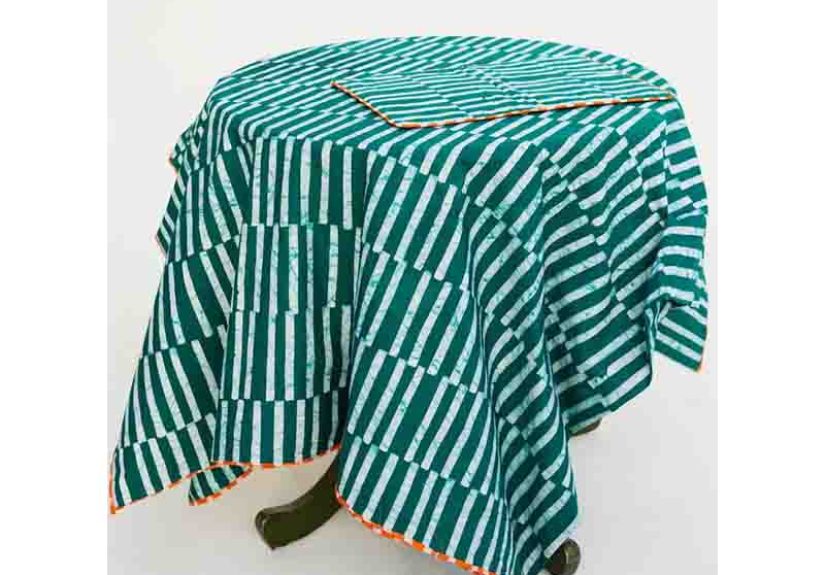
A great example of the vibe is a cotton batik-printed “Island Teal Tablecloth” commonly sold in a generous 60 x 90 inch size.
Batik patterns add movement and personalitylike your table is wearing jewelry, but the kind you can spill pasta on.
Why a Tablecloth Still Matters (Even If Your Table Is “Pretty Enough”)
A tablecloth is part protection, part design trick, part hospitality signal. It can:
- Protect surfaces from heat, scratches, sticky cups, and the occasional “oops” candle drip.
- Reduce noise (plates clinking on bare wood is basically a dinner bell for chaos).
- Unify mismatched chairs and dinnerware so the room feels pulled together.
- Make everyday meals feel special, which is surprisingly motivating when you’re tired of eating over the sink.
Choosing the Best Fabric for an Island Teal Tablecloth
Color is the headline, but fabric is the long-term relationship. Here’s how the most common materials behave in real life,
especially in a saturated shade like teal.
Cotton (Including Batik-Printed Cotton)
Cotton is the dependable classic: breathable, soft, easy to wash, and comfortable for everyday use.
If your island teal tablecloth is batik printed, that pattern isn’t just “printed”it often references a
wax-resist dyeing tradition where wax blocks dye to create designs. The result is a lively, artisanal look with natural variation.
Cotton’s tradeoff is that it can wrinkle and may need a quick iron if you want a crisp, “company’s coming” finish.
But for daily life? Wrinkles are just proof your house is inhabited by humans and not showroom mannequins.
Linen
Linen is the effortless-cool friend who looks amazing in photos and claims they “didn’t try.” It has texture, drape, and that relaxed elegance
people love for coastal or modern organic interiors. Linen also tends to be durable, and many linen tablecloths are machine washable.
The catch: linen wrinkles. A lot. If you hate ironing, embrace the rumpled look as “European café energy,” or choose a prewashed linen
that’s designed to look soft and lived-in.
Polyester and Performance Blends
Polyester is for people who want the look with minimal fuss: it’s usually more wrinkle-resistant, often more stain-resistant,
and tends to hold color well. If you’re hosting kids, messy friends, or a “red wine enthusiast,” polyester can be the stress-reduction plan.
The downside is feelsome polyester tablecloths can look a bit shiny or “event rental,” depending on the weave.
Look for textured weaves (like slub or matte finishes) if you want it to feel more elevated.
Vinyl (or Wipe-Clean Options)
For outdoor parties, craft-heavy households, or “I cannot do laundry again this week” seasons, wipe-clean table coverings are a legit choice.
They won’t have the same charm as a cotton batik, but they’ll laugh in the face of juice boxes and barbecue sauce.
Tablecloth Sizing: The Quick Math That Saves You From Regret
The goal is a tablecloth that looks intentional and doesn’t end up in anyone’s lap. Most style guides focus on the “drop”
how far the cloth hangs over the edge.
- Casual/everyday drop: about 6–8 inches
- Semi-formal drop: about 10–15 inches
- Floor-length formal drop: about 29–30 inches (usually for weddings/banquets)
A simple sizing formula:
Tablecloth length = table length + (drop × 2)
Tablecloth width = table width + (drop × 2)
Example: A 60 x 90 inch island teal tablecloth works beautifully for a common rectangular dining table.
If your table is 36 x 60 inches, you’ll get a 12-inch drop on the sides and a 15-inch drop on the ends
that’s a polished look without going full ballroom.
If you’re using the cloth on a kitchen island (often narrower than a dining table), you can let the ends hang a bit longer for drama,
or use clips/weights if you’re in a breezy space.
How to Style an Island Teal Tablecloth Without Making It “Too Theme-y”
Teal can lean coastal, modern, boho, vintage, or glam depending on what you pair it with. The trick is to pick supporting players that
either calm it down (neutrals) or make it sing (strategic accents).
1) Coastal Calm: White + Natural Texture
Pair island teal with crisp white plates, clear glassware, and natural textures like rattan placemats, jute runners, or light wood.
Add greenery (eucalyptus, palm fronds, or simple grocery-store stems) and suddenly your dining room feels like a beach rental
minus the checkout chores.
2) Playful Pop: Teal + Coral (or Daffodil)
Want the island vibe with a little party energy? Teal pairs beautifully with coral accents (napkins, flowers, tapered candles),
and even a hint of sunny yellow. Keep the accents smallthink “spark,” not “circus.”
3) Modern Elevated: Teal + Black + Brass
For a more grown-up look, anchor the teal with matte black flatware, smoked glass, or black candlesticks.
Then add warm metallicsbrass, gold, or champagne tonesso it feels intentional and not like your table got dressed in the dark.
4) Warm Contrast: Teal + Terracotta + Cream
Teal loves warm, earthy tones. Terracotta plates, clay vases, or caramel-toned napkins make the teal feel richer and more design-forward.
It’s a great transition palette for late summer into fall.
5) Pattern-Friendly Layering (Without the Visual Headache)
If your island teal tablecloth is batik-printed, treat it as the “pattern star” and keep everything else quiet:
solid napkins, simple placemats, and one or two textures (wood + linen, or ceramic + woven).
If your tablecloth is solid teal, you can bring in a patterned runner or playful napkin prints.
A handy guideline from interior styling: use one dominant element, one supporting element, and one accent.
In table terms: tablecloth (dominant), placemats/runner (support), napkins/candles/flowers (accent).
Care and Cleaning: Keep the Teal Bright (and the Panic Low)
Teal is gorgeous, but like any saturated color it benefits from gentle careespecially if the cloth is cotton or linen.
Start with the manufacturer label when you have it, then use these general best practices.
Washing Basics
- Cold or cool water is usually safer for color retention and helps reduce fading.
- Use a gentle or permanent press cycle to reduce wrinkles and stress on fibers.
- Avoid overloading the washertablecloths need room to move so detergent can rinse out fully.
- If it’s batik or deeply dyed, consider a first wash solo to check for dye transfer.
Stain Strategy (Because Life Happens on Tables)
The best stain plan is speed: blot first, don’t rub (rubbing just auditions the stain for a permanent role).
Then choose a method based on what happened:
- Grease/food: pretreat with dish soap or a stain remover before washing.
- Red wine: blot, rinse with cool water, then pretreat and wash as directed for the fabric.
- Set-in mystery stains: a targeted cleaner can helptest in an inconspicuous spot first, especially on colored linens.
Drying and Ironing
- Air-dry when possible to preserve color and reduce shrink risk.
- If machine drying, use low heat and remove promptly to cut wrinkles.
- Iron cotton/linen while slightly damp for easier smoothing; use lower heat for synthetics.
Storage Tips
Store clean, fully dry linens in a cool, dry place away from direct sunlight. Fold along existing lines or refold occasionally to prevent
deep creases. Breathable storage (cotton bag or linen closet shelf) helps prevent musty odors.
Where an Island Teal Tablecloth Works Best
This is one of those rare “statement” pieces that can still be practical. Consider it for:
- Kitchen islands (instant centerpiece, quick seasonal refresh)
- Everyday dining when you want your table to feel finished
- Outdoor meals with neutral dishes and woven textures
- Brunches and birthdays when you want color without clutter
- Gifting to someone who loves coastal style, bold color, or artisan textiles
Quick FAQs
Will teal fade quickly?
Any rich dye can fade over time, but cold-water washing, gentle cycles, and avoiding high heat go a long way in keeping teal vibrant.
Is batik hard to care for?
Not usually. Treat it like a quality cotton: gentle washing, mild detergent, and a little caution on the first wash to check dye transfer.
The pattern often helps camouflage minor everyday marks better than a solid cloth.
What if my table is an odd size?
Use the drop formula and choose the closest larger size. You can always go longer (more dramatic) but too short can look accidental.
Experiences People Commonly Have With an Island Teal Tablecloth (Real-Life, Not Catalog Life)
Let’s talk about how an island teal tablecloth shows up in actual homeswhere the lighting changes, the dog has opinions, and nobody says,
“We’ll just eat after I steam the linens.”
1) The “Wow, My Room Looks Cleaner” Effect. One of the first things people notice is how a strong, soothing color makes the whole space feel
more intentional. The table becomes a visual anchor, so even if there’s mail on the counter and someone left a hoodie on a chair (why is it always a chair?),
the room reads as “styled.” Teal is especially good at this because it’s saturated, but not harsh.
2) The Instant-Brunch Upgrade. Island teal has a way of making casual food look like you tried.
Put out bagels, fruit, coffee, and a small vase of grocery-store flowers on teal, and suddenly it’s “brunch.”
Add white plates and woven placemats and you’ve got coastal café energyeven if you’re serving cereal because that’s what the morning delivered.
3) The Compliment Magnet at Gatherings. People tend to comment on a tablecloth when it feels special, and batik patterns are particularly
good at this. Guests will ask where you got it, and you get to say something cool like, “It’s batik-inspired,” which sounds impressive even if your main
hosting skill is owning enough forks. Patterned teal also photographs well, so your table becomes the backdrop for birthday candles, holiday desserts,
and those “we finally got everyone together” group shots.
4) The “Oops, I Spilled” Learning Curve. Real talk: the first spill is when your relationship becomes official.
Teal cloth tends to hide small marks better than bright white, but you still learn quickly to keep a stain plan.
The common experience is a moment of panic (especially if red wine is involved), followed by relief when blotting and pretreating actually works.
After that, people usually get braver: the tablecloth stops being “the fancy one” and starts being “the one we actually use,” which is the whole point.
5) The Seasonal Chameleon Moment. Island teal is surprisingly flexible. In summer, it looks beachy with citrus, white ceramics,
and greenery. In fall, it becomes moodier and richer paired with brass candlesticks and warm-toned napkins. In winter, it can feel festive with metallics,
pine branches, and soft candlelight. Many people find they use the same tablecloth year-round and just swap the accentslike changing earrings instead of
changing your entire outfit.
6) The Practical Joy of Having “One Pretty Thing” Ready. There’s a specific kind of satisfaction in knowing you can make the table look
great in two minutes. Unexpected guests? Toss on the island teal tablecloth, add napkins, done. Need a quick photo backdrop for a craft, a recipe test,
or a small product shoot? Teal gives contrast without being distracting. People who entertain even occasionally often say the tablecloth becomes their
easiest shortcut to “pulled together,” which is basically the holy grail of home life.
Conclusion
An island teal tablecloth isn’t just a color choiceit’s a styling tool, a protective layer, and a tiny daily escape.
Choose the right fabric for your lifestyle, size it with the drop formula, and style it with simple neutrals plus one accent you love.
Then use it. Let it live its life. The best tables are the ones that get used, not the ones that stay folded like they’re waiting for a royal visit.