Table of Contents >> Show >> Hide
- The Grid Is Really Three Grids Wearing One Trench Coat
- Why Replacing the Grid Costs So Much
- Where the $5 Trillion Actually Goes
- 1. Transmission Lines and Regional Connections
- 2. Distribution System Replacement
- 3. Transformers: The Quiet Bottleneck
- 4. Substations and Switching Equipment
- 5. Grid Hardening for Weather, Fire, and Floods
- 6. Smart Grid Technology and Digital Controls
- 7. Interconnection Upgrades for New Power Projects
- 8. Labor, Engineering, and Skilled Workforce
- 9. Permitting, Land, Legal Work, and Community Negotiation
- 10. Financing and Utility Cost Recovery
- Why Demand Growth Changes the Math
- Is $5 Trillion Too Muchor Not Enough?
- Who Pays for the Grid?
- The Real Goal: Not a New Grid, but a Better One
- Experience-Based Notes: What the Grid Cost Debate Looks Like in Real Life
- Conclusion
If someone tells you it would cost $5 trillion to replace the U.S. electrical grid, the first reasonable reaction is to blink twice, check whether you accidentally bought a small moon, and ask: “Replace it with what, exactly?” The U.S. grid is not one machine. It is a continent-sized orchestra of power plants, transmission lines, substations, transformers, poles, meters, control rooms, software, permits, repair crews, and, on especially dramatic weather days, a heroic lineworker in a bucket truck.
The “$5 trillion” figure is best understood as a broad modernization-and-replacement scale, not a neat invoice sitting on someone’s desk in Washington. The grid is aging, electricity demand is rising, extreme weather is getting harder on infrastructure, renewable energy needs better long-distance connections, and new loads such as data centers, electric vehicles, heat pumps, and advanced manufacturing are showing up like guests who brought three extension cords each.
So where does the money actually go? Not into one giant power cord. It goes into steel, copper, transformers, labor, land rights, engineering studies, wildfire hardening, smart sensors, underground cables, substations, software, financing, and the slow, paperwork-heavy art of getting permission to build things that everyone needs but nobody wants in their backyard.
The Grid Is Really Three Grids Wearing One Trench Coat
When people say “the grid,” they usually mean everything between a power plant and a phone charger. In reality, the system has several major layers.
1. Generation: Making the Electricity
Power plants create electricity from natural gas, nuclear energy, coal, hydro, wind, solar, geothermal, biomass, and batteries that store energy for later. Replacing or modernizing the grid does not always mean replacing power plants, but generation affects grid costs because new power sources must connect safely and reliably.
2. Transmission: The Long-Distance Highway
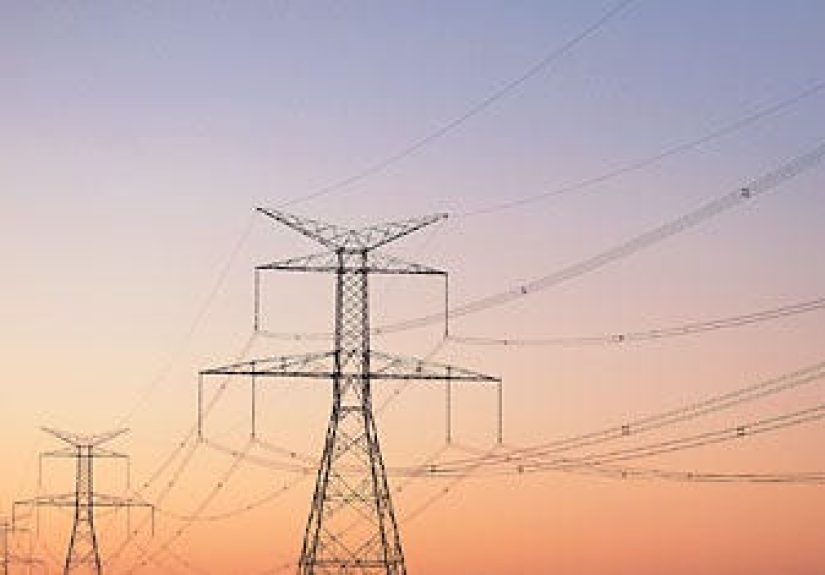
Transmission lines move high-voltage electricity over long distances. These are the huge towers you see marching across fields like metal giants on a very serious hike. Transmission is essential because the best wind, solar, hydro, and other resources are often far from cities and factories. If power cannot travel, cheap energy becomes stranded energy.
3. Distribution: The Neighborhood Streets
Distribution systems deliver electricity from substations to homes, schools, stores, hospitals, and businesses. This layer includes local poles, wires, line transformers, underground cables, meters, switches, and the equipment that keeps power flowing safely on your street. Distribution is less glamorous than transmission, but it is where a huge share of replacement money disappears. “Disappears” is unfair. It becomes poles, wires, and transformers. Still, it vanishes from spreadsheets with impressive speed.
Why Replacing the Grid Costs So Much
The U.S. grid was not built in one decade, by one company, under one rulebook. It grew over more than a century through thousands of utilities, local decisions, state regulations, regional markets, federal standards, and emergency repairs. Some equipment is old. Some is overloaded. Some was designed for one-way electricity flow from large central power plants, not today’s mix of rooftop solar, battery storage, wind farms, EV chargers, and data centers asking for enough power to make a small city blush.
Modernization is expensive because the grid must be rebuilt while still operating. You cannot simply unplug America for six months and say, “Good news, we’re upgrading.” Hospitals, traffic lights, water systems, factories, grocery stores, and homes need power every minute. That means grid work often requires careful sequencing, temporary equipment, overtime labor, backup systems, and engineering gymnastics.
Where the $5 Trillion Actually Goes
No single official national receipt divides a $5 trillion grid replacement budget into perfect slices. But based on how utilities spend money, what grid planners identify as needs, and where bottlenecks are appearing, the money would likely flow into several major buckets.
1. Transmission Lines and Regional Connections
A major share would go toward high-voltage transmission: new lines, rebuilt lines, larger conductors, towers, rights-of-way, substations, and interregional connections. Transmission is the grid’s interstate highway system. Without it, cheap power gets stuck in one region while another region pays more or faces reliability stress.
Transmission costs include more than wire. A new line may require route studies, environmental review, landowner negotiations, tower foundations, steel structures, conductor cable, construction access roads, vegetation management, grid studies, and legal work. By the time the first electron takes a victory lap down the line, a lot of people have billed hours.
High-voltage direct current, or HVDC, can be especially useful for long-distance transfers and connecting large regions, but it requires costly converter stations. Those stations are not exactly available in the “cute lighting” aisle. They are specialized, capital-heavy, and technically complex.
2. Distribution System Replacement
Distribution may absorb the biggest long-term share because there is so much of it. Every neighborhood needs local wires, poles, transformers, switches, protective devices, meters, and service connections. When a utility upgrades a local feeder to handle EV charging, rooftop solar, new subdivisions, or commercial growth, the bill can include thousands of small pieces that add up quickly.
Distribution work is also labor-intensive. Replacing a pole in a dense neighborhood is not as simple as sticking a new toothpick in the ground. Crews must deal with traffic control, underground utilities, old equipment, safety clearances, customer outages, tree trimming, and local permitting. In older cities, underground cable replacement can involve excavation, pavement restoration, and coordination with water, sewer, telecom, and transportation departments. In other words: the cable is underground, but the invoice rises very much above ground.
3. Transformers: The Quiet Bottleneck
Transformers are among the most important and least appreciated pieces of the grid. They step voltage up for long-distance transmission and step it down for safe local use. Without transformers, the grid is basically a very expensive lightning delivery service, which is not the customer experience anyone requested.
Distribution transformers serve homes, businesses, factories, data centers, charging stations, and renewable projects. Large power transformers serve substations and generation interconnections. These units require specialized materials such as copper, aluminum, electrical steel, insulation systems, and cooling components. They also require factory capacity that cannot be doubled overnight.
Transformer shortages have become a serious constraint. When prices rise and lead times stretch, the cost of grid expansion rises too. A utility may have money approved for a project but still wait years for equipment. That delay adds financing costs, construction coordination costs, and sometimes the very expensive cost of doing nothing while demand keeps growing.
4. Substations and Switching Equipment
Substations are where the grid changes voltage, routes power, protects equipment, and isolates problems. Think of them as electrical traffic hubs with no coffee shop but plenty of warning signs. Replacing or expanding substations can be expensive because they contain transformers, circuit breakers, relays, steel structures, control houses, communications systems, fencing, grounding grids, and protection equipment.
Substation upgrades are often needed when new generation connects, when load grows, when old equipment reaches end-of-life, or when utilities add automation. A single substation project can cost millions to hundreds of millions of dollars depending on voltage, land, equipment, and complexity.
5. Grid Hardening for Weather, Fire, and Floods
A modern grid must survive more than normal wear and tear. Utilities are spending heavily on wildfire mitigation, storm hardening, flood protection, stronger poles, covered conductors, undergrounding in selected areas, vegetation management, and better sectionalizing equipment that limits the size of outages.
Undergrounding power lines sounds like the obvious answer until the estimate arrives wearing a tuxedo. It can improve reliability in some areas, especially where wind, fire, or trees are constant threats, but it is often far more expensive than overhead construction. It also makes repairs slower in some conditions. That is why grid planners usually choose a mix: underground the most vulnerable or highest-value circuits, strengthen overhead lines elsewhere, and use smart switching to reduce outage impacts.
6. Smart Grid Technology and Digital Controls
The old grid was built around predictable power flow. The modern grid needs sensors, automation, advanced meters, distributed energy management systems, weather forecasting, dynamic line ratings, remote switches, and software that can see problems before they turn into candlelit dinners nobody planned.
Smart grid spending includes control-room systems, communications networks, cybersecurity tools, field sensors, data platforms, and automated devices. These investments do not always look dramatic from the road, but they can improve reliability, reduce outage time, help integrate rooftop solar and batteries, and allow utilities to use existing wires more efficiently.
7. Interconnection Upgrades for New Power Projects
Thousands of proposed solar, wind, battery, and hybrid projects are waiting to connect to the grid. Many of them cannot move forward without interconnection studies and upgrades. Those upgrades can include new substations, stronger lines, voltage control equipment, protection systems, and network improvements that benefit more than one project.
This is one reason grid costs can feel confusing. A solar farm may be cheap to build on a per-megawatt basis, but if the nearby grid is weak or congested, the interconnection cost can turn a promising project into an expensive group chat between developers, utilities, regulators, and engineers.
8. Labor, Engineering, and Skilled Workforce
Money also goes to people: lineworkers, engineers, electricians, project managers, substation technicians, vegetation crews, cybersecurity specialists, welders, crane operators, safety inspectors, environmental consultants, and permitting experts. The grid is physical infrastructure, and physical infrastructure requires skilled humans who know how not to make sparks in the wrong places.
Workforce constraints can raise costs. If every utility, data center developer, renewable company, and manufacturer needs the same electrical workers at the same time, labor becomes more expensive and schedules stretch. Training new workers is essential, but it takes time. You do not become a high-voltage specialist by watching three videos and buying sturdy boots.
9. Permitting, Land, Legal Work, and Community Negotiation
Transmission projects often cross multiple counties, states, tribal lands, farms, forests, highways, rivers, and private properties. Every mile can involve land rights, environmental review, cultural resource review, wildlife issues, public meetings, lawsuits, routing changes, and negotiations. This is necessary in a democracy, but it is not free.
Permitting delays can also turn time into money. A project that takes ten years instead of five does not merely arrive late; it may face higher material prices, higher interest costs, changed engineering requirements, and repeated studies. The grid has a paperwork layer, and it is surprisingly powerful.
10. Financing and Utility Cost Recovery
Most grid investments are paid upfront by utilities and recovered over time through customer rates, subject to state or federal regulation. That means financing costs matter. Interest rates, allowed returns, construction timelines, and regulatory decisions can significantly affect what customers eventually pay.
This is why the phrase “grid investment” can sound noble and still show up on a monthly bill like a raccoon in the pantry. The challenge is not only building the right infrastructure; it is deciding who pays, when they pay, and how to protect customers from waste while still building fast enough to maintain reliability.
Why Demand Growth Changes the Math
For years, U.S. electricity demand grew slowly. Efficiency improvements helped offset population growth and new devices. That calm period is ending in many regions. Data centers, artificial intelligence, chip factories, electric vehicles, heat pumps, industrial electrification, and new manufacturing are pushing planners to rethink assumptions.
Demand growth matters because the grid is sized for peaks, not averages. A neighborhood may use moderate electricity most of the day, then spike in the evening when people cook, charge vehicles, run air conditioning, and ask the Wi-Fi router to support five screens and one emotionally fragile printer. Utilities must plan for those peaks, plus emergency margins.
When demand rises quickly, old equipment reaches limits faster. A transformer that worked fine for decades may become overloaded after several homes add EV chargers and heat pumps. A substation that had room for growth may suddenly need expansion because a data center wants enough electricity to power a small county. That is not a moral judgment against data centers; it is just math with a very large plug.
Is $5 Trillion Too Muchor Not Enough?
The honest answer is: it depends on what “replace” means. Replacing every line, pole, transformer, substation, control system, and meter with modern equivalents would be breathtakingly expensive. Modernizing strategically may cost less and deliver better value. The goal should not be to rip out every old asset just because it has gray hair. The goal should be to replace what is failing, upgrade what is overloaded, protect what is vulnerable, and build what is needed for future demand.
Some investments can reduce the need for bigger construction. Grid-enhancing technologies such as dynamic line ratings, advanced power flow control, topology optimization, and reconductoring can increase capacity on existing corridors. Distributed batteries, demand response, virtual power plants, and managed EV charging can reduce peak stress. These tools will not eliminate the need for new wires, but they can help the country avoid building the most expensive version of everything.
Who Pays for the Grid?
Ultimately, customers pay most grid costs through electric rates, taxes, public funding, or the prices of goods and services that rely on electricity. Federal programs can reduce or redirect costs. Private developers may pay interconnection expenses. Large customers may be required to fund upgrades tied to their load. But the grid is shared infrastructure, so cost allocation is always controversial.
Good cost allocation asks a simple question that becomes complicated immediately: who benefits? A transmission line may lower wholesale power prices across several states, improve reliability during extreme weather, connect renewable generation, support new factories, and reduce congestion. That creates broad benefits, but assigning exact shares can feel like splitting a restaurant check after everyone ordered appetizers “for the table.”
The Real Goal: Not a New Grid, but a Better One
The U.S. does not need a gold-plated grid that treats every electron like royalty. It needs a stronger, smarter, more flexible grid that can handle growth, extreme weather, new generation, and new technology without making electricity unaffordable.
The best grid spending will likely combine big infrastructure with smarter use of existing assets. That means building high-value transmission, upgrading aging distribution circuits, expanding transformer supply, speeding interconnection, hardening vulnerable areas, deploying sensors and automation, and using flexible demand so the system does not have to be oversized for every possible peak.
In other words, the $5 trillion question is not just “Where does the money go?” It is “How do we spend it without accidentally building yesterday’s grid at tomorrow’s prices?”
Experience-Based Notes: What the Grid Cost Debate Looks Like in Real Life
The most useful way to understand grid spending is to stop imagining one massive national construction project and start thinking like a homeowner, a city planner, and a utility engineer at the same time. When a homeowner upgrades an electrical panel, the cost is not only the metal box. It includes labor, permits, inspections, wiring, scheduling, and sometimes surprise repairs hiding behind the wall like little financial goblins. The grid works the same way, just at continental scale.
One practical lesson from grid projects is that small components can delay large investments. A developer may have land, financing, and a signed power purchase agreement, but if transformers or switchgear are unavailable, the project waits. That waiting period is not harmless. Crews must be rescheduled, financing continues, contracts get amended, and equipment costs may rise. The cheapest transformer is the one that arrives on time. The most expensive one is the one you needed two years ago.
Another experience from local grid upgrades is that customers usually notice the grid only when it fails or when the bill rises. Nobody throws a neighborhood party because a feeder was reconductored before it overloaded. Yet that quiet upgrade may prevent future outages, allow more rooftop solar, support EV charging, and reduce emergency repair costs. Preventive grid work is like dental care for civilization: boring, necessary, and much cheaper before something cracks.
Communities also experience grid spending differently. In wildfire-prone areas, residents may strongly support covered conductors, vegetation clearance, undergrounding, and sectionalizing devices because outages and fire risk are personal. In dense cities, reliability may depend on replacing old underground cables and substation equipment that most people never see. In rural areas, long distribution lines serving fewer customers can make upgrades expensive per household. A single national average hides these local realities.
There is also a trust problem. Many customers hear “grid modernization” and suspect it means “your bill is about to modernize upward.” That skepticism is healthy when it pushes utilities and regulators to prove that projects are needed, competitively priced, and planned efficiently. But skepticism becomes costly if it blocks every project until equipment is failing in real time. A reliable grid requires oversight and urgency, which are not natural roommates but must learn to share the kitchen.
The best real-world approach is practical, not flashy. Use existing corridors where possible. Upgrade lines before building new ones when that delivers enough capacity. Install sensors so operators know what is happening. Encourage large new loads to pay fairly for the upgrades they trigger. Expand domestic manufacturing for critical equipment. Train more electrical workers. Plan regionally instead of forcing every utility to solve a national puzzle with local sticky notes.
The U.S. grid does not need panic spending. It needs disciplined spending. The difference matters. Panic spending buys whatever is available after the outage. Disciplined spending forecasts demand, prioritizes weak points, compares alternatives, and builds before failure becomes breaking news. If $5 trillion is the scale of the challenge, the smartest savings will not come from pretending the grid can stay as it is. They will come from building the right things, in the right places, in the right order, before the lights start negotiating.
Conclusion
Replacing or deeply modernizing the U.S. electrical grid would be one of the largest infrastructure efforts in American history. The money would not go to a single magic switch. It would flow into transmission lines, distribution networks, transformers, substations, smart controls, storm hardening, cybersecurity, permitting, land rights, skilled labor, and financing. Some of those costs are unavoidable. Others can be reduced with better planning, better technology, faster permitting, smarter demand management, and fairer cost allocation.
The grid is no longer just background infrastructure. It is the platform for nearly everything the economy wants next: AI, manufacturing, clean energy, electric transportation, resilient homes, and reliable public services. Spending trillions badly would be painful. Spending too little could be worse. The real challenge is to make grid investment boring in the best possible way: planned, transparent, efficient, and reliable enough that nobody thinks about it when they plug in their coffee maker.