Table of Contents >> Show >> Hide
- Why Kelly Clarkson’s Aerosmith Kellyoke Cover Hit So Hard
- Fans Said They Got "Chills"And Honestly, Fair
- The Genius of Kellyoke: Familiar Songs, Fresh Emotion
- Why “Angel” Was a Smart Aerosmith Choice
- Kelly Clarkson’s Voice Makes Covers Feel Personal
- The Daytime TV Stage Has Become a Real Music Venue
- What Makes Kellyoke So Shareable?
- Aerosmith Fans Had a Reason to Be Nervous
- Why This Cover Fits Kelly Clarkson’s Career Story
- Experience: Watching the Cover Like a Fan, Not a Critic
- Conclusion: Kelly Clarkson Turned “Angel” Into Another Kellyoke Win
- SEO Tags
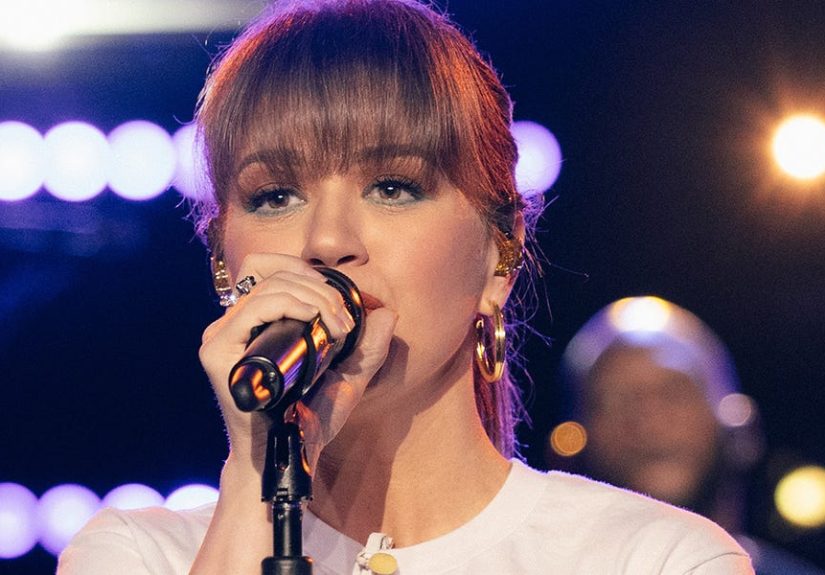
Kelly Clarkson has a special talent for walking onto a daytime TV stage, smiling like she is about to ask everyone how their weekend went, and then casually detonating a vocal fireworks show before lunch. That is exactly what happened when The Kelly Clarkson Show opened with a Kellyoke cover of Aerosmith’s rock ballad “Angel.” Fans did not merely enjoy it. They reacted with the kind of online enthusiasm usually reserved for surprise reunions, dramatic reality-TV exits, and dogs learning to press talking buttons.
The performance, aired during the show’s July 10, 2024 episode and later shared across social platforms, became another reminder of why Kellyoke has become one of daytime television’s most dependable musical treats. Clarkson took Aerosmith’s “Angel,” a sweeping 1980s power ballad from the band’s Permanent Vacation era, and gave it the full Kelly treatment: emotional control, big notes, rock grit, and enough vocal confidence to make the phrase “live daytime performance” feel wildly insufficient.
For longtime fans, the reaction was not surprising. Clarkson has spent years proving that “cover song” does not have to mean “karaoke with better lighting.” In her hands, a cover becomes a mini reinvention. She respects the original, finds the emotional core, and then sings as if the song has been living rent-free in her chest for two decades. With “Angel,” that approach landed beautifully.
Why Kelly Clarkson’s Aerosmith Kellyoke Cover Hit So Hard
Aerosmith’s “Angel” is not a casual song choice. It is a big, emotional, high-stakes ballad built for drama. Originally released as a single from the band’s 1987 album Permanent Vacation, the track is remembered for its romantic intensity, Steven Tyler’s unmistakable vocal style, and the kind of chorus that practically demands a wind machine, a leather jacket, and at least one person staring meaningfully into the distance.
That makes it a dangerous song to cover. Too little power, and it falls flat. Too much, and it turns into a vocal obstacle course. Clarkson found the middle lane: strong, emotional, and technically sharp without sounding like she was trying to wrestle the song into submission. She kept the ballad’s heart intact while giving it a brighter, cleaner, more modern vocal shape.
The result was a performance that felt both familiar and freshly exciting. Fans who already loved Aerosmith could hear the DNA of the original. Fans who came for Clarkson heard the reason she remains one of the most trusted vocalists in pop, rock, country, and whatever genre she decides to casually conquer before the first commercial break.
Fans Said They Got “Chills”And Honestly, Fair
When the clip made its way to YouTube, TikTok, and entertainment coverage, fans responded with praise that centered on one word: chills. That reaction fits the performance because Clarkson did not just sing the notes; she built the song. The opening felt controlled and intimate, giving the emotional story room to breathe. Then, as the arrangement lifted, her voice expanded with it.
The moment that seemed to grab many viewers was the high-note work in the second verse and later build. Clarkson’s voice has always been known for power, but power alone is not what makes a performance memorable. Plenty of singers can sing loudly. Clarkson can sing loudly while still sounding like she is telling you something. That is the difference between a big note and a goosebump note.
Fans also called the cover “vocal excellence,” and that phrase is not just internet confetti. Clarkson’s version showed pitch control, breath support, emotional pacing, and genre awareness. She did not turn “Angel” into a glossy pop remake or a theatrical over-sing. She let it stay a rock ballad, then added her own tone and phrasing until it sounded unmistakably Kelly.
The Genius of Kellyoke: Familiar Songs, Fresh Emotion
Kellyoke works because it combines three things audiences love: nostalgia, surprise, and live performance. Every episode begins with a small musical question: what is Kelly going to sing today? Sometimes the answer is pop. Sometimes it is country, soul, Broadway, rock, holiday music, or a left-field classic that makes viewers say, “Wait, she knows this one too?” Of course she does. At this point, Kelly Clarkson’s vocal library seems less like a playlist and more like a national archive.
The segment began as a smart way to open The Kelly Clarkson Show, but it has grown into a signature brand of its own. Clarkson and her band, My Band Y’all, frequently rework well-known songs into compact live performances designed for TV and social media. That format matters. A Kellyoke cover is usually short enough to watch on a coffee break but strong enough to send viewers searching for the full version that does not exist yet.
That is one reason fans often ask Clarkson to release her covers officially. In 2022, she did release a six-song Kellyoke EP, proving that the audience appetite was real. But the show’s ongoing magic comes from the fact that most performances feel like limited-edition vocal moments. You see it, you share it, and then you join the comment section chorus asking for a studio version like a very polite but emotionally invested petition committee.
Why “Angel” Was a Smart Aerosmith Choice
Aerosmith’s catalog offers many tempting songs for a powerhouse singer. Clarkson has previously tackled “Dream On,” one of the ultimate “do not attempt unless your vocal cords have a gym membership” rock classics. But “Angel” is different. It is less about explosive rock acrobatics and more about emotional lift. The song needs softness, then strength. It needs vulnerability, then release.
That structure plays directly into Clarkson’s strengths. She has always been at her best when a song allows her to move from conversational warmth into full-throttle emotion. Think of the difference between simply singing a chorus and making a chorus feel earned. In “Angel,” she starts with restraint, lets the melody unfold, then opens up when the song calls for impact.
It also helped that “Angel” sits in the sweet spot between classic rock and pop ballad. Clarkson’s career has never lived inside one genre. She became famous through American Idol, built a pop-rock identity with hits like “Since U Been Gone,” explored soul and country influences, coached singers on The Voice, and turned her talk show into a daily reminder that genre lines are mostly suggestions when the vocalist is this good.
Kelly Clarkson’s Voice Makes Covers Feel Personal
The best covers do not erase the original artist. They create a conversation with the original. Clarkson’s “Angel” works because it honors Aerosmith’s version while also making room for her own emotional instincts. Steven Tyler’s original vocal has a raw, pleading edge; Clarkson’s version brings clarity, lift, and a kind of open-hearted warmth that changes the emotional temperature.
That is not better or worse. It is different in a way that makes the cover worth hearing. A great cover should answer the question, “Why this singer, and why now?” Clarkson answers it by turning “Angel” into a showcase of mature vocal control. She does not sound like a singer trying to prove she can handle Aerosmith. She sounds like a singer who knows exactly what the song needs and has the tools to deliver it.
Her phrasing also helps. Clarkson tends to sing with a conversational emotional rhythm, even when the notes are huge. That makes her performances accessible. Viewers do not need technical vocabulary to understand why it works. They hear the build, feel the tension, and react naturally: chills, goosebumps, replay button.
The Daytime TV Stage Has Become a Real Music Venue
One reason the Aerosmith cover stood out is that it happened on a daytime talk show, not a concert stage. That contrast is part of the fun. The setting is bright, friendly, and built for celebrity interviews, heartwarming stories, and audience applause. Then Clarkson steps up and delivers a rock ballad as if she is headlining an arena inside a television studio.
This is where The Kelly Clarkson Show has carved out its own identity. The program is not only a talk show; it is also a daily performance platform. Kellyoke gives viewers a reason to tune in beyond guest interviews. It adds unpredictability. Even if someone is not following the full episode, a strong Kellyoke clip can travel widely on social media and pull new viewers back to the show.
That is especially important in modern entertainment. Many daytime TV moments now live second lives online. A performance that airs once can keep gaining attention through YouTube clips, TikTok reactions, Instagram reels, and entertainment write-ups. Clarkson’s “Angel” cover is a perfect example: it was a short segment, but fan reaction turned it into a shareable pop-culture moment.
What Makes Kellyoke So Shareable?
1. The song choices create instant curiosity
When viewers see “Kelly Clarkson covers Aerosmith,” they already know the clip has potential. The pairing is familiar but exciting. Aerosmith brings classic rock credibility; Clarkson brings vocal fireworks. That combination makes people click.
2. The performances are short but satisfying
Kellyoke clips are usually compact. They do not require a huge time commitment, which makes them perfect for social media. A viewer can watch one performance and immediately send it to a friend with a message like, “Okay, wait until the high note.”
3. Clarkson’s reputation does half the marketing
After years of memorable covers, audiences trust her. Whether she is singing Whitney Houston, Billie Eilish, Radiohead, Bon Jovi, or Aerosmith, fans expect at least one moment that makes them sit up straighter.
4. The live-band energy feels authentic
My Band Y’all gives the segment a real performance feel. The arrangements are polished but not sterile. That balance helps the covers feel alive rather than overly processed.
Aerosmith Fans Had a Reason to Be Nervous
Covering Aerosmith is not easy, and fans of the band can be protective for good reason. Steven Tyler’s voice is one of rock’s most recognizable instruments: raspy, elastic, theatrical, and unpredictable in the best way. Trying to copy him directly would be a trap. Clarkson wisely avoided that.
Instead, she translated the song into her own vocal language. She kept the emotional urgency but replaced Tyler’s raspy swagger with her own blend of clarity and force. That is why the cover felt respectful rather than imitative. It did not sound like karaoke in the literal sense. It sounded like Kellyoke, which is now practically its own genre.
And yes, if the internet had its way, an Aerosmith and Kelly Clarkson duet would probably already be scheduled, filmed, mixed, mastered, and delivered directly to every fan’s phone with a tiny digital bow on it.
Why This Cover Fits Kelly Clarkson’s Career Story
Clarkson’s career has always been tied to the idea of versatility. She first became a household name as the winner of the first season of American Idol in 2002. Since then, she has become a Grammy-winning recording artist, a daytime Emmy-winning host, a coach, a performer, and one of the rare singers who can move between genres without sounding like she is wearing a costume.
The Aerosmith cover fits that story because it shows an artist who has nothing left to prove but still performs like she cares deeply about every note. That is part of her appeal. Clarkson can be funny, casual, and self-deprecating in conversation, then immediately switch into a vocal performance that reminds everyone she is one of the strongest singers of her generation.
There is also something refreshing about seeing a major artist use her platform to celebrate other artists. Kellyoke is not just self-promotion. It is musical appreciation in public. Clarkson regularly shines a light on songs from across decades and genres, inviting her audience to rediscover classics or hear familiar hits from a new angle.
Experience: Watching the Cover Like a Fan, Not a Critic
The fun of a Kellyoke moment is that it does not require a formal music-review mindset. You do not have to sit there with a notebook, a metronome, and the serious expression of someone judging a regional show choir final. You can simply press play and feel the performance do what it does.
Watching Clarkson cover “Angel” feels like watching someone walk a tightrope without making a big deal about the height. At first, the performance invites you in gently. The song is recognizable, the mood is nostalgic, and the arrangement gives her enough room to shape the opening lines with care. Then the vocal starts climbing, and suddenly you remember that Kelly Clarkson does not merely “cover” songs. She moves into them, rearranges the furniture, opens the windows, and somehow makes the place feel newly renovated.
For viewers who grew up with Aerosmith, the cover can feel like a respectful nod to a classic era of rock ballads. For younger viewers who may know Aerosmith mainly through parents’ playlists, movie soundtracks, or classic rock radio, Clarkson’s version becomes an accessible entry point. That is one of the underrated gifts of Kellyoke: it turns music discovery into a shared, low-pressure experience.
There is also a communal feeling in the fan reactions. Comment sections can be chaotic places, but Kellyoke clips often bring out a surprisingly wholesome pattern: people praising the band, begging for full versions, comparing favorite covers, and admitting they replayed one note several times. It is the internet briefly acting like a concert lobby instead of a food fight. We should enjoy these miracles when they appear.
The “chills” reaction makes sense because the cover has the emotional shape fans want from a power ballad. It begins with longing, rises into intensity, and lands with enough vocal force to feel cathartic. Clarkson does not flatten the song into a showcase. She lets the emotional arc do the heavy lifting, then uses her technique to make that arc bigger.
One especially enjoyable part of watching the performance is the audience response. Daytime audiences are often cheerful by default, but this sounded like genuine excitement. You can feel the room realize where the vocal is going. That anticipation is part of the thrill. Everyone knows a big note is coming; the question is how hard it will land. With Clarkson, the answer is usually: hard enough to make the comments section start typing in all caps.
Another experience connected to this cover is the way it invites fans to build dream setlists. Once Clarkson sings Aerosmith, people naturally begin imagining what else she should tackle. More Aerosmith? Heart? Queen? Journey? A full classic rock Kellyoke album? A live special? A Las Vegas setlist made entirely of covers that make the audience forget how chairs work? The possibilities are endless, and fans are more than happy to provide unpaid consulting.
The cover also shows why nostalgia works best when it is not lazy. Simply choosing an older hit is not enough. The performance has to make the song feel alive in the present. Clarkson does that by treating “Angel” not as a museum piece but as a living ballad with emotional fuel still in the tank. She brings a modern vocal polish without sanding away the song’s rock-ballad identity.
Most importantly, the performance feels human. It is polished, yes, but not cold. Clarkson’s best covers usually have a lived-in quality, as if she is finding the emotional truth in real time. That is why viewers respond so strongly. They are not only impressed by the notes; they believe the feeling behind them.
Conclusion: Kelly Clarkson Turned “Angel” Into Another Kellyoke Win
Kelly Clarkson’s Aerosmith Kellyoke cover gave fans exactly what they have come to expect from The Kelly Clarkson Show: a familiar song, a fearless vocal, and a performance strong enough to travel far beyond daytime television. By choosing “Angel,” Clarkson stepped into classic rock-ballad territory and handled it with the kind of confidence that makes difficult singing look almost unfairly easy.
The fan responseespecially the “chills” commentsspeaks to the emotional impact of the performance. Clarkson did not need elaborate staging or dramatic gimmicks. She had the song, the band, the voice, and the instincts to know when to hold back and when to let the moment soar.
In a media world crowded with quick clips and forgettable viral moments, Kellyoke remains a reliable source of musical surprise. The Aerosmith cover is another reason fans keep watching, sharing, and asking the same hopeful question after every standout performance: when are we getting the full version?