Table of Contents >> Show >> Hide
- Why a Red Faucet Works (When It Works)
- Pick the Right Red: Shade, Sheen, and Commitment Level
- The Unsexy (But Crucial) Part: Finish Technology
- Features That Matter More Than Color (Yes, Even for Red)
- Water Flow: What “Strong Pressure” Actually Means
- Safety and Standards: “Lead-Free” and Certification Labels
- Design Pairings That Make Red Look Intentional
- Cleaning and Maintenance: Keep the Red Red
- Installation Reality Check: DIY-Friendly, With a Few “Gotchas”
- Common Red Faucet Regrets (and How to Avoid Them)
- Real-World Style Examples You Can Copy
- Conclusion: The Red Faucet Is Bold, But It Can Be Brilliant
- Experiences From the Red Faucet Life ( of What It’s Like)
Every kitchen has that one workhorse that never gets invited into the “design conversation.” Cabinets? Oh, they get mood boards. Countertops? They get showroom lighting and a dramatic whisper: quartzite. But the faucet? It’s usually the last thing chosenright before someone says, “Whatever, just get stainless.”
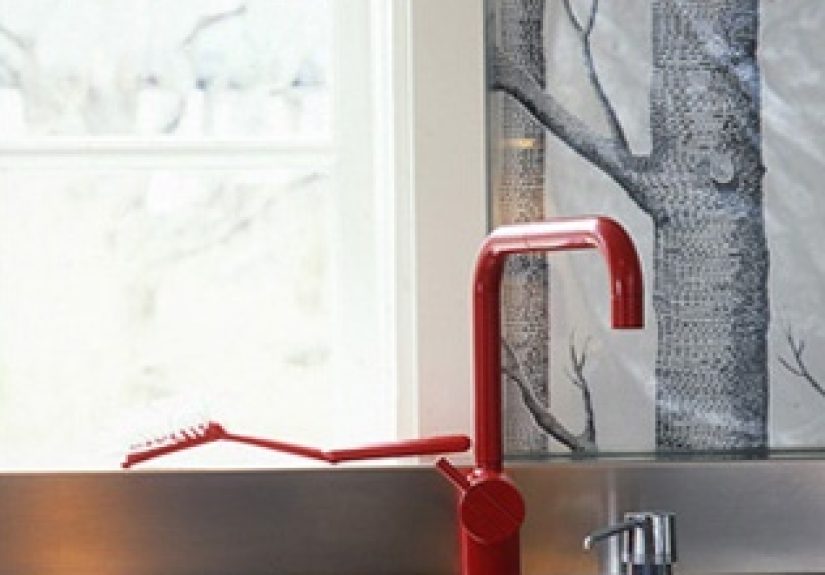
And then… someone installs a red kitchen faucet, and suddenly your sink area has main-character energy. A red faucet is practical hardware wearing a party outfit: bold, slightly rebellious, and weirdly motivating (you’ll start wiping water spots like you’re preserving a museum piece).
This guide breaks down the real-world side of choosing a colored kitchen faucethow to make red look intentional, what features matter more than vibes, which finishes hold up, and how to keep it looking sharp without turning your weekly cleaning routine into a CrossFit workout.
Why a Red Faucet Works (When It Works)
1) It’s a “statement faucet” without remodeling the whole kitchen
If your kitchen is mostly neutralwhite cabinets, gray tile, wood floorsa red faucet can act like a punctuation mark. It gives your sink area a focal point without forcing you to repaint everything or explain to guests why your backsplash is now “sunset clay.”
2) Red plays nicely with a surprising number of palettes
- Modern: matte red + black hardware + clean lines = bold but controlled.
- Industrial: red + concrete tones + open shelving = “converted warehouse,” minus the pigeons.
- Farmhouse: red as a small accent against warm woods and white apron sinks.
- Retro: red + cream + chrome details = instant diner energy (in a good way).
3) It visually “anchors” the sink zone
The sink area is busy: soap, sponge, maybe a dish rack that somehow multiplies. A red faucet adds structure. It’s like putting a red bow on a raccoonstill chaos, but now it’s themed.
Pick the Right Red: Shade, Sheen, and Commitment Level
Glossy red: bold, bright, and a little dramatic
Gloss finishes catch light and look crisp in photos. The tradeoff: they can show fingerprints and water spots more easily. If your water is mineral-heavy, glossy surfaces may require more frequent wiping.
Matte red: modern, velvety, and more forgiving
Matte red reads more “designer,” and it’s usually better at hiding minor smudges. The tradeoff: matte surfaces can show certain types of buildup as a chalky haze if you let hard-water deposits sit too long.
Two-tone designs: red as an accent, not a takeover
If you love the idea of red but don’t want it yelling across the room, look for a faucet with red on the handle, spray head, or base ring. You still get personalityjust at “witty one-liner” volume instead of “stand-up comedy special.”
The Unsexy (But Crucial) Part: Finish Technology
“Red” is a color. Finish is the method that keeps that color from turning into a sad, scratched-up memory. Many colored faucets rely on specialized coatingsoften powder coat, lacquer, or layered processeswhile metallic looks may use processes like PVD (Physical Vapor Deposition) for durability.
Powder-coated color: tough, even coverage
Powder coating can create a uniform, durable color layer. It’s popular for bold hues because it delivers consistent color without the “painted craft project” vibe. Still, durability depends on prep, thickness, and quality control, so buy from reputable brands and verify warranty terms.
PVD: commonly used for durable metallic finishes
PVD is more common for metallic finishes (think brushed gold, bronze, graphite), but the concept matters: the more engineered the coating, the more likely it is to resist daily wear. Even if your red faucet isn’t PVD, look for manufacturer language that signals a purpose-built coatingnot just “red color.”
What to look for in product descriptions
- Clear finish naming (not just “red”).
- Cleaning instructions and approved products (a good sign they’ve tested the coating).
- Warranty coverage that explicitly includes finish wear.
Features That Matter More Than Color (Yes, Even for Red)
Spout height and reach: avoid the splash zone
A tall, high-arc faucet looks greatand helps fill large potsbut can create splash if paired with a shallow sink. Measure your sink depth and consider the arc height and reach so water lands where it’s supposed to: inside the sink, not on your sleeves or your life choices.
Pull-down vs. pull-out: choose based on your sink and habits
- Pull-down: typically better for larger/deeper sinks and cleaning big cookware; often the “statement” silhouette.
- Pull-out: usually a lower profile, often helpful when clearance is limited (like cabinets above the sink), and can reduce splash in certain setups.
Spray modes: stream, spray, and the “blast off” button
At minimum, you want a comfortable stream and a usable spray. Some models add a “boost” or higher-pressure rinse mode. If you cook often, a good spray mode is like having an assistantone that never complains and only occasionally retracts the hose with a dramatic snap.
Docking and retraction: the underrated daily joy
Magnetic docking (or other secure docking systems) helps the spray head return cleanly and stay put. A droopy spray head is the faucet equivalent of socks sliding down your heel: functional, but emotionally exhausting.
Touchless or touch-activated options
If your hands are often covered in chicken marinade, dough, or the vague stickiness of modern life, touchless can be a real upgrade. Just remember: sensors vary in placement and responsiveness, and power options (battery vs. AC) can affect long-term convenience.
Water Flow: What “Strong Pressure” Actually Means
Many shoppers equate “good faucet” with “powerful flow.” In the U.S., kitchen faucets are subject to federal maximum flow limits, and many models are designed around common efficiency targets. That’s why you’ll see flow rates like 1.5–1.8 GPM on many newer faucets.
The practical takeaway: if you want strong performance, focus less on the highest GPM and more on:
- a well-designed spray pattern,
- solid internal valves,
- and an aerator that doesn’t clog instantly if your water is hard.
Safety and Standards: “Lead-Free” and Certification Labels
Your faucet is in contact with water you cook with. So while color is fun, safety is non-negotiable. In the U.S., “lead free” is a defined term for plumbing products, and third-party certifications can help confirm compliance.
What “lead-free” means in practice
Look for products that state compliance with lead-free requirements and reference recognized standards. Many products are certified to standards that address both lead content and leaching of contaminants.
NSF/ANSI standards you may see
- NSF/ANSI 372: addresses lead content requirements for wetted surfaces.
- NSF/ANSI 61: addresses health effects related to contaminants leaching into drinking water.
If a red faucet is from a lesser-known brand, don’t panicbut do verify whether it’s certified or tested to recognized standards, especially if it’s marketed for kitchen use (not decorative-only applications).
Design Pairings That Make Red Look Intentional
Match red with “repeat accents”
A red faucet looks best when red appears somewhere elseeven subtly. Think: a small rug, a bowl, bar stools, a utensil crock, or artwork. Not a full red kitchen. Just a few winks.
Choose your metal story: mixed metals, but with a plan
You can mix metals (chrome + brass, black + stainless), but keep it organized. Pick a “main metal” for most hardware and let the faucet be the color star. Or use a two-tone faucet that includes a metal element that ties into your cabinet pulls.
Countertops that love red
- White/cream: crisp contrast; very “gallery wall but for plumbing.”
- Charcoal/black: dramatic, modern, and hides chaos better.
- Warm wood: cozy, classic, and surprisingly natural with deeper reds.
Cleaning and Maintenance: Keep the Red Red
The best daily habit is simple: rinse and dry. The second-best habit: don’t attack your faucet with harsh chemicals like it owes you money.
A practical, low-drama cleaning routine
- Wipe with a soft, damp cloth.
- Use mild dish soap when needed.
- Rinse thoroughly.
- Dry with a soft cloth to reduce spotting.
What to avoid (especially on specialty finishes)
- Abrasive pads, steel wool, or gritty cleaners.
- Bleach, ammonia, strong solvents, and harsh descalers unless the manufacturer says it’s safe.
- Leaving acidic solutions on the surface for long periods.
Hard water? Protect the finish with prevention
If your water leaves crusty deposits, consider:
- Drying after use (seriously, it helps).
- Cleaning aerators periodically to maintain spray quality.
- Using manufacturer-approved spot-removal methods (often short contact time + thorough rinse).
Installation Reality Check: DIY-Friendly, With a Few “Gotchas”
Installing a kitchen faucet is often a manageable DIY project if you’re comfortable turning off water, tightening fittings, and spending quality time in a cabinet that smells like the ghost of dish soap past.
Before you buy, confirm:
- Mounting holes: 1-hole vs. 3-hole sink/deck configuration (and whether a deck plate is included).
- Clearance: does the handle hit the backsplash? does the pull-down clear shelves?
- Connections: supply line compatibility and shutoff valve condition.
Common installation mistakes
- Not cleaning the mounting surface (leaks and wobble love grime).
- Over-tightening plastic parts (snug is good; Hulk-tight is not).
- Forgetting to flush lines after install (tiny debris can clog aerators and valves).
Common Red Faucet Regrets (and How to Avoid Them)
Regret #1: “It looked different online”
Red varies wildly by lighting. If possible, order finish samples, view in natural and artificial light, and compare against your counters and backsplash. A red that looks “warm cherry” in daylight can look “emergency exit sign” under cool LEDs.
Regret #2: Choosing style over ergonomics
A gorgeous faucet that splashes everywhere or can’t fill a stock pot will eventually feel like an expensive prank. Prioritize height, reach, spray function, and docking, then pick the red that fits.
Regret #3: Not reading the care instructions
Specialty finishes can be durable, but only if you treat them like specialty finishes. If the brand says “mild soap and water,” don’t go rogue with industrial cleaners and then act surprised when the coating files for divorce.
Real-World Style Examples You Can Copy
Example A: Minimalist kitchen, maximum pop
White cabinets + light quartz counters + simple open shelving + matte red pull-down kitchen faucet. Repeat red once: a small framed print or a kettle. That’s it. Let the faucet do the talking.
Example B: Industrial warmth
Charcoal counters + warm wood shelves + black cabinet pulls + red faucet with a black or brushed-metal accent. Add a red barstool or two. Now it looks curated, not accidental.
Example C: Retro-friendly, but grown-up
Cream tile backsplash + chrome lighting + red faucet in a glossy finish. Add a small red/cream runner and a couple of glass jars. Suddenly your kitchen feels like it could serve pieand also has Wi-Fi.
Conclusion: The Red Faucet Is Bold, But It Can Be Brilliant
A red kitchen faucet is more than a quirky color choice. Done well, it’s a functional upgrade and a design anchor: it adds personality, helps define your sink area, and can make an everyday routine feel a little more intentional.
The smart approach is simple: choose a red that fits your palette, pick a finish built to handle real kitchen life, and prioritize practical features like spout reach, spray performance, and easy cleaning. If you do that, your faucet won’t just look good on day oneit’ll still look good when you’re rinsing a lasagna pan on day 1,001.
Experiences From the Red Faucet Life ( of What It’s Like)
People don’t realize how much time they spend at the sink until they install something that makes them notice the sink. A red faucet has a funny effect: it turns quick, mindless chores into tiny moments of “Oh. This is kind of nice.” Not because red is magical (it’s not; it’s a color), but because the faucet becomes a visual cue that your kitchen is a place you’ve chosen, not just a place you tolerate between takeout orders.
The most common first-week experience is the “guest comment.” Someone will walk in, glance at the sink, and say: “Waityour faucet is red?” The tone varies from delighted to confused, but it always lands. A red faucet is a conversation starter that doesn’t require you to explain fermentation or show anyone your sourdough starter named Gary.
Then comes the second-week experience: the cleaning reflex. Even people who rarely wipe their faucet suddenly do a little post-use polishpartly because it’s easier to see spots on a bold color, and partly because it feels like owning a nice pen. You don’t throw a nice pen into a junk drawer with old batteries. You cap it. You respect it. Red faucet energy is the same.
There’s also a subtle behavior shift in how people use the sink zone. When the faucet looks intentional, the area around it starts to feel like it should be intentional too. That might mean swapping the neon-green sponge for something more neutral, decanting dish soap into a simple dispenser, or finally admitting the dish rack is permanently installed and deserves a better-looking one. The red faucet doesn’t force these upgradesit just makes the rest of the sink setup look like it’s wearing sweatpants to a wedding.
Of course, red faucets come with small realities. Lighting matters more than you expected. Under warm bulbs, the red looks rich and cozy; under cool bulbs, it can lean sharper. Many homeowners end up adjusting their sink lightingsometimes unintentionallyjust by switching to bulbs that flatter the whole kitchen. And if you have hard water, you learn the “wipe and dry” habit fast. Not because you’re becoming a cleaning influencer, but because the faucet is a focal point and your eyes go right there.
The best experience, though, is long-term: a red faucet ages into the kitchen’s personality. It becomes the thing you’d miss if it were gone. When everything else blends togetherappliances, cabinets, the endless parade of dishesthe red faucet stays cheerful and slightly mischievous, like a tiny design decision that keeps paying rent.