Table of Contents >> Show >> Hide
- At a Glance: Specs and What You Get
- Design: Classic, Clean, and Bar-Cart Friendly
- Performance: Does It Actually Improve the Wine?
- Pouring and Handling: The Part Nobody Brags About (But Everybody Notices)
- Cleaning and Care: The Make-or-Break Reality Check
- Decanting Basics: What to Pour in Here (and What to Skip)
- Bar-Cart Value: Why This One Becomes a “Default”
- Downsides and Dealbreakers
- Final Verdict: A Practical Upgrade That Looks Like a Splurge
- Real-World Experiences: What It’s Like Living With the Le Chateau on Your Bar Cart (About )
There are two kinds of bar carts in this world: the ones that look like a magazine spread, and the ones that look like
a crime scene after “just one glass” turned into an unsolicited karaoke set. The Le Chateau Wine Decanter is for both.
It’s polished enough to make your setup look intentional, but practical enough to survive regular, real-life use
weeknight pasta, last-minute guests, and the occasional “Wait… are we opening a second bottle?” moment.
In this review, we’ll dig into what makes the Le Chateau decanter such a go-to: the classic wide-base shape, the
drip-minimizing angled spout, the one-bottle capacity that fits modern drinking habits, and the surprisingly
low-fuss cleaning routine (yes, even if you don’t own a tiny decanter-cleaning elf). We’ll also talk about who this
decanter is perfect forand who might want to keep shopping.
At a Glance: Specs and What You Get
- Type: Wine decanter / aeration carafe
- Material: Lead-free crystal (clear, display-friendly)
- Capacity: Designed to hold one standard 750 mL bottle
- Shape: Wide base + long neck + slanted/angled spout
- Included: Typically the decanter itself (some listings vary by retailer)
- Best for: Everyday red wines, casual entertaining, gifting, bar-cart styling
Design: Classic, Clean, and Bar-Cart Friendly
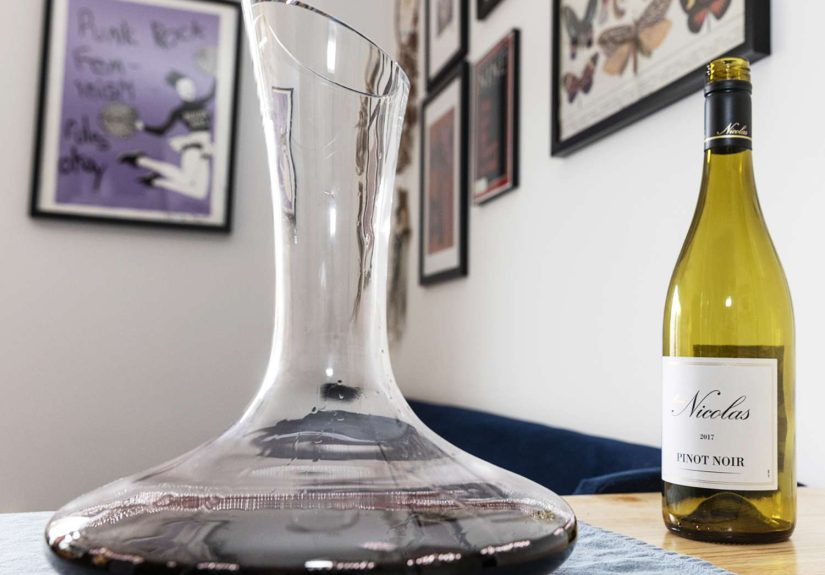
Let’s start with the obvious: this decanter looks good. The silhouette is the “default icon” of decanting
a wide bowl that gives wine plenty of surface area, narrowing into a neck that’s easier to grip and pour.
The Le Chateau version leans into that classic form instead of doing interpretive sculpture.
That’s a feature, not a flaw.
Why? Because the classic shape fits into normal cupboards, sits securely on a shelf, and doesn’t demand a special
storage plan. On a bar cart, it reads as polished but not precious. Think: “I have my life together,” not
“I have a climate-controlled wine cave and a personal sommelier named Luca.”
The angled spout is a small detail that matters more than you’d expect. It helps guide the pour and can reduce
drips when you tilt the decanter back uprightmeaning fewer sticky wine trails down the side and fewer frantic
napkin rescues mid-toast.
Performance: Does It Actually Improve the Wine?
A decanter can help in two main ways: it can separate wine from sediment (mostly relevant for older reds), and it can
introduce oxygen to “open up” aromas and soften certain sharper edges in young wines. The Le Chateau is built for
that second job: aeration.
Why the Wide Base Matters
The wide-bottom design exposes more wine to air. More surface area = more oxygen contact = faster “breathing.”
That’s why wide-base decanters are commonly recommended when you’re trying to wake up a tight, young red.
In practice, it can make a Cabernet Sauvignon feel less clenched, a Syrah smell more expressive, or a young
Tempranillo taste a little less like it’s mad at you for opening it early.
Realistic Expectations (No, It Won’t Turn Box Wine Into Bordeaux)
Decanting is not a magic wand. But it can help many everyday reds taste smoother and smell more aromatic with minimal
effort. If you’ve ever poured a red that smelled shy at firstthen got more interesting after 20–40 minutes in the
glassyou already understand decanting. You’re basically giving the wine a head start.
Where the Le Chateau tends to shine is in the “normal bottle” zone: young-to-mid-age reds you bought because they
were recommended, on sale, or had a label featuring an animal doing something emotionally confusing.
You can pour the bottle, let it sit while dinner finishes, and suddenly your wine feels more “intentional.”
Pouring and Handling: The Part Nobody Brags About (But Everybody Notices)
Some decanters look like art and pour like a punishment. The Le Chateau is the opposite: it’s made to be used.
The long neck gives you a natural grip point, and the spout helps the stream flow cleanly instead of sloshing
out like a mini tidal wave.
It also hits a sweet spot for everyday hosting: it’s sized for one standard bottle, so you’re not playing the
“half-empty giant vessel” game. When the decanter is properly filled, the wine spreads across the widest part of
the bowlexactly where you want it for aeration.
Cleaning and Care: The Make-or-Break Reality Check
Here’s the truth: the best decanter is the one you’ll actually clean. If a decanter is annoying to wash, it slowly
becomes décor. (A very expensive, very dusty décor choice.)
Easy Wins: What Helps Most
- Rinse promptly: The sooner you rinse after pouring, the less staining and film you’ll battle later.
- Use warm water: Warm-to-hot water helps loosen residue without shocking the glass.
- Consider decanter beads: Stainless cleaning beads can scrub the interior by swirling with water.
- Try a vinegar rinse if needed: A diluted vinegar-and-water rinse can help cut stubborn residue.
You’ll see mixed opinions about dish soap and dishwashers depending on who you ask and how precious your palate is.
The safest “best practice” is: avoid heavy soap residue, avoid harsh dishwasher conditions, and always rinse
thoroughly. If you do use a tiny bit of mild soap, rinse like you’re trying to remove evidence.
The Le Chateau’s wide mouth and classic interior shape make it less fussy than elaborate designs with tight corners
and dramatic curves. Translation: fewer regrets.
Decanting Basics: What to Pour in Here (and What to Skip)
If your bar cart is for adults of legal drinking age, this decanter is most useful for redsespecially young,
tannic, or “closed” wines that benefit from oxygen exposure.
Great Matches
- Young reds: Cabernet Sauvignon, Syrah/Shiraz, Nebbiolo, Bordeaux blends, Petite Sirah
- Budget-to-mid reds: Many approachable bottles taste smoother after a short decant
- Older reds with sediment: Helpful for separating sediment (but be gentle and don’t over-aerate)
Use Caution
- Very old, delicate wines: They can fade quickly with too much oxygen exposure
- Sparkling wines: Generally not recommendedoxygen makes bubbles disappear faster
- Most whites and rosés: Often better served chilled; decanting can warm them up
Timing doesn’t need to be complicated. Many reds benefit from anywhere from about 20 minutes to a couple of hours
depending on style and age. If you want the simplest approach: pour, wait a bit, taste, and adjust. Your mouth is
allowed to be the final judge.
Bar-Cart Value: Why This One Becomes a “Default”
The Le Chateau decanter sits in a sweet spot: it looks elevated, performs like a classic wide-base decanter should,
and doesn’t price itself like it’s signing a lease in Manhattan.
It’s also a genuinely easy gift. Weddings, housewarmings, “Congrats on the new apartment that definitely has
insufficient kitchen storage,” and the annual holiday scramble when you need something that looks thoughtful and
doesn’t require knowing someone’s exact size.
Even if someone doesn’t decant regularly, this is the kind of piece that makes them want to. It turns a simple pour
into a small ritualand rituals are how boring Tuesdays become slightly less boring.
Downsides and Dealbreakers
No product is perfect, and the Le Chateau has a few potential “depends on you” caveats:
-
It’s still glass (shocking, I know): If you tend to break stemware, treat this like a “two hands
when carrying” item. -
Cleaning is easy-ish, not automatic: You’ll still want to rinse promptly and occasionally do a
deeper clean. -
One-bottle capacity: Perfect for most nights, but not ideal if you routinely serve multiple bottles
at once. - Minimal extras: If you want a full set with filters, stoppers, or gadgets, you may prefer a kit.
Final Verdict: A Practical Upgrade That Looks Like a Splurge
The Le Chateau Wine Decanter earns its “bar-cart staple” reputation by being what most people actually need:
a classic, wide-base decanter sized for a standard bottle, with an easy-pour spout and a design you won’t regret
leaving out on display.
If you’re new to decanting, this is a friendly entry point. If you already decant, it’s a reliable daily driver.
And if you just want your bar cart to look more like “host energy” and less like “random bottles on a tray,” this
decanter quietly does the job.
Real-World Experiences: What It’s Like Living With the Le Chateau on Your Bar Cart (About )
The most telling “review” of any decanter isn’t how it performs in a perfect tasting setupit’s how it behaves in
real life. You know, the version of life where the pasta water is boiling over, someone’s ringing the doorbell early,
and you’re trying to remember whether you offered your guest sparkling water or “sparkling water” (aka prosecco).
This is where the Le Chateau tends to win people over: it’s visually impressive without being delicate-looking, and
it feels natural to grab when you’re hosting. Picture a Friday night where you opened a young Cabernet that tastes a
little tight right out of the bottle. Instead of waiting for everyone’s glasses to slowly “wake it up,” you pour the
bottle into the decanter, set it on the counter, and let dinner do the stalling for you. By the time you’re plating,
the wine smells more open and tastes smoother. Not transformed into a luxury bottlejust noticeably more pleasant.
That’s the kind of improvement people actually care about.
Then there’s the bar-cart effect. A decanter doesn’t just hold wine; it changes the whole vibe. A bottle on a table
says, “We’re drinking.” A decanter says, “We are having an evening.” It’s a small psychological trick that makes even
a simple meal feel like an occasion. Add a couple of glasses nearby and suddenly your living room looks like it has a
dress code.
The angled spout is one of those details you don’t think you’ll noticeuntil you do. In the real world, people pour
while talking, laughing, and making direct eye contact to emphasize a story. A clean pour (with fewer drips) matters
because it keeps you from doing the awkward “wipe the decanter with your sleeve” move. If you’ve ever left a little
wine ring on a shelf or cart, you know why this is a feature worth having.
Cleaning is the other reality check. The Le Chateau doesn’t eliminate the need to wash a decanter (if someone offers
you that product, back away slowly), but it doesn’t punish you either. The wide mouth makes it easier to rinse right
away, and the classic interior shape is less likely to trap residue in weird corners. The best “experience upgrade”
is simply building the habit: when the bottle is empty, do a quick warm-water rinse. If you wait until tomorrow,
you’ve signed yourself up for a second chorelike laundry, but for grown-ups who own glassware.
Over time, many people end up using a decanter like this for more than “serious wine nights.” It becomes a go-to
when friends drop by unexpectedly, when you’re opening a value bottle and want it to taste its best, or when you
want your place to feel a little more put-together without actually cleaning the whole kitchen. In that sense, the
Le Chateau isn’t just a wine toolit’s a hosting shortcut. And honestly, we could all use one of those.