Table of Contents >> Show >> Hide
- What the Fluoro Shade Is (and Why It Still Feels Fresh)
- Materials and Finish: Why Polycarbonate Makes Sense Here
- How the Light Feels: Glow, Color Cast, and Mood
- Pendant vs. Floor: Two Looks, Same Attitude
- Styling Ideas That Don’t Look Like a Catalog Spread
- Bulbs, Brightness, and the “Don’t Make It Weird” Checklist
- Care and Longevity: Keeping That Orange Looking Sharp
- Buying and Placement Tips (So You Don’t Regret the Drama)
- Experience Notes: Living With a Fluoro Shade (the Good, the Funny, and the Surprisingly Practical)
- Conclusion
Some lights whisper. The Tom Dixon Fluoro Shade walks into the room wearing a fluorescent orange jacket and
immediately becomes the conversation. It’s bold without being chaotic, playful without being childish, and modern
without feeling like it’s trying too hard. If you’ve ever looked at a space and thought, “This needs… confidence,”
this is the kind of lighting that shows up with confidence and receipts.
In this guide, we’ll break down what the Fluoro Shade is, why it works visually (and practically), how to style it in
real homes, and what to consider before you hang one above your dining table like the world’s chicest traffic cone.
(That’s a compliment. Traffic cones are excellent at their job.)
What the Fluoro Shade Is (and Why It Still Feels Fresh)
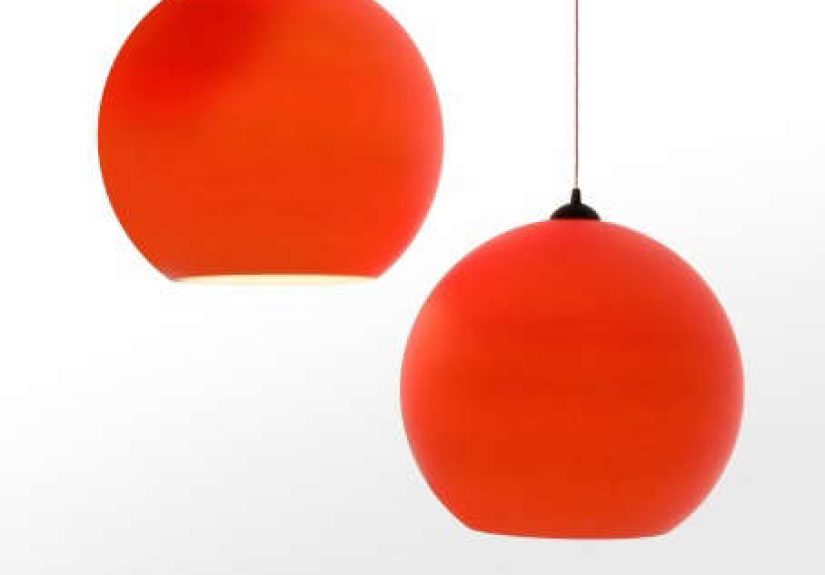
The Tom Dixon Fluoro Shade is a modern lampshade made from blow-molded polycarbonate with a matte fluorescent
orange finish. It’s typically seen as a pendant or a floor-light format, both centered around the same idea: a big,
sculptural shade that turns ordinary illumination into a design statement.
A quick origin story: industrial meets pop color
Tom Dixon’s lighting often plays with industrial formssimple geometry, bold materials, and finishes that feel like
they belong in a workshop and an art gallery. The Fluoro Shade leans into that “functional object, elevated”
vibe, but swaps moody metals for a bright, high-energy hue. The result is a piece that feels graphic and architectural
even when it’s turned off.
Materials and Finish: Why Polycarbonate Makes Sense Here
Polycarbonate is one of those materials designers love because it’s tough, lightweight, and can be shaped into smooth,
consistent forms. For lighting, that matters: a large shade should be easy to hang, resistant to everyday bumps, and
able to diffuse light without looking flimsy.
Why polycarbonate, specifically?
-
Lightweight, large-scale friendly: A 45 cm (about 17.7-inch) shade looks dramatic, but the material
helps keep it from feeling like you’re hanging a bowling ball from your ceiling. -
Good optical behavior: Polycarbonate can deliver a “soft glow” effect when light hits it, especially
when the finish is designed to diffuse rather than reflect. -
Durability for real life: In homes with kids, pets, or people who occasionally forget where their
elbows are, the extra toughness is a practical win.
The “fluoro” factor: a color that was born to be noticed
Fluorescent orange isn’t just “orange but louder.” It’s a color engineered to create contrast and grab attentionwhy
it’s used in high-visibility contexts. In interiors, that translates to a shade that instantly anchors a room. It’s
especially effective when the surrounding palette is calm: whites, warm neutrals, charcoal, navy, concrete, or pale
wood.
How the Light Feels: Glow, Color Cast, and Mood
Statement lighting shouldn’t just look good in photos; it should make the room feel good at 7:30 p.m. when you’re
tired and holding a bowl of cereal like it’s a self-care ritual.
Diffusion and atmosphere
Because the Fluoro Shade is a large form with a tinted finish, it tends to soften the light and add warmthsometimes
even a subtle orange cast depending on your bulb choice and surrounding surfaces. If you want the shade to read
“bold object” without turning your living room into a sunset simulation, your bulb and brightness matter (we’ll get to
that).
Where it shines (literally)
- Entryways: One pendant can turn “walking into the house” into a moment.
- Dining areas: It creates a focal point that makes even basic furniture feel intentional.
- Creative spaces: Studios, offices, and reading corners benefit from its energy.
-
Retail or hospitality vibes at home: If you love the look of boutique interiors, this shade helps you
get there fast.
Pendant vs. Floor: Two Looks, Same Attitude
The Fluoro Shade is commonly seen in two formats: as a pendant (hung from the ceiling) and as a floor-oriented setup
(often with a long cable and switch, used to bring the shade down closer to human level). Both deliver the same
sculptural pop, but they behave differently in a room.
When a pendant makes the most sense
Pick the pendant when you want the shade to act like a “ceiling sculpture” that also happens to light the space. It’s
ideal over dining tables, in stairwells, or centered in a room where you want to create an instant focal point.
When the floor format feels smarter
The floor approach is great when you want a dramatic object lower in the spacecloser to seating heightwithout
committing to a permanent ceiling location. It can also work in rentals where you’re limited on electrical changes,
as long as the setup is designed to plug in and you can route the cable neatly.
Styling Ideas That Don’t Look Like a Catalog Spread
The Fluoro Shade is bold, so the trick is pairing it with choices that make it feel “designed” rather than “random.”
Think of it like hot sauce: a little goes a long way, and you want it on the right dish.
1) The minimalist room that needs one brave decision
White walls, light oak, a soft gray sofa, black accents. Add one Fluoro Shade as the primary pendant in the living
area. Suddenly the room has a point of view. Keep everything else quiet so the shade reads as intentional, not noisy.
2) The kitchen island setup that looks expensive (without renovating)
If you have a long island, consider a cluster of two or three pendants spaced evenly (instead of one lonely fixture in
the middle). The Fluoro Shade is large, so you might only need one or two depending on the island length. The orange
pairs especially well with matte black hardware, stainless steel, and concrete or white countertops.
3) The “gallery corner” trick
Create a small vignette: a chair, a side table, a stack of art books, and the Fluoro Shade nearby as either a low
pendant or floor setup. Add one piece of wall art that echoes the orange (even a tiny detail), and the whole corner
looks curated.
4) The dark, moody room that needs contrast
Fluorescent orange looks incredible against deep colorsnavy, forest green, charcoal, or near-black. In a moody room,
the shade becomes a glowing punctuation mark. Use warm bulbs so the light feels cozy rather than clinical.
5) The playful-but-grown-up kids or teen room
Bright color can still feel sophisticated if the shape is clean. Pair the shade with simple furniture, a neutral rug,
and a limited palette (for example: orange + white + black + one wood tone). It reads modern, not cartoonish.
Bulbs, Brightness, and the “Don’t Make It Weird” Checklist
The Fluoro Shade is a tinted, diffusing object. That means the bulb you choose can either make it glow beautifully or
make the room feel like a snack-food aisle. Here’s how to keep things flattering.
1) Choose brightness by lumens, not watts
If the shade is mainly decorative, you can go moderate. If it needs to contribute real ambient light, go brighterbut
balance with other layers of lighting (ambient + task + accent) so you’re not relying on one fixture to do everything.
2) Pick a color temperature that matches the mood
- 2700K–3000K (warm white): Cozy, flattering, great for living rooms and dining rooms.
- 3000K–3500K (neutral-warm): Good for kitchens or workspaces where you want clarity without harshness.
-
4000K+ (cool white): Usually not the best match here unless the space is very modern and you want a
crisp, gallery-like feel.
3) CRI matters more than people admit
A higher color rendering index (CRI) helps objects look more naturalespecially skin tones and food. If you’re placing
this above a dining table, a good-CRI LED is worth it. Otherwise everyone’s pasta night will look like a science
experiment.
4) Use dimming if you can
The easiest way to make statement lighting feel luxurious is control. A dimmer lets you keep the shade as a visual
focal point while dialing the brightness to match the moment. If your bulb is dimmable and your setup supports it, do
it.
Care and Longevity: Keeping That Orange Looking Sharp
Polycarbonate is durable, but finishes (especially bright, fluorescent ones) deserve a little respect. Think “wipe
gently,” not “scrub like you’re cleaning a cast-iron pan.”
- Cleaning: Use a soft, dry or slightly damp cloth. Avoid abrasive sponges that can dull the finish.
- Chemicals: Skip harsh solvents and aggressive cleaners; they can cloud plastics or damage coatings.
-
Sunlight: Like many vivid pigments and plastics, prolonged direct UV exposure can age the look over
time. If possible, avoid placing it where it gets blasted by direct sun daily.
Buying and Placement Tips (So You Don’t Regret the Drama)
The Fluoro Shade is a big visual move. Before you commit, treat it like you’re auditioning a new roommate: measure,
ask questions, and make sure it fits your lifestyle.
Measure first, admire second
A 45 cm shade is generously sized. Over a small round table, it might feel dominant (which can be great). Over a large
dining table, it can look perfectly proportioned. In a low ceiling room, consider how much vertical space you’ll have
once it’s hung at a comfortable height.
Plan your lighting layers
Decorative fixtures are often part art, part illumination. You’ll get the best result when the Fluoro Shade is one
layer in a lighting planpaired with other sources like floor lamps, sconces, or under-cabinet lighting where needed.
Installation sanity
If you’re doing a ceiling pendant, proper mounting and safe wiring matter. If anything feels uncertain, it’s worth
using a qualified installer. Great lighting should make your heart flutter, not your circuit breaker.
Experience Notes: Living With a Fluoro Shade (the Good, the Funny, and the Surprisingly Practical)
People who choose a piece like the Fluoro Shade usually want more than “a light.” They want an interior mood booster.
And in real spaces, that’s exactly how it behaveslike a visual espresso shot.
One of the first things owners and designers notice is how the shade changes throughout the day. In
morning light, the orange can look crisp and graphic, almost like a flat color swatch hovering in space. At night,
especially with warmer bulbs, it shifts into a softer, glowing objectless “neon sign,” more “ember in a modern
fireplace.” That day-to-night dual personality is a big part of its charm.
Another real-world detail: it photographs extremely well. The bright hue gives cameras an anchor
point, which is why it pops in room shots even when the rest of the space is subtle. If you’re the kind of person who
likes documenting your home, this is one of those pieces that makes your photos look more “designed” without needing
a dozen accessories. The flip side is that the color is so strong it can steal attention from art or furniture you
loveso you may end up editing your decor a bit to let everything share the spotlight.
In practical use, many people end up treating it as decorative + ambient, not task lighting. It’s
great for overall atmosphere, but if you’re trying to read tiny print or chop vegetables with surgeon-level accuracy,
you’ll want a secondary task light. The smartest setups pair it with something focused: under-cabinet lighting in a
kitchen, a reading lamp by a chair, or a subtle track light for artwork. When the Fluoro Shade isn’t forced to be the
only source, it becomes more enjoyable.
There’s also a small “ownership truth” nobody brags about: dust. Any large shade will collect it, and
a matte bright finish can make fine dust more noticeable under certain angles of light. The good news is the fix is
easyquick, gentle wipe-downsso it’s more of a routine than a problem. People who love the look usually don’t mind,
because the payoff is a room that feels alive.
Finally, the Fluoro Shade tends to influence buying decisions in the rest of the roomin a good way. Once you commit
to a bold, modern light, you often start simplifying clutter, tightening your color palette, and choosing materials
more intentionally. It’s like the shade becomes a tiny interior design coach that doesn’t talk, doesn’t judge, and
only communicates in fluorescent orange.
Conclusion
The Tom Dixon Fluoro Shade is the rare lighting piece that can be both playful and serious: a clean, sculptural form
with a high-impact finish that instantly gives a room a focal point. Treat it like a deliberate design movepair it
with calmer surroundings, choose your bulb carefully, and use it as part of a layered lighting plan. Do that, and
you’ll get more than a lamp. You’ll get a mood.