Table of Contents >> Show >> Hide
- What Is Liver Failure?
- Common Causes of Liver Failure
- Symptoms of Liver Failure
- When to Seek Emergency Care
- Tests Used to Diagnose Liver Failure
- Treatment Options for Liver Failure
- Possible Complications of Liver Failure
- Can Liver Failure Be Prevented?
- Living With Liver Disease: Practical Experiences and Everyday Lessons
- Conclusion
Note: This article is for educational purposes only and should not replace medical advice, diagnosis, or treatment from a licensed healthcare professional. Liver failure can become life-threatening quickly, so urgent symptoms deserve urgent care.
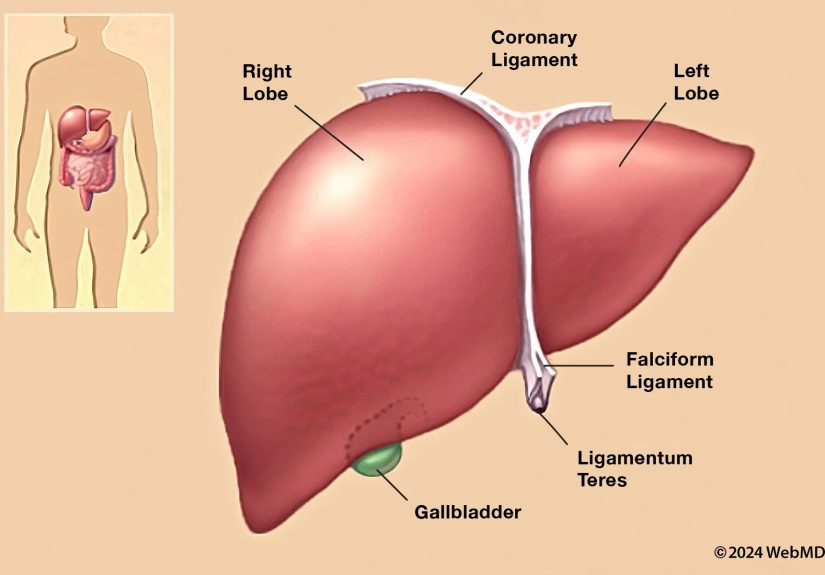
Your liver is the quiet overachiever of the body. It filters blood, processes nutrients, stores energy, makes bile, helps blood clot, breaks down medications, fights infection, and politely does all of this without asking for applause. But when the liver becomes badly damaged and can no longer keep up with these essential jobs, the result is liver failure.
Liver failure is not a single disease. It is the final common pathway of many different liver problems, from viral hepatitis and alcohol-related liver disease to fatty liver disease, medication toxicity, autoimmune conditions, inherited disorders, and cancer. Some cases happen suddenly over days or weeks. Others develop slowly over months or years, often after long-term scarring called cirrhosis.
The tricky part? Early liver disease can be as subtle as a cat sneaking across a carpet. Many people have few symptoms until damage is advanced. That is why understanding liver failure symptoms, causes, diagnostic tests, treatment options, and prevention strategies can make a real difference.
What Is Liver Failure?
Liver failure happens when the liver loses enough function that it can no longer perform the tasks needed to keep the body stable. Because the liver is involved in digestion, detoxification, metabolism, immunity, hormone processing, and blood clotting, failure can affect nearly every system in the body.
Doctors usually describe liver failure in two major categories:
Acute Liver Failure
Acute liver failure develops quickly, often within days or weeks, in someone who may not have had known liver disease before. It is a medical emergency. Common causes include acetaminophen overdose, viral hepatitis, severe drug reactions, toxins such as poisonous mushrooms, autoimmune hepatitis, and reduced blood flow to the liver.
Acute liver failure can cause jaundice, confusion, bleeding problems, swelling in the brain, kidney injury, infection, and multiorgan failure. People with acute liver failure are often treated in an intensive care unit and may need evaluation for a liver transplant.
Chronic Liver Failure
Chronic liver failure develops gradually, usually after long-term liver injury. The most common pathway is cirrhosis, a condition in which scar tissue replaces healthy liver tissue. As scarring increases, blood flow through the liver becomes restricted, and the liver’s working cells cannot function normally.
Chronic liver failure may follow years of alcohol-related liver disease, metabolic dysfunction-associated steatotic liver disease, chronic hepatitis B or C, autoimmune liver disease, bile duct disorders, or inherited conditions such as hemochromatosis or Wilson disease.
Common Causes of Liver Failure
Liver failure can come from many directions, but most causes fall into a few major groups.
1. Viral Hepatitis
Hepatitis means inflammation of the liver. Hepatitis A, B, C, D, and E can all affect liver health, but hepatitis B and C are especially important causes of chronic liver disease worldwide. Chronic infection can silently damage the liver for years before symptoms appear. In severe cases, viral hepatitis can lead to cirrhosis, liver cancer, or liver failure.
2. Alcohol-Related Liver Disease
Heavy alcohol use can cause fatty liver, alcoholic hepatitis, fibrosis, cirrhosis, and eventually liver failure. Not everyone who drinks heavily develops liver failure, but alcohol remains one of the most preventable causes. Risk depends on amount, duration, genetics, nutrition, sex, body weight, and other health conditions.
3. Fatty Liver Disease
Fat buildup in the liver is increasingly common, especially in people with obesity, insulin resistance, type 2 diabetes, high cholesterol, or metabolic syndrome. Today, the term metabolic dysfunction-associated steatotic liver disease is often used for fatty liver related to metabolic risk factors. In some people, fat triggers inflammation and scarring, which can progress to cirrhosis and liver failure.
4. Medication or Toxic Injury
The liver processes many medications, supplements, and chemicals. Acetaminophen overdose is a leading cause of acute liver failure in the United States. Risk rises when people take too much at once, combine multiple products containing acetaminophen, drink alcohol heavily, or have existing liver disease.
Other prescription drugs, herbal supplements, bodybuilding products, and toxins can also injure the liver. “Natural” does not automatically mean “liver-friendly.” Your liver did not sign up to be a testing lab for mystery capsules bought at 2 a.m.
5. Autoimmune Liver Disease
In autoimmune hepatitis, the immune system attacks liver cells. Other immune-related conditions, such as primary biliary cholangitis and primary sclerosing cholangitis, affect the bile ducts and can eventually damage the liver. These diseases may require long-term medication and specialist care.
6. Inherited and Metabolic Disorders
Some people are born with conditions that affect how the liver handles minerals or proteins. Hemochromatosis causes excess iron buildup. Wilson disease causes copper buildup. Alpha-1 antitrypsin deficiency can affect both the liver and lungs. Early diagnosis matters because treatment may prevent severe damage.
7. Cancer, Blood Flow Problems, and Other Causes
Liver cancer, cancers that spread to the liver, blocked hepatic veins, shock, severe infection, and certain pregnancy-related liver disorders can also lead to liver failure. In some cases, doctors must move quickly to identify the cause because treatment depends on the trigger.
Symptoms of Liver Failure
Liver failure symptoms can vary depending on whether the condition is acute or chronic. Early warning signs can feel vague, which is why people sometimes dismiss them as stress, stomach trouble, or “I probably just need more sleep.” Sometimes that is true. Sometimes your liver is waving a tiny yellow flag.
Early Symptoms
- Fatigue or weakness
- Nausea or vomiting
- Loss of appetite
- Unexplained weight loss
- Right upper abdominal discomfort
- Itchy skin
- Dark urine
- Pale or clay-colored stools
- Yellowing of the skin or eyes, called jaundice
Advanced Symptoms
- Swollen belly from fluid buildup, called ascites
- Swelling in the legs or ankles
- Easy bruising or bleeding
- Confusion, sleepiness, personality changes, or trouble concentrating
- Vomiting blood or passing black, tar-like stools
- Severe jaundice
- Muscle wasting
- Repeated infections
- Seizures or coma in severe cases
Hepatic Encephalopathy
One of the most serious signs of liver failure is hepatic encephalopathy. This happens when toxins, including ammonia, build up in the blood and affect the brain. Symptoms may begin with poor sleep, forgetfulness, mood changes, or trouble doing simple tasks. Severe cases can cause extreme confusion, drowsiness, or coma.
When to Seek Emergency Care
Some liver failure symptoms should never be watched casually from the couch with a search engine and a bag of pretzels. Seek emergency medical care if someone develops:
- Sudden confusion, extreme sleepiness, or personality changes
- Yellow skin or eyes with vomiting, weakness, or abdominal pain
- Vomiting blood
- Black, tar-like stools
- Severe abdominal swelling or pain
- Uncontrolled bleeding
- Suspected acetaminophen overdose
- Possible poisoning from mushrooms, chemicals, or unknown substances
Acute liver failure can progress rapidly. Early treatment can be lifesaving, especially when there is a reversible cause such as acetaminophen toxicity.
Tests Used to Diagnose Liver Failure
Diagnosing liver failure involves more than one blood test. Doctors look at symptoms, medical history, medications, alcohol use, infection risks, imaging results, and signs of complications.
Blood Tests
Liver function tests help measure liver injury and liver performance. Common tests include:
- ALT and AST: Enzymes that can rise when liver cells are injured.
- Alkaline phosphatase: May rise with bile duct problems or certain liver diseases.
- Bilirubin: High levels can cause jaundice, dark urine, and pale stools.
- Albumin: A protein made by the liver; low levels may suggest chronic liver dysfunction.
- PT/INR: Measures blood clotting. A high INR can mean the liver is not making clotting factors well.
- Platelet count: Low platelets may occur with cirrhosis and portal hypertension.
- Ammonia: Sometimes checked when hepatic encephalopathy is suspected.
Tests to Find the Cause
Because treatment depends on the cause, doctors may order hepatitis panels, autoimmune markers, iron studies, copper tests, acetaminophen levels, alcohol-related markers, metabolic labs, and toxicology testing. In acute liver failure, finding the cause quickly is critical.
Imaging Tests
Ultrasound, CT scans, MRI, or elastography may be used to evaluate liver size, scarring, tumors, bile duct blockage, blood flow, and fluid buildup. Elastography estimates liver stiffness, which can help assess fibrosis or cirrhosis without surgery.
Liver Biopsy
A liver biopsy removes a small tissue sample for analysis. It is not needed for everyone, but it can help diagnose unclear liver disease, assess inflammation, or stage scarring. In people with bleeding risk, doctors may choose safer biopsy methods or avoid biopsy altogether.
Treatment Options for Liver Failure
Liver failure treatment depends on whether it is acute or chronic, what caused it, and how severe the complications are. The goal is to stop further injury, support the body, treat complications, and decide whether liver transplant evaluation is needed.
Acute Liver Failure Treatment
Acute liver failure usually requires hospital care, often in an intensive care unit. Treatment may include:
- Acetylcysteine: Used for acetaminophen overdose and sometimes for other causes of acute liver failure.
- Antiviral treatment: Used when certain viral infections are responsible.
- Stopping harmful drugs or supplements: Any suspected liver-toxic product should be reviewed by clinicians.
- Treatment for poisoning: Specific antidotes or supportive care may be needed for mushroom or chemical poisoning.
- Brain swelling management: Severe acute liver failure can cause dangerous swelling in the brain.
- Infection prevention and treatment: People with liver failure are vulnerable to infections.
- Liver transplant evaluation: If recovery is unlikely, transplant may be the best chance for survival.
Chronic Liver Failure Treatment
Chronic liver failure care focuses on slowing progression, treating the underlying disease, and managing complications.
- Alcohol cessation: Avoiding alcohol is essential in alcohol-related liver disease and often recommended in any advanced liver disease.
- Weight loss and metabolic care: For fatty liver disease, gradual weight loss, diabetes control, cholesterol management, and physical activity can help.
- Antiviral medications: Hepatitis B and C treatments can reduce liver injury and complications.
- Immune-suppressing medicine: Autoimmune hepatitis may require corticosteroids or other immune-modulating drugs.
- Diuretics and low-sodium eating: These may help manage ascites and swelling.
- Lactulose or rifaximin: These medicines may be used for hepatic encephalopathy.
- Endoscopy: Used to screen for and treat enlarged veins, called varices, that can bleed.
- Paracentesis: A procedure to remove excess abdominal fluid when ascites becomes uncomfortable or infected.
- Liver cancer screening: People with cirrhosis usually need regular surveillance.
Liver Transplant
A liver transplant replaces a failing liver with a healthy donor liver. It may be recommended for acute liver failure that does not improve or for end-stage chronic liver disease. Transplant evaluation considers disease severity, overall health, infection status, cancer risk, substance use history, support systems, and the likelihood of benefit.
Transplant is not a casual “swap the filter” procedure. It is major surgery followed by lifelong medical care and immune-suppressing medications. But for many people with severe liver failure, it can be lifesaving.
Possible Complications of Liver Failure
Liver failure can cause serious complications, including:
- Ascites: Fluid buildup in the abdomen.
- Portal hypertension: High pressure in the vein system that carries blood to the liver.
- Variceal bleeding: Bleeding from enlarged veins in the esophagus or stomach.
- Hepatic encephalopathy: Brain changes caused by toxin buildup.
- Kidney dysfunction: Advanced liver failure can affect kidney blood flow and function.
- Infections: Cirrhosis can weaken immune defenses.
- Malnutrition: Poor appetite, inflammation, and altered metabolism can lead to muscle loss.
- Liver cancer: Cirrhosis increases the risk of hepatocellular carcinoma.
Can Liver Failure Be Prevented?
Not every case can be prevented, but many risk factors can be reduced. Practical prevention steps include:
- Use acetaminophen exactly as directed and avoid combining multiple products that contain it.
- Avoid heavy alcohol use, especially with medications that stress the liver.
- Get vaccinated for hepatitis A and B if recommended.
- Practice safer sex and avoid sharing needles to reduce viral hepatitis risk.
- Maintain a healthy weight and manage diabetes, cholesterol, and blood pressure.
- Ask a clinician before using herbal supplements, bodybuilding products, or high-dose vitamins.
- Wear protective gear when working with chemicals.
- Attend follow-up appointments if you have known liver disease.
Living With Liver Disease: Practical Experiences and Everyday Lessons
For many people, liver failure is not just a diagnosis written in a chart. It becomes a daily experience filled with medication schedules, food choices, lab results, appointments, fatigue, family conversations, and the occasional moment of wondering whether every stomach rumble deserves dramatic background music.
One common experience is learning that symptoms can be unpredictable. A person with chronic liver disease may feel reasonably well one week and exhausted the next. Fatigue can be especially frustrating because it does not always improve with a good night’s sleep. Friends may say, “You look fine,” which is usually meant kindly but can feel isolating. Liver-related fatigue is not laziness. It is the body working with fewer reserves.
Diet changes can also be a major adjustment. Someone with ascites may be told to follow a low-sodium diet. At first, this can feel like flavor has packed its bags and moved to another state. But over time, many people learn to use garlic, lemon, vinegar, herbs, pepper, and salt-free seasoning blends. Reading labels becomes second nature. Restaurant meals become strategic missions. Soup, deli meats, frozen dinners, sauces, and “healthy-looking” packaged foods can carry surprising amounts of sodium.
Medication routines may become part of daily life. A person taking lactulose for hepatic encephalopathy may need to plan around bathroom access. That is not glamorous, but it can help prevent confusion and hospitalization. People on diuretics may monitor weight, swelling, and dizziness. Those with viral hepatitis may follow antiviral treatment plans. Patients waiting for transplant may have frequent blood work and appointments that affect work, travel, and family routines.
Emotional health matters, too. Liver failure can bring anxiety, guilt, fear, frustration, or grief. Some people blame themselves, especially when alcohol or weight-related disease is involved. But shame is not a treatment plan. Supportive care works better when patients feel respected, informed, and included in decisions. Family members also need education because they may be the first to notice confusion, behavior changes, worsening swelling, or signs of bleeding.
Another real-world lesson is the importance of keeping an updated medication list. People with liver disease should know what they take, why they take it, and which drugs or supplements to avoid. Bringing all bottles to appointments can prevent dangerous duplicates, especially with over-the-counter pain relievers and cold medicines.
Finally, many people living with advanced liver disease learn the value of small wins: keeping an appointment, choosing a low-sodium meal, walking for ten minutes, avoiding alcohol for another day, asking for help before a crisis, or getting labs done on time. Liver failure is serious, but people are not powerless. With the right medical care, lifestyle support, monitoring, and honest communication, many patients can manage complications, improve quality of life, and make informed decisions about treatment or transplant.
Conclusion
Liver failure is a serious condition that occurs when the liver can no longer perform essential jobs such as filtering toxins, making proteins, supporting digestion, and helping blood clot. It may happen suddenly as acute liver failure or develop gradually after years of liver damage and cirrhosis. Causes include viral hepatitis, alcohol-related liver disease, fatty liver disease, medication toxicity, autoimmune disease, inherited disorders, toxins, cancer, and blood flow problems.
The most important takeaway is simple: do not ignore warning signs. Jaundice, severe fatigue, confusion, abdominal swelling, easy bleeding, dark urine, pale stools, vomiting blood, or black stools should be taken seriously. Early testing can identify liver problems before they become life-threatening, and timely treatment may slow disease, reverse certain causes, or lead to transplant evaluation when needed.
Your liver may be quiet, but it is not optional. Treat it like the hardworking VIP organ it is.